

Graphic T Shirt Designers: Unleashing Creative Fashion Trends
Graphic T Shirt Designers
A graphic t shirt designer is more than just an artist with a computer. They create wearable art that speaks, inspires, and sometimes even shocks. If you have ever worn a t shirt with a catchy slogan, a bold graphic, or a subtle logo, you’ve experienced the work of these creative professionals. Today, graphic t shirts are everywhere—on the street, in music videos, at protests, and even in high fashion. But what really goes into designing a successful graphic t shirt? Let’s explore the world of graphic t shirt designers, their process, the tools they use, the styles they create, and how you can become one or hire the right talent for your brand.
The Role Of A Graphic T Shirt Designer
Designing a t shirt is not just about making something look cool. The best designers understand that a t shirt is a canvas for personal expression. It can tell a story, promote a cause, or simply look good. A graphic t shirt designer must blend art, message, and market trends. They need to know what people want to wear and why.
Graphic t shirt designers work in various ways:
- Some are freelancers creating custom designs for clients.
- Others work for fashion brands or print-on-demand companies.
- Many run their own small businesses, selling designs online.
Their daily work might include sketching ideas, creating digital art, choosing colors, and preparing files for printing. They must also keep up with fashion trends, pop culture, and new printing technologies.
Key Skills Every Graphic T Shirt Designer Needs
To stand out, a graphic t shirt designer must have more than just artistic talent. Here are some essential skills:
- Creativity and Originality: The best designs are fresh and unique. Repeating overused ideas rarely leads to success.
- Understanding Color Theory: Colors can make or break a t shirt. Designers know how colors work together and how they look on fabric.
- Typography Skills: Text-based designs are very popular. Good designers know how to choose and arrange fonts for maximum impact.
- Technical Knowledge: Knowing how to prepare files for different printing methods is a must. A design that looks great on screen might not work well in print.
- Market Awareness: The most successful designers study what sells. They watch trends and listen to what people want.
- Communication: Designers often work with clients or teams. Explaining ideas clearly is important, especially when working with people from different backgrounds.
- Attention to Detail: Small mistakes can ruin a print. Designers check their work carefully before sending it to production.
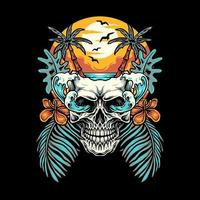
Many beginners overlook the importance of file preparation and fabric limitations. For example, a design that works on a white shirt may not look good on black, and some details may get lost in certain print methods.
Credit: www.vecteezy.com
The Design Process: From Idea To Finished T Shirt
Every designer has their own workflow, but most follow a similar process:
1. Research And Inspiration
Designers start by looking for ideas. They study trends, browse art sites, and check social media. Sometimes, inspiration comes from everyday life—a conversation, a street sign, or a piece of music.
2. Concept Development
Next, they sketch rough ideas. This can be done on paper or digitally. At this stage, quantity matters more than quality. The goal is to generate as many ideas as possible.
3. Refining The Design
After picking the best idea, the designer works on the details. They choose colors, fonts, and layout. This step may involve several drafts and feedback from others.
4. Digital Creation
Designers create the final artwork using software like Adobe Illustrator or Photoshop. Vector graphics are popular because they can be resized without losing quality.
5. Preparing For Print
The artwork must be set up correctly for printing. This includes choosing the right file format, color mode (usually CMYK or Pantone), and resolution. Designers also consider the size and placement of the design on the shirt.
6. Printing And Proofing
A test print, or “proof,” helps catch mistakes before mass production. Good designers always review proofs to ensure the colors and details look right on fabric.
7. Final Production
Once approved, the design goes to full production. Whether it’s screen printing, direct-to-garment (DTG), or another method, this is where the design becomes a real t shirt.
Popular Styles In Graphic T Shirt Design
Graphic t shirt design is a broad field, but some styles are especially popular:
Minimalist
Simple shapes, clean lines, and limited colors. Minimalist designs often rely on clever concepts or subtle humor.
Vintage And Retro
Designs inspired by past decades, using faded colors and old-school fonts. These shirts often have a nostalgic feel.
Typography
Words take center stage. The message might be a funny quote, a political slogan, or a brand name. The font and layout are key.
Illustration
Detailed drawings, cartoons, or hand-drawn art are common in this style. It can range from cute characters to complex scenes.
Abstract And Geometric
Bold shapes, patterns, and colors. Abstract designs can be eye-catching and work well for brands that want to stand out.
Photographic
Photos or realistic images printed on shirts. This style uses high-quality printing to capture detail.
Pop Culture
References to movies, TV shows, music, or memes. These designs are often trendy and appeal to fans.
Artistic And Fine Art
Designs inspired by famous paintings or art movements. These shirts can be a way for people to show their taste in art.
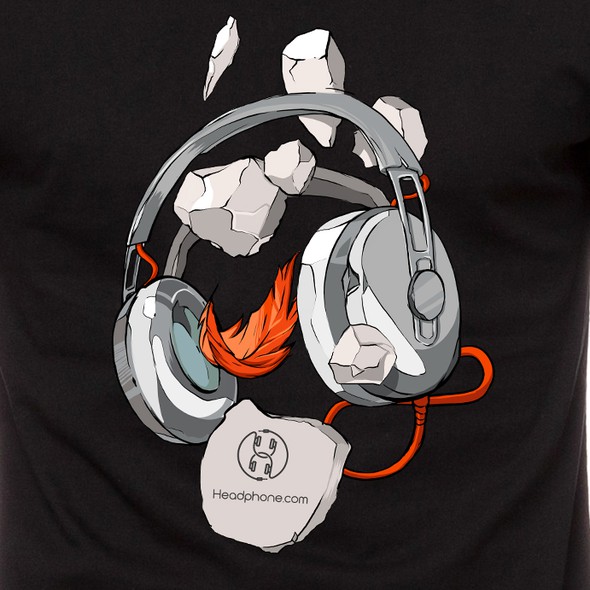
Many designers mix styles to create something new. For example, a shirt might combine vintage fonts with modern graphics.
Credit: 99designs.com
Tools And Software Used By Graphic T Shirt Designers
Professional designers use a mix of digital and traditional tools. Here are some of the most common:
| Tool/Software | Main Use | Why It Matters |
|---|---|---|
| Adobe Illustrator | Vector Art Creation | Scalable designs, perfect for t shirts |
| Adobe Photoshop | Photo Editing & Painting | Great for detailed or photographic designs |
| CorelDRAW | Vector Graphics | Popular alternative to Illustrator |
| Procreate | Digital Drawing | Used on iPad for hand-drawn styles |
| Affinity Designer | Vector & Raster Design | Budget-friendly, good for beginners |
| Sketchbook | Digital Sketching | Quick idea generation |
Designers also use traditional tools like pencils, pens, and sketchbooks. Sometimes, a hand-drawn sketch is scanned and finished digitally.
Printing Techniques And Their Impact On Design
Choosing the right printing method is crucial. It affects how the design will look, feel, and last. Here are the main techniques:
Screen Printing
This is the most common method for large runs. Ink is pushed through a mesh screen onto the fabric. Screen printing produces vibrant colors and is very durable. However, each color needs a separate screen, so complex designs can get expensive.
Direct-to-garment (dtg)
DTG printers work like inkjet printers for fabric. They are great for small batches and detailed, multi-color designs. DTG allows for photo-quality prints but may not last as long as screen printing.
Heat Transfer
The design is printed onto special paper and then transferred to the shirt with heat and pressure. It’s good for small orders or custom shirts, but the print can crack or peel over time.
Sublimation
This method uses heat to transfer dye into synthetic fabrics. It’s perfect for all-over prints and bright colors, but only works on polyester.
Embroidery
Although not printing, embroidery is sometimes used for logos or simple designs. It gives a premium feel, but is limited in detail and color.
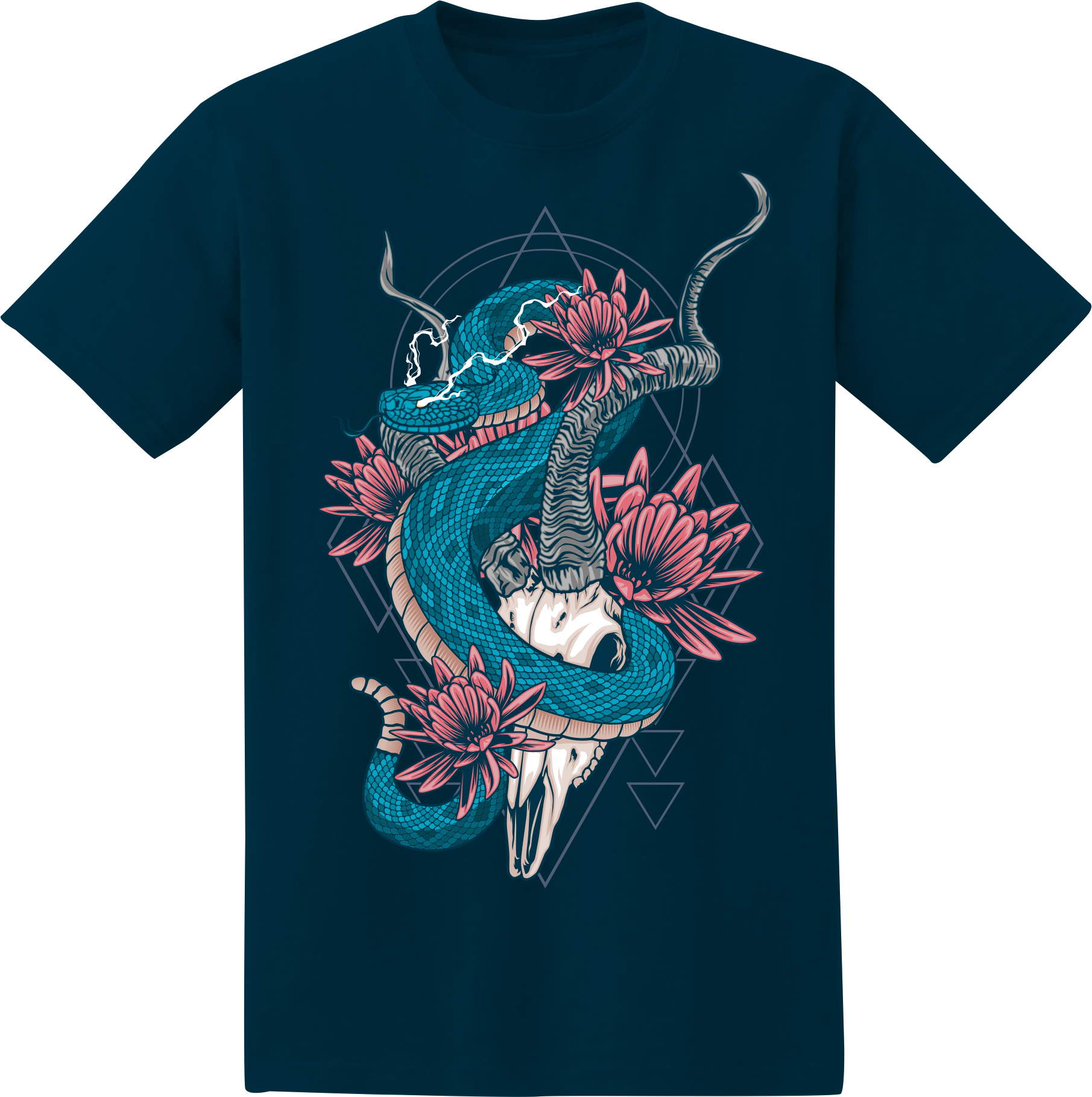
A common mistake for beginners is choosing a print method without considering the fabric or design complexity. For example, fine lines may not print well with screen printing, and DTG works best on 100% cotton.
Credit: graphics-pro.com
The Business Side: Working As A Graphic T Shirt Designer
Designers can work in many ways. Here are some common paths:
- Freelancing: Many designers work for themselves. They find clients online, through social media, or on freelance platforms.
- In-House Designer: Some join fashion brands or companies that sell t shirts. These jobs offer stability but may limit creative freedom.
- Print-On-Demand: Designers upload artwork to sites like Redbubble, Teespring, or Merch by Amazon. When someone buys a shirt, the site prints and ships it.
- Own Brand: Some designers start their own t shirt brands. This requires design skill and business knowledge.
- Collaborations: Working with other artists, brands, or influencers can open new markets.
Income Potential
Income varies. Freelancers can charge from $50 to over $500 per design, depending on experience and client. Print-on-demand sites often pay a small royalty per sale, so volume matters.
Portfolio And Branding
A good portfolio is key. Designers should show a range of styles and finished shirts, not just digital art. Social media helps build a following and attract clients.
Legal Considerations
Designers must avoid copyright issues. Using protected images or fonts without permission can lead to legal trouble. Many clients want exclusive rights, so contracts are important.
How To Become A Graphic T Shirt Designer
If you want to enter this field, here’s a step-by-step approach:
1. Learn The Basics Of Design
Study color theory, typography, and composition. Online courses and free resources are available.
2. Master The Tools
Start with free or affordable software. Practice making simple designs and learn how to prepare files for print.
3. Study T Shirt Trends
Look at what’s popular on t shirt sites and in stores. Notice what styles and messages sell well.
4. Build A Portfolio
Create mockups of your designs on real shirts. Use free mockup generators or photograph printed samples.
5. Get Feedback
Share your work with other designers and potential customers. Listen to feedback and improve.
6. Start Selling
Try print-on-demand sites or offer custom designs on freelance platforms. Learn about pricing and client communication.
7. Keep Improving
The best designers never stop learning. Follow top designers, join online groups, and experiment with new styles.
One insight many overlook: practicing with real-world print files (not just digital art) is essential. Preparing your own artwork for print, even on sample shirts, teaches you about color shifts, sizing, and print limits.
How To Hire A Great Graphic T Shirt Designer
If you want to create custom shirts for your brand or event, hiring the right designer is critical. Here’s what to consider:
1. Look For Relevant Experience
Check their portfolio for t shirt work, not just general graphic design. A great poster designer may not understand t shirt printing needs.
2. Review Style And Flexibility
Some designers have a signature style, while others adapt to client needs. Choose one that fits your vision.
3. Check Communication Skills
You’ll need to explain your idea and give feedback. Clear communication ensures you get the design you want.
4. Understand Their Process
Ask how they work, what files they deliver, and if they provide mockups. A professional designer will explain their workflow.
5. Discuss Rights And Pricing
Make sure you understand who owns the design and what you’re paying for. Some designers charge per hour, others per project.
6. Start With A Test Project
If unsure, begin with a small job. This lets you see their process and results before committing to a bigger project.
Many brands overlook the importance of color matching and file setup. If your shirt color is specific, ask your designer to use Pantone or fabric swatches for accuracy.
Comparing Print-on-demand Platforms For Designers
For designers who want to sell their work online, choosing the right platform is key. Here’s a comparison of some popular options:
| Platform | Payout per Sale | Customization | Market Reach | Setup Cost |
|---|---|---|---|---|
| Redbubble | 10-20% | Limited | Global | None |
| Teespring | Set by designer | Good | Global | None |
| Merch by Amazon | 8-12% | Limited | Very High | None (invite only) |
| Society6 | 10% | Limited | Global | None |
Each platform has pros and cons. Some offer higher royalties, while others provide more exposure. Read terms carefully before uploading your designs.
Trends And Challenges In Graphic T Shirt Design
The world of t shirt design is always changing. Here are some current trends and challenges:
Sustainability
More consumers want eco-friendly shirts. Designers must consider materials and printing methods that are less harmful to the environment.
Personalization
Custom shirts with names, photos, or unique messages are in demand. Designers need to create flexible templates for easy customization.
Fast Fashion
Trends come and go quickly. Designers must work fast to catch the wave before it passes.
Copyright And Ethics
With so many designs online, copying is a big problem. Original work is valuable, and protecting it is a challenge.
Social And Political Messages
T shirts are a way to express opinions. Designers need to balance creativity with sensitivity, especially when working on controversial topics.
Tips From Successful Graphic T Shirt Designers
- Focus on simplicity. Complicated designs can get lost on fabric.
- Test your designs on real shirts, not just screens.
- Stay updated on printing techniques.
- Build your own style but be open to trends.
- Don’t ignore feedback, even if it’s negative.
- Network with other designers and join online communities.
- Keep your files organized and backed up.
- Understand the basics of marketing, even if you’re not selling your own shirts.
A non-obvious tip: Always check your design at actual print size. What looks great zoomed in may not be visible on a real shirt from a distance.
Frequently Asked Questions
What Is The Difference Between Vector And Raster Art For T Shirt Design?
Vector art is made of lines and shapes, so it can be resized without losing quality. Raster art (like photos) is made of pixels and can become blurry if enlarged. For t shirt printing, vector art is usually better, especially for logos and simple graphics.
How Do I Protect My T Shirt Designs From Being Copied?
Registering your design with copyright or trademark offices can help, but it’s hard to stop all copying. Watermarking online images and using reputable platforms can reduce the risk. Also, keep records of your design process as proof of originality.
Can I Use Free Images Or Fonts In My T Shirt Designs?
Not always. Many “free” images and fonts have licenses that don’t allow commercial use. Always check the license or use assets from trusted sources. There are many sites that offer free commercial-use fonts and graphics, but read the terms carefully.
What’s The Best Fabric For Printed T Shirts?
100% cotton is the most popular because it’s soft, breathable, and works well with most print methods. Blends (like cotton-polyester) can also be used, but some printing techniques (like DTG) may not look as good on synthetic fabrics.
Where Can I Learn More About T Shirt Design And Printing?
You can find tutorials and courses on platforms like YouTube, Skillshare, and Udemy. For in-depth technical details, Wikipedia has a comprehensive article on t shirts, their history, and printing methods.
Graphic t shirt designers bring art to everyday life. Whether you want to wear your personality or build a fashion brand, understanding their craft helps you make better choices. With the right skills, tools, and creativity, anyone can join this exciting world and make designs that people love to wear.
