

Graphic T-Shirt Designers: Top Tips to Boost Your Sales
The world of graphic T-shirt designers is more exciting and creative than ever before. In recent times, graphic tees have become a favorite way for people to express themselves, show their interests, or simply wear art. Walk down any street, and you’ll see T-shirts with bold logos, clever sayings, eye-catching patterns, or beautiful illustrations. But behind every cool T-shirt is a designer with unique ideas, talent, and a strong understanding of trends, art, and what people love to wear.
Whether you’re an aspiring designer, a business owner wanting to launch a clothing line, or simply curious about what makes graphic T-shirt designers tick, you’ll find there is much more to this field than just putting an image on fabric.
Design choices, printing techniques, popular themes, the tools designers use, and even how to hire or become a successful designer—all these topics form the backbone of this creative industry.
Let’s dive deep into the world of graphic T-shirt designers, explore what they do, how they work, and what you need to know to stand out or hire the right talent.
What Does A Graphic T-shirt Designer Do?
A graphic T-shirt designer is not just an artist. This role blends creativity with technical skill, marketing sense, and a bit of trend-spotting. At its core, the job involves creating visual designs that are printed on T-shirts.
The process usually starts with a brief—sometimes from a brand, sometimes from a client, or even as a personal project. Designers research themes, sketch ideas, and then move to digital tools to create the final artwork. But it’s not just about drawing. Designers must consider:
- Target audience: Who will wear this shirt? What are their interests?
- Trends: What’s popular in fashion, pop culture, or art right now?
- Printing limitations: Some designs look great on screen but are hard or expensive to print.
- Fabric and color: The shirt’s material and color affect how the design appears.
Designers may work for clothing companies, print-on-demand platforms, custom print shops, or as freelancers selling their own creations online.
Key Skills Every Graphic T-shirt Designer Needs
Success in T-shirt design requires more than drawing ability. Here are the key skills top designers master:
- Artistic talent: Strong drawing, illustration, and color theory skills help create appealing visuals.
- Software proficiency: Most designers use tools like Adobe Illustrator, Photoshop, or free alternatives such as GIMP or Inkscape.
- Typography: Choosing and arranging fonts is a big part of many T-shirt designs.
- Understanding of printing methods: Designers need to know the differences between screen printing, DTG (direct-to-garment), heat transfer, and more.
- Creativity and originality: The best designs are unique and memorable.
- Communication: Translating client ideas into designs and explaining choices is critical.
- Trend awareness: Knowing what's current helps create shirts people actually want to wear.
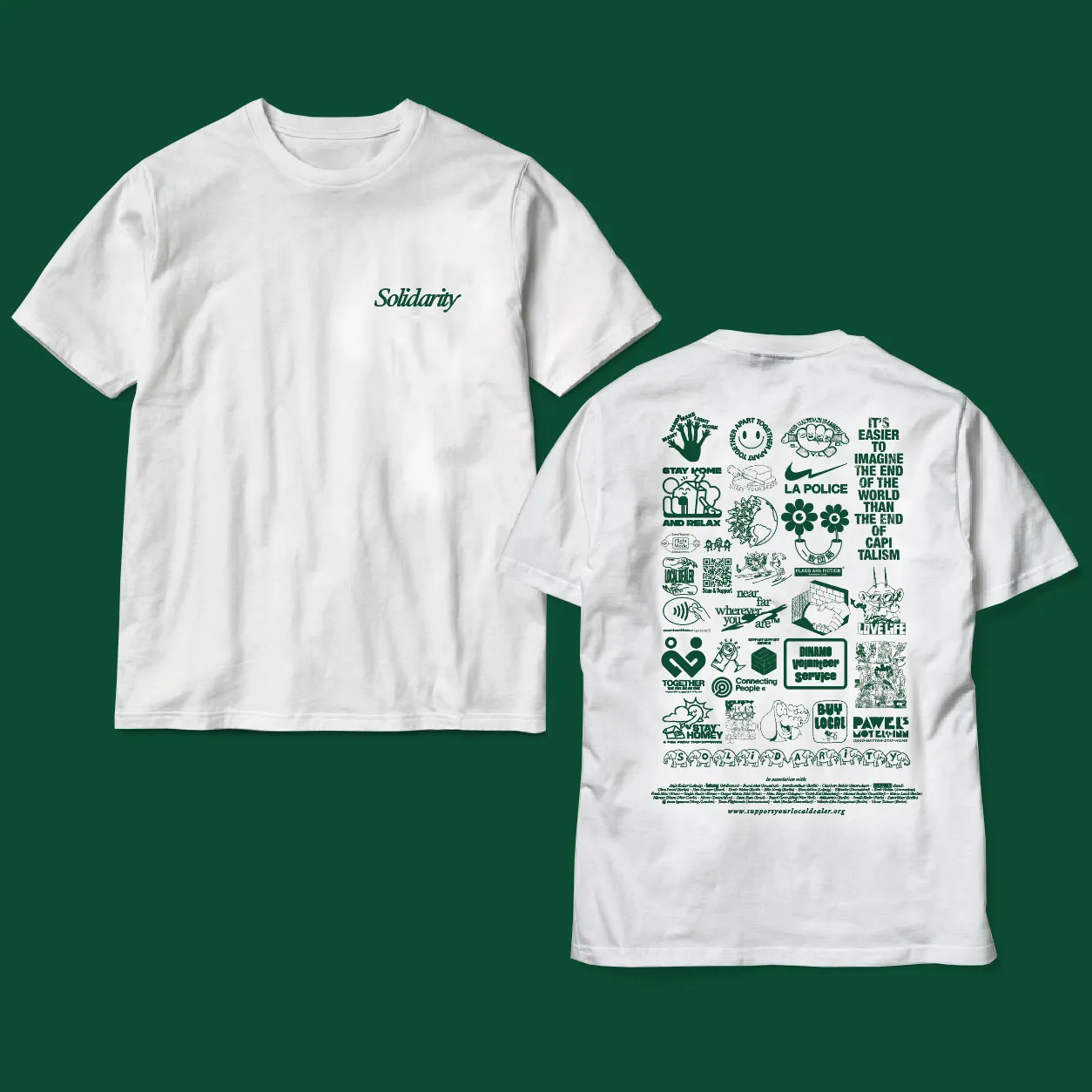
An often-missed insight is that simplicity can be powerful. Many beginners try to fill the shirt with complex images, but simple, bold designs often sell best.
Credit: www.itsnicethat.com
Popular Themes And Styles In T-shirt Design
Graphic T-shirt designers can choose from endless themes, but some styles are always in demand. Understanding these can help designers create work that connects with buyers.
Classic Themes
- Typography and slogans: Catchy phrases, jokes, or motivational words.
- Pop culture: References to movies, TV, music, or memes.
- Vintage and retro: Old-school graphics, faded colors, and nostalgic feels.
- Minimalist: Simple lines, shapes, or icons.
- Artistic illustrations: Hand-drawn or digital art, often colorful or detailed.
- Nature and animals: Flowers, landscapes, pets, and wild animals.
Design Styles
- Bold graphics: Big, high-contrast images or text.
- Distressed or grunge: Weathered, worn-out look, often used for vintage appeal.
- Geometric patterns: Repeating shapes, symmetry, or abstract forms.
- Cartoon style: Fun, playful designs with exaggerated features.
- Photo-realistic: Using real photos, often combined with digital effects.
A practical tip: Some of the most successful T-shirt brands focus on a single theme or style, building a loyal audience around it.
The Design Process: From Idea To Finished T-shirt
Creating a graphic T-shirt involves several steps. Here’s a look at the typical process:
1. Research And Inspiration
Designers look at trends, competitor shirts, and brainstorm ideas. Many keep a “mood board” with images, colors, and styles that inspire them.
2. Sketching Concepts
Quick sketches help test ideas before moving to digital work.
3. Digital Design
Using software, the designer creates the final artwork, paying attention to size, resolution, and color profiles (usually CMYK for printing).
4. Mockups
Designs are placed on T-shirt templates to see how they look in real life. This helps spot problems with placement or sizing.
5. Client Feedback
If working for a client, the designer sends mockups for review and makes changes as needed.
6. Preparing For Print
The final file is saved in the correct format (often PNG or vector PDF), with transparent backgrounds and layers separated if required by the printer.
7. Printing
The design is printed using the chosen method, and the finished shirts are checked for quality.
It’s not uncommon for beginners to skip the mockup step, but seeing the design on a shirt can reveal issues that aren’t obvious on a flat screen.
Tools And Software Used By Graphic T-shirt Designers
Designers have many tools at their disposal. Here’s a comparison of popular options:
| Software | Best For | Strengths | Weaknesses |
|---|---|---|---|
| Adobe Illustrator | Vector artwork, logos | Scalable designs, industry standard | Subscription cost, learning curve |
| Adobe Photoshop | Photo editing, raster images | Detailed effects, widely used | Not ideal for scaling, cost |
| CorelDRAW | Vector design | User-friendly for beginners | Less popular with print shops |
| Affinity Designer | Vector and raster art | One-time purchase, modern UI | Not as widespread as Adobe |
| GIMP | Free raster editing | No cost, open source | Fewer features, less support |
| Inkscape | Free vector graphics | Open source, good for simple vectors | Interface can be confusing |
Designers often use mockup generators like Placeit or Smartmockups to visualize their designs on real T-shirts. Drawing tablets like Wacom or Huion can help artists create hand-drawn styles digitally.
Printing Methods Every Designer Should Know
Not all printing techniques are the same. The method chosen affects how the design looks, feels, and lasts.
| Printing Method | Best For | Main Advantages | Main Disadvantages |
|---|---|---|---|
| Screen Printing | Large runs, bold colors | Durable, vibrant colors, cost-effective in bulk | Not ideal for complex or multi-color designs in small quantities |
| DTG (Direct-to-Garment) | Small runs, detailed images | Full color, good for photos, no setup fees | Higher cost per shirt, less durable on dark fabrics |
| Heat Transfer | Small batches, custom orders | Fast, works for complex images | Not as long-lasting, can crack/peel over time |
| Dye Sublimation | Polyester shirts, all-over prints | No feel to design, vibrant on light shirts | Only works on polyester and light colors |
| Vinyl Cutting | Simple graphics, text | Sharp edges, great for names/numbers | Limited to solid colors, not for photos |
An often-overlooked fact: Some colors look great on screen but print poorly. Always check with your printer and request samples before running a large batch.
Credit: www.vecteezy.com
How To Become A Successful Graphic T-shirt Designer
Starting as a graphic T-shirt designer can feel overwhelming, but following a practical path makes it easier.
1. Build Your Skills
Practice drawing, learn design software, and study popular T-shirt designs. Take online courses or watch tutorials to speed up your learning.
2. Create A Portfolio
A portfolio shows your best work. Include a mix of styles, mockups, and finished products. You can use sites like Behance, Dribbble, or your own website.
3. Understand Your Audience
Decide if you want to design for a specific group—like gamers, pet lovers, or sports fans. Focusing on a niche can help you stand out.
4. Learn About Printing
Work with local printers or use print-on-demand services to understand what works and what doesn’t.
5. Start Selling
Upload your designs to platforms like Redbubble, TeeSpring, or Merch by Amazon. Or, sell on your own store using Shopify or Etsy.
6. Keep Improving
Follow trends, ask for feedback, and never stop learning. The best designers are always evolving.
A key insight: Many beginners think quantity matters most, but high-quality, unique designs sell better than many average ones.
Where Graphic T-shirt Designers Work
Graphic T-shirt designers find jobs in many areas:
- Fashion brands: Design shirts for clothing companies.
- Print-on-demand services: Create designs for platforms that print and ship shirts on order.
- Custom print shops: Design shirts for events, teams, or businesses.
- Freelance: Work with clients or sell your own designs online.
- Agencies: Join marketing or creative agencies offering apparel design.
Many designers work remotely, collaborating with clients worldwide. This flexibility is a big draw for creative people who prefer working from home.
Credit: graphics-pro.com
Hiring A Graphic T-shirt Designer: What To Look For
If you’re starting a T-shirt business or need custom designs, hiring the right designer is crucial. Here’s what to consider:
Check Their Portfolio
Look for designs similar to what you want. Good portfolios show not just artwork but also mockups and printed shirts.
Communication Skills
A designer should listen well and explain their ideas clearly. Good communication prevents misunderstandings.
Understanding Of Printing
Designers should know how to prepare files for your chosen printing method. Ask if they’ve worked with printers before.
Style Match
Every designer has a unique style. Choose someone whose work matches your brand or audience.
Reliability And Reviews
Check reviews, testimonials, or ask for references. You want someone who meets deadlines and delivers quality.
One mistake many new business owners make: hiring the cheapest designer. Instead, focus on value—great design can make or break your T-shirt business.
Common Mistakes In T-shirt Design (and How To Avoid Them)
Even skilled designers can fall into common traps. Here are frequent mistakes and how to sidestep them:
1. Overcomplicating The Design
Too many details get lost when printed. Stick to bold, clear images.
2. Ignoring Print Limitations
Some effects or colors don’t print well. Always check with your printer.
3. Poor Font Choices
Fancy or thin fonts can be hard to read. Use clear, strong typefaces.
4. Wrong Placement
Designs should be centered and sized appropriately for the shirt.
5. Low-resolution Files
Blurry prints result from small images. Use high-resolution (300 DPI or vector).
6. Not Testing Colors
Colors look different on fabric than on screen. Print samples first.
7. Copying Popular Designs
Legal trouble and lack of originality can hurt your brand. Be inspired, but never copy.
A non-obvious insight: Even successful designers sometimes forget to check how a design looks on different shirt sizes. What works on a small shirt might look odd on an extra-large.
Trends In Graphic T-shirt Design
Trends in T-shirt design change often, but some patterns are clear. Knowing what’s popular helps designers and brands stay relevant.
- Eco-friendly messages: Designs about sustainability or nature.
- Hand-drawn and imperfect art: People like designs that feel personal.
- Bold, oversized prints: Large graphics that cover much of the shirt.
- Mixing digital and traditional art: Combining hand sketches with digital effects.
- Cultural and local pride: City names, local slang, or cultural icons.
A useful tip: Trends move fast. If you spot a new trend, act quickly—being first is better than being perfect.
How To Market And Sell Graphic T-shirts
Great designs won’t sell themselves. Here’s how successful designers and brands get their shirts noticed:
1. Build A Brand
Create a memorable logo, story, and consistent style.
2. Use Social Media
Share designs on Instagram, Pinterest, or TikTok. Show behind-the-scenes work to engage followers.
3. Influencer Partnerships
Send shirts to popular bloggers or YouTubers to reach new audiences.
4. Online Marketplaces
List shirts on Etsy, Amazon, or Redbubble to reach global buyers.
5. Pop-up Shops And Markets
Sell shirts in person at local events or markets. This builds brand loyalty.
6. Email Marketing
Collect emails and share new designs or special offers.
One insight many miss: Building a loyal community is more valuable than chasing one-time sales. People who love your brand will buy again and tell their friends.
For more on marketing strategies, you can check this helpful resource: Shopify Blog.
How Much Do Graphic T-shirt Designers Earn?
Earnings vary widely, depending on experience, location, and work style.
- Freelance designers often charge per design, from $25 for simple work to $500 or more for complex pieces.
- In-house designers at brands or agencies may earn a steady salary, which can be higher in big cities or for experienced designers.
- Print-on-demand sellers make money from royalties or profits, which depend on how many shirts sell.
A top designer with a strong brand or popular designs can earn a comfortable income, especially if they own their own business or sell on multiple platforms.
Portfolio Tips For T-shirt Designers
A strong portfolio is your best marketing tool. Here’s how to make yours stand out:
- Show variety: Include different themes and styles.
- Include mockups: Show your designs on real shirts, not just flat images.
- Explain your process: Brief notes about inspiration or challenges show professionalism.
- Keep it updated: Add new work regularly and remove outdated designs.
- Show results: If possible, include photos of people wearing your shirts or sales data.
A less-known tip: If you’ve worked with a printer, include feedback or testimonials—they add trust.
The Future Of Graphic T-shirt Design
Technology and fashion trends are changing how designers work. AI tools, 3D mockups, and new printing techniques are opening new doors. But at the end of the day, creativity and originality remain the key.
More brands are looking for eco-friendly materials and ethical production. Designers who understand these trends and can work with sustainable fabrics will have an edge.
Personalization is also growing. People want shirts that reflect their identity, not just mass-produced art. Learning how to offer custom designs can set you apart.
Frequently Asked Questions
What Software Do Graphic T-shirt Designers Use Most?
Most professionals use Adobe Illustrator for vector designs and Adobe Photoshop for photo editing. Some use free tools like GIMP or Inkscape. The choice depends on the style of design and personal preference.
Do I Need To Be Able To Draw To Become A Graphic T-shirt Designer?
Drawing skills help, but they aren’t required. Many successful designers use typography, shapes, or work with stock images. However, learning to draw—even basic sketches—will improve your creativity and options.
How Can I Protect My T-shirt Designs From Being Stolen?
You can copyright your original designs and use watermarks on online images. Selling through well-known platforms also helps protect your work. If you find copies, you can file a DMCA takedown request.
What Is The Best Printing Method For Detailed Designs?
DTG (Direct-to-Garment) is often best for detailed or photo-like images. It prints directly onto the shirt, so you get fine lines and color gradients. For large runs with fewer colors, screen printing is also excellent.
How Do I Find Clients As A Freelance T-shirt Designer?
Start by building a strong portfolio. Share your work on social media, join design communities, and list your services on freelance sites. Networking and word-of-mouth from happy clients can bring more opportunities.
Graphic T-shirt designers blend art, trend-awareness, and technical skills to make wearable art. Whether you want to become a designer, hire one, or simply appreciate the shirts you see every day, understanding this creative field will help you see every T-shirt in a new way.
