

Graphic Designs T Shirts: Elevate Your Wardrobe with Unique Art
Graphic Designs T Shirts: A Complete Guide To Creative Apparel
Graphic design t-shirts have become a powerful form of self-expression and a staple in modern wardrobes. People of all ages and backgrounds love wearing t-shirts with eye-catching graphics, witty slogans, or unique artwork. Whether you’re a designer, a business owner, or just someone interested in standing out, understanding graphic design for t-shirts opens up a world of creative possibilities.
What makes a graphic design t-shirt so popular? The answer is simple: they let you showcase personality, interests, or brand identity without saying a word. From streetwear brands to custom family reunion shirts, graphic tees are everywhere. However, designing or choosing the right t-shirt involves more than just slapping an image on fabric. There are choices about style, printing methods, quality, and what works best for different needs.
This guide will walk you through everything you need to know about graphic design t-shirts. You’ll discover design principles, printing techniques, style trends, practical tips for buyers and sellers, and much more. If you want to create, buy, or sell t-shirts with great graphics, keep reading—you’ll find insights and advice you won’t get elsewhere.
What Are Graphic Design T-shirts?
A graphic design t-shirt is a shirt featuring artwork, images, text, or illustrations as its central visual element. Unlike plain tees, these shirts are designed to catch attention and express something unique.
Designs can range from simple logos to complex illustrations, abstract art, pop culture references, or even custom messages. The graphic might cover just the chest area, or it could wrap around the whole shirt. Some people wear these shirts to make a statement, while others just love the visual appeal.
Graphic t-shirts are found everywhere—from big fashion labels to independent artists selling online. They’re popular for events, promotions, or personal style.
Key Elements Of Great T-shirt Graphic Design
Making a t-shirt design is not only about being artistic. There are several elements that make a shirt both attractive and wearable.
1. Simplicity
Simple designs often stand out more. Overly detailed graphics can get lost, especially when viewed from a distance. A strong, clear image or message usually has the biggest impact.
2. Color Choice
Colors influence mood and attention. Good designers choose a color palette that fits the shirt’s message and works well with the fabric color. Contrasting colors can make graphics pop, while subtle tones can feel more sophisticated.
3. Typography
If the design includes words, the choice of font is critical. The right typography makes the message readable and sets the tone—playful, bold, serious, or elegant.
4. Composition
How you arrange images and text affects how people see the shirt. Balanced layouts draw the eye to the main message. Too much clutter can confuse viewers.
5. Originality
Copying famous designs may be tempting, but original artwork always stands out. Unique ideas build a strong identity and are less likely to blend into the crowd.
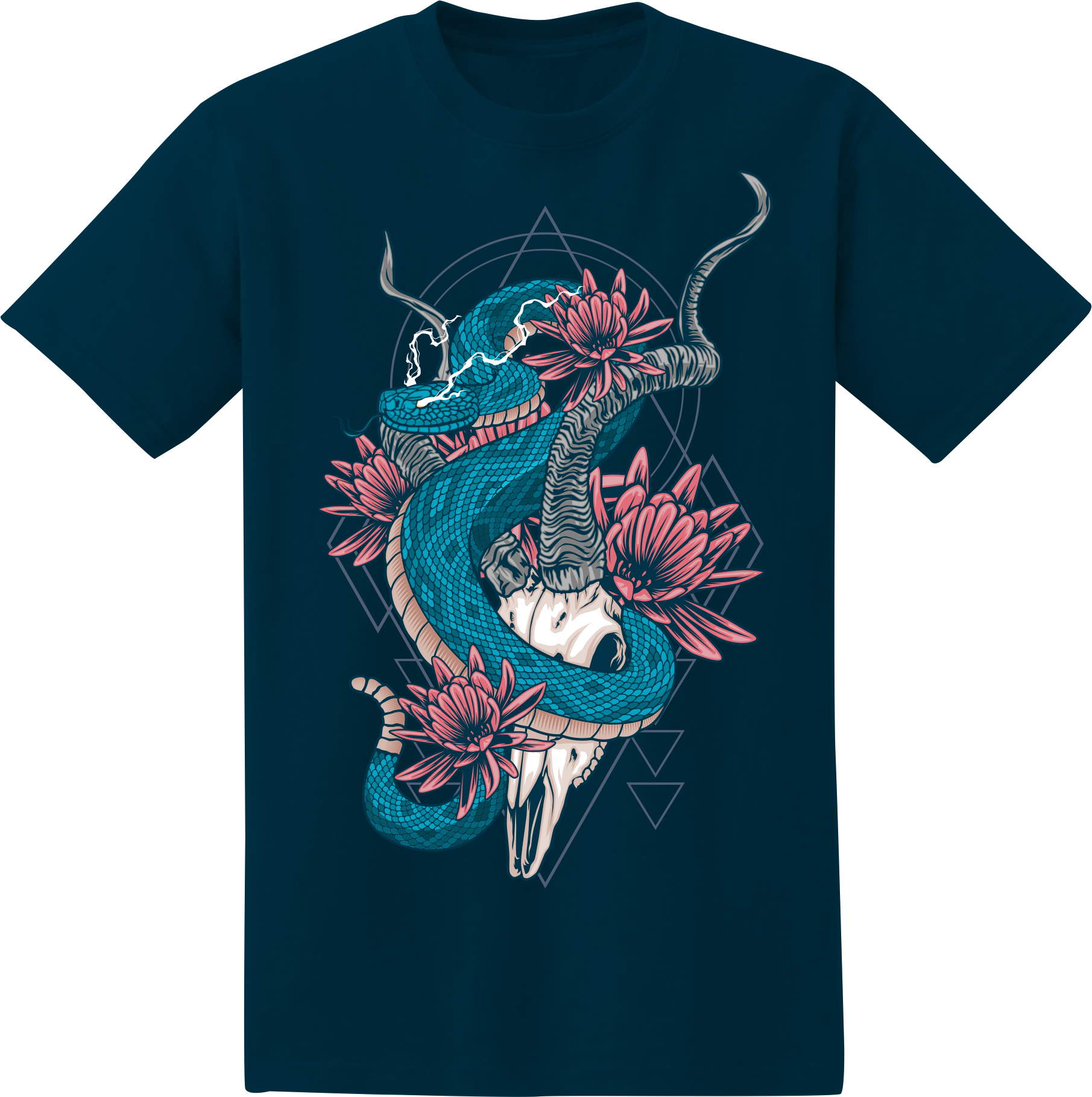
Non-obvious insight: Sometimes, small details like the placement of a logo or the angle of an image can change the whole feel of the shirt. Designers often make several mockups to test what looks best.
Credit: graphics-pro.com
Popular Types Of Graphic Designs For T-shirts
Graphic tees are not all the same. Here are some of the most popular types you’ll find:
- Logo Tees: Feature a brand or group logo, often for sports teams, companies, or events.
- Slogan Tees: Use catchy phrases, jokes, or motivational quotes.
- Art Tees: Display original illustrations, paintings, or digital art.
- Photo Tees: Show off photographs—portraits, landscapes, or retro images.
- Patterned Tees: Repeat a small graphic or pattern across the shirt.
- Band/Music Tees: Highlight music artists or tour artwork.
- Pop Culture Tees: Reference movies, TV shows, games, or memes.
- Custom Event Tees: Made for reunions, fundraisers, or local events.
- Minimalist Tees: Use simple lines or shapes for a modern look.
- Political/Social Message Tees: Make a statement on social or political issues.
Each type of graphic tee serves a different purpose. For example, band tees help fans connect, while custom event shirts create a sense of unity.
T-shirt Printing Methods Explained
How a graphic appears on a shirt depends on the printing technique. Here are the most common methods, with their pros and cons:
| Printing Method | Best For | Strengths | Weaknesses |
|---|---|---|---|
| Screen Printing | Bulk orders, simple designs | Durable, vibrant colors, cost-effective for large batches | High setup cost, less efficient for complex/multi-color designs |
| Direct-to-Garment (DTG) | Small runs, detailed images | Great for full-color, photo-quality prints, no setup cost | Less durable, higher cost per shirt in bulk |
| Heat Transfer | Custom or one-off shirts | Flexible, easy for small quantities | Print may fade or crack after washing |
| Dye Sublimation | All-over designs, polyester shirts | Soft feel, bright colors, no peeling | Limited to light-colored, synthetic fabrics |
| Vinyl Cutting | Simple shapes, numbers, letters | Sharp details, good for sports jerseys | Not suitable for complex images |
Practical tip: For personal or small business use, DTG and heat transfer are popular because you don’t need to order hundreds of shirts. However, for large events or stores, screen printing is often cheaper and more durable.
How To Create A Graphic Design For T-shirts
Designing a t-shirt can sound easy, but there are important steps for the best results.
1. Know Your Audience
Before you start, think about who will wear the shirt. Is it for teenagers, professionals, fans of a certain band, or a family event? Design choices should match your target group.
2. Choose The Right Canvas
Not all t-shirts are the same. Consider:
- Fabric type: Cotton, polyester, blends
- Fit: Regular, slim, oversized
- Color: White for bright designs, black for bold graphics, or any color that fits your theme
3. Pick The Software
Most designers use tools like Adobe Illustrator, Photoshop, or free options like GIMP. Vector graphics are best because they scale without losing quality.
4. Set The Print Area
Decide if your graphic will be on the chest, back, sleeve, or cover the whole shirt. Most print shops give a maximum area (for example, 12x16 inches).
5. Design With Printing In Mind
Use colors that show up well on your chosen fabric. Avoid very fine details unless you’re using DTG or similar methods. Keep your design clean and bold.
6. Test Your Design
Mock up the graphic on a digital t-shirt template. This helps you see if the colors and layout work well together.
7. Get Feedback
Show your design to friends or potential buyers. Sometimes, small changes make a big difference.
8. Prepare Files For Printing
Follow the printer’s guidelines—usually high-resolution PNG or vector PDF with a transparent background.
Non-obvious insight: Even great designs can look bad if the resolution is too low. Always use at least 300 DPI for sharp prints.
Common Mistakes In T-shirt Graphic Design
Many beginners make the same errors when designing shirts. Here’s what to watch out for:
- Too Much Detail: Fine lines and tiny text often disappear after printing.
- Ignoring Fabric Color: Light graphics on a light shirt (or dark on dark) won’t show up well.
- Low-Resolution Images: Blurry prints look unprofessional.
- Crowded Layouts: Too many elements can confuse the viewer.
- Bad Typography: Hard-to-read fonts or poor spacing make text less effective.
- Not Testing the Design: Skipping mockups or test prints leads to surprises.
- Clashing Colors: Colors that don’t fit together can hurt the look of the shirt.
Pro tip: Always order a sample before making a big batch. What looks good on screen may not work on fabric.
Trends In Graphic T-shirt Design
Fashion and design trends change quickly. Here are some popular styles you’ll see in graphic t-shirts:
- Retro/Vintage: Nostalgic graphics, faded colors, and old-school fonts.
- Minimalism: Clean lines, small logos, or a single word.
- Bold Typography: Large, eye-catching text as the main feature.
- Anime & Pop Culture: Graphics from comics, cartoons, and viral memes.
- Hand-Drawn Art: Sketches and imperfect lines for a personal touch.
- All-Over Prints: Designs that cover the entire shirt, not just the chest.
- Sustainable Themes: Graphics that promote eco-friendliness or social causes.
Designers often mix these trends to create something unique. For example, a minimalist shirt with a retro color palette.
Where To Buy Graphic Design T-shirts
You can find graphic tees in many places. Here’s a breakdown:
| Source | Variety | Price Range | Customization |
|---|---|---|---|
| Retail Stores | Popular brands, limited editions | Medium to high | No |
| Online Marketplaces | Huge selection, indie brands | Low to high | Sometimes |
| Print-on-Demand Websites | Endless variety, custom designs | Low to medium | Yes |
| Local Print Shops | Custom orders, small batches | Medium | Yes |
| Designer Boutiques | Unique, limited designs | High | No |
Non-obvious insight: Print-on-demand lets anyone sell their own designs with no inventory. However, these shirts may cost more per piece than bulk orders.
How To Sell Your Own Graphic T-shirt Designs
If you’re a designer or entrepreneur, selling t-shirts is a great way to share your art and make money. Here’s a step-by-step approach:
1. Pick Your Platform
You can sell through your own website or use platforms like Etsy, Redbubble, TeeSpring, or Amazon Merch. Each has its own fees and features.
2. Set Up Your Store
Create product listings with high-quality images and clear descriptions. Mention the shirt’s material, fit, print type, and care instructions.
3. Price Your Shirts
Consider all costs—printing, shipping, platform fees, and your profit margin. Look at what similar shirts sell for to stay competitive.
4. Promote Your Designs
Use social media, influencer partnerships, or paid ads to reach more buyers. Good product photos help a lot.
5. Handle Orders And Customer Service
If you use print-on-demand, the platform manages printing and shipping. For your own store, you’ll need to coordinate these steps.
6. Collect Feedback And Improve
Ask customers for reviews and listen to suggestions. Update your designs or add new ones based on what people want.
Non-obvious insight: Building a small, loyal audience is often better than chasing big numbers. Niche designs for specific interests can sell well with less competition.
Choosing The Best T-shirt For Your Design
Not every t-shirt is a good canvas. Here’s what to consider when picking shirts for your designs:
1. Fabric Quality
- 100% Cotton: Soft, breathable, great for most prints
- Polyester: Durable, good for bright colors and dye sublimation
- Blends: Combine the best of both
Thicker shirts last longer but may feel less soft. Lightweight shirts are more comfortable in warm weather.
2. Fit And Style
- Regular fit: Most common, suits all body types
- Slim fit: Closer to the body, trendier look
- Oversized: Streetwear style, relaxed feel
Also consider features like neck style (crew, v-neck), sleeve length, and shirt length.
3. Color Options
Choose colors that make your design stand out. Neutral colors like black, white, or gray are most versatile, but bold colors can make a statement.
4. Brand Reputation
Well-known t-shirt brands like Gildan, Bella+Canvas, or American Apparel are popular for their quality and fit.
Practical tip: Always order samples from new suppliers. This helps you check the feel, fit, and print quality before selling or gifting shirts.
Credit: www.vecteezy.com
Caring For Graphic Design T-shirts
To keep your shirts looking great, follow these care instructions:
- Wash inside out: This protects the print from friction.
- Use cold water: Hot water can fade colors and damage prints.
- Avoid bleach and harsh detergents: These can weaken both fabric and graphics.
- Hang dry or tumble dry low: High heat can crack or peel designs.
- Don’t iron directly on the print: Place a cloth between the iron and the graphic.
Non-obvious insight: Even high-quality prints will wear out if washed and dried harshly. Proper care can double the life of a graphic tee.
When To Choose Custom Vs. Ready-made Graphic T-shirts
Sometimes you want a unique shirt; other times, a store-bought option is enough. Here’s how to decide:
- Custom shirts are best for events, branding, gifts, or when you want something one-of-a-kind. They cost more per piece but let you control every detail.
- Ready-made graphic tees are convenient, usually cheaper, and offer a huge selection. Great for personal style or gifts.
Practical example: A company might order custom shirts for staff at a trade show, while a music fan might buy a band tee from a store.
The Role Of Graphic Tees In Fashion And Culture
Graphic design t-shirts have shaped modern fashion. They’re not just clothes—they’re conversation starters, protest signs, or symbols of belonging.
- Streetwear: Graphic tees are key pieces in streetwear, often paired with sneakers and hoodies.
- Music and Art: Bands and artists use t-shirts to build fan communities.
- Activism: Tees with powerful messages can raise awareness for social causes.
- Business: Startups and brands use custom shirts for marketing and team spirit.
Graphic t-shirts let people share their passions without saying a word. They’re often the most-worn item in a closet because of their comfort and versatility.
How To Spot Quality In Graphic T-shirts
Not all graphic tees are created equal. Here’s how to judge quality:
- Feel the fabric: High-quality shirts are soft but sturdy.
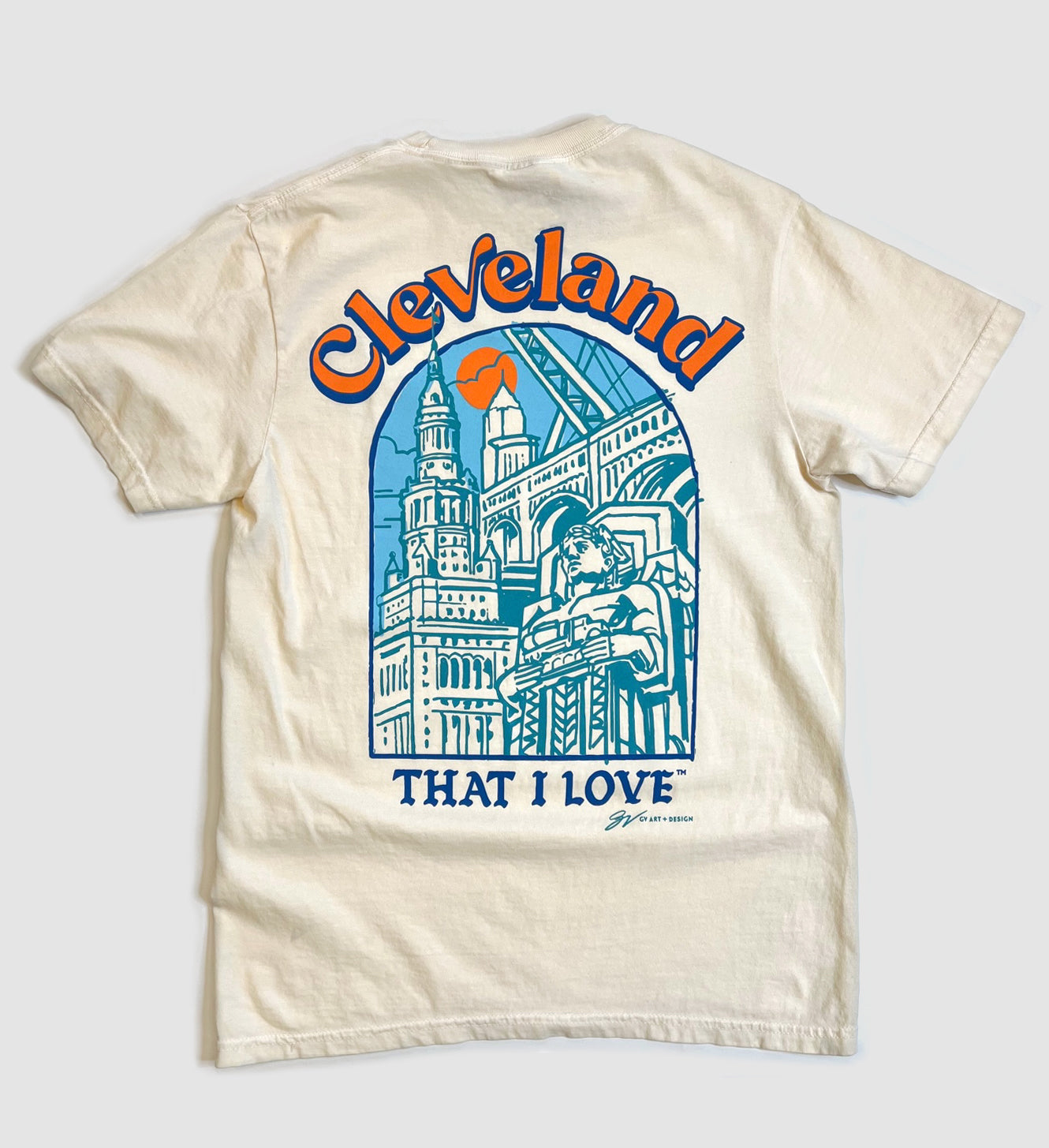
- Check the print: Edges should be sharp, colors vibrant, and no cracking or peeling.
- Look at the stitching: Even, tight seams mean better durability.
- Read the label: Details like fabric blend, care instructions, and country of origin can tell you a lot.
- Try it on: A good fit is comfortable in the shoulders, chest, and length.
Non-obvious insight: Some shirts look great at first but shrink or fade quickly after washing. If possible, check reviews or ask about pre-shrunk fabric.
Credit: gvartwork.com
Sustainability And Ethical Choices In Graphic T-shirts
More people care about where and how their clothes are made. Here’s what to look for:
- Organic cotton: Uses less water and fewer chemicals.
- Fair trade: Ensures workers get fair wages and safe conditions.
- Eco-friendly inks: Water-based inks are better for the environment than plastisol inks.
- Local printing: Reduces shipping emissions.
Brands often share details about their production process. Supporting ethical brands helps the planet and the people who make your clothes.
For more on sustainable fashion, see this Fashion Revolution guide.
Creative Ideas For Using Graphic T-shirts
Graphic tees aren’t just for wearing. They can be gifts, decor, or even art projects.
- Gifts: Custom shirts for birthdays, weddings, or team events.
- Uniforms: Great for clubs, sports teams, or staff.
- Fundraisers: Sell unique designs to support a cause.
- Art displays: Frame your favorite graphic tee as wall art.
- Upcycling: Turn old shirts into pillows, bags, or quilts.
The only limit is your creativity. Graphic t-shirts are a canvas for ideas—whether you wear them or use them in new ways.
Frequently Asked Questions
What Is The Difference Between Screen Printing And Direct-to-garment Printing?
Screen printing uses stencils to apply ink in layers, making it durable and cost-effective for large orders. Direct-to-garment (DTG) prints the image directly onto the shirt, allowing for detailed, full-color designs. DTG is better for small batches and complex graphics, while screen printing is ideal for simple designs and bulk.
Can I Create A Graphic T-shirt Design Without Professional Software?
Yes, there are free tools like Canva, GIMP, and online t-shirt design platforms. While professional software like Adobe Illustrator offers more control, beginners can create great designs with simpler tools. Just make sure to export your design in high resolution.
How Do I Choose The Right Size For A Graphic T-shirt?
Check the brand’s size chart, as sizing can vary. Measure your chest and compare with the chart. If you prefer a looser or tighter fit, pick accordingly. When ordering online, read reviews about fit and fabric stretch.
Are Graphic T-shirts Suitable For All Ages?
Absolutely. Graphic tees are made for kids, teens, adults, and seniors. The key is choosing designs that fit the wearer’s interests and style. There are playful, serious, trendy, and classic options for everyone.
How Long Do Graphic T-shirt Prints Last?
It depends on the print method, fabric, and care. Screen prints can last years if washed gently, while heat transfers may fade sooner. To extend life, wash shirts inside out in cold water and avoid high heat drying.
Graphic design t-shirts are more than just clothing—they’re a way to share your story, show your style, and connect with others. Whether you’re designing, buying, or selling, the right knowledge helps you make the best choice. Explore, experiment, and wear your art with pride.
