

Graphic Design T Shirts: Top Trends and Creative Ideas
Graphic Design T Shirts: Everything You Need To Know
Graphic design t shirts are everywhere. From busy city streets to school campuses, these shirts are more than just clothing. They are walking art, personal statements, and business tools. If you want to understand how graphic design t shirts work, how to create or sell them, or just want to know why they matter, this guide has you covered.
What Are Graphic Design T Shirts?
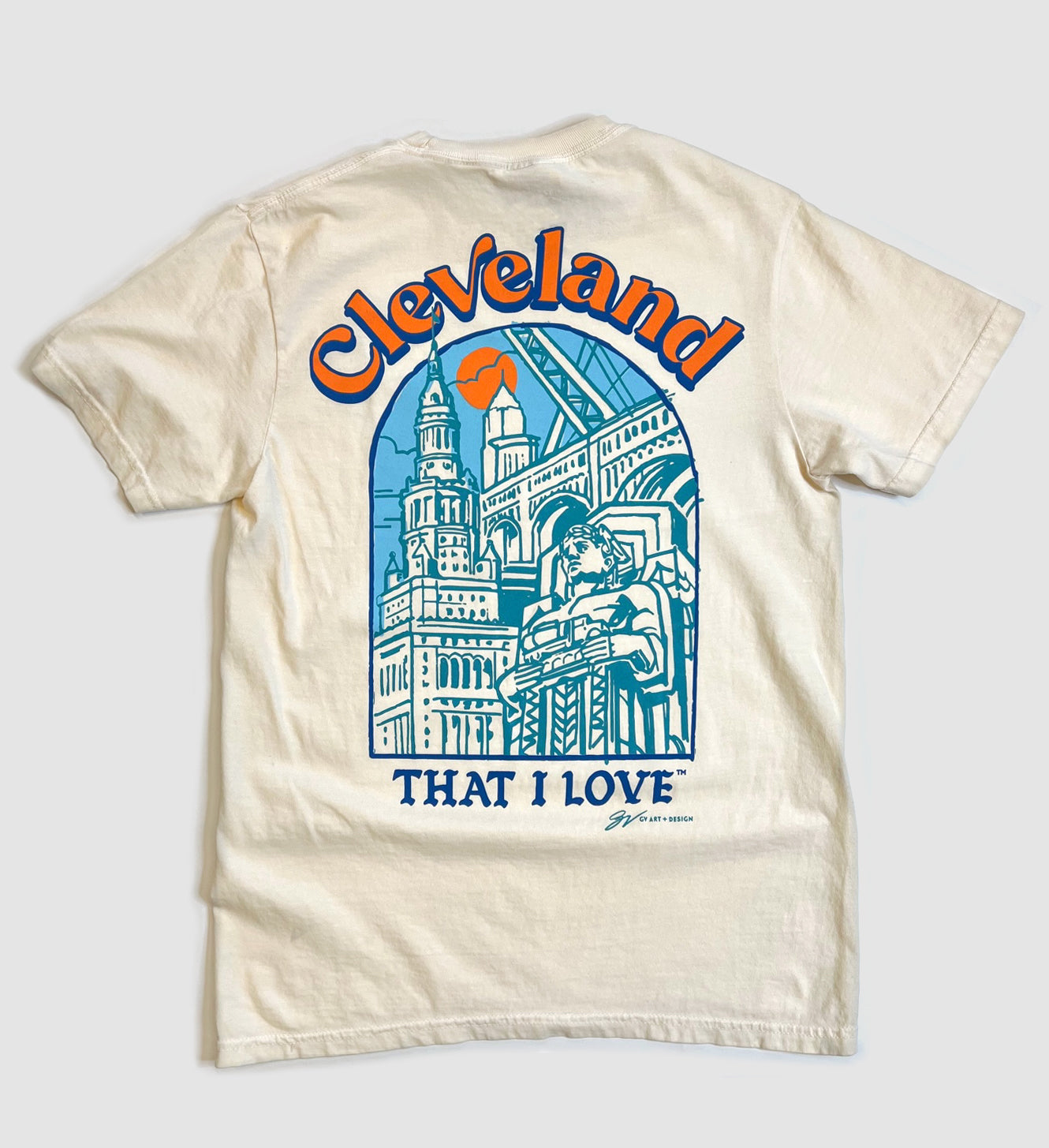
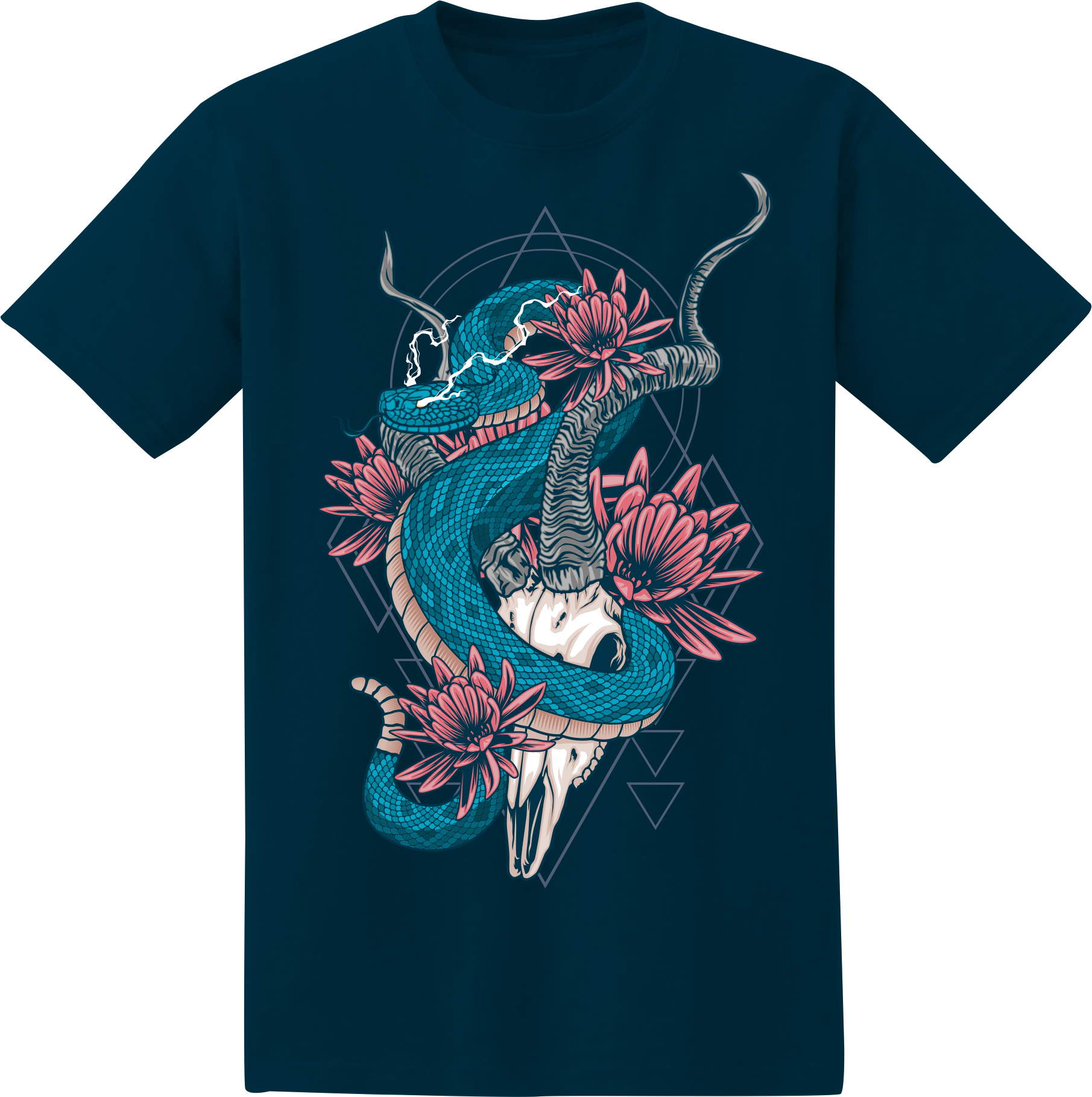
A graphic design t shirt is a shirt with images, illustrations, or text that has been created by a designer. These shirts can feature bold artwork, clever slogans, logos, or even hand-drawn sketches. Unlike plain t shirts, they grab attention and often express something about the person wearing them.
Graphic design shirts can be:
- Simple, with just a small logo or phrase
- Complex, with full-color artwork covering the front or back
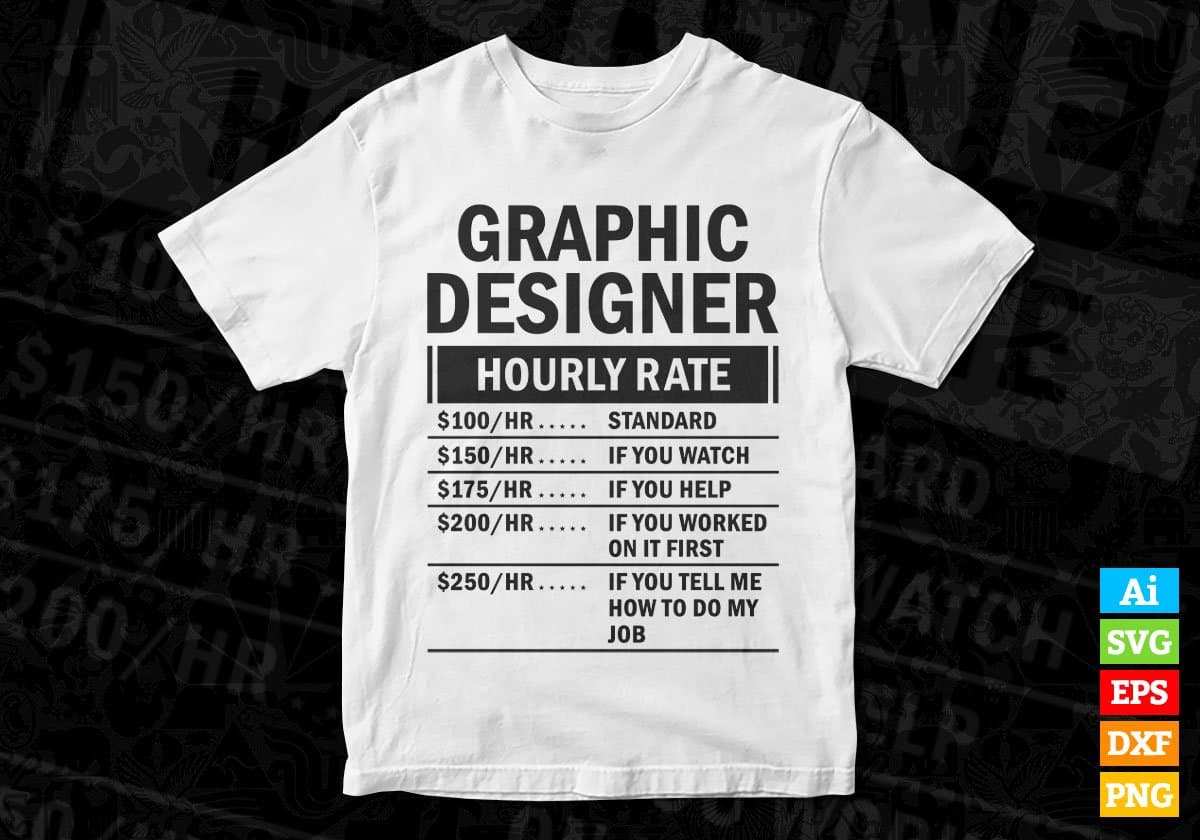
- Funny, with jokes or memes
- Artistic, showing off creative or abstract designs
What makes them special is the combination of fabric and art. This mix turns a basic piece of clothing into a unique message.
Why Graphic Design T Shirts Are So Popular
There are several reasons why these shirts are everywhere you look:
- Self-expression: People want to show their personality and interests. A t shirt with a unique design says a lot about who you are.
- Trends: Pop culture, movies, and music influence t shirt designs. When a new trend starts, you often see it on shirts first.
- Easy to make: With modern tools and printing, almost anyone can design and sell their own t shirts.
- Affordable: Graphic tees are not expensive, so more people can buy and wear them.
- Business potential: Many brands and artists use t shirts to promote themselves or earn money.
Many people miss the fact that graphic tees can also be limited edition. Some designs are printed only once, making them rare and more valuable over time.
The Main Types Of Graphic Design T Shirts
Different styles and printing methods create a wide range of graphic t shirts. Here are the most popular types:
1. Screen Printed T Shirts
Screen printing uses a mesh screen and ink to press designs onto fabric. It’s great for bold, vibrant colors and is cost-effective for large orders. Most classic band t shirts use screen printing.
2. Direct-to-garment (dtg) Printed T Shirts
DTG uses a special printer to spray ink directly onto the shirt. This method is perfect for detailed, full-color images or small batch prints.
3. Heat Transfer T Shirts
Heat transfer involves printing a design onto special paper, then pressing it onto the shirt with heat. It's popular for one-off prints, custom jobs, or small runs.
4. Embroidered T Shirts
Instead of ink, embroidery uses thread to create textured designs. While not “graphic” in the traditional sense, many t shirts combine embroidery with printed graphics for a premium look.
5. All-over Print T Shirts
These shirts are printed from seam to seam, covering the entire fabric with art. They stand out thanks to their full-coverage designs.
6. Vintage And Distressed Graphic Tees
These shirts look aged, with faded prints or worn areas. They mimic the look of old band or brand tees and are highly fashionable.
7. Minimalist Design T Shirts
Minimalist shirts use simple graphics or small logos. They appeal to people who want something subtle and stylish.
8. Custom Design T Shirts
You can order or create a shirt with your own artwork, photo, or message. This is popular for events, teams, or gifts.
How Graphic Design T Shirts Are Made
The journey from idea to finished t shirt involves several steps. Understanding the process helps you see why some shirts look or feel different from others.
Step 1: Design Creation
A designer creates the artwork, often using tools like Adobe Illustrator or Photoshop. The design must fit the shirt’s shape and size, and often needs to use special color formats for printing.
Step 2: Choosing A Printing Method
The choice between screen printing, DTG, or other methods depends on:
- The design’s complexity
- Number of colors
- Quantity needed
- Budget
For example, screen printing is great for large orders with few colors, but DTG is better for complex, colorful images in small batches.
Step 3: Preparing The Shirt
Blank shirts are chosen based on material (like 100% cotton or blends), fit, and color. Some brands use organic cotton or recycled materials for eco-friendly options.
Step 4: Printing Or Embroidering
The chosen method is used to apply the design. This could mean pressing ink through a screen, running the shirt through a printer, or stitching the design with thread.
Step 5: Finishing And Quality Control
After printing, shirts are dried, checked for errors, and packed. Some get extra touches like custom tags or packaging.
Data Table: Comparison Of Common Printing Methods
Here’s a quick look at how the main t shirt printing methods compare:
| Printing Method | Best For | Pros | Cons |
|---|---|---|---|
| Screen Printing | Large batches, simple designs | Durable, vibrant colors, cost-effective in bulk | Not good for small runs or detailed images |
| DTG Printing | Small runs, complex images | Full color, detailed, no minimum order | Less durable, higher cost per shirt |
| Heat Transfer | One-offs, custom jobs | Low setup cost, flexible | Less soft feel, may crack over time |
| Embroidery | Logos, premium shirts | Textured, long-lasting | Limited detail, higher price |
Key Elements Of A Great Graphic Design T Shirt
Not every shirt with a print is a winner. What makes a graphic t shirt stand out?
1. Strong Concept
Great shirts start with a clear idea. Is it funny, bold, or inspiring? The concept should connect with the target audience.
2. Memorable Artwork
The design must be eye-catching and easy to understand. Too much detail can make the shirt look messy. Simplicity often works best.
3. Good Typography
If the shirt uses text, it should be easy to read and fit the style. The font choice is important — script fonts for elegance, bold fonts for attention, playful fonts for humor.
4. Color Harmony
Colors must work well together and stand out on the shirt fabric. Designers often use Pantone colors for accuracy.
5. Placement
Where the design sits on the shirt matters. Center chest, left chest, back, or even the sleeve — the right placement can make a big difference.
6. Quality Material
Soft, durable fabric makes the shirt comfortable to wear. High-quality shirts hold prints better and last longer.
7. Print Quality
Even the best design fails if the print cracks, peels, or fades. A professional print job is essential.
How To Design Your Own Graphic T Shirt
Making your own shirt can be fun and rewarding. Here’s a step-by-step guide:
1. Find Inspiration
Look at popular shirts, design websites, or art platforms like Behance or Dribbble. Notice what styles and themes are trending.
2. Sketch Your Idea
Use paper and pencil or a digital tool to map out your idea. Focus on shape, layout, and message.
3. Choose Colors
Pick 2-4 main colors. Too many can make the design busy and expensive to print. Make sure the colors work on the shirt color you choose.
4. Create The Digital Design
Use a program like Adobe Illustrator, Procreate, or free tools like Canva. Export your design in a high-resolution format, usually PNG or vector.
5. Mock Up Your Shirt
Place your design on a t shirt template to see how it will look. This helps spot problems with size or placement.
6. Prepare For Printing
Check print requirements. Printers often need files in a certain size, color format (CMYK), and with a transparent background.
7. Choose A Printer
Find a local shop or an online service. Compare prices, reviews, and print quality. Many services offer samples before you buy a large batch.
8. Order And Review
Order a test shirt. Wear it, wash it, and check the print. Make changes if needed before printing more.
Credit: gvartwork.com
Selling Graphic Design T Shirts: What You Need To Know
Graphic tees are a huge business. Many people earn money by selling their designs online or in stores. Here’s how to get started:
Find Your Niche
Don’t try to sell to everyone. Focus on a group with shared interests, like gamers, pet lovers, or fans of a music genre. The more specific, the better.
Build Your Brand
Create a brand name and logo. Your brand should reflect the style and message of your shirts.
Choose A Selling Platform
There are three main options:
- Print-on-demand sites (like Redbubble, Teespring, or Merch by Amazon)
- Your own website (using Shopify, WooCommerce, etc.)
- Local shops or markets
Print-on-demand is easiest for beginners. The platform handles printing, shipping, and customer service.
Price Your Shirts
Check what similar shirts cost. Most graphic tees sell for $15–$30. Remember to cover printing, shipping, and marketing costs.
Promote Your Designs
Use social media, influencer marketing, or online ads. Good photos and mockups help sell more shirts.
Handle Copyright And Trademarks
Don’t copy famous logos or copyrighted images. Design your own artwork or use images that are free for commercial use.
Data Table: Comparison Of Popular Selling Platforms
Here’s a side-by-side look at different ways to sell your shirts:
| Platform | Ease of Use | Startup Cost | Control | Profit Margin |
|---|---|---|---|---|
| Print-on-Demand | Very easy | None | Low | Low-Medium |
| Own Website | Moderate | Medium | High | High |
| Local Shop/Market | Varies | High | High | Medium-High |
Common Mistakes In Graphic T Shirt Design
Even experienced designers make errors. Here are mistakes to avoid:
- Too much detail: Small lines or tiny text often get lost when printed.
- Wrong color choices: Colors that look good on screen may not print well on fabric.
- Poor placement: A design too low or off-center looks awkward.
- Ignoring print method: Some designs can’t be reproduced by all print methods.
- Low-quality files: Blurry or pixelated images ruin the final shirt.
- Ignoring the audience: Designing for yourself, not your buyers, can hurt sales.
A non-obvious mistake is forgetting about the shirt color. Some colors work better with certain designs, and a poor match makes even the best art look dull.
Trends In Graphic Design T Shirts
Trends change often, but some styles keep coming back. Here are a few you’ll see often:
Minimalist Graphics
Simple lines, small logos, and basic shapes. These designs are easy to wear and match any outfit.
Retro And Vintage
Old-school fonts, faded prints, and throwback logos. People love shirts that look like they came from another decade.
Pop Culture References
Movies, TV shows, memes, and viral internet trends. These shirts connect with fans and often become conversation starters.
Hand-drawn Art
Unique, personal, and imperfect. Hand-drawn illustrations set a shirt apart from mass-produced items.
Environmental And Social Messages
Designs that support causes or share positive messages are popular with younger buyers.
All-over Prints
Full-coverage designs with bold patterns or artwork. These shirts stand out in a crowd.
A trend many miss is the mix of print and embroidery. Some brands use both on one shirt for extra depth and interest.
How To Choose The Right Graphic T Shirt
With so many options, picking the best shirt can feel overwhelming. Here’s what to look for:
1. Fit And Size
Make sure the shirt fits your body shape and personal style. Some brands offer slim, regular, or oversized fits.
2. Fabric Quality
Look for soft, breathable materials. 100% cotton is common, but blends can be more comfortable or durable.
3. Print Quality
Check if the print is smooth, vibrant, and well-attached. Bad prints crack or peel after a few washes.
4. Design Appeal
Pick a design that matches your personality or the message you want to share.
5. Brand Ethics
Some buyers care about eco-friendly fabrics or ethical production. Many brands now share details about their materials and factories.
Data Table: Comparing Shirt Fabrics
Different fabrics feel and wear differently. Here’s a comparison:
| Fabric Type | Feel | Durability | Best For |
|---|---|---|---|
| 100% Cotton | Soft, breathable | Good | Everyday wear |
| Polyester Blend | Smooth, stretchy | Very good | Sports, active use |
| Organic Cotton | Soft, eco-friendly | Good | Eco-conscious buyers |
| Tri-blend | Very soft, light | Medium | Premium shirts |
Tips For Making Your Graphic Tees Last Longer
Even high-quality shirts need care to look their best. Here’s how to keep them fresh:
- Wash inside out: This protects the print from rubbing or fading.
- Use cold water: Hot water can make prints crack or shrink the shirt.
- Air dry: Heat from dryers can damage prints. Air drying is safer.
- Avoid harsh detergents: Gentle soaps help both fabric and prints last longer.
- Don’t iron directly on print: If you need to iron, use a cloth over the design.
A tip many people overlook: store your shirts flat instead of hanging them. Hanging can stretch the fabric, especially with heavy prints.
The Business Side: Costs, Profits, And Scaling Up
If you’re serious about selling graphic design t shirts, understanding costs and profits is vital.
Startup Costs
You need to pay for:
- Design tools or artists
- Printing samples
- Setting up a website or store
- Marketing
Print-on-demand keeps these costs low since you don’t need to buy shirts in advance.
Profit Margins
Profit depends on your costs and selling price. With print-on-demand, you might earn $5–$10 per shirt. Making your own shirts and selling directly can raise profits to $10–$20 per shirt.
Scaling Up
Once you have popular designs, you can:
- Offer more styles (hoodies, tanks, hats)
- Sell in bulk to stores or groups
- Collaborate with artists or influencers
A non-obvious insight is that limited edition drops (small runs of special designs) can create excitement and higher demand.
Credit: graphics-pro.com
Where To Find Inspiration And Learn More
If you want to get better at designing or selling t shirts, there are many resources online. Design platforms like Behance or Pinterest are great for ideas. To learn about printing and business, check out Printful Blog.
Frequently Asked Questions
What Is The Best Printing Method For Graphic T Shirts?
The best method depends on your needs. Screen printing is great for big batches and simple designs. DTG printing is better for detailed, colorful designs and small runs. Heat transfer works for custom or one-off shirts. Each method has pros and cons, so consider your design, budget, and quantity.
Can I Use Any Image For My T Shirt Design?
No, you must own the rights to the image or use images that are free for commercial use. Avoid using copyrighted characters, logos, or photos without permission. Many sites offer royalty-free artwork you can legally use.
How Can I Make Sure My Shirt Design Will Look Good When Printed?
Always use high-resolution files, choose colors that work well on your shirt fabric, and check the print area size. Making a sample shirt before a big order is a smart move. Pay attention to small details and test different placements.
What Are The Most Popular T Shirt Styles For Graphic Designs?
The most popular styles are crew neck, v-neck, and long sleeve t shirts. Oversized and cropped fits are also trendy. For prints, minimalist, vintage, and pop culture designs are always in demand.
How Can I Promote My Graphic T Shirt Brand?
Use social media platforms, create eye-catching mockups, work with influencers, and join online communities related to your niche. A well-designed website and good customer reviews also help build trust and attract buyers.
Graphic design t shirts are more than just clothes. They are art, identity, and business all in one. Whether you want to wear your creativity, start a new venture, or just stay on trend, understanding how these shirts work puts you ahead.
With the right approach, you can turn a simple idea into something people love to wear every day.
Credit: www.woolyyarn.com
