

Graphic Design T-Shirts: Elevate Your Style With Unique Prints
Graphic Design T-Shirts: The Complete Guide to Art You Can Wear
T-shirts are everywhere. They are comfortable, easy to wear, and part of almost every wardrobe. But when you add graphic design to a T-shirt, it becomes more than just clothing. It turns into a message, a piece of art, or even a way to express yourself. Graphic design T-shirts have changed the way people dress, tell stories, and share their identity with the world. Whether you love bold prints or simple logos, understanding this unique mix of art and fashion can help you choose, create, or even sell T-shirts that stand out.
This guide will take you deep into the world of graphic design T-shirts. You’ll learn about what makes a great T-shirt design, how designers work, and why some shirts become iconic. You will also see how technology and trends shape this exciting niche, and get practical advice if you want to create your own.
No matter if you’re a fan, a designer, or a business owner, you’ll find helpful insights here to help you enjoy and succeed in the world of wearable art.
What Are Graphic Design T-shirts?
A graphic design T-shirt is a shirt that features a printed or embroidered design. These designs can be anything: drawings, photos, patterns, text, or a mix. The goal is to create a shirt that looks unique and tells a story.
Some people wear these shirts to show their love for a band, a TV show, or a favorite place. Others use them to make a statement about what they believe. Brands and artists use graphic tees to share their style or ideas with the world.
Some shirts are funny, some are bold, and some are simple but stylish.
There are many ways to print designs on T-shirts. The main methods are:
- Screen printing: Ink is pushed through a mesh screen onto the shirt.
- Direct-to-garment (DTG): A special printer puts ink directly on the fabric.
- Heat transfer: Designs are printed on paper, then pressed onto the shirt with heat.
- Embroidery: Designs are stitched with thread, often for logos or simple graphics.
Each method has its pros and cons. Some are better for big orders, others for small or custom runs. The type of printing can change how the colors look and how long the design lasts.
Why Graphic T-shirts Are So Popular
Graphic design T-shirts are not just clothes—they are a way to connect with others and share something about yourself. Here’s why they are everywhere:
- Self-expression: You can show your personality, beliefs, or sense of humor.
- Affordability: T-shirts are usually cheaper than other types of art or fashion.
- Comfort: They are easy to wear for almost any occasion.
- Trends and pop culture: Graphic tees can show what’s popular right now.
- Collectability: Many people collect limited edition shirts from events, brands, or artists.
A simple T-shirt can become a piece of history. For example, the iconic “I ♥ NY” shirt is recognized all over the world. Band tour shirts, sports team shirts, or shirts from famous brands all have stories and memories behind them.
Key Elements Of Great T-shirt Graphic Design
Creating a graphic T-shirt that people want to wear is not easy. Good design is more than just adding a picture or logo. Here are the main things that make a T-shirt design successful:
1. Strong Concept
Every great T-shirt starts with an idea. The concept should be clear and easy to understand. If you want to make people laugh, the joke should be obvious. If it’s about a cause, the message should stand out. Simplicity often works better than trying to say too much at once.
2. Eye-catching Visuals
The design must grab attention. Use bold colors, interesting shapes, or unique illustrations. But it should also look good from a distance. Many famous T-shirt designs are instantly recognizable even from far away.
3. Good Typography
Words matter in T-shirt design. The font you use can set the mood—playful, serious, or modern. Make sure the text is easy to read and matches the theme of the shirt.
4. Right Placement
Where the design sits on the shirt can change everything. The most common spot is the chest, but you can also print on the back, sleeves, or even across the whole shirt. Creative placement can make a simple design more interesting.
5. Quality Materials
A beautiful design won’t matter if the shirt feels cheap or the print fades quickly. Use high-quality shirts and inks so the design lasts after many washes.
6. Color Harmony
Too many colors can look messy. Choose a color palette that fits your idea and the shirt color. Some designs use only black and white but still look amazing.
7. Audience Focus
Think about who will wear the shirt. A shirt for skateboarders will look different from one for a tech conference. Designing for your audience increases the chance your shirt will be loved and worn.
8. Originality
Copying other designs is a big mistake. Original art stands out and builds a loyal fan base. It also avoids legal problems with copyrights and trademarks.
Types Of Graphic Design T-shirts
Not all graphic tees are the same. Here are some popular types you’ll see in stores and online:
Band And Music Shirts
Bands and musicians often sell shirts with album art, tour dates, or logos. These are popular collectibles and help fans show support.
Brand And Logo Tees
Many companies use T-shirts to show their brand. Simple logo tees from brands like Nike or Adidas are always in style.
Statement And Slogan Shirts
These shirts use words—funny, political, or motivational messages. They are great for starting conversations.
Artistic And Illustration Tees
Artists use T-shirts as a canvas for their drawings or paintings. These shirts can be limited edition and often cost more.
Pop Culture Shirts
TV shows, movies, anime, and video games inspire many graphic tees. These are favorites among fans who want to show what they love.
Minimalist Design Tees
Simple shapes, small logos, or single-color prints make these shirts easy to pair with anything. Minimalism is a trend that never goes out of style.
All-over Print Tees
The design covers the entire shirt, not just the front or back. These shirts stand out and are often made with special printing methods.
Custom And Personalized Tees
People love shirts with their own names, photos, or inside jokes. Custom tees are popular for gifts, events, or team uniforms.
The Creative Process: How Graphic T-shirts Are Made
Designing a graphic T-shirt is a journey. Here’s a step-by-step look at how artists and brands create these wearable artworks:
1. Research And Inspiration
Designers start by looking at trends, colors, and what’s selling. They might check social media, fashion sites, or art blogs. Inspiration can come from anywhere—a city, a memory, even a joke.
2. Sketching Ideas
Most designers sketch their ideas on paper or a tablet. They try different layouts, images, and words. This stage is all about exploring.
3. Digital Design
Once the concept is ready, it’s time to use design software like Adobe Illustrator or Photoshop. Designers create high-quality files that printers can use.
4. Choosing Colors And Placement
Not all colors print well on fabric. Designers test colors and decide where the design should go on the shirt. Sometimes, a small change can make a big difference.
5. Creating Mockups
A mockup is a digital image showing what the shirt will look like in real life. This helps spot problems before printing.
6. Printing
After final approval, the design goes to print. Depending on the method, the process can take minutes (for digital printing) or days (for large screen-printing runs).
7. Quality Check
Designers and printers check the final shirts for mistakes, color problems, or print errors. Only the best shirts make it to the store.
Printing Methods: Which One Is Best?
Choosing the right printing method is important. Each method affects the look, feel, and cost of the shirt. Here’s a comparison of the most common techniques:
| Method | Best For | Pros | Cons |
|---|---|---|---|
| Screen Printing | Large orders, simple designs | Durable, vibrant colors, cost-effective for bulk | High setup cost, not ideal for photos |
| Direct-to-Garment (DTG) | Small runs, detailed images | Great for photos, unlimited colors, quick setup | Less durable, works best on cotton |
| Heat Transfer | Custom orders, short runs | Good detail, can print on demand | May crack/peel over time, not as soft |
| Embroidery | Logos, text | Very durable, high-end look | Limited detail, more expensive |
Most major brands use screen printing for its quality and price. Small businesses or artists often pick DTG because it’s easier to print one shirt at a time.
How To Choose The Right Graphic Design T-shirt
Picking the right T-shirt can feel overwhelming with so many options. Here are some tips to help you choose:
Fit And Fabric
The most important thing is comfort. Look for 100% cotton if you want a soft feel, or blends (like cotton/polyester) for durability. Try different fits—regular, slim, or oversized—to see what looks best on you.
Design And Message
Pick a design that matches your style or says something about you. If you want to stand out, go for bold graphics. For everyday wear, minimalist or small-logo designs work well.
Quality Of Print
Check if the print feels soft or stiff. Good prints last longer and won’t crack after a few washes. If you’re buying online, read reviews and look for close-up photos.
Brand Reputation
Some brands are known for quality. Others focus more on fast fashion and trends. Choose a brand you trust, especially if you want the shirt to last.
Price
Graphic tees range from cheap to expensive. Higher prices often mean better fabric and printing, but you can find good deals if you shop around.
Size Chart
Always check the size chart before buying online. Sizes can vary between brands. If unsure, measure your favorite T-shirt and compare.
Creating Your Own Graphic Design T-shirts
Making your own graphic tees can be fun and even profitable. Here’s how to start:
1. Learn Basic Design Skills
You don’t need to be a master artist, but knowing how to use design software helps. There are many free tutorials online for tools like Canva, Illustrator, or GIMP.
2. Find Your Style
Look at shirts you love and figure out what makes them special. Is it the colors, the humor, or the art? Find your unique voice.
3. Create Mockups
Use free mockup tools to see how your design looks on a shirt. This helps you spot problems and makes your designs look professional.
4. Test Print
Print one shirt first to check the quality. Some local print shops offer single prints, or you can use online print-on-demand services.
5. Get Feedback
Show your design to friends, family, or online groups. Honest feedback will help you improve.
6. Sell Online
Start with platforms like Etsy, Redbubble, or your own website. They handle printing, shipping, and payments, so you can focus on creating.
7. Avoid Legal Issues
Never use copyrighted images or logos unless you have permission. Create original designs or use royalty-free art.
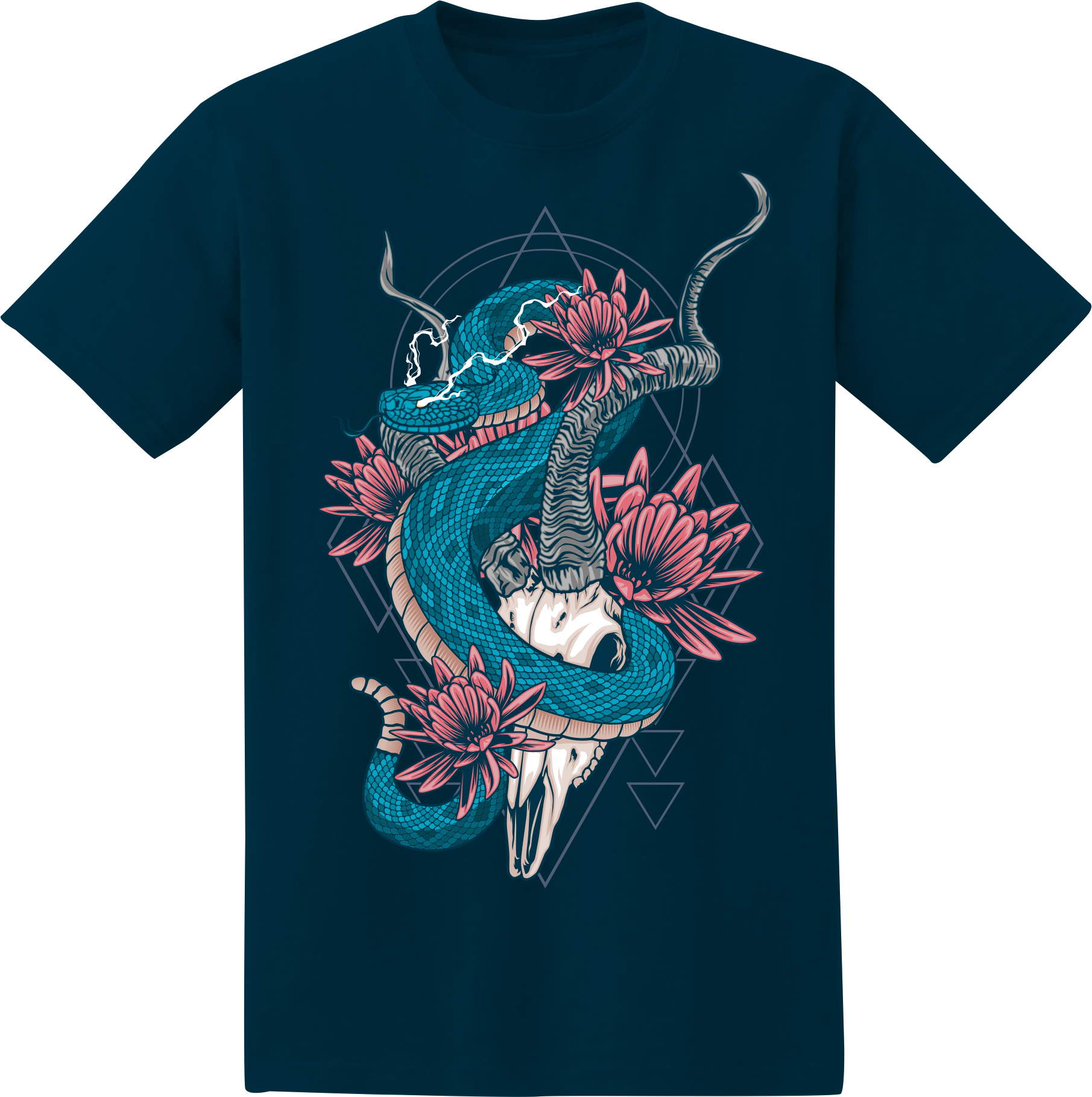
Practical Tip: Many Beginners Forget To Check How Their Design Looks On Different Shirt Colors. Always Test Your Design On Both Light And Dark Shirts—some Colors May Disappear Or Clash.
Credit: graphics-pro.com
The Business Side: Selling Graphic Tees
The graphic T-shirt market is huge. Anyone can start a brand, but standing out is hard. Here’s what you need to know if you want to turn your designs into a business:
Research Your Niche
Don’t try to sell to everyone. Pick a niche—like gamers, pet lovers, or local sports fans. Small, passionate groups are more likely to buy.
Build A Brand
A strong brand has a clear look and message. Pick colors, fonts, and a logo that people remember. Consistent branding builds trust.
Find The Right Printer
Compare local print shops, online print-on-demand, or bulk printers. Each has different prices, quality, and order minimums.
Set Prices Carefully
Factor in printing, shipping, and platform fees. Leave room for profit but don’t price yourself out of the market.
Promote Smartly
Use social media, influencer marketing, or giveaways to get noticed. Create a website or use online shops to make buying easy.
Customer Service Matters
Answer questions quickly and fix problems fast. Good service brings repeat buyers.
Non-obvious Insight: Many New Sellers Focus Only On The Front Design. But Inside Tags, Sleeves, And Even Packaging Can Be Branded. Small Touches Make Your Shirts Feel Special And More Valuable.
Trends In Graphic Design T-shirts
T-shirt design changes all the time. Staying ahead of trends can help you make or buy shirts that feel fresh. Here are some current and lasting trends:
- Retro and vintage: Old-school graphics, faded prints, and retro logos are popular with all ages.
- Eco-friendly materials: Organic cotton and recycled fabrics are rising in demand.
- Hand-drawn and imperfect: Designs that look hand-sketched feel more personal and unique.
- Pop culture mashups: Mixing two different shows, movies, or styles in one design.
- Typographic art: Creative use of letters, shapes, and words—sometimes with no images at all.
- Oversized graphics: Big prints that cover most of the shirt front or back.
- Subtle branding: Tiny logos or hidden messages for a minimalist look.
- Interactive designs: QR codes, glow-in-the-dark prints, or augmented reality features.
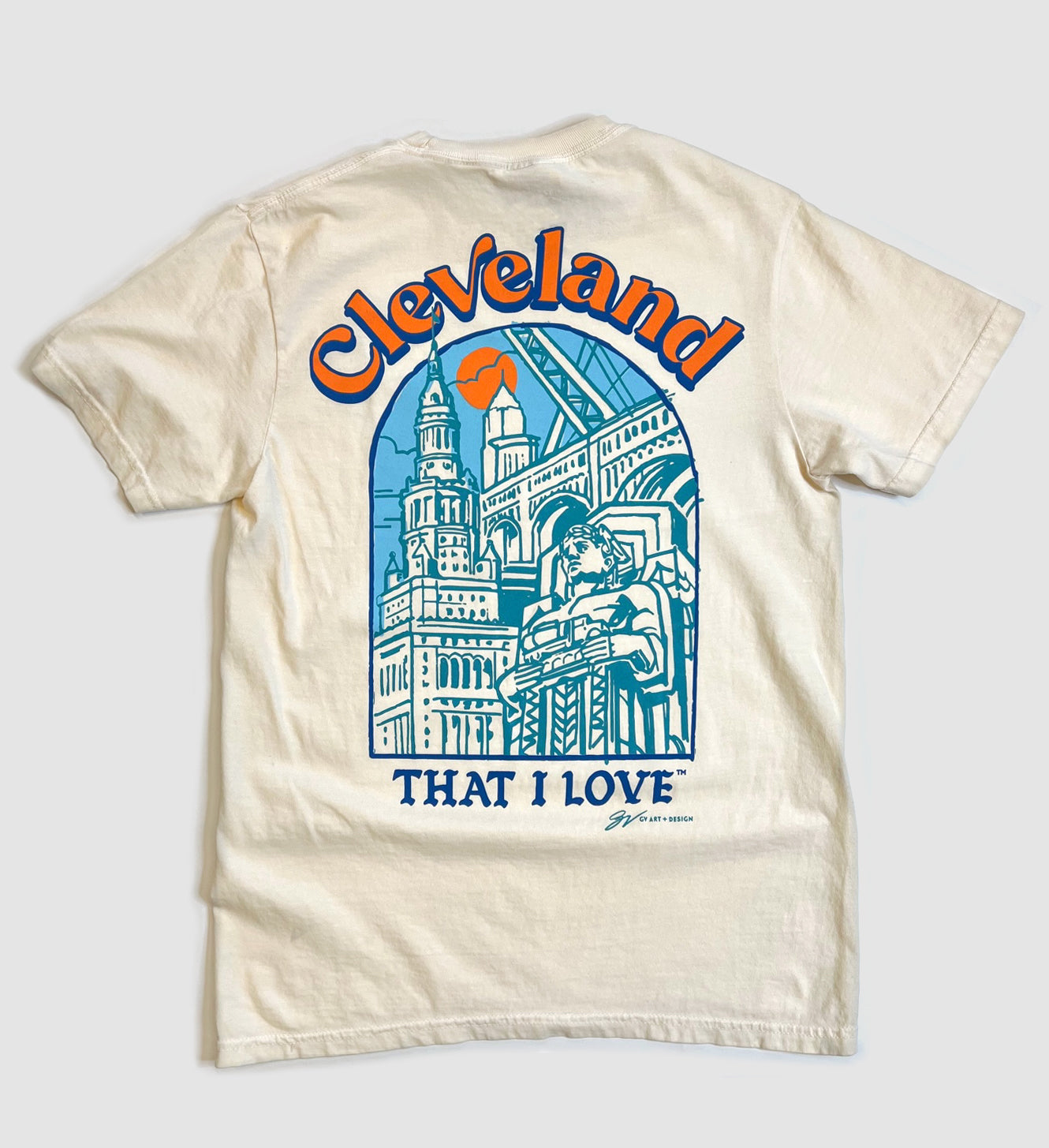
Trends move fast, but classic designs—like black and white prints or simple logos—never go out of style. If you want your shirts to last, focus on timeless styles with a twist.
Credit: gvartwork.com
Comparing Top Graphic T-shirt Brands
To help you understand what makes a brand successful, here’s a comparison of some well-known graphic T-shirt brands:
| Brand | Main Style | Price Range | Quality | Unique Feature |
|---|---|---|---|---|
| Uniqlo | Minimalist, pop culture | Low-Mid | High | Frequent artist collaborations |
| Supreme | Bold logos, streetwear | High | Very High | Limited editions, high resale |
| Threadless | Artist-driven, creative | Mid | High | Community-voted designs |
| Obey | Political, graphic art | Mid-High | High | Activist themes |
| Hanes | Basic, affordable | Low | Medium | Trusted basics |
Each brand has a different focus. Some are known for art, others for basic comfort or limited drops. When choosing a brand, think about what matters most: price, quality, or unique designs.
Common Mistakes In T-shirt Design
Even experienced designers can make mistakes. Here are a few to avoid:
- Too much detail: Fine lines and small text often disappear after printing.
- Ignoring shirt color: Some colors look great on white but get lost on black or red.
- Bad placement: Designs too high, low, or off-center look awkward.
- Overcrowding: Trying to fit too many images or words makes the shirt hard to read.
- Ignoring audience: A design for teenagers may not work for professionals.
- Low-resolution images: Blurry prints look unprofessional.
- Using copyrighted images: This can lead to legal trouble and lost sales.
Many beginners also forget about print size limits. Printers can only print so big—always check the maximum print area for your chosen method.
Caring For Graphic T-shirts
To keep your graphic tees looking good, follow these simple care tips:
- Wash inside out: This protects the print from rubbing against other clothes.
- Cold water: Hot water can fade colors and damage prints.
- Gentle cycle: Avoid rough washing or drying.
- Air dry: Heat from dryers can crack or peel some prints.
- Avoid bleach: It can ruin both fabric and design.
Good care keeps your favorite shirts looking fresh for longer. Some prints, especially screen-printed ones, get softer and better with age.
Sustainability In Graphic T-shirt Design
More brands and buyers care about the environmental impact of fashion. Here’s how graphic T-shirts are changing:
- Eco-friendly fabrics: Organic cotton uses less water and fewer chemicals.
- Water-based inks: These are less harmful than plastic-based inks.
- Local production: Printing shirts closer to buyers saves shipping and lowers carbon footprint.
- Recycled materials: Old shirts or plastic bottles can become new shirts.
Some brands now tell you exactly how their shirts are made. If you want to help the planet, look for shirts labeled as organic, fair trade, or recycled.
The Psychology Of Wearing Graphic Tees
Wearing a graphic T-shirt is more than just about style. Studies show that people use clothing to send messages and connect. For example, a shirt with a favorite band or cause can start a conversation or help someone find friends with the same interests.
Colors and images also affect mood. Bright, bold graphics can make you feel more confident. Subtle designs can help you blend in or feel more relaxed. Some people even collect T-shirts as memories from events or travels, making them more than just everyday clothes.
How Technology Is Changing T-shirt Design
The rise of new technology is opening exciting doors for graphic T-shirts:
- Print-on-demand: Anyone can open a store and sell shirts without keeping inventory.
- Augmented reality (AR): Some shirts work with apps to show hidden images or videos.
- 3D design tools: Designers can see exactly how a shirt will look before printing.
- Social media: Artists share designs, get feedback, and find fans faster than ever.
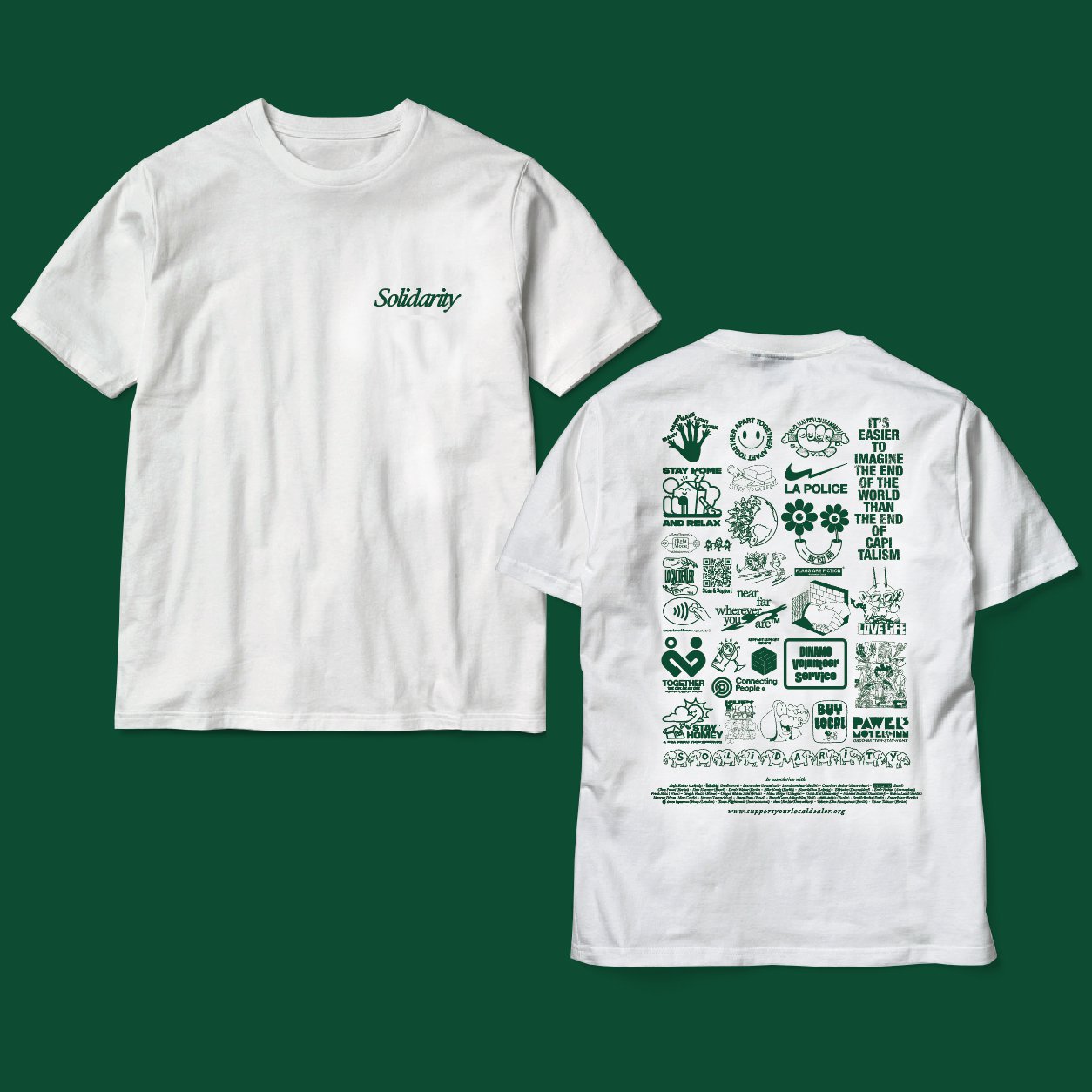
This technology means more unique designs, faster trends, and better ways for artists to earn money.
Credit: www.woolyyarn.com
Non-obvious Insights For Beginners
- Test different shirt brands and fits before launching your own line. The same design can look and feel very different on various shirts. Order samples and wear them yourself to spot issues with fit, comfort, or print quality.
- Don’t ignore packaging. A simple, branded package or a thank-you card can make buyers remember your brand and come back for more.
Frequently Asked Questions
What Is The Best Material For Graphic Design T-shirts?
The best material depends on your needs. 100% cotton is soft, comfortable, and works well with most printing methods. Cotton blends (like cotton/polyester) can be more durable and resist shrinking. For eco-friendly options, look for organic cotton or recycled polyester.
How Long Do Graphic T-shirt Prints Last?
With good care, screen-printed designs can last for years without fading or cracking. Heat transfer prints may show wear after repeated washes. Always wash shirts inside out with cold water and avoid high heat to extend their life.
Can I Make My Own Graphic T-shirts At Home?
Yes! You can use iron-on transfers, fabric paint, or even small home screen-printing kits. For more professional results, try online print-on-demand services. They let you upload your design and print single shirts without big costs.
What’s The Difference Between Screen Printing And Dtg?
Screen printing uses stencils and is best for bold, simple designs in large quantities. Direct-to-garment (DTG) uses a printer to create detailed images and is great for small runs or photos. Each has different costs, quality, and best uses. For more detail, check out this Wikipedia guide.
Are Graphic Design T-shirts A Good Business Idea?
Yes, but the market is competitive. Success comes from finding a unique niche, creating original designs, and offering good quality. Start small, learn from feedback, and focus on building a brand people remember.
Graphic design T-shirts blend art, fashion, and self-expression in a way no other clothing can. Whether you wear them, design them, or sell them, there’s always something new to discover in this creative world.
