

Graphic Design T Shirts: Elevate Your Style with Unique Prints
Graphic Design T Shirts: The Complete Guide To Creative Apparel
Graphic design t shirts are more than just clothing. They are a way to show your personality, make a statement, or even promote a brand. Today, these shirts are everywhere—from city streets to online shops. People choose them for style, comfort, and self-expression.
But what makes a graphic design t shirt stand out? How do you create, choose, or sell them successfully? This guide will answer all your questions and give you the confidence to dive into the world of creative t shirt design.
What Are Graphic Design T Shirts?
A graphic design t shirt is a shirt featuring visual artwork. This could be anything from simple text to complex illustrations, photography, or even digital art. The design is usually printed on the fabric, but sometimes it can be embroidered or attached with patches.
These shirts are popular with all age groups. They can show support for a cause, display a funny message, share art, or just look cool. Some people even collect unique graphic tees as a hobby.
The History And Evolution Of Graphic T Shirts
Graphic t shirts have an interesting past. Originally, plain t shirts were used as undergarments. Over time, companies realized they could use the front of the shirt as a canvas. The first graphic tees were used for branding, like company logos or sports teams.
As printing technology improved, artists started to create bold, colorful designs. Music bands, movie studios, and artists all began using t shirts as a way to connect with fans. Later, streetwear brands and independent designers joined the movement.
Today, almost anyone can make a graphic t shirt thanks to digital tools and print-on-demand services. This has opened the door for creative people everywhere.
Why Graphic Design T Shirts Are So Popular
There are several reasons why graphic tees have become so loved:
- Self-expression: People can show their interests, beliefs, or sense of humor.
- Accessibility: Easy to design, buy, and wear. No special skills needed.
- Affordability: Most graphic t shirts are not expensive, making them available to many.
- Trendy: Designs change fast, so there’s always something new.
- Versatility: Can be worn in casual settings or dressed up with jackets and accessories.
Non-obvious insight: Many small brands use graphic t shirts as their first product because it requires less investment and is easy to market on social media.
The Elements Of Great T Shirt Graphic Design
Creating an eye-catching t shirt is more than just putting a picture on fabric. Good design involves several key elements:
Visual Impact
A t shirt design must grab attention quickly. People see t shirts from a distance, so bold colors, clear shapes, and strong contrasts often work best.
Simplicity
Too much detail can get lost, especially after washing. Simple, easy-to-understand graphics usually have a stronger effect.
Typography
Words on shirts are very common. The font style and placement matter a lot. Readable, interesting fonts make messages clear and attractive.
Color Choice
The color of the design and the shirt must work well together. It’s important to consider color psychology. For example, red is bold, blue is calm, and black is strong.
Placement
Designs can be big or small and placed anywhere—front, back, sleeve, or even near the hem. Placement changes the feel of the shirt.
Originality
Unique ideas stand out. Avoid copying other designers. Try to create something that reflects your own style or story.
Balance
A good design feels balanced. Elements should not be too crowded or too spread out.
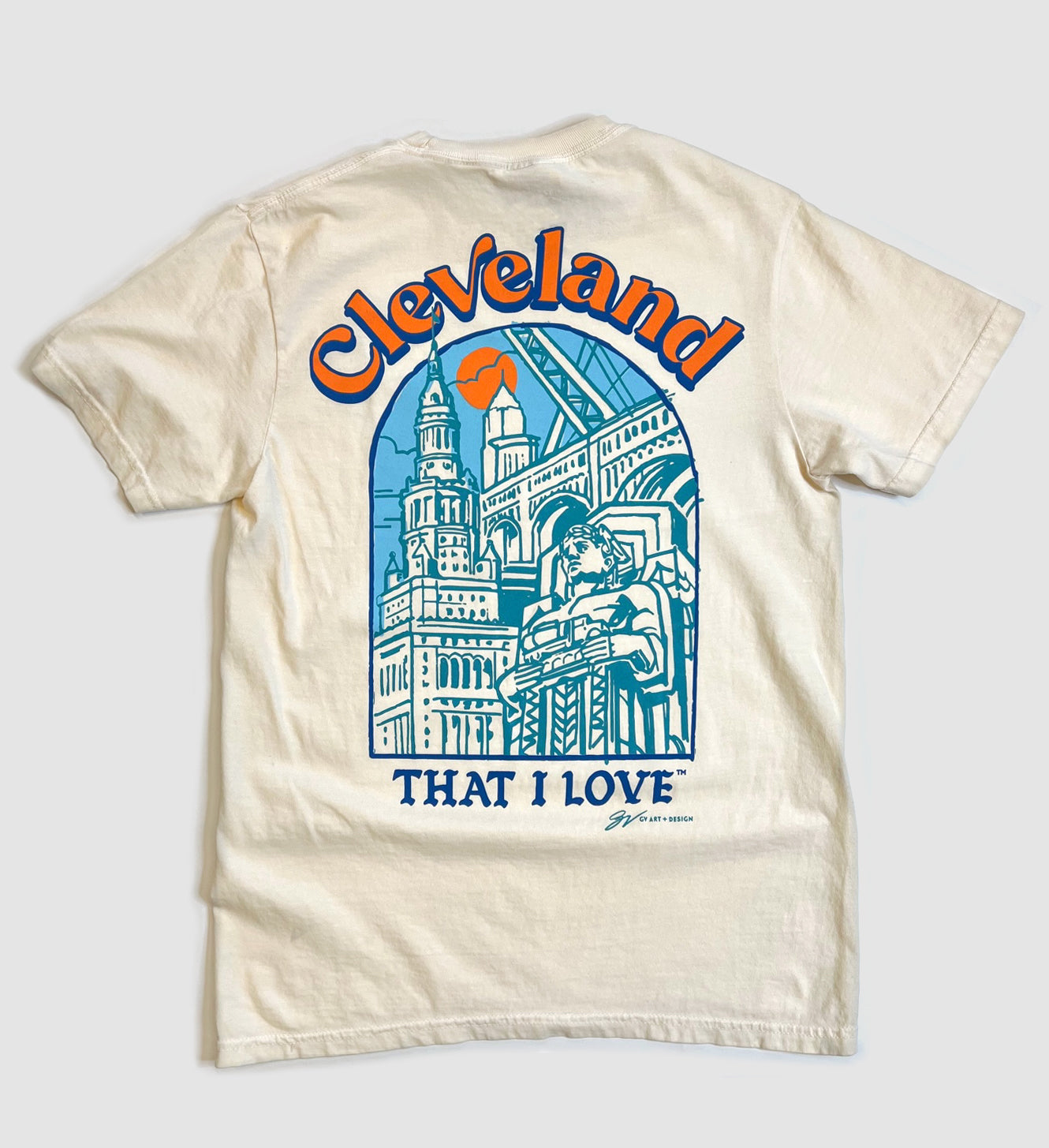
Credit: gvartwork.com
Popular Types Of Graphic Design T Shirts
There are many styles of graphic t shirts. Here are some of the most common and popular types:
- Logo Tees: Feature company, sports team, or event logos.
- Text Tees: Use words or slogans—funny, motivational, or ironic.
- Illustration Tees: Show hand-drawn or digital art, often with characters or scenes.
- Photo Tees: Use photographs—sometimes famous images or personal photos.
- Abstract Tees: Non-representational shapes, lines, and colors.
- Band/Music Tees: Show band names, album art, or concert tours.
- Political/Social Tees: Share a cause, message, or protest.
- Pop Culture Tees: Reference movies, TV shows, comics, and memes.
- Artistic Tees: Feature well-known artworks or artists’ creations.
- Custom Tees: Made for special occasions, teams, or groups.
Non-obvious insight: Niche designs for small, dedicated groups (like rare hobbies or inside jokes) often sell better than general trends.
How To Design A Graphic T Shirt
If you want to make your own t shirt, follow these steps for a successful result:
1. Define Your Purpose
Ask yourself: Is the shirt for personal use, a gift, or for sale? Knowing this will help guide your style and message.
2. Choose Your Style
Pick the type of shirt and the overall mood you want. Do you want bold and funny, or simple and elegant?
3. Sketch Ideas
Start on paper or use a digital drawing app. Don’t worry about perfection—just get your ideas out.
4. Refine Your Design
Select the best concept and improve it. Focus on clarity, size, and color.
5. Pick Colors
Limit your color palette. Too many colors can make printing expensive and the design look messy.
6. Prepare For Printing
Use a high-resolution image (usually 300 DPI or more). Save it in a format like PNG with a transparent background.
7. Choose Placement
Decide where on the shirt your design should go. Most people use the chest, but other spots can be creative.
8. Test Your Design
Print a sample or use a mockup tool online. This helps you see how the design looks on a real shirt.
9. Get Feedback
Ask friends or your target audience for honest opinions. Sometimes others see things you might miss.
10. Finalize And Print
Make any last changes, then send your design to the printer.
Common beginner mistake: Ignoring how colors look on different shirt colors. Always check your design on several backgrounds.
Printing Methods For Graphic T Shirts
Not all printing is the same. Here are the most common ways to print t shirts:
Screen Printing
This classic method uses stencils and ink. It’s great for large batches because the cost per shirt goes down with quantity. Colors are vibrant and last a long time. However, screen printing is less cost-effective for small runs.
Direct-to-garment (dtg)
DTG uses a special printer, almost like printing on paper. It’s perfect for small orders and full-color designs. The print feels soft, but it may fade faster than screen printing.
Heat Transfer
This uses a heat press to attach a printed design onto the shirt. It’s good for quick, simple projects, but the design can crack or peel with heavy use.
Dye Sublimation
Works best on polyester fabric. The ink turns into gas and bonds with the fibers, creating a smooth and long-lasting image. It doesn’t work well on cotton.
Embroidery
Instead of printing, embroidery uses thread to sew the design onto the shirt. It’s durable and adds texture, but it’s best for small logos or simple art.
Comparing Printing Methods
Here’s a look at how the main methods compare:
| Method | Best For | Durability | Setup Cost | Color Range | Feel |
|---|---|---|---|---|---|
| Screen Printing | Large orders, few colors | High | Medium | Limited | Soft |
| DTG | Small orders, many colors | Medium | Low | Unlimited | Very soft |
| Heat Transfer | Quick, simple jobs | Low | Low | Many | Plastic-like |
| Dye Sublimation | Polyester, all-over prints | High | Low | Many | Very soft |
| Embroidery | Logos, small art | Very high | High | Limited | Textured |
Non-obvious insight: Some designs look great on a computer but are too complex for screen printing. Always match your design to the right printing method.
Choosing The Right Fabric For Graphic T Shirts
The type of fabric affects how the shirt feels, how the design appears, and how long it lasts. Here are the main options:
Cotton
Cotton is soft, breathable, and comfortable. It works well with most printing methods. However, pure cotton can shrink and wrinkle easily.
Polyester
Polyester is durable, resists shrinking, and dries quickly. It’s best for dye sublimation. Some people find it less comfortable than cotton.
Cotton-poly Blend
This fabric mixes cotton and polyester. It combines the comfort of cotton with the strength of polyester. It holds prints well and is less likely to shrink.
Tri-blend
Tri-blend shirts mix cotton, polyester, and rayon. They are super soft and drape nicely, but can be more expensive.
Fabric Comparison For T Shirts
Let’s see how common fabrics compare:
| Fabric | Comfort | Durability | Print Quality | Price | Shrinkage |
|---|---|---|---|---|---|
| Cotton | High | Medium | Excellent | Low | Yes |
| Polyester | Medium | High | Good (sublimation) | Low | No |
| Cotton-Poly Blend | High | High | Very Good | Medium | Minimal |
| Tri-Blend | Very High | High | Good | High | Minimal |
How To Choose A Graphic Design T Shirt
When buying or making a t shirt, keep these factors in mind:
Comfort And Fit
The best t shirt is comfortable and fits well. Check the size chart, sleeve length, and shirt cut.
Print Quality
Look for bright colors, sharp lines, and even printing. Poor quality prints can peel, fade, or crack after a few washes.
Fabric Type
Choose a fabric that matches your needs—softness for daily wear, or durability for sports.
Design Appeal
Pick designs that you love and that match your personality or style.
Care Instructions
Some prints need gentle washing. Always check the care label.
Brand Reputation
Some brands are known for high-quality graphic tees. Reviews can help you avoid disappointment.
Non-obvious insight: Sometimes, the most comfortable shirts use a blend of materials. Don’t judge only by the brand or design—feel the fabric if possible.
Selling Graphic Design T Shirts: Tips For Success
Many people want to turn their designs into a business. Selling graphic t shirts can be fun and profitable, but it’s important to plan well.
Find Your Niche
Instead of making designs for everyone, focus on a small group with specific interests. This could be a hobby, a style, or a cause.
Use High-quality Mockups
Show your designs on realistic photos of people wearing the shirts. This helps buyers imagine themselves in your product.
Choose The Right Printing Partner
Pick a printer with good reviews, fair prices, and quality control. Print-on-demand services are popular because you don’t need to keep inventory.
Build An Online Store
You can use platforms like Shopify, Etsy, or even social media. Make sure your store is easy to use and shows your designs clearly.
Market Your Brand
Share your story and process. Use social media to connect with fans. Giveaways, influencer partnerships, and ads can help reach new customers.
Price Smartly
Check what similar shirts cost. Don’t price too low—value your work, but stay competitive.
Handle Customer Service
Answer questions quickly, fix problems, and be polite. Happy customers are more likely to recommend your brand.
Watch Trends, But Stay Unique
It’s good to know what’s popular, but always add your own twist. Original ideas build loyal fans.
Common beginner mistake: Trying to please everyone with generic designs. Instead, focus on a clear identity.
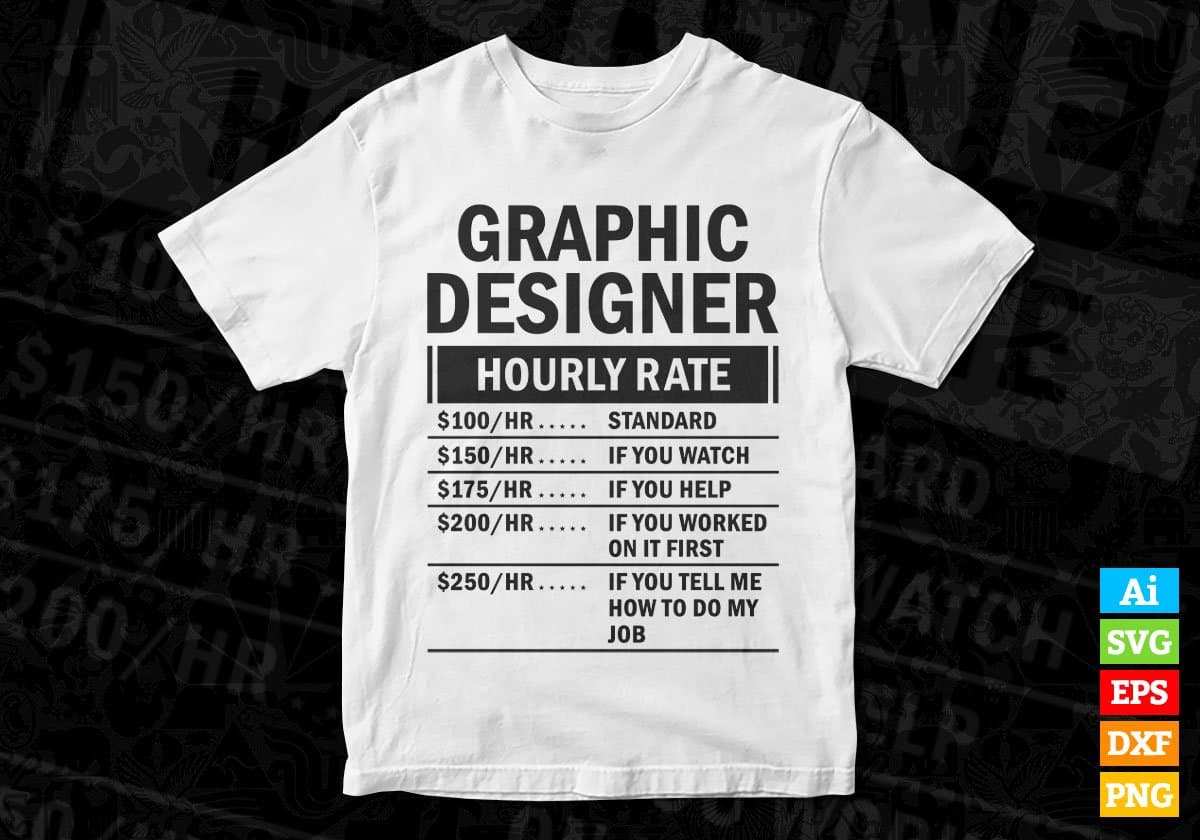
Credit: www.woolyyarn.com
Caring For Graphic Design T Shirts
To keep your t shirts looking fresh, follow these tips:
- Wash Inside Out: This protects the print from rubbing.
- Use Cold Water: Hot water can fade colors.
- Avoid Bleach: It damages both fabric and print.
- Hang Dry: Tumble drying can make prints crack or peel.
- Iron Carefully: If you must iron, do it inside out and avoid the printed area.
Non-obvious insight: Some specialty inks (like metallic or glow-in-the-dark) need extra care. Always check the label.
Famous Graphic Design T Shirt Brands And Artists
Some brands and artists have changed the world of graphic tees. Here are a few well-known names:
- Obey: Started by artist Shepard Fairey, known for bold political and street art.
- Supreme: A streetwear giant, famous for limited edition graphic tees.
- Threadless: Crowdsources designs from artists worldwide.
- UNIQLO: Collaborates with famous designers and brands for unique collections.
- Johnny Cupcakes: Uses quirky, food-themed graphics and creative packaging.
Many independent artists also sell through online shops or marketplaces, gaining fans with unique styles.
The Role Of Graphic T Shirts In Culture
T shirts are not just fashion—they have played big roles in culture and history. People have used them to protest, support causes, or spread ideas. For example, shirts with political slogans, band logos, or viral memes can become part of pop culture.
Graphic tees also allow people to feel part of a group. Wearing the same shirt as others can create a sense of belonging, whether it’s a sports team, concert, or social movement.
Designing For Print-on-demand Vs Bulk Printing
Print-on-demand (POD) and bulk printing are two main ways to produce graphic tees. Each has benefits and drawbacks.
Print-on-demand
- Good for small orders or testing new designs.
- No need to keep stock or handle shipping.
- Easy to update or change designs.
- Per-shirt cost is higher.
Bulk Printing
- Lower cost per shirt for large orders.
- Must store and manage inventory.
- Risk of unsold stock if a design doesn’t sell.
Non-obvious insight: POD is perfect for artists who want to try many ideas without risk. Bulk works best for proven bestsellers or events.
Legal And Ethical Tips For Graphic T Shirt Designers
It’s important to respect copyright and trademark laws. Never use images, logos, or phrases that belong to others without permission. Even using popular memes or movie quotes can cause legal problems.
If you want to use someone else’s artwork, ask for a license or create your own version. Avoid copying trending designs—originality is always safer and more respected.
For more on copyright and design, see the U.S. Copyright Office.
Future Trends In Graphic T Shirt Design
The world of graphic tees is always changing. Here are some trends to watch:
- Eco-friendly materials: More brands use organic cotton or recycled fibers.
- Augmented reality: Some shirts work with apps for interactive effects.
- Personalization: Custom shirts with names, photos, or unique messages.
- Limited drops: Brands release small batches to create excitement.
- Collaborations: Artists and brands team up for special editions.
Designers who pay attention to trends and technology often stay ahead of the competition.
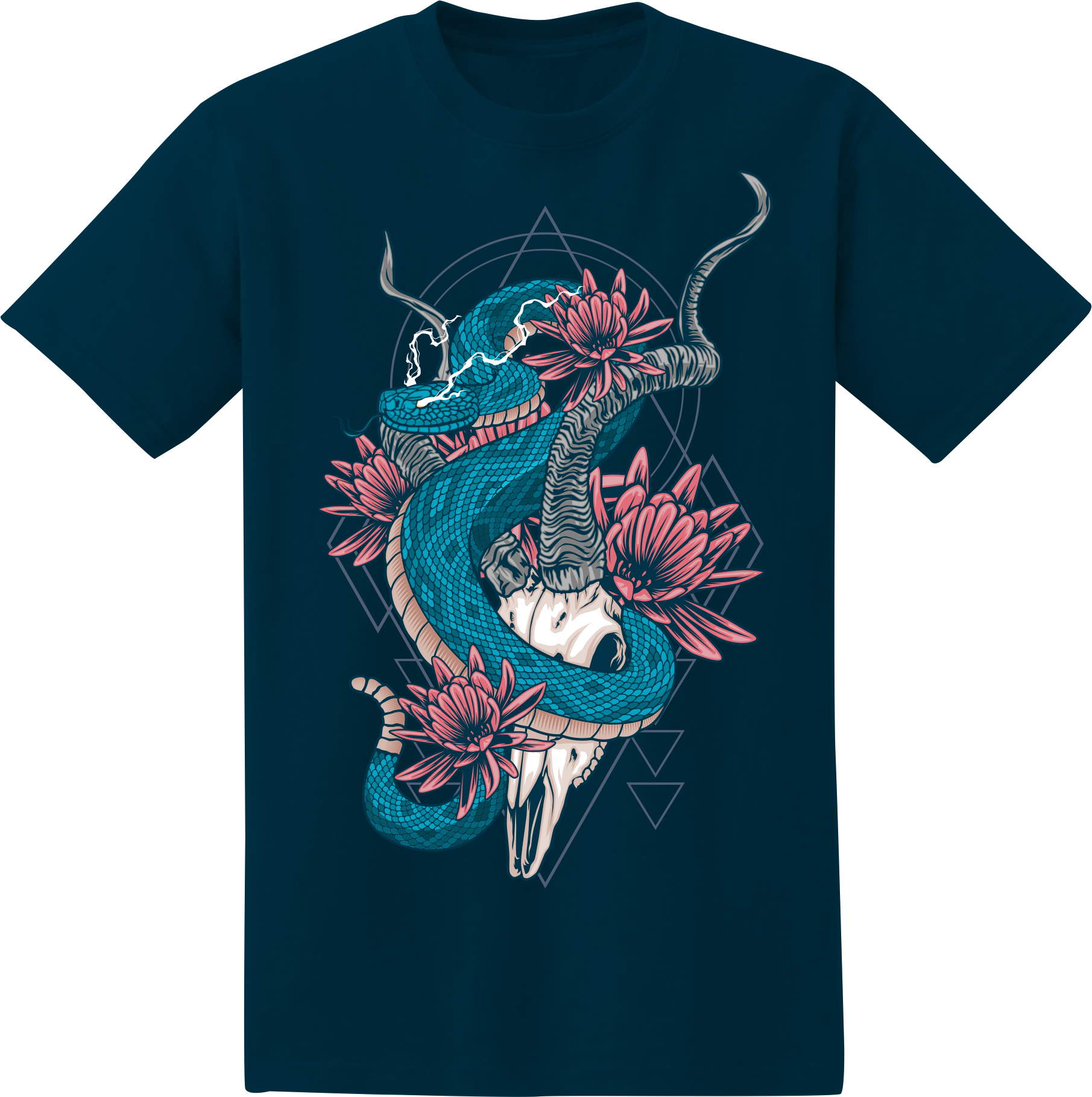
Credit: graphics-pro.com
Frequently Asked Questions
What Is The Best Fabric For Graphic Design T Shirts?
Cotton and cotton blends are the most popular because they are soft, comfortable, and print well. Polyester is great for sports or dye sublimation printing. Tri-blends offer extra softness.
How Can I Make My Own Graphic T Shirt At Home?
You can use iron-on transfer paper, fabric markers, or small screen printing kits. For digital designs, online print-on-demand services let you upload art and get a custom shirt delivered.
How Do I Wash Graphic T Shirts Without Ruining The Design?
Wash inside out with cold water and mild detergent. Avoid bleach and tumble drying. Hang dry when possible, and do not iron directly on the print.
What Is The Difference Between Screen Printing And Dtg Printing?
Screen printing is best for large orders and simple designs with few colors. DTG is better for small runs and detailed, colorful images. Screen prints last longer, but DTG prints are softer.
Can I Sell Graphic T Shirts With Copyrighted Images?
No, using copyrighted images or logos without permission is not allowed. Always create original designs or get the proper license to use someone else’s art.
Graphic design t shirts are a powerful mix of art, fashion, and self-expression. Whether you want to create your own, buy for style, or sell as a business, understanding the basics—and the hidden details—gives you an edge. With the right approach, your next graphic tee could be more than just a shirt—it could be a statement the world remembers.
