

Graphic Design Shirts: Top Trends and Creative Ideas for 2024
Graphic Design Shirts: The Complete Guide to Design, Trends, and Success
Graphic design shirts are everywhere today. Whether you walk down a busy street, scroll through social media, or shop in a local store, you will see creative and eye-catching shirts. These shirts are more than just clothing—they are statements, art pieces, and sometimes even a way to earn a living. But what makes a graphic design shirt stand out? How do you create, choose, or even sell them successfully? This guide explores everything you need to know about graphic design shirts, from creative processes to popular trends and practical business tips.
What Are Graphic Design Shirts?
A graphic design shirt is a piece of clothing, usually a T-shirt, with a design, image, or message printed on it. These designs can be anything—abstract art, photos, quotes, cartoons, or brand logos. The design is the main feature and often tells a story, shares a mood, or shows the wearer’s personality.
Graphic design shirts have become a powerful way for people to express themselves. Many people now choose shirts not just for comfort, but to say something about who they are or what they like. This is why you see everything from simple text shirts to colorful, detailed artworks on T-shirts today.
The Creative Process Behind Graphic Design Shirts
Designing a shirt is a mix of art, planning, and understanding the audience. Here’s a step-by-step look at how most graphic design shirts are made:
1. Concept And Inspiration
Every great shirt starts with an idea. Designers get inspiration from many places: music, movies, nature, cultural events, or even internet memes. The key is to find a concept that will connect with people emotionally or visually.
2. Sketching And Drafting
Once the idea is clear, designers make rough sketches. This can be with pencil and paper or using digital tools. Sketching helps to shape the design, try different layouts, and fix any problems early.
3. Digital Design
Modern shirts are almost always designed on a computer. Programs like Adobe Illustrator, Photoshop, or free tools like GIMP help artists create clean, scalable graphics. Designers make sure the colors, lines, and shapes work well together and look good on fabric.
4. Choosing Placement And Size
The position of the design on the shirt matters. Common placements are:
- Center chest
- Front pocket area
- Full front or back
- Sleeve or hem
The size of the design should also match the shirt size and style. Too small, and it gets lost; too big, and it can look awkward.
5. Color Selection
Good color choice is essential. Designers consider:
- Shirt color (white, black, colored, or tie-dye)
- Contrast between design and fabric
- Number of colors (more colors can cost more to print)
- Trends (neon, pastels, earth tones, etc.)
6. Preparing For Printing
The final design must be print-ready. This means high resolution, correct file format, and separation of colors if needed. Mistakes here can ruin the print quality.
7. Printing Methods
There are many ways to put a design on a shirt. The main methods are:
- Screen printing: Good for large batches and bold colors.
- Direct-to-garment (DTG): Great for detailed, colorful designs and small orders.
- Heat transfer: Fast and flexible, but can fade faster.
- Sublimation: Excellent for all-over prints on polyester.
Each method has pros and cons, so designers choose based on the project and budget.
Popular Trends In Graphic Design Shirts
Fashion changes quickly, and so do shirt design trends. Here are some current and lasting trends in graphic design shirts:
Minimalist Designs
Simple lines, small icons, or clean text can make a big impact. Minimalist shirts often use just one or two colors and focus on shapes or witty words.
Bold Typography
Words are powerful. Many shirts use big, bold text to share a message, joke, or slogan. The font style is as important as the words themselves.
Vintage And Retro Looks
Old-school graphics, faded colors, and “worn” effects are popular. These shirts often remind people of classic bands, cartoons, or sports teams.
Pop Culture References
Designs based on movies, TV shows, video games, and famous quotes always catch attention. Pop culture shirts connect fans and start conversations.
Nature And Outdoors
Designs with mountains, trees, animals, or sunsets are loved by people who enjoy the outdoors. Often, these shirts use earth tones or hand-drawn styles.
Abstract Art
Not all shirts have a clear picture or message. Abstract designs use shapes, colors, and patterns to create a mood or artistic look.
All-over Prints
Some shirts cover the entire fabric with a design, not just the front. This can be dramatic and eye-catching, but it needs special printing.
Hand-drawn And Sketch Styles
Rough, hand-drawn lines or watercolor effects give shirts a personal and unique feel. This style is popular with indie brands.
Customizable Designs
Many brands now let customers add their own name, photo, or words to a shirt design. Custom shirts are popular for gifts, events, or team uniforms.
Social And Political Messages
Shirts are a way to share beliefs. Many people wear shirts with messages about causes, rights, or political opinions.
Data: Most Popular Shirt Design Styles
Here’s a comparison of some common styles and how often they appear in top-selling shirts:
| Style | Common in Bestsellers (%) | Typical Audience |
|---|---|---|
| Minimalist | 30 | Young Adults, Professionals |
| Pop Culture | 25 | Teens, Fans |
| Vintage/Retro | 20 | All Ages |
| Nature/Outdoors | 10 | Outdoor Enthusiasts |
| Political/Social | 5 | Activists |
| Abstract | 10 | Artists, Designers |
How To Create Your Own Graphic Design Shirts
Designing your own shirt can be exciting and rewarding. Here’s how to get started, even if you’re a beginner:
1. Decide Your Purpose
Are you making shirts for yourself, a group, or to sell? Your goal will affect your design choices and printing method.
2. Find Inspiration
Look at what’s popular in shops, online marketplaces, or social media. Save designs you like, but never copy directly. Use them for ideas about color, style, or layout.
3. Choose The Right Tools
For beginners, simple tools like Canva or Placeit work well. More advanced designers use Adobe Illustrator or Procreate (for iPad). You don’t need expensive tools to start—focus on your creativity.
4. Design For The Medium
Remember, what looks good on a screen might not look good on fabric. Use bold lines, avoid tiny details, and check that your colors work well together.
5. Use Templates And Mockups
Many websites offer T-shirt templates. Place your design on a mockup to see how it looks on a real shirt. This helps catch problems early.
6. Prepare The File Correctly
Print shops usually need high-resolution files (300 dpi), in formats like PNG or vector (SVG, AI, EPS). Make sure any text is readable and colors are what you want.
7. Test With A Sample
Before printing many shirts, order one or two samples. This lets you check the fit, print quality, and colors in real life.
8. Adjust And Improve
If something doesn’t look right, fix it and try again. Often, small changes make a big difference.
Extra tip: Many beginners forget to check how the design looks from a distance. Always step back and see if the message or image is clear from far away.
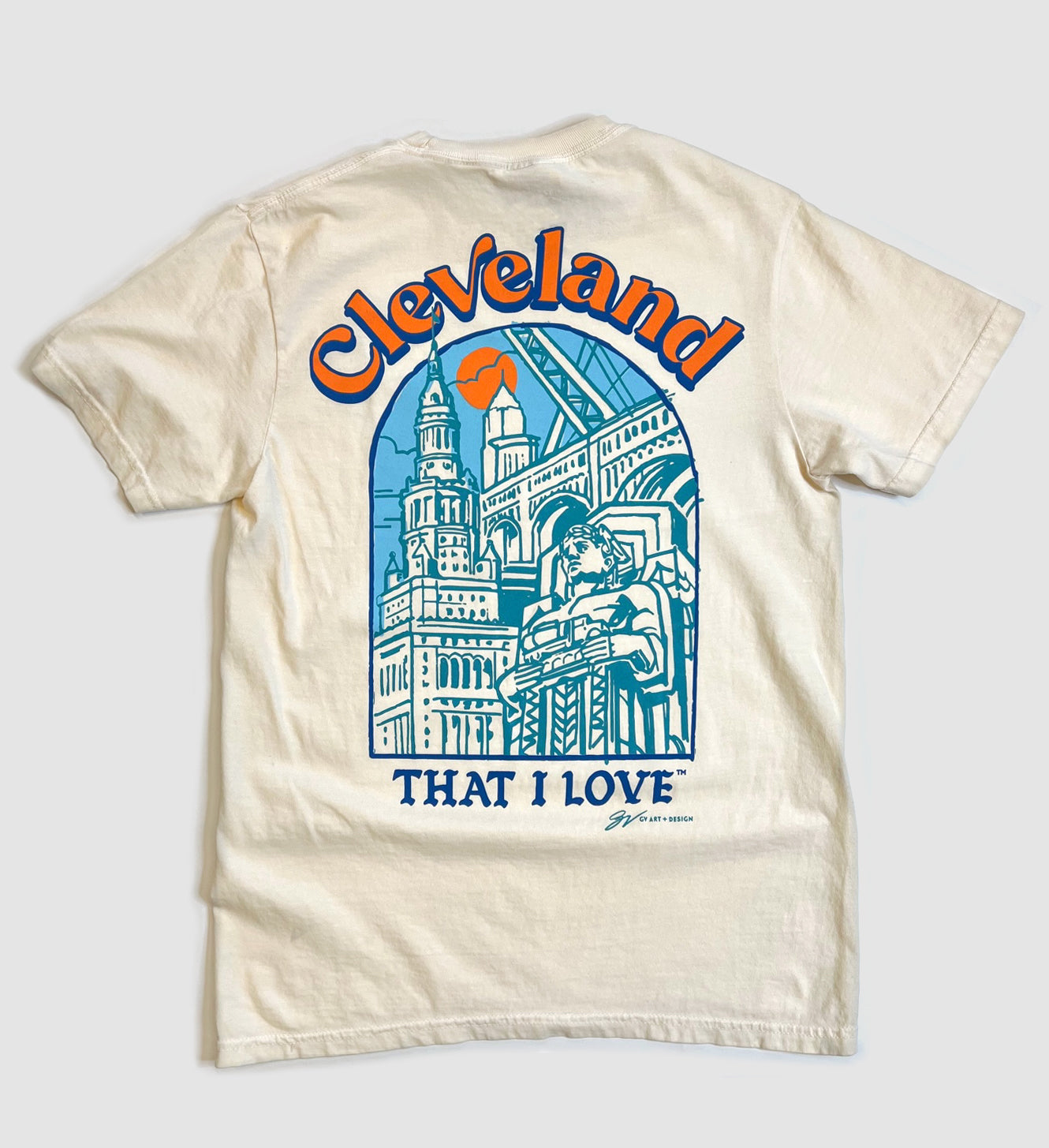
Credit: gvartwork.com
Choosing The Right Printing Method
The way your shirt is printed affects its look, feel, and cost. Here’s a closer comparison of main shirt printing methods:
| Method | Best For | Quality | Cost per Shirt | Durability |
|---|---|---|---|---|
| Screen Printing | Large batches, bold colors | High | Low (in bulk) | Very Durable |
| DTG (Direct-to-Garment) | Small orders, detailed images | Very High | Higher | Good |
| Heat Transfer | One-offs, custom names | Medium | Medium | Medium |
| Sublimation | All-over prints, polyester shirts | High | Medium | Very Durable |
Non-obvious insight: The best method isn’t always the most expensive one. For single shirts or short runs, DTG or heat transfer can give you pro-level results with less risk.
Selling Graphic Design Shirts: A Guide For Beginners
Starting a shirt business is easier now than ever before. You don’t need to own expensive machines or keep lots of stock. Here’s how many people turn their designs into a business:
1. Print-on-demand Services
Websites like Printful, TeeSpring, and Redbubble let you upload your design, and they handle printing, shipping, and even customer service. You earn a profit for each shirt sold.
Benefits:
- No need to buy stock
- Start with little or no money
- Test many designs easily
Drawbacks:
- Lower profit per shirt
- Less control over print quality and shipping
2. Local Print Shops
Some people prefer to work with a local printer. This lets you check samples, control quality, and build a relationship.
Benefits:
- Better quality control
- Support local business
- Can sell shirts at events or pop-up shops
Drawbacks:
- You pay upfront for inventory
- Need to handle shipping and storage
3. Online Marketplaces
Etsy, Amazon, and eBay are good places to sell graphic design shirts. Each has its own rules, but they offer big audiences.
Benefits:
- Built-in customer base
- Easy to get started
- Tools for marketing and shipping
Drawbacks:
- Fees for each sale
- Competition is high
4. Build Your Own Brand
Some designers create their own websites and social media pages to sell shirts. This needs more effort but gives the most control.
Benefits:
- Build your own brand identity
- Keep more profit
- Grow a loyal customer base
Drawbacks:
- Need to market yourself
- Takes time to build sales
Data: Shirt Business Profit Comparison
Here’s a side-by-side look at potential profits for different shirt business models:
| Method | Average Cost per Shirt ($) | Typical Selling Price ($) | Estimated Profit per Shirt ($) |
|---|---|---|---|
| Print-on-Demand | 12 | 20 | 8 |
| Local Print Shop (Bulk Order) | 6 | 20 | 14 |
| Online Marketplace | 10 | 22 | 12 |
| Own Brand/Website | 8 | 25 | 17 |
Insider tip: Many beginners try to sell shirts to everyone. You will have more success if you pick a small niche, like “funny dog shirts” or “shirts for hikers,” and become known for that style.
Key Elements Of A Successful Graphic Design Shirt
Not every shirt becomes a hit. So what separates a “just okay” shirt from a best-seller?
Unique And Clear Design
The best shirts look different from what’s already out there. They also communicate clearly, even from a distance. Avoid clutter or confusing images.
Good Quality Fabric
A great design on a poor-quality shirt will disappoint buyers. Look for shirts that feel soft, fit well, and last after washing.
Consistent Brand Or Theme
People remember brands with a clear style. If your designs follow a theme—like retro, cute, or bold—fans will recognize and follow you.
Emotional Connection
Shirts that make people laugh, remember something happy, or feel proud are often the most popular. Think about how your design makes people feel.
Easy To Read Or Recognize
If your shirt has text, use a font that’s easy to read. If it’s an image, make sure it stands out and isn’t lost against the shirt color.
Mistakes To Avoid In Graphic Design Shirts
Even experienced designers make errors. Here are some common mistakes and how to avoid them:
- Too Many Colors: More colors can make printing expensive and the design look messy.
- Bad Contrast: Light designs on light shirts (or dark on dark) are hard to see.
- Tiny Details: Small lines or text might not print well or may fade after washing.
- Ignoring Shirt Size: Designs that look good on small shirts can look strange on larger ones.
- Copyright Issues: Never use protected images, logos, or characters without permission.
- Trendy Without Purpose: Don’t chase trends if they don’t fit your brand; your shirts may feel outdated quickly.
- Not Testing Samples: Always check a printed sample before selling to customers.
Non-obvious insight: Some designs look great in daylight but nearly disappear under indoor lighting. Always check your colors in different lights before finalizing.
How To Choose The Right Graphic Design Shirt For You
Whether you are buying for yourself or as a gift, here’s how to pick a shirt that fits your style and needs:
1. Know Your Style
Do you like simple designs, or do you want something bold? Pick shirts that match your personality.
2. Check Sizing And Fit
Every brand’s sizing is a little different. Always check the size guide and reviews for fit information.
3. Look At The Print Quality
High-quality prints won’t crack or peel after a few washes. If possible, read reviews or ask about the print method.
4. Consider Fabric Type
Cotton is soft and breathable, while polyester blends dry faster and hold color better. Choose what feels best to you.
5. Support Independent Artists
Many great shirts come from small brands or artists. Buying from them helps support creative work and gets you more unique designs.
6. Care Instructions
Some shirts need gentle washing or air drying to last. Check the care label before buying, especially if you want low-maintenance clothes.
The Future Of Graphic Design Shirts
Shirt design continues to change with new technology and fashion movements. Here are some trends shaping the future:
Eco-friendly Materials
More brands are using organic cotton, recycled polyester, or water-based inks to reduce environmental impact. Eco-friendly shirts are popular with conscious buyers.
Advanced Printing
New printing methods allow for better colors, softer prints, and all-over designs. Expect to see more creative uses of these technologies.
Personalized Fashion
Custom shirts with your own name, face, or message are easier to create. Personalization is a big trend in fashion now.
Augmented Reality Designs
Some shirts now come with codes or images that can be scanned with a phone, showing hidden animations or information. This mix of fashion and tech is growing.
Real-world Examples Of Graphic Design Shirts Making An Impact
Graphic design shirts are more than just fashion—they can change society, build communities, and even start movements. For example, shirts with powerful protest slogans have been used at rallies around the world. Bands and artists often use shirts to connect with fans and share their message.
Some brands build their entire business around a unique style or community, such as skateboarding or environmental activism.
A good example is the rise of shirts supporting social causes. Brands often donate part of profits to charity, making it easy for buyers to feel good about their purchase. According to Statista, the global T-shirt market continues to grow, showing that people everywhere love expressing themselves through shirts.
Frequently Asked Questions
What Is The Difference Between Screen Printing And Dtg For Graphic Design Shirts?
Screen printing uses stencils to press ink onto shirts, making it best for large orders with simple designs and few colors. DTG (Direct-to-Garment) prints the design directly onto the shirt with a special printer, which is better for detailed images or small batches.
Screen printing is usually more durable, while DTG allows more color and detail.
How Do I Make Sure My Shirt Design Won’t Break Copyright Laws?
Always use your own original artwork or buy designs from trusted sources. Avoid using logos, characters, or artwork you don’t own. If you want to use something famous, check if there is a way to license it legally.

Credit: mellysews.com
Can I Make Graphic Design Shirts Without Expensive Software?
Yes! Many free or low-cost tools are available online, like Canva, GIMP, or even drawing apps on your phone. These are great for beginners and often have ready-made templates for T-shirts.
What Is The Best Way To Sell Graphic Design Shirts Online?
For beginners, print-on-demand platforms like Printful or Redbubble are easy and low-risk. You upload your design, and they handle the rest. As you grow, you might sell on your own website or through online marketplaces for better profits and control.
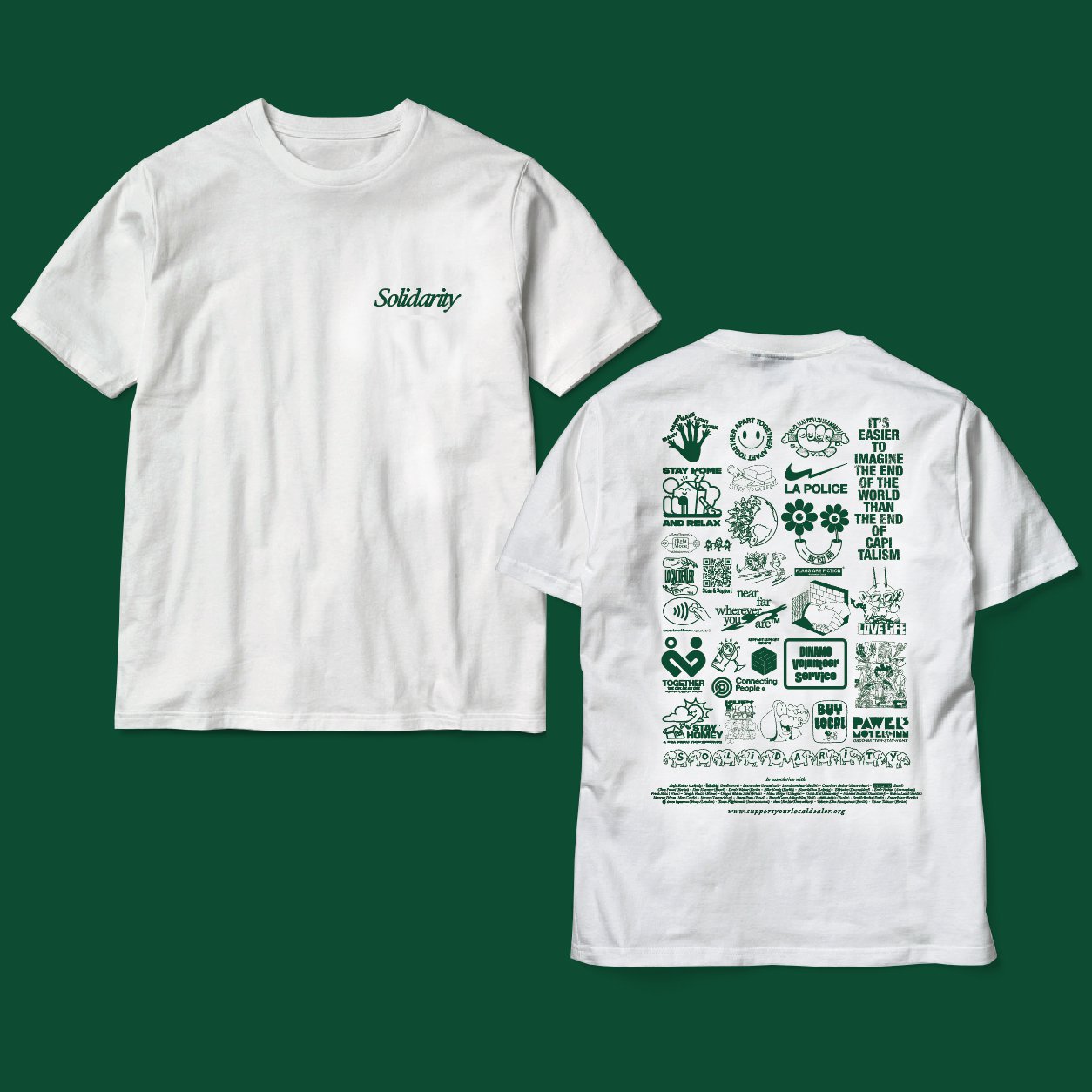
Credit: www.itsnicethat.com
How Can I Make My Graphic Design Shirt Stand Out?
Focus on unique ideas, a clear message, and quality artwork. Research what’s popular but add your own twist. Good contrast, easy-to-read text, and emotional connection help your shirt get noticed and remembered.
Graphic design shirts are a creative way to express yourself, support artists, or even start a business. By understanding the process, trends, and key success factors, you can make, choose, or sell shirts that truly stand out.
