

Fitness Clothes: Top Trends and Best Brands for Every Workout
Fitness Clothes: Your Ultimate Guide to Looking Good While Sweating Buckets
Let’s face it: choosing fitness clothes is almost as hard as running a marathon, especially if you consider “running a marathon” to be walking briskly to the fridge. Fitness clothing is everywhere now—gyms, parks, coffee shops, and even your neighbor’s yoga class you accidentally joined while chasing your dog. But with so many options, materials, and styles, how do you pick the right gear? This guide will help you navigate the world of fitness clothes, with plenty of tips, honest insights, and just enough humor to make you forget about those gym socks you lost in the dryer.
Why Fitness Clothes Matter More Than You Think
You might wonder, “Can’t I just wear my old college t-shirt and pajama pants to the gym?” Technically, yes. Should you? Probably not. Fitness clothes are designed for movement, sweat, and style—three things your pajamas simply can’t handle.
The right fitness clothes can:
- Boost Performance: Fabrics wick away sweat, reduce chafing, and let your skin breathe.
- Prevent Injury: Good shoes and supportive wear reduce the chance of muscle strain or embarrassing splits.
- Increase Confidence: Let’s be honest, nothing says “I’m crushing it” like a fresh pair of leggings or a tank top with a motivational slogan, even if the slogan is “Will Run for Snacks.”
- Improve Hygiene: Fitness fabrics dry faster and smell better than that lucky old t-shirt you’ve had since high school.
Key Types Of Fitness Clothes
The world of fitness fashion has exploded—there’s more than just shorts and tees. Let’s break down what you’ll find (and maybe what you didn’t know existed).
Tops
From basic tees to high-tech tanks, your choice of top can make a big difference.
- T-Shirts: The classic. Go for moisture-wicking fabrics over cotton, unless you love that “I just ran through a sprinkler” look.
- Tank Tops: Great for hot days, or if you want to show off those arms you’ve been working on.
- Long-Sleeves: Perfect for outdoor workouts or when the gym air-con is set to “Arctic.”
- Compression Shirts: These hug your muscles, support circulation, and make you feel like a superhero—cape not included.
Bottoms
Pants, shorts, leggings—there’s a style for every workout and every body type.
- Shorts: Ideal for running, HIIT, or just pretending you’re in a 1980s workout video.
- Leggings/Tights: Offer comfort, support, and are squat-proof (check before buying unless you like surprises).
- Joggers: Looser fit, great for warming up or “athleisure” coffee runs.
- Compression Pants: Like compression shirts, they support muscles and improve blood flow.
Sports Bras
For women, a sports bra is a must. It provides support, reduces discomfort, and helps you focus on your workout—not on your wardrobe malfunctions. Choose your support level based on your activity: low for yoga, medium for cycling, and high for anything that involves jumping.
Outerwear
Because sometimes the weather doesn’t care about your fitness goals.
- Lightweight Jackets: Keep wind and drizzle out, but let sweat escape.
- Hoodies: For warmups, cooldowns, or hiding from your personal trainer.
- Vests: Add warmth without overheating.
Footwear
You wouldn’t wear flip-flops to climb a mountain, right? The right fitness shoes matter.
- Running Shoes: Cushioned, flexible, made for moving forward.
- Training Shoes: Support lateral movement, perfect for gym classes.
- Walking Shoes: Extra comfort for those who believe “cardio” means “walk and talk.”
- Specialty Shoes: For activities like cycling, weightlifting, or even dance.
Socks
Yes, socks matter. Blisters are not badges of honor.
- Moisture-wicking: Keep feet dry and happy.
- Cushioned: Prevent sore spots and make shoes more comfortable.
- Compression: Boost circulation, reduce fatigue.
Accessories
Not strictly clothes, but they level up your workout game.
- Headbands: Keep sweat and hair out of your eyes.
- Gloves: For weightlifting, cycling, or just pretending you’re in a Rocky movie.
- Arm Bands: Hold your phone, keys, or emergency snacks.
- Caps/Hats: Shield your eyes from the sun or your own determination.
Choosing The Right Fitness Clothes For Your Workout
Every workout has its own demands. Here’s how to pick the right gear for different activities (and avoid rookie mistakes).
Running
Look for:
- Moisture-wicking shirts and shorts/leggings
- Proper running shoes
- Socks that don’t slip or bunch
- Reflective gear if you run at night (so people see you, not just hear your heavy breathing)
Yoga & Pilates
Focus on:
- Stretchy, fitted clothes (so your shirt doesn’t end up over your head in Downward Dog)
- High-waisted leggings for coverage
- Light support sports bras
- Bare feet or special yoga socks for grip
Weightlifting
You’ll need:
- Compression shirts and pants for support
- Loose or fitted shorts for movement
- Weightlifting gloves to protect your hands
- Flat-soled shoes for stability
Hiit & Cardio Classes
Prioritize:
- Breathable tops and bottoms
- High-support sports bras
- Training shoes
- Headbands to manage sweat
Outdoor Activities
Don’t forget:
- Layers for changing weather
- Sun protection (hats, UV shirts)
- Water-resistant jackets
- Sunglasses (because squinting is not a sport)
The Science Behind Fitness Fabrics
Not all fabrics are created equal. Let’s break down the most common materials and why you should care (hint: it’s not just about looking good).
Moisture-wicking Fabrics
These magical materials pull sweat off your skin and move it to the outside of the fabric, where it evaporates. Result? You stay drier and cooler.
- Polyester: Lightweight, quick-drying, and durable. Sometimes gets a bad rep for odor, but new blends fix that.
- Nylon: Strong, stretchy, and smooth. Great for leggings and fitted tops.
- Polypropylene: Water-resistant, so sweat doesn’t soak in.
Natural Fabrics
- Cotton: Feels nice but holds moisture. Best for light workouts or lounging.
- Bamboo: Soft, sustainable, naturally antibacterial. Good for sensitive skin.
- Merino Wool: Surprisingly breathable and odor-resistant. Great for chilly outdoor runs.
Compression Materials
Usually a blend of spandex (or elastane) and other fibers, compression wear helps with muscle support and recovery. It can feel tight at first, but that’s the point.
Odor Control
Some fabrics are treated with antimicrobial agents to fight the dreaded gym funk. Silver ions, bamboo, and merino wool naturally reduce odor. Just remember, these aren’t an excuse to skip laundry day.
What To Look For When Buying Fitness Clothes
It’s easy to get distracted by cool colors and celebrity endorsements. But what really matters?
- Fit: Clothes should move with you, not against you. If you’re constantly adjusting, try a different size.
- Comfort: Look for flat seams, tagless labels, and soft materials.
- Durability: Reinforced stitching and quality fabrics last longer—even through your most questionable workout routines.
- Breathability: Mesh panels, ventilated fabrics, and lightweight materials keep you cool.
- Functionality: Think about pockets, zippers, or adjustable waists. Where will you put your phone? Your keys? That emergency chocolate?
- Style: If you love it, you’ll wear it more. But style should never trump comfort or safety.
A Practical Example
Imagine you’re shopping for running leggings. You’ll want:
- High waist (for coverage)
- Moisture-wicking fabric (for sweat)
- Flat seams (to avoid chafing)
- Pocket (for your phone)
- Opaque material (to avoid showing off more than your running skills)
If you find a pair that checks all these boxes, you’re on the right track—even if the pattern looks like a disco ball.
How To Choose The Right Size
Fitness clothes sizing can feel like rocket science. One brand’s “medium” is another’s “extra small.” Here’s how to get it right:
- Measure Yourself: Use a tape measure for chest, waist, hips, and inseam.
- Check Size Charts: Every brand has their own. Trust the numbers, not just your past experience.
- Read Reviews: Other buyers will tell you if something runs large, small, or just plain weird.
- Try On and Move: Do a few squats or lunges in the fitting room (or your living room if shopping online).
If in doubt, size up for a looser fit, or down for compression wear.
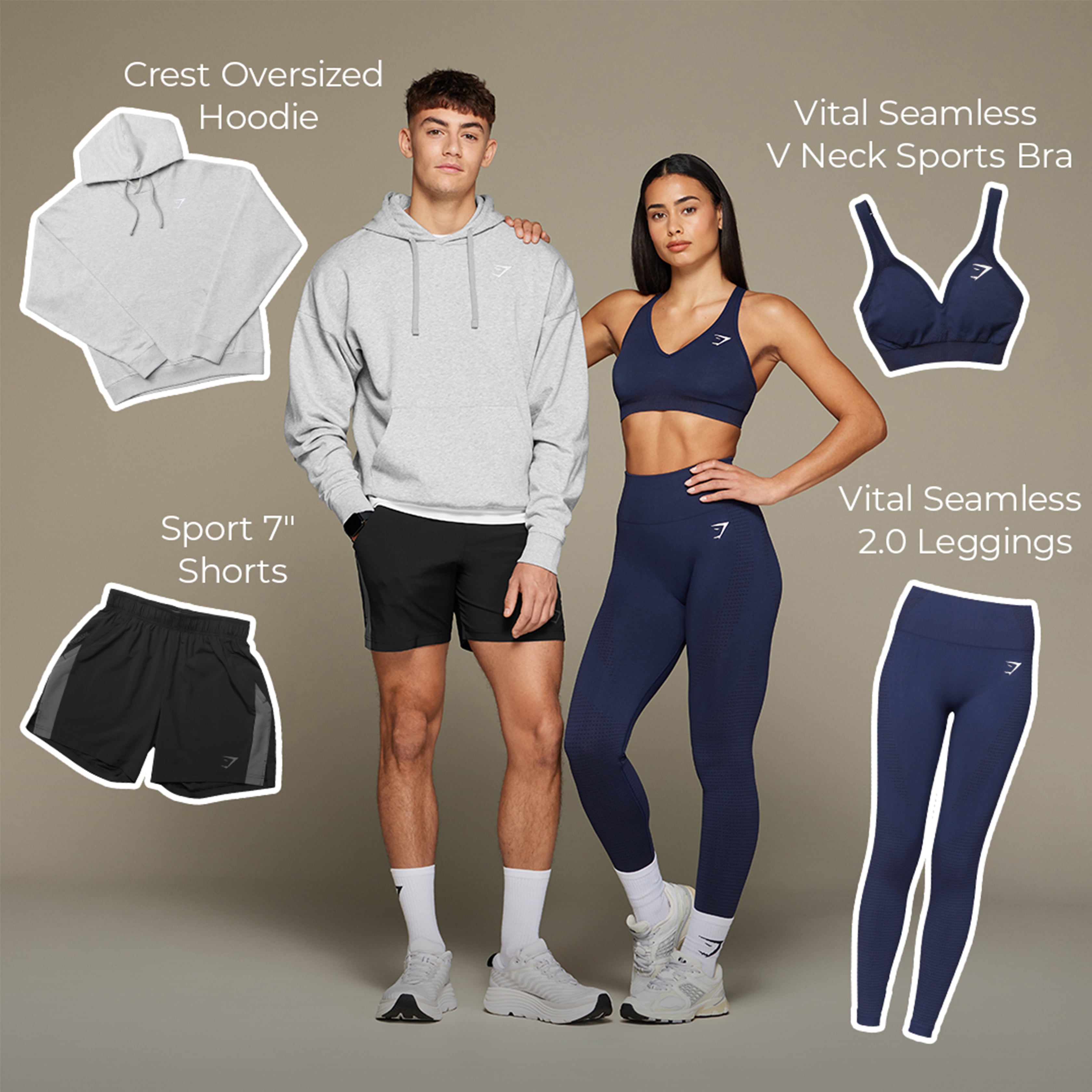
Credit: row.gymshark.com
Comparing Fitness Clothes Brands
You’ll see hundreds of brands, from high-end designers to budget-friendly basics. Let’s compare a few typical options:
| Brand | Price Range | Best For | Unique Feature |
|---|---|---|---|
| Nike | $$ | Running, Training | Wide variety, global availability |
| Lululemon | $$$ | Yoga, Athleisure | Super-soft fabrics, trendy styles |
| Under Armour | $$ | Training, Sports | Compression technology |
| Decathlon | $ | All-rounders, Budget | Affordable, good quality |
| Adidas | $$ | Running, Soccer | Classic designs, eco-friendly lines |
Common Mistakes When Choosing Fitness Clothes
Even the most dedicated gym-goers make mistakes. Here’s what to avoid:
- Choosing Style Over Function: Those neon shorts look cool, but will they survive your spin class?
- Ignoring Fabric Quality: Cheap fabric stretches, fades, and holds sweat.
- Forgetting About Movement: If you can’t touch your toes or raise your arms, it’s a no-go.
- Buying the Wrong Size: Tight isn’t always right. Trust the fit, not the label.
- Skipping the Try-On: What feels good on the shelf might not work in the real world.
How To Care For Your Fitness Clothes
You’ve invested in good gear. Now make it last longer than your average New Year’s resolution.
Washing Tips
- Turn Inside Out: Protects color and any special prints.
- Cold Wash: Hot water can damage elastic fibers.
- Mild Detergent: Avoid fabric softener—it breaks down moisture-wicking properties.
- Air Dry: High heat ruins stretch and fit. Hang-dry whenever possible.
Storage
- Fold, Don’t Hang: Hanging can stretch out the fabric.
- Keep in a Cool, Dry Place: Avoid funky smells (unless that’s your signature scent).
When To Replace
Signs your fitness clothes are ready to retire:
- They’re see-through when they weren’t before.
- Permanent odor that survives every wash.
- Lost stretch or saggy fit.
- Holes, tears, or seams coming undone.
The Role Of Sustainable Fitness Clothes
Eco-friendly fitness clothes are on the rise. Materials like recycled polyester, organic cotton, and bamboo are kind to the planet and your skin. Some brands even take back old clothes for recycling. Want to save the planet and work out? Now you can brag about both.
Benefits Of Sustainable Gear
- Reduces Waste: Less ends up in landfills.
- Lower Emissions: Uses less energy and water.
- Feels Good: Many eco-fabrics are softer and naturally antibacterial.
If you care about sustainability, look for brands with certifications or transparency about their supply chain. And remember, the most sustainable fitness clothes are the ones you actually wear—don’t buy what you won’t use.
Trends In Fitness Clothes
Fitness fashion changes faster than your heart rate during burpees. Here are the biggest trends you’ll spot at the gym and on social media:
Bold Colors And Prints
- Neon, animal prints, and tie-dye are everywhere. If you want to be spotted from space, now’s your chance.
Seamless Construction
- Fewer seams mean less chafing and a smoother look. Plus, you can pretend you’re a superhero in a suit.
Athleisure
- Fitness clothes you can wear to brunch. Leggings, crop tops, and hoodies are officially “real clothes” now.
Smart Fabrics
- Some clothes track your movement, heart rate, or even change color when you sweat. Just don’t expect them to do the workout for you.
Size Inclusivity
- More brands are offering a wider range of sizes, making fitness fashion accessible to all shapes and bodies.
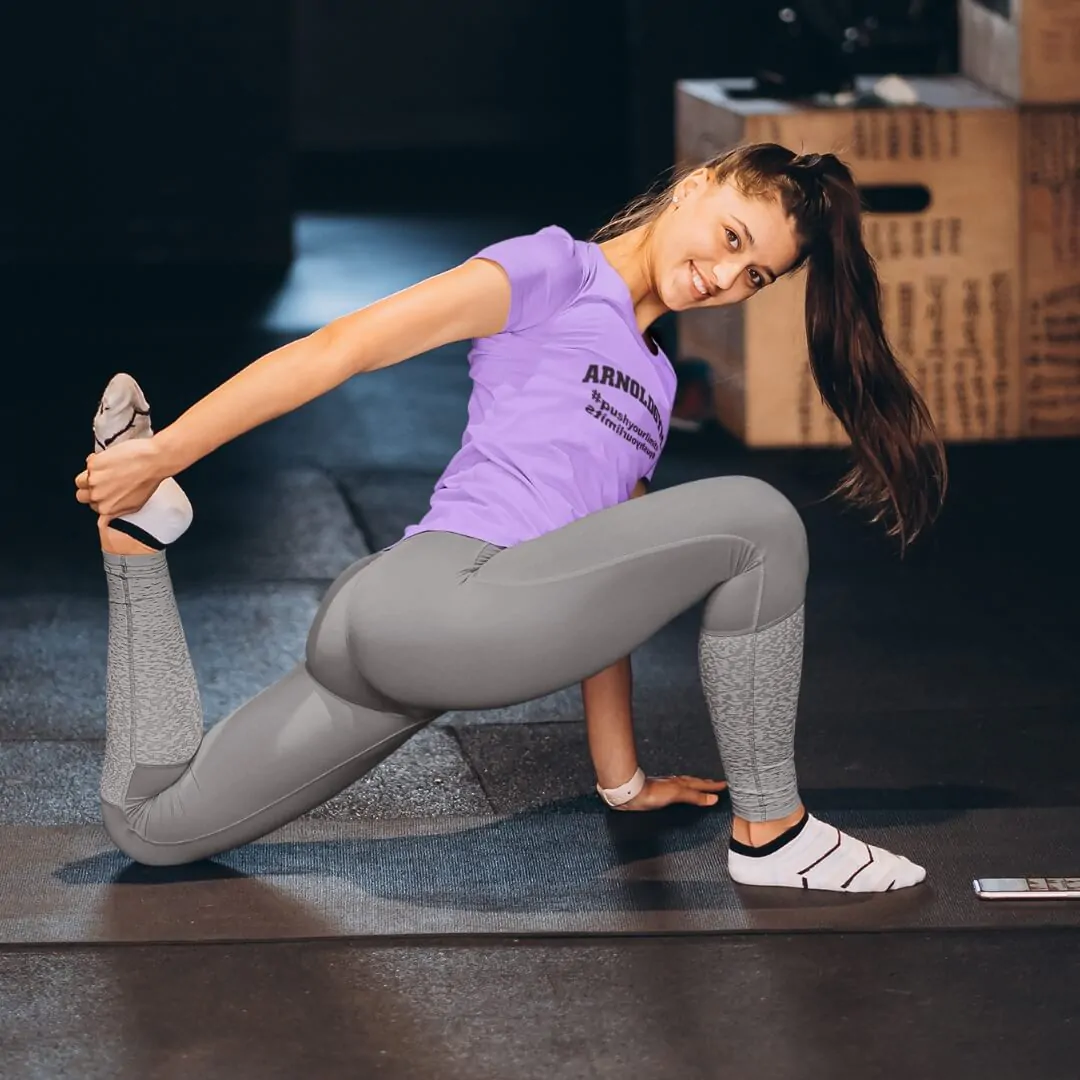
Credit: allurelakestorey.com
How To Build A Fitness Wardrobe Without Breaking The Bank
You don’t need to spend a fortune to look (and feel) good. Here’s how to build your fitness wardrobe on a budget:
- Start With Basics: Get a few good tops, bottoms, and a sports bra. Add more as you go.
- Mix and Match: Stick to neutral colors so everything works together. Or go wild—your call.
- Shop Sales & Outlets: Last season’s neon is this season’s “retro.”
- Invest Where It Matters: Spend more on shoes and sports bras. Your feet and chest will thank you.
- Care for Your Clothes: Good care means longer life—and fewer emergency shopping trips.
Fitness Clothes For Every Body
Fitness is for everyone, and so are fitness clothes. Brands are now focusing on inclusive sizing, adaptive designs, and gender-neutral options. If you ever felt “nothing fits me,” things are changing for the better.
Special Considerations
- Plus Size: Look for high-stretch fabrics, wide waistbands, and brands specializing in inclusive sizing.
- Petite: Cropped leggings, shorter inseams, and adjustable waists help avoid bunching.
- Tall: Longer inseams and sleeves are becoming more common.
- Adaptive Clothing: For those with mobility challenges, look for magnetic closures, easy-on zippers, and soft seams.
Fitness Clothes And Mental Motivation
Wearing the right fitness clothes can actually make you more motivated. It’s called enclothed cognition—the idea that what you wear changes how you feel and perform. So if putting on a bright top makes you feel faster, you probably are (at least until you meet a hill).
Non-obvious Insights
- Change Clothes, Change Mindset: Putting on dedicated workout gear tells your brain, “It’s go time.” It’s a small ritual that can make a big mental difference.
- Outfit Planning: Laying out your fitness clothes the night before means one less excuse in the morning. Studies show people who plan their outfits are more likely to stick to their workouts.
Comparing Materials For Fitness Clothes
Let’s see how popular materials stack up for performance, comfort, and care:
| Material | Moisture-Wicking | Odor Control | Durability | Eco-Friendliness |
|---|---|---|---|---|
| Polyester | Excellent | Fair | High | Low (unless recycled) |
| Nylon | Good | Fair | High | Low |
| Cotton | Poor | Good | Medium | High |
| Bamboo | Good | Excellent | Medium | High |
| Merino Wool | Good | Excellent | Medium | High |

Credit: www.menshealth.com
Real-world Test: What Works Best?
Let’s imagine you’re preparing for a week of workouts. Here’s how fitness clothes can make (or break) your routines:
- Monday: You grab an old cotton t-shirt for a spin class. Five minutes in, you’re drenched and the shirt is stuck to your back. Lesson learned.
- Wednesday: You try compression leggings for a run. No chafing, phone stays put, and you feel like you can run to the moon (or at least around the block).
- Friday: You wear a bright new tank top to yoga. Compliments flow, and suddenly you’re holding Warrior Two longer than ever.
Moral of the story: The right fitness clothes do more than cover your body—they help you move, breathe, and maybe even have fun.
Where To Buy Fitness Clothes
Options are endless—online, in-store, or that discount bin at the supermarket you pretend not to notice.
- Major Sports Retailers: Wide selection, frequent sales, helpful staff (who won’t judge your lack of knowledge about “compression technology”).
- Brand Stores: More sizes, latest trends, and sometimes free water bottles.
- Online: Convenient, huge variety, easy returns. Just don’t get lost reading reviews.
- Second-Hand & Swaps: Eco-friendly and budget-friendly. Plus, that “vintage” look is always in.
If you want to see more about sustainable sportswear, check out this Wikipedia page on sportswear.
Frequently Asked Questions
What Are The Best Fabrics For Fitness Clothes?
The best fabrics are usually moisture-wicking materials like polyester, nylon, or bamboo blends. These keep sweat away from your skin and dry quickly. Avoid heavy cotton for intense workouts.
How Often Should I Wash My Fitness Clothes?
Wash them after every sweaty workout. Fitness fabrics can hold bacteria and odor, so don’t leave them in your gym bag too long (unless you want your gym bag to walk itself home).
Can I Wear Fitness Clothes For Casual Outings?
Absolutely! Athleisure is a huge trend. Leggings, joggers, and hoodies work for errands, coffee runs, or just looking sporty while binge-watching TV.
How Do I Know When To Replace My Fitness Clothes?
Replace them when they lose stretch, become see-through, have permanent odors, or start falling apart. If your leggings look more like lace, it’s time.
Are Expensive Brands Worth The Money?
Not always. Expensive brands often offer better fit and materials, but many affordable options perform just as well. Look for quality, comfort, and real reviews—not just a fancy logo.
Choosing fitness clothes should be fun, not frustrating. With a little knowledge and a sense of humor, you’ll find gear that supports your workouts—and your style—no matter where your fitness journey takes you.
