

Dress T Shirt And Pant: Stylish Outfit Ideas for Every Occasion
Dress T Shirt And Pant: The Complete Style Guide
When you look into your closet, you probably see a few dress shirts, some T-shirts, and a variety of pants. These three clothing items are everywhere in the world of fashion. But knowing how to wear them well and combine them for any situation is not as easy as it seems. Many people make simple mistakes that can change the whole impression of their outfit. In this guide, you will learn how to choose and style dress shirts, T-shirts, and pants for all kinds of occasions. You will also find practical tips, examples, and answers to common questions. Whether you want to look smart for work, relaxed for the weekend, or stylish for an event, this article will help you make the right choices.
Understanding Dress Shirts, T-shirts, And Pants
Before you can style these pieces together, it’s important to understand what makes each unique and when they are appropriate.
What Is A Dress Shirt?
A dress shirt is a formal shirt with a collar, long sleeves, and buttons down the front. It is usually made from cotton, linen, or a cotton blend. People wear dress shirts with suits, but you can also style them with pants for a semi-formal or smart-casual look. Dress shirts come in many colors, patterns, and fits. The most common colors are white, light blue, and pale pink.
What Is A T-shirt?
A T-shirt is a short-sleeved, collarless shirt, usually made from cotton or a cotton blend. T-shirts are famous for their comfort and versatility. They can be plain or have prints, logos, or patterns. T-shirts are usually more casual, but with the right styling, you can wear them in smart-casual settings too.
What Are Pants?
In fashion, “pants” refer to any lower body garment that covers each leg separately. This includes jeans, chinos, trousers, and dress pants. The material, fit, and color of pants can change the whole look of your outfit.
The Key Differences
Here’s a quick comparison to make things clear:
| Item | Main Material | Formality | Common Occasions |
|---|---|---|---|
| Dress Shirt | Cotton, Linen | Formal/Semi-formal | Work, Events, Meetings |
| T-Shirt | Cotton, Blends | Casual | Leisure, Travel, Lounging |
| Pants | Cotton, Denim, Wool | All Levels | Everyday, Work, Events |
Choosing The Right Dress Shirt
Picking the right dress shirt matters for both comfort and style. Here’s what to look for:
Fit
The fit should match your body shape. The main types are:
- Slim fit: Close to the body, modern, and sharp.
- Regular fit: A bit looser, classic look, good for most body types.
- Relaxed fit: Most comfortable, but less formal.
Fabric
Choose natural fabrics for comfort and breathability. Cotton is the most popular. Linen is good for hot weather but wrinkles easily. For a crisp look, try a shirt with a bit of polyester blend.
Color And Pattern
- White: Always formal and goes with everything.
- Light blue: Very versatile, works with navy or grey pants.
- Patterns: Thin stripes or small checks add interest but stay subtle.
Collar Type
The collar changes the look. Point collars are classic, while spread collars are more modern. Button-down collars are more casual.
Sleeve Length
Long sleeves are standard for dress shirts. Short sleeves are more casual and less common in formal settings.
Details To Notice
- Cuff style: Button cuffs are simple; French cuffs need cufflinks for a formal touch.
- Placket: The front part with buttons. A covered placket looks cleaner.
- Yoke: The back piece at the shoulders. A split yoke gives better movement.
Practical Insight
Many beginners forget that a dress shirt’s fit around the neck and shoulders is key. If it’s too tight, you’ll feel uncomfortable all day. Too loose, and it looks untidy.
Choosing The Right T-shirt
A good T-shirt can be the most useful piece in your wardrobe. Here’s what to consider:
Fit
- Slim fit: Hugs your body, looks smart under a blazer.
- Regular fit: Slightly loose, comfortable for everyday wear.
- Oversized fit: Trendy and comfortable but may look sloppy if not styled well.
Fabric
The best T-shirts are 100% cotton. They breathe well and last longer. Blends with polyester or spandex add stretch but may feel less soft.
Neckline
- Crew neck: Round and simple, suits everyone.
- V-neck: Makes the neck look longer, good for layering.
- Scoop neck: Wider and deeper, more relaxed.
Color And Print
- Plain colors: White, black, navy, and grey are easy to match.
- Patterns or graphics: Show personality but can look casual. Avoid big logos for smart outfits.
Length
A T-shirt should end around the middle of your zipper. Too long or too short looks awkward.
Non-obvious Tip
Check the shoulder seam—it should sit right at the edge of your shoulder bone. If it falls over your arm, the shirt is too big.
Choosing The Right Pant
Pants can change the mood of your outfit. Here’s how to choose well:
Fit
- Slim fit: Modern and clean, suits most men and women.
- Regular fit: Comfortable and classic.
- Relaxed fit: Best for casual styles or bigger body types.
Material
- Cotton chinos: Smart-casual, comfortable.
- Denim jeans: Casual, durable.
- Wool trousers: Formal, best for business or events.
- Linen pants: Good for hot climates.
Color
- Navy, black, grey, khaki: Timeless and easy to match.
- Bold colors: Show personality but harder to style.
Details
- Pleats: Add space for movement but look more formal.
- Flat-front: Simple and modern.
- Cuffs: At the bottom, add a classic touch.
Waist And Length
Waist should sit comfortably without a belt. The length should touch the top of your shoes for a clean look.
Overlooked Detail
Many people ignore the rise (distance from the crotch to the waistband). High-rise pants make your legs look longer; low-rise fits are more casual but can look dated.
How To Combine Dress Shirt, T-shirt, And Pant
Now that you know the basics, how do you put them together for different looks? Here are practical combinations:
1. Formal Look: Dress Shirt + Dress Pants
This is classic office or event style. Tuck the shirt into tailored trousers and add a belt. Wear leather shoes and keep colors simple. For example, a white dress shirt with navy pants always works.
2. Smart-casual: Dress Shirt + Chinos
Wear a light blue dress shirt with beige or olive chinos. Leave the top button open for a relaxed feel. You can add loafers or clean sneakers.
3. Business-casual: T-shirt + Blazer + Dress Pants
A plain white T-shirt under a navy blazer with grey trousers is very stylish. Make sure your T-shirt is clean and well-fitted. This style is popular in creative offices.
4. Weekend Casual: T-shirt + Jeans
For free time, pair a graphic T-shirt with blue or black jeans. Add casual sneakers or boots. Roll up your sleeves for an even more relaxed look.
5. Layered Look: T-shirt Under Dress Shirt
Wear a plain T-shirt under an open dress shirt with dark jeans. This gives you more warmth and style. Choose colors that match (e.g., white T-shirt, blue shirt, black jeans).
6. Summer Style: Short-sleeve Shirt + Linen Pants
Try a short-sleeve dress shirt with light linen pants for hot weather. Keep colors light and shoes simple, like loafers or sandals.
7. Statement Style: Bold Shirt + Neutral Pants
If you wear a patterned or colorful shirt, balance it with simple pants. For example, a checkered dress shirt with black chinos.
Mistakes To Avoid
- Wearing a baggy T-shirt with slim pants (it looks unbalanced)
- Untucked dress shirt with formal pants (looks sloppy)
- Too many bold colors together (hard to match)
- Ignoring shoes and belt—they should match the formality of your outfit
Dress Shirt, T-shirt, And Pant For Men
Men’s fashion offers many ways to use these basics. Let’s look at specific advice for men.
Classic Combinations
- White dress shirt + black trousers: Timeless, never goes out of style.
- Grey T-shirt + navy chinos: Modern and smart-casual.
- Striped shirt + jeans: Adds pattern without being loud.
Accessories
- Belts: Match your belt to your shoes for a polished look.
- Watches: Simple metal or leather strap watches work best.
- Jackets: Add a blazer for instant elegance.
Practical Example
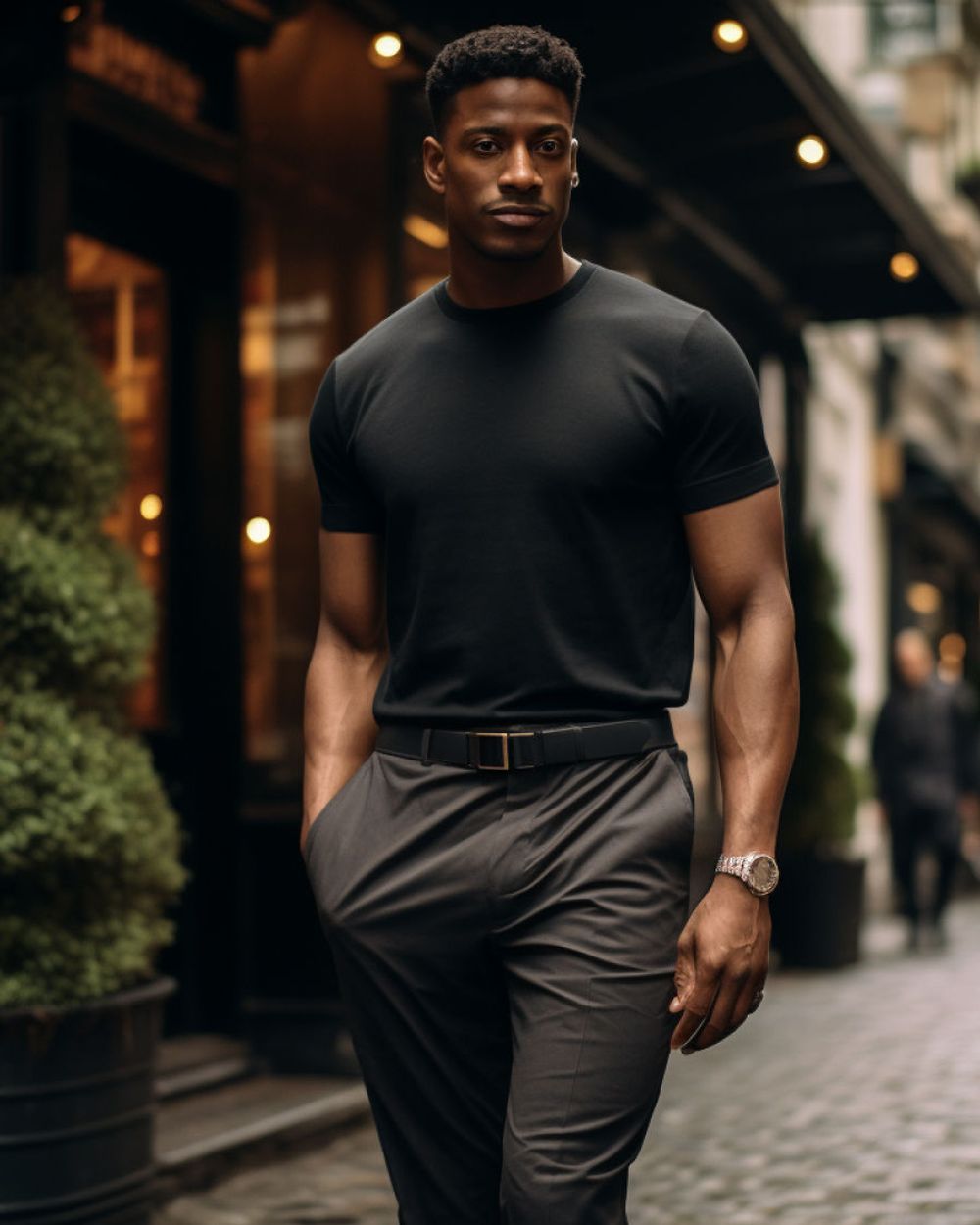
If you have an important meeting, wear a pale blue dress shirt, navy pants, and black dress shoes. For a relaxed Friday, switch to a white T-shirt, grey chinos, and white sneakers.

Credit: hespokestyle.com
Dress Shirt, T-shirt, And Pant For Women
Women have more options for styling these basics. Here’s how to make them work:
Classic Looks
- Dress shirt + tailored pants: Perfect for work or interviews. Add a belt and flats.
- T-shirt + high-waisted trousers: Tuck in the T-shirt for a chic silhouette.
- Open shirt over T-shirt + jeans: Casual and stylish, good for weekends.
Accessories
- Scarves: Add color or pattern.
- Jewelry: Simple necklaces or earrings can dress up a plain top.
- Handbags: Choose based on the occasion—structured for work, casual for weekends.
Practical Example
For a smart-casual event, wear a black T-shirt, cream trousers, and a statement necklace. For a business meeting, a white dress shirt, navy pants, and low-heel pumps always look sharp.
Seasonal Styling Tips
Your choices change with the weather. Here’s how to adapt:
Warm Weather
- Choose linen shirts and pants for breathability.
- Wear light colors to stay cool.
- Roll up sleeves and choose no-show socks.
Cold Weather
- Layer a T-shirt under a dress shirt for warmth.
- Add a sweater or jacket.
- Choose thicker materials like wool or denim.
Rainy Days
- Pick quick-dry fabrics and avoid long pants that touch the ground.
- Consider darker colors to hide water spots.
Credit: www.hockerty.com
Caring For Dress Shirts, T-shirts, And Pants
Good care keeps clothes looking new. Here are simple steps:
Washing
- Wash dress shirts in cold water to prevent shrinking.
- Turn T-shirts inside out to protect prints.
- Wash pants less often, especially jeans.
Drying
- Hang shirts to dry to reduce wrinkles.
- Tumble dry T-shirts on low heat.
- Avoid high heat for pants—this can damage fabric.
Ironing
- Dress shirts need ironing for a crisp look.
- Steam T-shirts to remove wrinkles.
- Pants may need pressing at the front for formal occasions.
Storage
- Hang dress shirts on wide hangers.
- Fold T-shirts to save space.
- Hang pants by the waistband or fold neatly.
Non-obvious Care Tip
Don’t use fabric softener on stretch pants—it can break down the elastic fibers over time.
How To Shop For Quality Dress Shirts, T-shirts, And Pants
Smart shopping saves time and money. Here’s what to do:
Set A Budget
Quality costs more but lasts longer. Set a budget for basics.
Check The Stitching
Look for neat, even stitches. Loose threads and uneven seams show poor quality.
Try On Different Fits
Sizes vary between brands. Always try on before buying, especially pants.
Test The Fabric
Feel the fabric. High-quality cotton feels smooth, not scratchy. Stretch the T-shirt gently—good fabric springs back.
Buy Versatile Colors First
Start with neutral colors. You can match them with more things. Add bold colors after you have the basics.
Shop Smart
Buy off-season for better prices. For example, buy summer clothes in winter sales.
Avoiding Common Mistakes
- Don’t buy too tight—clothes should allow easy movement.
- Avoid cheap synthetic fabrics that don’t breathe.
- Don’t skip checking washing instructions—some clothes need special care.
Dress Shirt, T-shirt, And Pant Trends
Fashion changes, but some trends stay useful for years.
Minimalism
Simple, solid colors and clean lines are always in style. A plain white shirt or T-shirt is never boring.
Relaxed Fits
Looser fits are trending, but avoid going too oversized unless you style them well. Balance is key—if you wear relaxed pants, pair with a fitted top.
Vintage And Retro
Retro prints on T-shirts, high-waisted pants, and classic shirt patterns are popular. Mix them with modern pieces for a fresh look.
Sustainable Fabrics
Eco-friendly choices like organic cotton and recycled polyester are becoming more common. These are good for the planet and often more comfortable.
Mix Of Formal And Casual
It’s now common to mix a dress shirt with jeans or a T-shirt with tailored pants. Just keep one piece formal and the other casual to maintain balance.
Cultural Differences In Styling
Dress shirts, T-shirts, and pants look different around the world.
- In Europe, slimmer fits are more common.
- In the US, relaxed and comfortable styles are popular.
- In Asia, layering and light fabrics are favored due to warmer climates.
Respect local customs for formal events. For example, some cultures expect long sleeves or closed collars for certain occasions.
Comparing Dress Shirts, T-shirts, And Pants For Different Settings
To help you choose the right combination, here’s a comparison for common situations:
| Setting | Best Top | Best Pant | Key Tip |
|---|---|---|---|
| Office | Dress Shirt | Dress Pants | Tuck in for a sharp look |
| Casual Outing | T-Shirt | Jeans/Chinos | Pick clean shoes |
| Smart Event | Dress Shirt | Chinos/Wool Trousers | Add a blazer |
| Travel | T-Shirt | Stretch Pants | Choose comfort |
Sustainability In Dress Shirts, T-shirts, And Pants
Caring for the planet is important. Here’s how to make better choices:
- Buy from brands that use organic cotton or recycled materials.
- Avoid fast fashion—choose quality that lasts.
- Donate or recycle old clothes instead of throwing them away.
For more on sustainable fashion, check out this Fashion Revolution resource.

Credit: taperedmenswear.com
Building A Capsule Wardrobe
A capsule wardrobe is a small, versatile collection of clothes you can mix and match. With just a few dress shirts, T-shirts, and pants, you can create many outfits.
Basic Capsule Wardrobe Example
- 2 white dress shirts
- 1 light blue dress shirt
- 2 plain T-shirts (white, black)
- 1 striped T-shirt
- 1 pair black dress pants
- 1 pair navy chinos
- 1 pair dark blue jeans
This small group gives you over 10 combinations. Add a blazer, sneakers, and dress shoes for more options.
Frequently Asked Questions
What Is The Main Difference Between A Dress Shirt And A T-shirt?
A dress shirt has a collar, buttons, and is usually long-sleeved. It looks formal and is made from woven fabric. A T-shirt is casual, collarless, short-sleeved, and made from knit fabric.
Can I Wear A T-shirt Under A Dress Shirt?
Yes, wearing a T-shirt under a dress shirt is common. Choose a slim, plain T-shirt in a matching or neutral color. Avoid bold prints that show through.
What Pants Go Best With Dress Shirts?
Dress shirts pair best with tailored pants like dress trousers or chinos. For a modern style, you can wear them with dark, slim jeans.
How Do I Know If My Dress Shirt Fits Properly?
A good dress shirt fit means the collar sits close but is not tight, shoulder seams line up with your shoulders, and the shirt is not too loose or tight at the waist.
How Many Dress Shirts, T-shirts, And Pants Should I Own?
Start with at least two dress shirts, three T-shirts, and two pairs of pants. This gives you enough variety for work, events, and casual days.
Dressing well with shirts, T-shirts, and pants isn’t just about following trends. It’s about understanding what works for your body, your life, and your style. With the right choices, you can look and feel your best every day.
