

Do Workout Clothes Make a Difference? Unveiling the Truth
Do Workout Clothes Make A Difference
Stepping into a gym or going for a run, many notice people dressed in specialized clothes—fitted leggings, moisture-wicking shirts, compression sleeves, and high-performance shoes. This raises a question for many: do workout clothes really make a difference, or is it just about style and trends? Understanding this question matters, especially for those just starting their fitness journey. The truth is, the clothing you choose for exercise does more than affect your appearance. It can influence comfort, performance, safety, and even motivation.
Many people underestimate how much workout gear impacts results and overall experience. Maybe you have tried exercising in old cotton t-shirts and loose shorts, only to find yourself sweaty, uncomfortable, and distracted. Or perhaps you’ve noticed soreness in certain areas and wondered if your clothes were to blame. This article explores the science, practical effects, and hidden factors behind athletic wear. By the end, you’ll know if and how the right apparel can help you move better, feel better, and get more from your workouts.
The Science Behind Workout Clothes
Exercise science and textile engineering have advanced rapidly. Researchers now test how different fabrics and fits affect the body during physical activity. There are three main ways workout clothes impact performance:
- Moisture management: Technical fabrics pull sweat away from the skin (a process called wicking) and let it evaporate, which helps control temperature and reduce irritation.
- Muscle support: Compression gear can stabilize muscles, decrease vibration, and improve circulation, possibly reducing fatigue and speeding up recovery.
- Range of motion: Clothes designed for movement allow stretching, bending, and complex movements without restriction.
A study published in the *Journal of Sports Sciences* showed that athletes wearing compression shorts experienced less muscle soreness after high-intensity exercise. Another research project found that moisture-wicking shirts kept body temperature lower compared to regular cotton shirts, which can help endurance.
Comfort: The Foundation Of Good Performance
Most people focus on how they look in their clothes, but comfort is much more important for exercise. Uncomfortable clothing distracts, causes chafing, or even blisters. Over time, small irritations can lead to bigger problems, such as skin infections or giving up on workouts altogether.
What Makes Clothes Comfortable?
- Fit: Not too tight, not too loose. The right fit reduces rubbing and bunching.
- Seams: Flat seams or seamless designs prevent skin irritation.
- Fabric: Soft, breathable materials that move with your body.
For example, runners often choose socks without thick seams and with reinforced heels. Cyclists wear padded shorts to protect against saddle soreness. These details make a big difference over long sessions.

Credit: colosseumathletics.com
Moisture Management: Staying Dry And Healthy
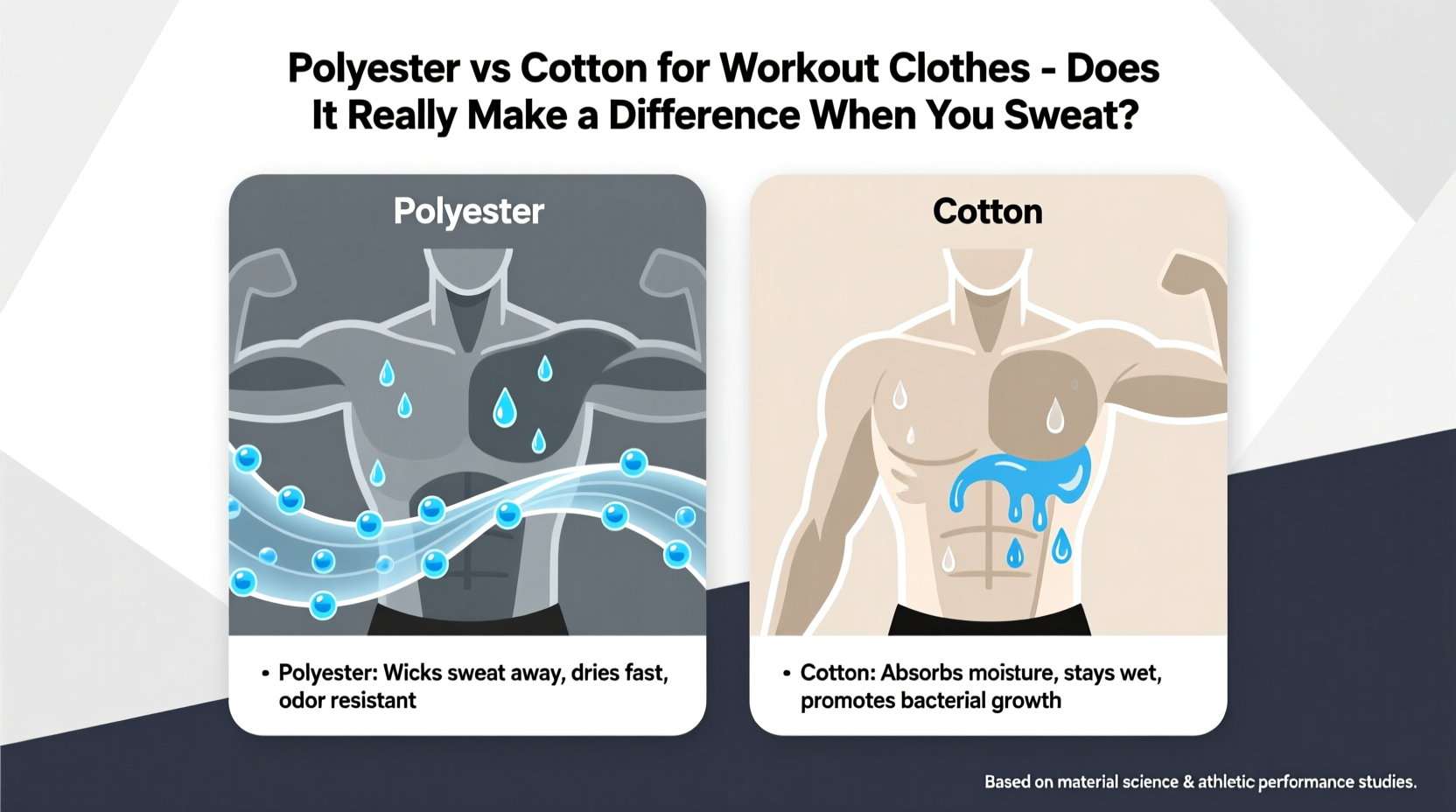
Sweat is a natural part of exercise. However, staying wet is not only uncomfortable but can also lead to skin problems and overheating. Cotton, for example, soaks up sweat and dries slowly, which can cause chills in cold weather or overheating in warm conditions.
Moisture-wicking fabrics like polyester blends, nylon, and merino wool pull sweat away from your body and help it evaporate quickly. This keeps your skin dry and your temperature more stable.
Comparing Common Fabrics
Here’s a look at how different materials perform during exercise:
| Fabric Type | Moisture Control | Breathability | Drying Speed |
|---|---|---|---|
| Cotton | Poor | Moderate | Slow |
| Polyester | Excellent | High | Fast |
| Merino Wool | Good | High | Moderate |
| Nylon | Excellent | High | Fast |
Choosing the right fabric for your activity and climate prevents rashes, chills, or excessive sweating, making your session more productive.
Support And Safety: Reducing Injury Risk
Exercise, especially high-impact or repetitive-motion sports, puts stress on muscles and joints. Wearing proper supportive clothing can lower the risk of strains and injuries.
How Clothes Offer Support
- Compression wear: Provides gentle pressure on muscles, which may reduce vibration and micro-tears. This can lead to less fatigue and soreness.
- Sports bras: For women, a well-fitted sports bra prevents breast pain and long-term ligament damage during running and jumping.
- Padded gear: For cycling or weightlifting, padded shorts and gloves can protect pressure points and reduce numbness.
Poor support, like loose shoes or unsupportive bras, can cause discomfort and even injury over time. Investing in the right gear is a form of self-care, not just a style choice.
Range Of Motion: Move Freely, Perform Better
Being able to move without restriction is vital for good form and preventing injury. Clothes that are too tight, stiff, or baggy can get in the way, catch on equipment, or make certain movements awkward.
Stretch fabrics—such as spandex or elastane blends—allow you to squat, lunge, and twist with ease. Yoga pants, for example, are designed to stretch in every direction. Basketball shorts are loose enough for jumping and sprinting.
If you ever found yourself adjusting your shirt or pants during a workout, you’ve experienced how the wrong fit can ruin your focus.
Temperature Control: Exercising In Any Weather
The temperature around you affects how your body performs. The right exercise clothing helps you stay cool in the heat or warm in the cold, making outdoor workouts safer and more pleasant.
Hot Weather
- Lightweight, light-colored fabrics reflect sunlight and heat.
- Breathable mesh panels allow air to circulate.
- Moisture-wicking shirts keep sweat off the skin.
Cold Weather
- Base layers trap warmth while wicking sweat away.
- Windproof jackets block cold air.
- Layering allows you to adjust as your body warms up.
Wearing the wrong clothes for the weather can lead to overheating, dehydration, or even hypothermia.
Psychological Effects: The Power Of “dressing The Part”
One overlooked aspect of workout clothes is their effect on your mind. Psychologists call it “enclothed cognition”—the idea that what you wear influences how you think and act.
People who put on athletic gear often report feeling more motivated, focused, and confident. For some, wearing professional-looking clothes creates a mental “switch” that says, “It’s time to exercise. ” This can make it easier to stick to a routine, push harder, and enjoy the session more.
A survey by a leading sports brand found that over half of respondents exercised more regularly and felt more confident when wearing new or favorite workout clothes.
Hygiene And Skin Health: Preventing Problems
Repeated sweating and friction can lead to skin problems, especially if your clothes hold moisture or bacteria.
- Antimicrobial fabrics prevent odor and bacterial growth.
- Quick-drying clothes reduce the risk of fungal infections.
- Proper fit prevents chafing, blisters, and rashes.
Sports like running, cycling, or team games often involve long sessions and close contact. Wearing the right gear keeps your skin healthy and reduces unpleasant smells.
Credit: www.alibaba.com
Practical Benefits: Convenience, Durability, And Storage
Workout clothes are designed with practical details that help in real-life situations:
- Pockets for keys, phones, or energy gels
- Reflective strips for safety at night
- Reinforced areas for durability in high-wear spots
- Easy to wash and quick to dry
Compared to regular clothes, exercise gear lasts longer under stress and is easier to care for.
Footwear: The Most Critical Piece Of Equipment
While shirts and shorts matter, shoes have the biggest impact on safety and performance. The wrong shoes can cause blisters, joint pain, and even serious injuries.
Choosing The Right Shoes
- Running: Cushioned soles, arch support, and heel stability
- Weightlifting: Flat, hard soles for better ground contact
- Court sports: Good lateral support to prevent ankle twists
A study by the American Podiatric Medical Association found that wearing the wrong shoes increases injury risk by up to 70%. Always match your shoes to your activity.
Gender-specific Clothing Needs
Men and women have different needs when it comes to workout gear.
For Women
- Sports bras: Vital for breast support
- Leggings with wide waistbands: Prevent rolling and slipping
- Built-in liners: Extra comfort and hygiene
For Men
- Moisture control shorts: Help prevent chafing
- Compression undergarments: Support and muscle recovery
Ignoring these differences can lead to discomfort and reduced performance.
Fashion And Expression: Does Style Matter?
Some people think style and color are unimportant. However, feeling good in your clothes can boost motivation and confidence. If you enjoy how you look, you might be more likely to stick with your fitness plan.
At the same time, flashy outfits don’t replace function. The best workout clothes combine both—functionality and your personal style.
Common Myths About Workout Clothes
Many people believe myths that keep them from choosing the best clothes for exercise. Here are some to watch out for:
- “Any old t-shirt is fine.” Cotton gets heavy and uncomfortable when wet.
- “Expensive brands are always better.” Quality matters more than price or label.
- “Compression gear is just for pros.” Anyone can benefit from extra support, especially during long sessions.
- “Tight clothes burn more fat.” No clothing can melt away fat; comfort and function come first.
Understanding these myths helps you make smarter choices.
Real-world Examples: How The Right Gear Helps
Running
Runners often deal with blisters, chafing, and overheating. Technical socks, breathable shirts, and proper shoes reduce these issues and improve performance.
Yoga
Yoga requires flexibility and balance. Stretchy, form-fitting clothes help you move freely and check your alignment in the mirror.
Cycling
Cyclists face saddle soreness and sweat buildup. Padded shorts and moisture-wicking jerseys keep rides comfortable and hygienic.
Weightlifting
Loose clothes can catch on equipment. Fitted shirts and shorts, plus flat shoes, allow safe movement and better control.
Cost Vs. Value: Is It Worth The Investment?
Some worry about spending money on workout gear. While it’s true that high-end brands can be expensive, you don’t have to buy the most costly items.
- Prioritize key items: Shoes, sports bras, and support gear matter most.
- Start with basics: A few quality pieces are better than a closet full of cheap, uncomfortable clothes.
- Watch for sales: Good deals are often available on last season’s styles.
Often, spending a bit more on durable, comfortable gear saves money over time because you replace them less often and avoid injuries.
Environmental Impact: Sustainable Workout Clothing
There’s growing concern about the environmental footprint of synthetic fabrics. Many brands now offer eco-friendly options made from recycled materials, organic cotton, or biodegradable fibers.
- Recycled polyester reduces plastic waste.
- Organic fibers use less water and chemicals.
- Buy less, choose well: Fewer, high-quality items reduce waste.
Caring for your clothes—washing in cold water, air drying—also helps them last longer and reduces impact.

Credit: www.grosgrainfab.com
How To Choose The Right Workout Clothes For You
Here’s a step-by-step guide to picking the best gear:
- Identify your activity. Running, yoga, cycling, or HIIT may each need different features.
- Check the fit. Try on clothes and move around. Look for freedom of movement and no pinching.
- Look for moisture control. Avoid 100% cotton for intense exercise.
- Consider the weather. Layer up or down depending on conditions.
- Prioritize support. Shoes and bras should fit perfectly.
- Test durability. Check seams and stretch by gently pulling the fabric.
- Factor in style and color. If it makes you happy, you’ll wear it more.
- Think about care needs. Some clothes require special washing. Choose what fits your routine.
Comparing Regular Clothes And Workout Clothes
For clarity, here’s how regular clothes stack up against dedicated workout gear:
| Feature | Regular Clothes | Workout Clothes |
|---|---|---|
| Moisture Control | Poor | Excellent |
| Comfort During Exercise | Variable | High |
| Support | Limited | Designed for activity |
| Durability | Wears out quickly | Long-lasting |
| Hygiene | Can trap sweat and bacteria | Often antimicrobial |
| Range of Motion | Can restrict movement | Optimized for movement |
Non-obvious Insights Most Beginners Miss
1. The importance of layering: Many people think one thick layer is enough in cold weather, but several thin, moisture-wicking layers work better. The inner layer pulls sweat away, the middle layer insulates, and the outer layer protects from wind or rain.
2. Washing affects performance: Detergent buildup can block the moisture-wicking properties of fabrics. Occasionally, run your gear through a rinse cycle without detergent to restore performance.
When Workout Clothes Matter Most
While any clothing is better than no exercise, the benefits of proper gear become clear in certain situations:
- Long sessions: The longer you work out, the more comfort and support matter.
- High-intensity workouts: Sweat control and movement make a big difference.
- Outdoor activities: Weather protection and visibility can be life-saving.
- Recovery and injury prevention: Compression and support gear help avoid problems.
Are There Downsides To Specialized Gear?
The main downside is cost. Some brands overcharge for small improvements. Also, synthetic fabrics can develop odors if not cared for properly, and some may cause allergies. Always check for comfort, and wash gear regularly.
A small number of people may also find compression gear uncomfortable or restrictive. It’s important to try on different types and sizes before making a final choice.
How To Care For Workout Clothes
Proper care keeps your gear working well and smelling fresh.
- Wash after every use. Don’t let sweat sit.
- Avoid fabric softeners. They can block wicking.
- Air dry when possible. Heat can damage elastic fibers.
- Store in a dry place. Prevents mildew and odors.
Following these steps extends the life of your investment.
The Role Of Technology In Workout Clothes
Modern workout gear often includes advanced features:
- UV protection: Shields skin during outdoor workouts.
- Smart fabrics: Track heart rate or monitor movement.
- Odor control: Built-in silver ions or bamboo fibers fight bacteria.
These features may not be necessary for beginners but can add value for regular exercisers.
Final Thoughts: Do Workout Clothes Make A Difference?
Looking at comfort, performance, safety, and even motivation, it’s clear that workout clothes are more than just fashion. They are tools that help you get the most from your body, avoid injuries, and enjoy the process. While you don’t need a closet full of high-tech gear to get started, investing in the right pieces makes exercise easier and more enjoyable.
Small things—like a shirt that stays dry, shoes that support every step, or pants that stretch with you—add up to big changes over time. Next time you’re about to exercise, remember: what you wear can help you move better, feel better, and reach your goals.
For those who want to dig deeper into the science, the American College of Sports Medicine offers helpful resources on this topic. You can check their detailed guides here: American College of Sports Medicine.
Frequently Asked Questions
What Is The Most Important Piece Of Workout Clothing?
The most critical item is usually shoes, as they protect your feet, support your joints, and match the needs of your activity. For women, a well-fitted sports bra is equally important for comfort and safety.
Can Workout Clothes Really Help Prevent Injuries?
Yes, proper workout gear—especially shoes, sports bras, and compression wear—can reduce the risk of blisters, strains, and other common injuries by offering support and reducing friction.
Is It Necessary To Buy Expensive Workout Clothes?
No, price does not always equal quality. Look for comfort, fit, and appropriate features for your activity, rather than focusing on brand or cost. Many affordable options offer excellent performance.
How Often Should I Replace Workout Clothes?
Replace gear when it loses shape, support, or moisture-wicking ability. Shoes usually need replacing after several hundred miles of use, while bras and compression garments may last longer if cared for properly.
What Should I Look For When Buying Workout Clothes For The First Time?
Focus on fit, moisture management, and support. Try on clothes and move around. Choose items that feel comfortable and allow a full range of motion. Avoid 100% cotton for activities that make you sweat a lot.
---
Choosing the right workout clothes is not just about looking good—it’s about feeling and performing your best, no matter where you start.
