

Do Workout Clothes Make a Difference? The Truth Revealed
Do Workout Clothes Make A Difference
Every time you enter a gym, run in the park, or scroll through social media, you see people in specialized workout clothes. Some wear fitted leggings, others have moisture-wicking shirts, and a few still use old cotton t-shirts. Maybe you wonder: do these clothes actually matter, or is it just a style trend? The truth is, workout clothes can affect your comfort, performance, and even safety. Let’s explore how the right clothing choices can help you get more from your exercise, and why what you wear is more important than most people realize.
How Workout Clothes Impact Performance
The first thing to understand is that workout clothes are designed with specific activities in mind. They use different fabrics, cuts, and features to support your body and movements. Wearing the right clothes can boost your performance in several ways.
Better Range Of Motion
Clothes made for exercise usually have some stretch. For example, yoga pants use spandex or elastane, letting you move freely. If your clothes are too tight, too loose, or made from stiff fabric, you might find it hard to stretch, squat, or lift your arms. This restriction doesn’t just feel uncomfortable—it can also make your workouts less effective.
Sweat Management
When you exercise, your body sweats to cool down. If your shirt or shorts soak up sweat and stay wet, your skin feels sticky and you may get rashes. Most workout clothes use moisture-wicking fabrics. These materials pull sweat away from your skin and dry quickly, which helps you stay cool and dry. This is especially important for long runs, cardio sessions, or hot climates.
Temperature Control
The right workout gear can help you keep a steady body temperature. In cold weather, thermal layers trap warmth but let sweat escape. In hot weather, lightweight, breathable clothes prevent overheating. Good temperature control keeps your energy levels up and reduces the risk of heat exhaustion or chills.
Muscle Support
Some workout clothes, such as compression garments, gently squeeze your muscles. This support can reduce muscle vibration, lower fatigue, and help with blood flow. While compression clothing isn’t magic, it can make a difference for runners or athletes doing high-impact sports.
Confidence And Motivation
There’s a psychological side too. When you wear clothes designed for exercise, you often feel more confident and motivated. This “dress for success” effect is real. If you feel good in your outfit, you’re more likely to push yourself and enjoy your workouts.
Fabric Choices: Why Material Matters
Not all fabrics are equal when it comes to working out. The material of your clothes can determine how comfortable you feel, how much you sweat, and even if you develop skin problems.
Cotton Vs. Synthetic Fabrics
Cotton is soft and natural, but it absorbs moisture and dries slowly. After a tough workout, cotton shirts can feel heavy and wet. Synthetics like polyester, nylon, and spandex are popular because they wick moisture and dry quickly.
Key Fabric Features
- Moisture-wicking: Moves sweat away from the body.
- Breathable: Allows air to flow, keeping you cool.
- Quick-drying: Prevents clothes from staying wet.
- Stretchy: Supports a full range of motion.
Many brands blend these features together for the best results. For example, you might find a polyester shirt with mesh panels for extra ventilation.
Antimicrobial And Odor Control
Some workout clothes have antimicrobial treatments that stop bacteria from growing. This keeps your clothes smelling fresh, even after intense workouts. If you sweat a lot or work out in groups, this feature can make a big difference.
Safety Benefits Of Proper Workout Clothes
The right clothes don’t just help you perform—they also protect you from injuries and hazards.
Reducing Chafing And Blisters
Loose seams, rough fabrics, or clothes that rub can cause chafing and blisters. This is common with long runs or cycling. Clothes made for sports often have flat seams, smooth materials, and designs that reduce friction.
Sun Protection
If you exercise outdoors, UV rays can harm your skin. Many workout shirts and hats offer UPF (Ultraviolet Protection Factor) ratings, blocking harmful rays. This is especially important for runners, hikers, and anyone who spends time in the sun.
Injury Prevention
Supportive shoes, compression sleeves, and proper sports bras can prevent injuries. For example, a well-fitted sports bra reduces breast movement and discomfort during high-impact activities. Supportive shoes protect your ankles and knees. These details matter more than most beginners realize.
Visibility
If you run or cycle in low light, reflective strips or bright colors make you more visible to cars and other people. This simple feature can prevent accidents.
Comparing Workout Clothes To Regular Clothes
To see the real difference, let’s compare workout clothes with everyday clothes using a simple table:
| Feature | Workout Clothes | Regular Clothes |
|---|---|---|
| Moisture-wicking | Yes | No |
| Stretch/Flexibility | High | Low to Medium |
| Odor Control | Often | Rare |
| Chafing Protection | Designed to prevent | Not designed for sports |
| Temperature Control | Good | Poor |
| Visibility Features | Available | Rare |
As you can see, workout clothes have clear advantages for exercise. Regular clothes may be fine for light stretching or short walks, but they fall short for anything intense.
Choosing The Right Workout Clothes For Different Activities
The best clothing depends on your activity. Here’s how to pick the right gear for common workouts:
Running
Look for moisture-wicking shirts, lightweight shorts or tights, and socks that prevent blisters. Shoes should match your foot shape and running style. Reflective details are a bonus for early morning or evening runs.
Yoga And Pilates
Choose stretchy leggings or shorts and a fitted top that won’t slide during poses. Avoid zippers or buttons that dig into your skin during floor moves.
Weightlifting
Wear clothes that allow a wide range of motion but aren’t too baggy. A fitted shirt and shorts or pants with some stretch work well. Good shoes with a flat, stable base help with balance.
Cycling
Cycling shorts with a padded seat protect against saddle sores. A moisture-wicking jersey and cycling gloves reduce sweat and improve grip. If you ride outside, a helmet is a must.
Swimming
For pool workouts, choose a snug swimsuit made from chlorine-resistant material. Goggles protect your eyes, and a swim cap reduces drag.
Team Sports
Sports like basketball, soccer, or tennis require clothes that let you move fast and change direction. Breathable jerseys, shorts, and supportive shoes are essential.
Outdoor Activities
If you hike or train outside, layer your clothes. Start with a moisture-wicking base, add a warm layer for cold weather, and finish with a wind- or rain-resistant jacket if needed.
The Role Of Fit: Not Too Tight, Not Too Loose
Fit is just as important as fabric. Clothes that are too tight can restrict blood flow, limit movement, and even cause numbness. Clothes that are too loose may get in the way or catch on equipment. Here’s a quick guide:
- Fitted tops: Stay in place, don’t ride up or shift during movement.
- Flexible bottoms: Let you squat, lunge, or stretch without pulling.
- Supportive undergarments: Sports bras, compression shorts, and socks designed for activity.
If you’re trying a new brand or style, move around in the fitting room. Raise your arms, squat, or twist. This helps you see if the clothes will stay comfortable during real workouts.
Psychological Effects: Why Looking Good Can Help You Perform Better
It’s not just about science—workout clothes affect your mind too. When you wear clothes that fit well and look good, you often feel more motivated. This is called “enclothed cognition.” The clothes you put on can change how you think and act.
For example, people who put on workout gear are more likely to exercise. They also report feeling more focused and energetic. This mental boost can help you push through tough workouts, try new activities, or stick to your routine. So, choosing the right outfit isn’t just vanity—it can actually help you reach your fitness goals.
Common Mistakes When Choosing Workout Clothes
Many beginners make simple mistakes that make exercise harder or less enjoyable. Avoid these common problems:
1. Choosing Fashion Over Function
Trendy outfits may look good but can be uncomfortable or impractical. Always check the fabric and fit, not just the style.
2. Wearing Old Cotton Shirts
While it’s tempting to use old t-shirts, they trap sweat and can cause rashes.
3. Ignoring Shoe Fit
Shoes that don’t fit or support your activity can cause blisters, pain, or injuries.
4. Skipping Proper Undergarments
Regular bras or underwear can chafe or offer little support. Sports bras and seamless underwear are better for exercise.
5. Forgetting About Weather
Wearing too many layers in hot weather or too few in cold weather can be dangerous.
6. Not Considering Visibility
If you run or cycle outside, always wear something reflective.
7. Neglecting Hygiene
Not washing your workout gear often can lead to odor and skin issues.
8. Buying Clothes That Don’t Fit Well
Many people buy too tight or too loose clothes, thinking they will “grow into them. ” Comfort is key from the start.

Credit: gymhugz.com
Real-life Examples: How Workout Clothes Help Different People
Let’s look at some real situations where the right clothes made a big difference.
- Marathon Runner: Ana used to wear regular cotton shirts for long runs. She often got blisters and felt weighed down. After switching to a moisture-wicking top and running shorts, her comfort improved, and she finished races with fewer problems.
- Yoga Beginner: Liam wore baggy shorts and a loose shirt to yoga class. His shirt would slide during downward dog, and the shorts restricted his hips. Once he tried fitted leggings and a tank top, his movements felt easier and more controlled.
- Outdoor Cyclist: Priya loved cycling but often felt sore after long rides. She switched to padded cycling shorts and a vented jersey, which made rides more comfortable and reduced sweat build-up.
These examples show that workout clothes are not just a trend—they solve real problems.
Cost Vs. Value: Are Expensive Workout Clothes Worth It?
Some workout brands charge high prices for their gear. Is it worth spending more? The answer depends on your needs.
- Budget options are often fine for beginners or low-impact activities. Look for basic moisture-wicking shirts and stretchy pants.
- Mid-range brands usually offer better fit, longer-lasting fabrics, and more features.
- Premium brands may add style, special technology, or status, but not everyone needs these extras.
What matters most is comfort, durability, and the right features for your activity. You don’t have to buy the most expensive clothes, but avoid the cheapest options that may fall apart or cause discomfort.
Sustainability And Workout Clothes
More people care about the environment and want clothes that are eco-friendly. Some brands use recycled materials, less water, or safer dyes. While these options can cost a bit more, they help protect the planet.
If this is important to you, look for brands that explain their materials and processes. Check for certifications or reviews from trusted groups.
How To Care For Workout Clothes
To keep your workout gear in good shape, follow these tips:
- Wash after every use to remove sweat, bacteria, and odor.
- Avoid fabric softener as it can block moisture-wicking properties.
- Air dry if possible; high heat can damage elastic fibers.
- Turn clothes inside out before washing to protect colors and prints.
- Store in a dry place to prevent mildew and odor buildup.
Taking care of your gear means it lasts longer and performs better.
Comparing Popular Workout Clothing Brands
Here is a look at how some well-known brands compare on key features:
| Brand | Moisture-Wicking | Fit Range | Price Level | Sustainability Options |
|---|---|---|---|---|
| Nike | Excellent | Wide | Mid-High | Yes |
| Adidas | Very Good | Wide | Mid | Yes |
| Under Armour | Very Good | Medium | Mid | Some |
| Lululemon | Excellent | Medium | High | Some |
| Decathlon | Good | Wide | Low-Mid | Limited |
Remember, what matters is not the logo, but the fit, function, and comfort for your body and your workout.
Special Features In Modern Workout Clothes
Today’s workout clothes come with features that go beyond basic fabric and fit. Here are some you might see:
- Zippered pockets: For holding keys, cards, or music players.
- Mesh panels: For extra breathability in sweaty areas.
- Thumbholes: Keep sleeves in place during stretching or running.
- Anti-odor treatment: Stops bacteria from growing, keeping you smelling fresh.
- Seamless construction: Reduces chafing and irritation.
- Reflective details: For safety in low-light conditions.
While not everyone needs all these features, they can make your workouts more convenient and enjoyable.

Credit: www.grosgrainfab.com
Workout Clothes For Different Body Types
Finding the right fit can be hard if you have a unique body shape. Look for brands with inclusive sizing. Many now offer petite, tall, plus, or athletic cuts. A good fit makes you more comfortable and confident, whatever your size.
If you struggle to find clothes that fit, try shopping online for specialty brands or read reviews from people with similar body shapes.
The Science: What Studies Show
Research supports the idea that workout clothes can make a difference. For example, moisture-wicking fabrics can reduce skin irritation, and compression garments may help muscle recovery. Studies also show that people wearing proper sports gear are less likely to get injured and more likely to stick with their exercise routines.
One research summary on National Center for Biotechnology Information explains that specialized clothing can improve comfort, confidence, and physical safety.
Kids And Workout Clothes
Children benefit from proper workout clothes too. They move a lot, get sweaty, and are prone to skin rashes. Kids need clothes that are durable, easy to wash, and allow free movement. If your child plays sports, invest in gear designed for their activity and age group.
When Workout Clothes Are Not Necessary
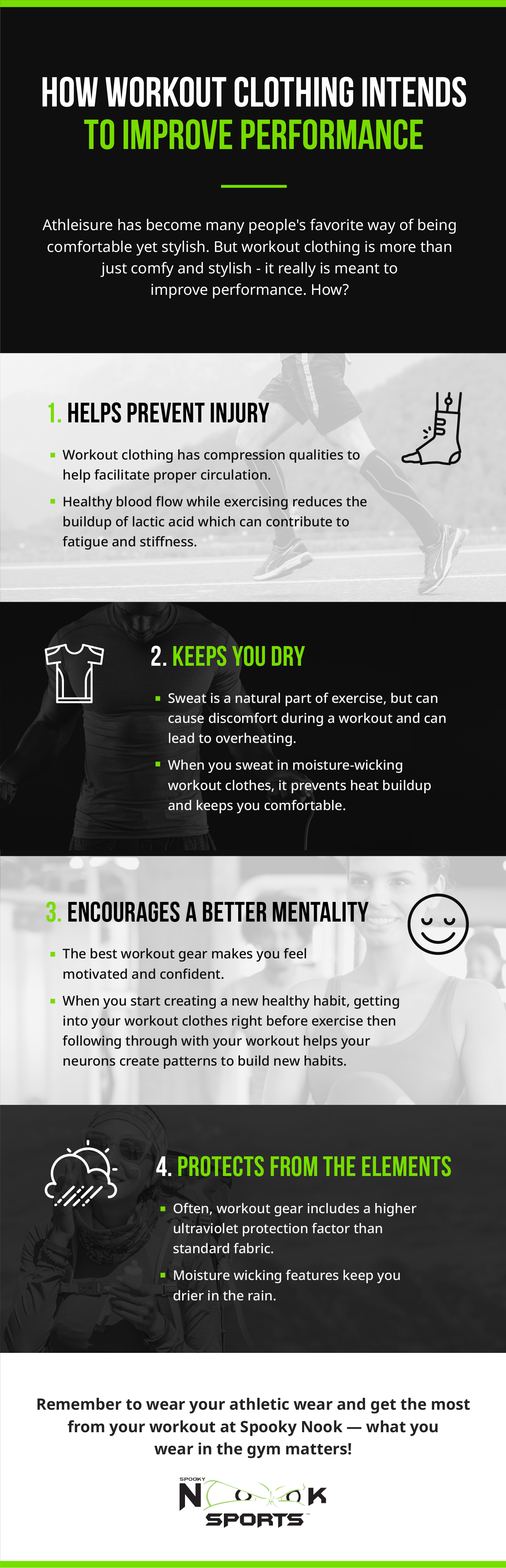
For very gentle activities—like slow stretching or short walks—basic comfortable clothes may be enough. But as soon as you sweat, jump, or move a lot, workout clothes start to show their value. If you’re serious about exercise, the right outfit is a smart investment.
Credit: www.spookynooksports.com
Frequently Asked Questions
What Is The Most Important Feature In Workout Clothes?
The most important feature is moisture-wicking fabric. It keeps you dry and prevents skin problems. After that, look for a good fit and enough stretch for your activity.
Can I Use Regular Clothes For Working Out?
You can, for light activities like walking or gentle stretching. For intense workouts, regular clothes may cause discomfort, chafing, or overheating. Workout clothes are better for most exercises.
How Often Should I Replace Workout Clothes?
Replace clothes when they lose their shape, feel uncomfortable, or stop wicking moisture. Shoes should be replaced when the soles wear out or you feel less support—usually after several hundred kilometers of use.
Do Expensive Workout Clothes Perform Better?
Not always. Expensive clothes often have better fit and more features, but many mid-range or budget options work well. Focus on comfort, durability, and the right features for your needs.
How Do I Care For My Workout Clothes To Make Them Last?
Wash after every use, avoid fabric softener, and air dry if possible. Turn clothes inside out before washing, and store them in a dry place. This keeps your gear in good condition for longer.
When you choose workout clothes that fit your body, suit your activity, and use the right materials, you’ll feel the difference. You’ll stay more comfortable, perform better, and avoid common problems like chafing, overheating, or injuries. While style is nice, focus on the features that help you move, sweat, and recover. The right gear gives you the freedom to focus on your goals—and makes every workout a little easier and more enjoyable. If you’re serious about fitness, your clothes are just as important as your shoes, routine, or nutrition.
