

Do Not Top off Tank Meaning: Why It Matters for Your Car
Do Not Top Off Tank Meaning: What Drivers Should Know
If you have ever been at a gas station, you may have heard someone say, “Don’t top off your tank.” But what does do not top off tank really mean? Many drivers believe that squeezing a little more fuel after the pump clicks off is harmless or even smart. In reality, this habit can cause problems for your car, your wallet, and even the environment. Understanding why topping off is discouraged can help you make better choices every time you fill up.
Let’s explore what “do not top off tank” really means, why it matters, and how it affects your vehicle and daily life. This guide will clear up common myths, offer practical advice, and help you avoid costly mistakes at the pump.
What Does “do Not Top Off Tank” Mean?
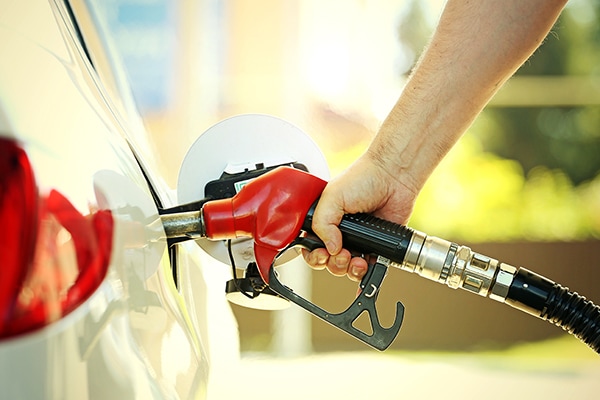
When you fill up your car at a gas station, the pump is designed to automatically stop the flow of fuel once your tank is full. This automatic shutoff is a safety feature to prevent spills and overfilling. Topping off the tank means adding more gas after the pump has already clicked off. Some people do this to “round up” to a certain dollar amount or to squeeze in a bit more fuel.
So, do not top off tank means you should stop pumping when the handle clicks off the first time. Do not try to add more gasoline after this point.
Why Drivers Top Off Their Tanks
Many drivers top off their tanks for reasons that seem logical at first:
- To get a round number: Some people like to stop at an even $20 or $50.
- To maximize mileage: Others think they can travel further by squeezing in a few extra drops.
- To avoid another trip: Some believe topping off means fewer stops at the pump.
While these reasons are understandable, they are based on myths or misunderstandings. The actual amount you “gain” is very small and often not worth the risks involved.
How Gas Pumps Know When To Stop
Modern gas pumps have a special sensor inside the nozzle. When you pump fuel, air and vapor move through tiny holes in the nozzle. As your tank fills up, the liquid gasoline blocks these holes, creating a change in air pressure.
The sensor detects this change and automatically shuts off the flow.
This system is designed to work with the gasoline vapor recovery system in your car. When you continue to pump after the automatic shutoff, you are overriding an important safety feature.
What Happens When You Top Off Your Tank?
Topping off your tank may seem harmless, but it can actually create several problems:
1. Fuel Spills
Adding more fuel after the pump clicks off can cause gasoline to overflow. Spilled fuel can stain your car, create strong smells, and even damage paint.
2. Damage To Vapor Recovery System
Cars have a system that captures gasoline vapors to prevent them from escaping into the air. Overfilling can force liquid gasoline into this system, damaging expensive components.
3. Wasted Money
The extra fuel you try to add often doesn’t stay in your tank. It can be sucked back into the pump’s vapor recovery system, meaning you pay for fuel you don’t actually keep.
4. Environmental Impact
Spilled fuel and extra vapors contribute to air pollution and can harm local water sources.
Credit: www.wrenvironmental.com
Dangers Of Topping Off Your Gas Tank
Let’s look at these risks in more detail.
Fuel Spillage And Its Consequences
When you top off, any extra gasoline can spill out of the filler neck. Even a small spill can:
- Damage your car’s paint and finish
- Leave strong, lingering odors
- Create fire hazards at the pump
Gasoline is highly flammable and toxic. Repeated spills can harm your health and the environment.
Damage To The Evaporative Emission System
Modern vehicles use an evaporative emission control system (EVAP) to catch harmful vapors. The EVAP system has a charcoal canister that traps gasoline fumes before they escape into the air.
If you top off your tank:
- Liquid fuel can enter the EVAP system
- The charcoal canister can become saturated
- Repairs can be expensive and time-consuming
A damaged EVAP system can also cause your “check engine” light to turn on, leading to failed emission tests and more repair bills.
Money Down The Drain
Many gas stations have vapor recovery systems that capture excess fuel and vapors. When you try to add more fuel after the pump shuts off, some of it can be sucked back into the station’s tank instead of staying in your car. You pay for this fuel, but you don’t benefit from it.
Environmental Harm
Gasoline spills and vapors contribute to air pollution and can seep into the soil. Over time, these small spills can add up, harming plants, animals, and even groundwater. The vapor recovery system is designed to protect the environment; topping off works against this goal.
Comparing: Topping Off Vs. Stopping At First Click
To help you see the difference, here’s a comparison of what happens when you top off versus when you stop at the first click.
| Stop at First Click | Topping Off | |
|---|---|---|
| Fuel Spills | Rare | More Likely |
| Damage to EVAP System | Unlikely | Possible |
| Wasted Money | No | Yes |
| Environmental Impact | Low | Higher |
You can see that stopping at the first click is safer and cheaper in the long run.
How Much Fuel Can You Really Add By Topping Off?
Some drivers believe topping off gives them “more for their money. ” In reality, the extra amount you can add is very small—usually less than half a liter.
- Typical gas tank size: 40-60 liters
- Fuel added by topping off: 0.1 to 0.5 liters
This small amount makes almost no difference in driving range, but the risks are much higher.
Impact On Your Car’s Health
Over time, topping off can harm your vehicle. The EVAP system is not designed to handle liquid gasoline. If it gets damaged:
- Your car may run poorly
- You could fail emissions tests
- Repairs can cost hundreds or even thousands
Letting the pump stop automatically protects your car’s health and saves you from future headaches.
Environmental Reasons Not To Top Off
Gasoline contains chemicals that easily turn into vapors. These vapors contribute to ground-level ozone, which is harmful to breathe and damages plants. When you top off, more vapors escape, even if you don’t see them.
Spilled gasoline can also run off into storm drains, rivers, and lakes. This affects fish, wildlife, and people. By following the “do not top off tank” advice, you help protect the air and water in your community.
Gas Station Technology: Vapor Recovery Systems
Many gas stations have vapor recovery systems built into their pumps. These systems are designed to capture excess fuel and vapors to prevent pollution.
Here’s how they work:
- When you pump gas, vapors are sucked into a special chamber inside the nozzle.
- If you overfill, extra fuel can be drawn back into the gas station’s underground tank.
- You pay for this fuel, but your car doesn’t get it.
This means topping off is not just risky—it’s often a waste of money.
Credit: www.ourair.org
Common Myths About Topping Off
Many drivers believe myths that lead them to top off their tanks. Let’s clear up a few:
- Myth 1: Topping off saves me money
Fact: The extra fuel is usually lost or sucked back into the pump’s vapor system.
- Myth 2: My car needs a full tank to run better
Fact: Your car will run the same whether you fill it to the brim or stop at the first click.
- Myth 3: It’s okay if I’m careful
Fact: Even careful topping off can cause spills or damage the EVAP system.
- Myth 4: I get more miles per tank
Fact: The extra amount is too small to make any real difference.
Believing these myths can cost you money and lead to car troubles later.
Real-world Examples And Data
Studies by environmental agencies show that topping off increases the risk of fuel spills and air pollution. For example, a study in a major city found that gas station spills contributed up to 10% of local groundwater pollution in urban areas.
Car repair shops also report that a significant number of EVAP system failures are related to overfilling. The cost to replace a damaged EVAP canister can range from $200 to over $1,000, depending on the car model.
What You Should Do At The Pump
To avoid these problems, follow these simple steps:
- Insert the nozzle fully into your car’s filler neck.
- Squeeze the handle and let the pump run.
- When the handle clicks off, do not add more fuel.
- Remove the nozzle and replace your gas cap.
If you want to avoid spills and save money, trust the pump’s automatic shutoff.
How To Break The Habit Of Topping Off
Some people find it hard to stop topping off because it feels like a routine or a small way to save money. Here are some tips to help break the habit:
- Remind yourself of the risks to your car and wallet
- Focus on letting the pump do its job
- If you like round numbers, pay inside with cash instead
- Watch for warning signs at the station—many pumps post reminders not to top off
Once you understand the real risks, it’s easier to change your behavior.
Credit: www.toyotaofplano.com
Car Owner Mistakes When Filling Up
Many drivers make these mistakes at the pump:
- Ignoring the first click: Believing the tank is not really full.
- Forcing extra fuel: Trying to squeeze in a few more cents worth of gas.
- Not checking for leaks: Failing to look for spills or drips around the filler neck.
- Leaving the engine running: This can be dangerous and is illegal in some areas.
Avoid these mistakes to protect your car and yourself.
Topping Off And Modern Vehicle Technology
Today’s vehicles are more sensitive to overfilling than older models. Modern fuel systems are pressurized and sealed. Overfilling can:
- Cause sensors to malfunction
- Lead to rough idling or starting problems
- Increase repair costs due to damaged components
Always follow your car’s manual and the pump’s safety instructions.
Data: Cost Of Evap System Repairs
To see how expensive topping off can be, look at the typical costs for EVAP system repairs:
| Component | Average Repair Cost |
|---|---|
| Charcoal Canister | $200 - $600 |
| EVAP Purge Valve | $150 - $300 |
| Fuel Tank Sensor | $100 - $400 |
These costs are much higher than any “savings” you might get from topping off your tank.
Tips For Safe And Efficient Refueling
To make your refueling experience safer and smarter, try these tips:
- Always wait for the first click, then stop
- Hold the nozzle firmly and avoid distractions
- Check your gas cap for wear or damage
- If you spill fuel, clean it up right away
- Park with your car level to help the pump work correctly
By following these habits, you protect both your car and the environment.
Comparing Refueling Habits: Efficient Vs. Risky
Here’s a side-by-side look at smart refueling habits compared to risky ones:
| Efficient Habits | Risky Habits |
|---|---|
| Stop at first click | Topping off after shutoff |
| Check for spills | Ignore fuel on the ground |
| Replace gas cap tightly | Leave cap loose or off |
| Stay alert at pump | Use phone or get distracted |
Choosing efficient habits is the easiest way to save money and avoid problems.
The Role Of Gas Station Warnings
You may notice stickers or signs on gas pumps that say, “Do not top off. ” These warnings are not just for show. They are required in many areas because of the health, safety, and environmental risks.
If you ignore these warnings, you may be violating local laws or gas station rules. Some regions even have fines for causing spills or damaging pump equipment.
How Topping Off Can Affect Gas Mileage
Some drivers believe that squeezing in a bit more fuel helps them go further before the next fill-up. In reality, the difference is almost zero. Your fuel gauge may show a tiny increase, but the actual driving range does not change enough to matter.
Instead, focus on regular maintenance, proper tire pressure, and smooth driving to get the best mileage.
What If You Accidentally Top Off?
If you accidentally add a bit more fuel after the first click, don’t panic. One small overfill is not likely to cause major damage. But if you make it a habit, the risks add up over time.
If you notice a strong fuel smell, a wet area around the filler, or your check engine light comes on soon after filling up, have your car checked by a mechanic.
Expert Recommendations
Automakers, environmental agencies, and even fuel companies all agree: do not top off tank. Following this advice:
- Protects your car from expensive repairs
- Reduces pollution and fire risk
- Saves you money in the long run
If you want more details or technical explanations, the U.S. Environmental Protection Agency offers helpful resources: EPA: Why You Should Not Top Off Your Tank.
Two Non-obvious Insights Most Drivers Miss
- Gasoline can expand: On hot days, gasoline expands inside your tank. If you top off, you leave less space for this expansion, which can force fuel into the vapor system or out through the vent, even after you drive away.
- Pump calibration varies: Not all pumps stop at exactly the same moment. Some may shut off slightly early or late. Trusting the automatic shutoff is still the best and safest method.
Frequently Asked Questions
What Does “do Not Top Off Tank” Really Mean?
It means you should stop pumping fuel as soon as the gas pump automatically shuts off for the first time. Adding more gas after this point is called topping off and is discouraged because it can cause spills, damage your car’s vapor system, and waste money.
Is It Ever Okay To Top Off My Gas Tank?
No. Even if you want to reach a round number or think you can drive further, the risks outweigh the small extra amount of fuel you might add. It is always safer to stop at the first click.
Can Topping Off Damage My Car?
Yes, topping off can force liquid gasoline into the EVAP system, damage the charcoal canister, and cause sensors to fail. These repairs can be expensive and may cause your car to fail emissions tests.
Does Topping Off Actually Give Me More Gas?
Not really. The extra amount is usually very small and some may be sucked back into the pump’s vapor recovery system. You pay for more fuel, but your car may not keep it.
What Should I Do If I Accidentally Overfill My Tank?
If you overfill once by mistake, there is usually no need to worry. However, if you notice a strong fuel smell, a wet area around the filler, or a check engine light, have your car checked by a mechanic.
Making smart choices at the pump is a simple way to protect your vehicle, your wallet, and the world around you. Next time you fill up, remember: trust the first click, and never top off your tank.
