

Designer Shirts for Men: Top Trends and Styling Tips 2024
Designer Shirts For Men
When you think of making a statement with your wardrobe, few items do it better than a designer shirt. From sharp tailoring to bold prints, designer shirts for men have become a key part of modern style. Whether you want to stand out at a formal event, look sharp at work, or just feel confident on a weekend, the right shirt can transform your look.
But with so many brands, fabrics, and styles available, choosing a designer shirt can feel overwhelming. This guide will help you understand what matters most, avoid common mistakes, and make smart choices for your budget and taste.
Why Designer Shirts Matter
A designer shirt is more than just a piece of clothing. It speaks about your attention to detail, your sense of style, and sometimes even your status. While regular shirts might be fine for day-to-day use, designer shirts offer better materials, advanced construction, and unique designs.
This means you not only look better, but also feel more comfortable throughout the day.
Many men notice that people treat them differently when they wear a high-quality shirt. You might get more compliments, feel more self-assured, and even perform better in meetings or interviews. Small details like a carefully stitched collar, mother-of-pearl buttons, or a perfect fit can make all the difference.
Key Features Of Designer Shirts
Not all designer shirts are created equal. Here are some important features that set them apart from ordinary shirts:
- Premium Fabrics: Designer shirts often use pure cotton, linen, silk, or blends with natural fibers. These fabrics feel softer, breathe better, and last longer.
- Attention to Detail: Look for fine stitching, reinforced seams, and high-quality buttons. Some shirts have hand-sewn elements that add to their value.
- Unique Patterns and Colors: Designer brands create exclusive prints and color combinations. This makes their shirts stand out in a crowd.
- Perfect Fit: You’ll find more size options, including slim, regular, and tailored cuts. Some brands even offer made-to-measure services.
- Brand Signature: Many designer shirts have subtle logos, signature cuffs, or special labels that show their origin.
Types Of Designer Shirts For Men
Designer shirts come in several main styles. Understanding these helps you pick the right shirt for every occasion.
1. Dress Shirts
These are the backbone of formal and business wear. Dress shirts are usually plain or lightly patterned, with a structured collar and cuffs. They pair well with suits and ties.
2. Casual Shirts
Casual shirts have more relaxed fits, playful patterns, and softer collars. They are great for weekends, informal parties, or creative workplaces.
3. Printed Shirts
Bold prints are a popular trend. Printed shirts can feature florals, geometrics, or even artistic motifs. These shirts help you show off your personality.
4. Linen Shirts
Ideal for warm weather, linen shirts are lightweight, breathable, and have a natural texture. They look best when slightly wrinkled, giving a relaxed yet stylish vibe.
5. Denim Shirts
Denim shirts offer a rugged, masculine look. They can be worn alone or layered over a T-shirt. Choose a washed or faded finish for a laid-back effect.
6. Overshirts And Shackets
A cross between a shirt and a jacket, overshirts (or “shackets”) are perfect for layering. They come in heavier fabrics like wool or thick cotton.
7. Short-sleeve Designer Shirts
These are best for summer and casual outings. Modern designer short-sleeve shirts often have sharp cuts and bold patterns.
Leading Designer Brands For Men’s Shirts
Some designer brands have a long history of making top-quality shirts. Others are new but have quickly become favorites. Here are a few standout names:
- Ralph Lauren: Famous for its polo shirts and classic American style.
- Gucci: Known for bold prints and unique details.
- Prada: Offers clean lines and modern minimalism.
- Hugo Boss: Combines German precision with stylish cuts.
- Tom Ford: Celebrated for luxury materials and perfect tailoring.
- Versace: Features attention-grabbing patterns and gold accents.
- Burberry: Classic checks and British elegance.
- Saint Laurent: Slim fits and a rock-and-roll edge.
- Ermenegildo Zegna: Italian craftsmanship and fine fabrics.
- Paul Smith: Famous for colorful stripes and quirky touches.
Each brand has its signature, so it’s worth trying a few to see what fits your body and personality.

Credit: www.nextlevelcouture.com
How To Choose The Right Designer Shirt
Buying a designer shirt is an investment, so you want to choose wisely. Here’s what you should focus on:
Fabric Quality
The fabric is the heart of any shirt. Look for terms like Egyptian cotton, Sea Island cotton, or fine Italian linen. These materials feel smoother, resist wrinkling, and last longer. Avoid shirts with too much synthetic fiber unless you want easy-care or stretch.
Fit
A great shirt should follow your body shape without being too tight or too loose. Try these common fits:
- Slim Fit: Tapers at the waist, ideal for lean or athletic bodies.
- Regular Fit: Straight cut, works for most men.
- Tailored Fit: Slightly shaped, gives a modern look without hugging the body.
If you’re between sizes, it’s better to go slightly larger and have it tailored.
Collar Style
The collar can change the whole look of a shirt. Popular types include:
- Spread Collar: Wide, modern, works with or without a tie.
- Button-Down Collar: Casual, stays in place, great for weekends.
- Cutaway Collar: Very wide, stylish with large tie knots.
- Point Collar: Classic, suits most face shapes.
Cuff Style
Cuffs add personality. The main types are:
- Button Cuffs: Simple and common, easy to wear.
- French Cuffs: Require cufflinks, best for formal events.
- Convertible Cuffs: Can be worn with buttons or links.
Color And Pattern
Start with basic colors (white, light blue, pale pink) for business or formal use. Add checks, stripes, or bold prints for casual wear. Remember, subtle patterns are easier to match with suits and ties.
Brand Reputation
Some brands offer better value, fit, or style. Read reviews and try different designers to find your favorites. Don’t just buy for the logo—focus on quality and comfort.
Price
Designer shirts can range from $80 to over $600. Higher prices usually mean better fabric and construction, but not always. Look for sales, and don’t be afraid to spend more on a shirt you’ll wear often.
Care Instructions
Check if the shirt is machine-washable or needs dry cleaning. Fine fabrics may require gentle handling. Always follow the care label to protect your investment.
Comparing Designer Shirts: Fabric, Fit, And Price
It’s useful to see how different designer shirts compare on key features. Here’s a quick look at three popular brands:
| Brand | Fabric | Fit Options | Typical Price Range | Main Style |
|---|---|---|---|---|
| Ralph Lauren | 100% cotton, linen blends | Slim, Custom, Classic | $90–$250 | Classic American |
| Gucci | Silk, cotton, poplin | Slim, Regular | $350–$600 | Bold & Trendy |
| Hugo Boss | Premium cotton | Regular, Slim, Extra Slim | $120–$300 | Modern European |
Common Mistakes When Buying Designer Shirts
Many first-time buyers fall into these traps:
- Choosing Style Over Fit: No matter how beautiful a shirt is, if it doesn’t fit, it won’t look good.
- Ignoring Fabric Care: Some designer shirts need special care. If you want easy maintenance, check for machine-washable options.
- Buying Trendy Prints Only: Trends fade. Invest in a few classics before trying bold patterns.
- Overpaying for Logos: A big logo doesn’t always mean better quality. Sometimes you pay for the brand name more than the fabric or construction.
- Not Trying Before Buying: Sizing can vary between brands. If possible, try shirts on or check return policies for online orders.
How To Style Designer Shirts For Different Occasions
A designer shirt’s real value shows in how versatile it is. Here’s how to match your shirt to the event:
Business Meetings
Pick a simple white or light blue dress shirt with a spread collar. Tuck it into tailored pants, add a blazer or suit, and wear formal shoes. Avoid loud patterns unless your office is creative.
Formal Events
Go for French cuffs and a classic color. Pair with a silk tie and cufflinks. A black or navy suit completes the look.
Casual Fridays
Try a checked or striped shirt with chinos or dark jeans. Leave the top button open and skip the tie. A casual blazer adds style.
Weekend Outings
Wear a printed or linen shirt with shorts or jeans. Roll up the sleeves. Finish with loafers or clean sneakers.
Summer Parties
A short-sleeve designer shirt with tropical prints works well. Match with light trousers or tailored shorts.

Credit: www.amazon.com
Designer Shirt Trends You Should Know
Fashion changes quickly, but some trends have lasting power. Here are a few to watch:
- Oversized Fits: Relaxed, roomy shirts are popular, especially in streetwear.
- Bold Prints: Florals, animal motifs, and abstract art are making a comeback.
- Sustainable Fabrics: More brands use organic cotton, recycled fibers, or eco-friendly dyes.
- Retro Vibes: Think 70s collars, vintage patterns, and color blocking.
- Minimalism: Clean, solid colors with subtle details are always in style.
Care And Maintenance Tips For Designer Shirts
Taking care of your designer shirts will keep them looking new and help them last longer.
Washing
- Use cold water and gentle detergent for most cotton and linen shirts.
- Wash silk or delicate fabrics by hand or take them to a professional cleaner.
- Always button up and turn shirts inside out before washing to protect the fabric.
Drying
- Air dry shirts on a hanger. Avoid tumble dryers, as heat can damage fibers and shrink the shirt.
- Smooth out wrinkles with your hands while the shirt is damp.
Ironing
- Use a steam iron at the correct temperature. Cotton can handle more heat; silk and linen need lower settings.
- Iron collars, cuffs, and plackets first for a crisp finish.
Storage
- Hang shirts on wide, sturdy hangers to keep the shape.
- Do not overcrowd your closet—shirts need space to breathe.
Designer Shirts Vs. Regular Shirts: What’s The Difference?
Some men wonder if designer shirts are really worth the higher price. Here’s a side-by-side look:
| Feature | Designer Shirt | Regular Shirt |
|---|---|---|
| Fabric Quality | Premium, soft, breathable | Standard, often mixed fibers |
| Stitching | Fine, even, reinforced | Basic, sometimes loose |
| Fit Options | Multiple, tailored fits | Basic, limited choices |
| Design | Exclusive prints, special details | Common patterns |
| Longevity | Lasts years with care | May fade or lose shape faster |
How To Spot Fake Designer Shirts
The popularity of designer shirts has led to many counterfeits. Here’s how to protect yourself:
- Check Labels: Original shirts have neat, high-quality labels with clear text.
- Inspect Stitching: Look for even, tight stitching—fakes often cut corners.
- Feel the Fabric: Genuine shirts use soft, natural materials. If it feels stiff or cheap, be careful.
- Check Buttons: Designer shirts often use real mother-of-pearl or engraved buttons.
- Buy from Trusted Stores: Purchase from authorized retailers, official brand stores, or reputable online shops.
If a deal looks too good to be true, it probably is.
Investing In Made-to-measure Designer Shirts
For the best fit and personal style, some men choose made-to-measure shirts. This service allows you to select:
- Fabric
- Collar and cuff style
- Fit and measurements
- Monogram or custom details
While more expensive, a made-to-measure shirt feels unique and fits you perfectly. Many top designers offer this service in-store or online.
Sustainable And Ethical Designer Shirts
More men are considering how their clothes are made. Sustainable designer shirts use:
- Organic cotton: Grown without harmful chemicals
- Recycled materials: Reduces waste and water use
- Fair labor practices: Ensures workers are treated well
Brands like Stella McCartney, Patagonia, and Eton lead in ethical production. Look for certifications like GOTS or OEKO-TEX.
Where To Buy Designer Shirts
There are many ways to shop for designer shirts:
- Brand Boutiques: Best for new collections and custom service.
- Department Stores: Large selection, often with sales.
- Online Retailers: Sites like Mr Porter, Farfetch, and Nordstrom offer a wide range.
- Outlet Stores: Good for discounts, but check authenticity.
- Secondhand Platforms: Sites like Grailed or The RealReal let you buy gently used designer shirts at lower prices.
When buying online, check size charts, return policies, and customer reviews.
How To Build A Versatile Designer Shirt Collection
You don’t need dozens of shirts to have a strong wardrobe. Here’s a smart approach:
- Start with Essentials: Get a crisp white shirt, a light blue shirt, and a classic striped or checked shirt.
- Add a Statement Piece: Choose one bold print or color that stands out.
- Include Seasonal Options: Linen for summer, flannel or oxford for cooler months.
- Invest in Quality Over Quantity: One well-made shirt is better than three cheap ones.
- Rotate and Care: Wear shirts in rotation to extend their life.
When And How To Tailor Designer Shirts
Even the best designer shirt might need small adjustments. If the sleeves are too long, the waist is too loose, or the collar doesn’t sit right, a good tailor can fix it. Alterations usually cost less than buying a new shirt and can make a big difference in appearance.
Key areas to alter:
- Sleeve length
- Waist tapering
- Hem adjustments
- Collar or cuff replacement
Always wash shirts before tailoring to avoid shrinkage later.
Non-obvious Insights Most Beginners Miss
- Fabric Weight Matters: Not all cotton is the same. Poplin is thin and smooth, perfect for hot weather. Oxford or twill is heavier, better for cooler months. Pay attention to fabric weight when buying.
- Back Pleats and Yokes Affect Comfort: Shirts with a box pleat or split yoke at the back offer more movement and a better fit across the shoulders.
- Collar Stays Keep Shape: High-end shirts often include removable collar stays to keep points sharp. Don’t forget to remove them before washing.
- Mother-of-Pearl Buttons Add Value: These buttons are stronger and have a natural shine. They’re a sign of a true designer shirt.
- Hidden Plackets Are Sleek: Some formal shirts hide the buttons for a super-clean look—great for black-tie events.
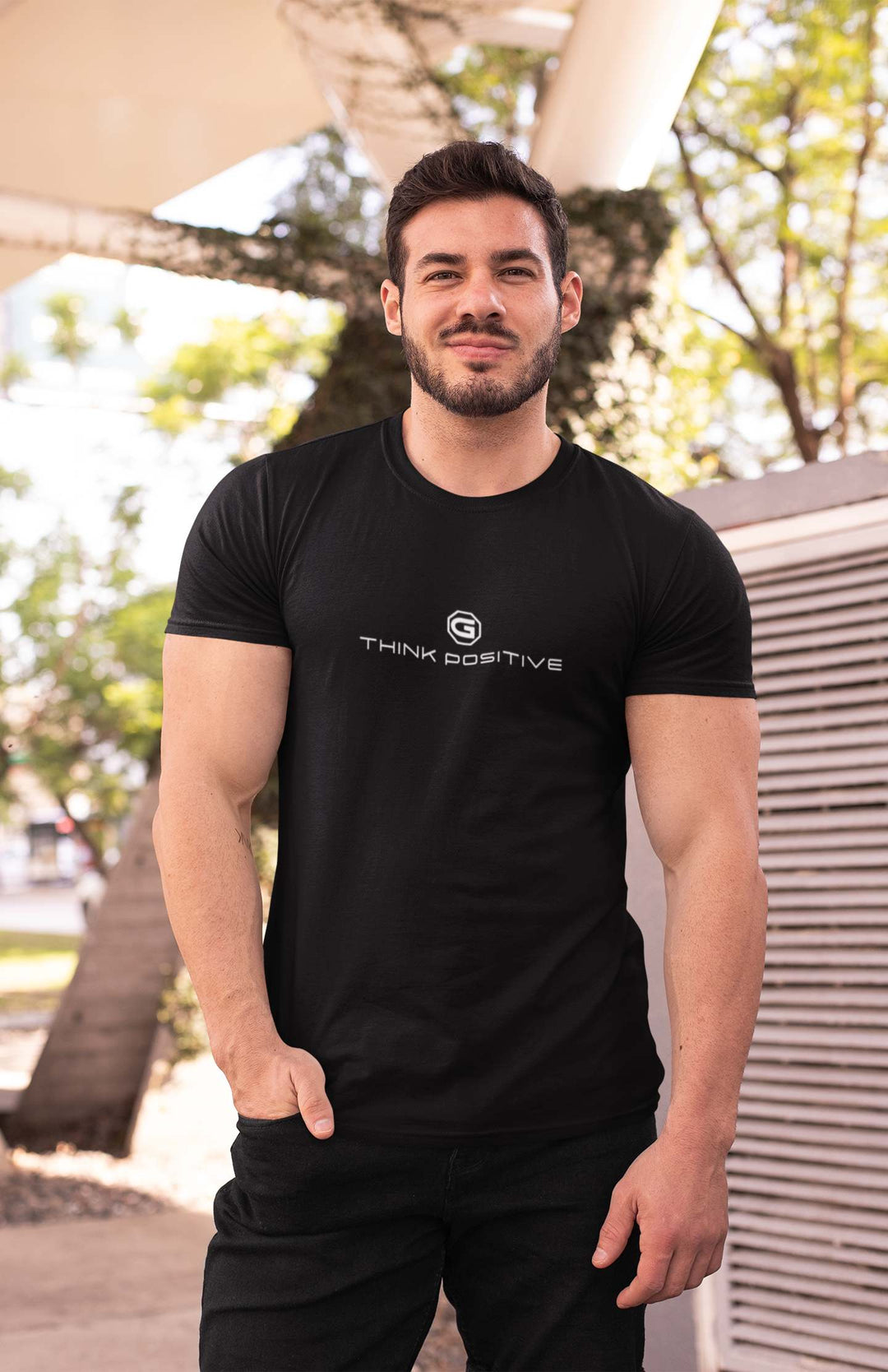
Credit: www.gymate-pro.com
Popular Designer Shirt Styles And How To Wear Them
Here’s a look at three distinct styles and how to make them work for you:
| Style | Best For | How to Wear |
|---|---|---|
| Classic White Dress Shirt | Business, formal events | With a navy suit and silk tie, or under a blazer with chinos |
| Bold Printed Shirt | Casual, creative outings | With slim jeans or shorts, sleeves rolled, and no tie |
| Linen Button-Down | Summer, vacations | Untucked with linen trousers and loafers |
Frequently Asked Questions
What Is The Best Fabric For Designer Shirts?
Pure cotton is the most popular for its softness, breathability, and durability. Look for Egyptian or Pima cotton for a luxurious feel. Linen is best for hot weather, while silk offers a unique sheen and drape.
How Do I Know If A Designer Shirt Fits Me Well?
A shirt fits well if the shoulder seams sit at the edge of your shoulders, the sleeves end just at your wrist bone, and the body is not too tight or too loose. You should be able to fit two fingers between your neck and the collar.
Are Designer Shirts Worth The Price?
Often, yes. You pay for better fabric, construction, and design. A designer shirt lasts longer, feels more comfortable, and looks sharper than most regular shirts. However, make sure you buy for quality, not just the brand name.
How Should I Care For My Designer Shirts To Make Them Last?
Wash in cold water, avoid tumble drying, and iron with care. Always follow the care label. Store on wide hangers and avoid crowding in your closet.
Where Can I Find Out More About Designer Shirt Brands And Trends?
A great place to start is the Wikipedia page on fashion designers, which lists many top brands and their histories.
Upgrading your wardrobe with designer shirts can be a game-changer. By focusing on quality, fit, and your personal style, you can build a collection that lasts for years and helps you stand out wherever you go. Remember, the right shirt is not just about fashion—it’s about confidence, comfort, and making a lasting impression.
