

Definition of Activewear: Everything You Need to Know
Defining Activewear: Meaning, Purpose, And Everything You Need To Know
Modern life is fast, and comfort is no longer just for the gym. You might have seen people wearing sporty clothes not only for running or yoga, but also for shopping, working from home, or even casual meetings. This growing trend is called activewear. But what really makes something activewear? Why is it so popular, and how is it different from other types of clothing? Understanding the definition and details of activewear helps you choose better clothes for health, comfort, and style.
This guide will break down what activewear means, its history, fabric technology, uses, and the difference from sportswear and casual wear. We will also look at why it matters for men and women, the role of brands, common mistakes when buying, and how to care for your activewear.
Whether you are new to the concept or want to level up your wardrobe, this article will make everything clear.
What Is Activewear? A Clear Definition
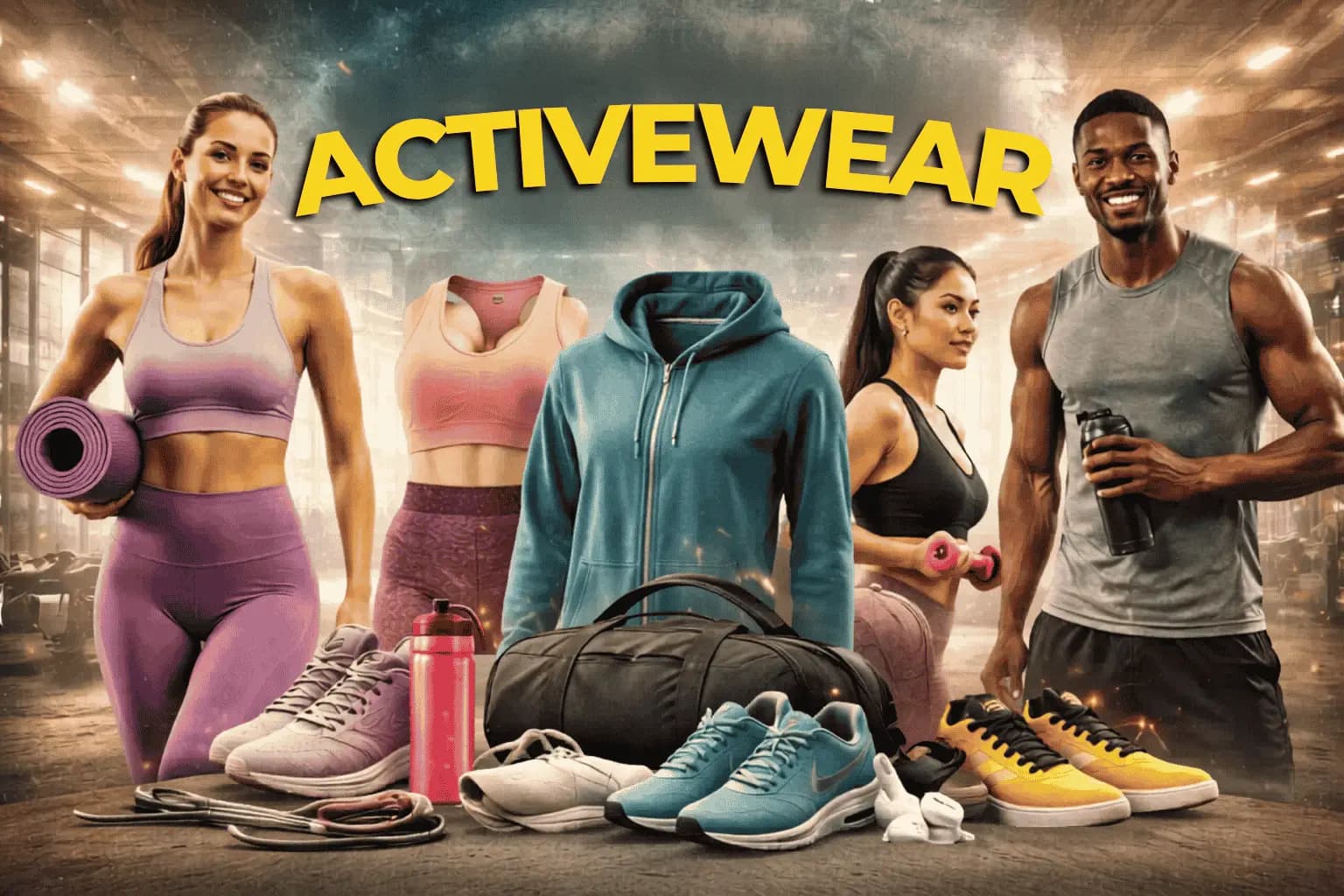
Activewear refers to clothing designed for physical exercise, sports, and other active pursuits. However, it is not limited to just working out. The main features of activewear are comfort, flexibility, and the ability to manage moisture and temperature. These clothes are made to move with your body and keep you feeling dry and fresh, whether you are running, stretching, or walking around town.
Activewear often includes:
- T-shirts
- Leggings
- Shorts
- Joggers
- Sports bras
- Hoodies
- Jackets
The key point is that activewear is made for movement, but it is also stylish enough for daily life. This is why it is popular beyond the gym.
The Evolution Of Activewear
Activewear has changed a lot over time. At first, people wore simple cotton clothes for exercise. Over the years, as more people started running, doing yoga, or joining fitness clubs, the need for better clothing grew. Companies began to use advanced fabrics that could stretch, breathe, and dry quickly.
Today, activewear is influenced by fashion trends. Bright colors, bold patterns, and new designs are common. Many brands now mix style with function, so you can wear these clothes almost anywhere.
One thing many beginners miss is that activewear is not just about exercise anymore. It is now a part of everyday life. Also, the rise of "athleisure"—a style that blends athletic wear with casual clothing—shows how activewear has become essential in modern wardrobes.
Key Features Of Activewear
Not all stretchy or comfortable clothes qualify as activewear. To understand the real value, look at these important features:
1. Moisture-wicking
Activewear must pull sweat away from your skin. This is called moisture-wicking. It keeps you dry and helps prevent bad smells.
2. Breathability
Good activewear uses fabrics that let air flow through. This helps your body stay cool during hard activity.
3. Stretch And Flexibility
Materials like spandex or elastane allow the clothing to move with your body. This flexibility is key for activities like yoga, running, or lifting weights.
4. Lightweight
Activewear should not weigh you down. Light fabrics make it easy to move and feel comfortable for long periods.
5. Durability
Because activewear faces lots of washing and movement, it must last. Strong stitching and tough materials mean you get more use from each item.
6. Quick Drying
Many activewear pieces dry much faster than regular clothes. This helps you stay comfortable and ready for your next workout.
7. Comfort And Fit
Comfortable design and a good fit are essential. Seams should not rub, and waistbands should not dig in.
8. Odor Resistance
Some activewear uses special fibers or treatments to reduce bad smells. This is important if you sweat a lot or wear the same item for many activities.
Common Types Of Activewear
Activewear covers a wide range of clothing. Here is a closer look at popular categories:
Tops
- T-shirts: Often made with polyester blends for quick drying.
- Tank tops: Great for hot weather or layering.
- Long-sleeve shirts: Provide extra coverage and sometimes UV protection.
- Sports bras: Offer support for running, jumping, or yoga.
Bottoms
- Leggings: Stretchy and supportive, suitable for many activities.
- Shorts: Keep you cool for running or gym workouts.
- Joggers: Looser fit, good for warm-ups or casual wear.
- Skorts: Skirt with built-in shorts, common in tennis and golf.
Outerwear
- Jackets: Lightweight, often water-resistant or windproof.
- Hoodies: Cozy for warming up or relaxing after exercise.
- Vests: Add warmth without restricting arm movement.
Accessories
- Socks: Designed to wick moisture and prevent blisters.
- Headbands: Keep sweat out of your eyes.
- Gloves: Useful for cycling, lifting, or cold weather activities.
Activewear Vs. Sportswear Vs. Athleisure: What’s The Difference?
Many people use these terms interchangeably, but they have different meanings.
| Feature | Activewear | Sportswear | Athleisure |
|---|---|---|---|
| Main Purpose | General activity & exercise | Specific sports performance | Everyday fashion inspired by sports |
| Design Focus | Comfort, flexibility | Performance, protection | Style, comfort |
| Where to Wear | Gym, outdoors, daily life | On the field/court, competitions | Work, travel, social events |
| Examples | Leggings, joggers | Soccer jersey, tennis skirt | Yoga pants with a blazer |
- Activewear is best for all sorts of movement, not just sports.
- Sportswear is usually for a specific sport and may include protective gear.
- Athleisure looks sporty but is mostly about style and casual comfort.
Modern Fabric Technology In Activewear
The secret to great activewear lies in the fabric. Modern materials have changed what these clothes can do.
Synthetic Fibers
- Polyester: Common for its strength, lightweight feel, and moisture control.
- Nylon: Smooth, strong, and dries quickly.
- Spandex/Elastane: Gives stretch and flexibility.
Natural Fibers
- Cotton: Soft and natural, but not as good at wicking moisture.
- Bamboo: Eco-friendly and breathable, sometimes blended with other fibers.
- Merino Wool: Controls temperature and resists odor, good for both hot and cold weather.
Blends
Most activewear uses a mix of fibers to balance stretch, comfort, and durability.
Special Treatments
- Antimicrobial finishes: Stop bacteria and reduce odor.
- UV protection: Shields your skin from the sun.
- Water resistance: For outdoor activities in wet weather.
Example: Comparing Common Fabrics
| Fabric | Moisture Wicking | Stretch | Odor Resistance |
|---|---|---|---|
| Polyester | Excellent | Good | Average |
| Cotton | Poor | Low | Low |
| Merino Wool | Good | Average | Excellent |
| Spandex | Good | Excellent | Average |

Credit: www.pranaway.in
Benefits Of Activewear
You may wonder why so many people invest in activewear. Here are some key benefits:
- Better Performance: The right clothes help you move freely, sweat less, and stay comfortable, allowing you to focus on your activity.
- Injury Prevention: Supportive and well-fitted activewear can prevent chafing, muscle strain, and blisters.
- Boosts Motivation: Wearing proper gear makes you feel ready and confident. This small psychological boost can help you stick with your fitness routine.
- Versatility: Many activewear items look good outside the gym, saving you time and money.
- Easy Care: Most pieces are machine washable and dry fast, making them ideal for busy lifestyles.
- Health Benefits: Moisture-wicking and antibacterial fabrics can help prevent skin problems and reduce odor.
Insight: Many people do not realize that wearing non-breathable or tight clothes for workouts can actually cause rashes, overheating, and discomfort. Quality activewear helps avoid these issues.
How To Choose Activewear: What Really Matters
When you buy activewear, focus on these factors:
Fit And Comfort
- Try before you buy, if possible.
- Look for clothes that move with you, without digging or pinching.
- Choose styles that match your body type and activity.
Fabric
- For heavy sweating, pick moisture-wicking synthetics.
- For casual use, blends with cotton or bamboo are fine.
- For outdoor activities, consider UV or water protection.
Activity Type
- Running: Lightweight, breathable tops and fitted shorts or leggings.
- Yoga: Stretchy, seamless leggings and flexible tops.
- Weightlifting: Supportive gear, often with reinforced seams.
- Outdoor sports: Layering pieces for different weather.
Durability
- Check stitching, fabric thickness, and reviews.
- Higher-quality activewear usually lasts longer, even with frequent washing.
Price Vs. Value
- Expensive does not always mean better, but very cheap items may not last.
- Focus on value for your needs, not just the brand name.
Style
- Choose colors and designs you like, so you want to wear them more often.
- Remember, the best activewear is what you feel good wearing.
Non-Obvious Insight: Many beginners overlook the importance of seam placement. Flat seams or seamless designs reduce rubbing and chafing, especially for long workouts.
Credit: drxwear.com
Common Mistakes When Buying Activewear
- Choosing by Brand Alone: Big names do not always mean the best fit or quality for you.
- Ignoring Care Instructions: Some fabrics need gentle washing or air drying. Not following these rules can destroy your activewear quickly.
- Buying for Looks Only: Style matters, but comfort and support are more important for exercise.
- Wrong Size: Many people buy too tight for a “slim look” or too loose for comfort, affecting performance and durability.
- Skipping Support: For women, a good sports bra is essential. For men, supportive underwear can make a big difference.
- Not Considering Activity: Running tights are not ideal for yoga, and loose pants may trip you up when cycling.
- Overlooking Sun Protection: If you exercise outdoors, UPF-rated clothing can protect your skin.
Popular Brands Leading Activewear
Brands shape trends and often set the standard for innovation in activewear. Some of the most influential brands include:
- Nike: Known for innovation and a wide range of styles for all activities.
- Adidas: Strong on both performance and style, with eco-friendly options.
- Lululemon: Famous for yoga pants and women’s wear, but also offers men’s lines.
- Under Armour: Focuses on technical fabrics, especially for athletes.
- Puma: Blends sport and fashion, often in bold colors.
- Reebok: Trusted for gym and cross-training gear.
- Gymshark: Popular among younger buyers and fitness influencers.
- Outdoor Voices: Known for simple designs and sustainable materials.
Smaller brands often focus on sustainability or niche sports, giving more options for eco-conscious buyers.
Activewear For Men Vs. Women
Both men and women wear activewear, but there are some differences in design and features.
For Women
- Sports bras: Key for support during exercise.
- High-rise leggings: Offer coverage and comfort for stretching.
- Tops with built-in bras: Save time and layers.
- Bright colors and patterns: Often more variety in women’s styles.
For Men
- Compression shorts: Support muscles and improve blood flow.
- Loose-fit joggers and shorts: Allow more airflow.
- Moisture-wicking T-shirts: Essential for high-intensity workouts.
- Simple colors and designs: Men’s activewear often focuses on basics.
Comparison: Men’s vs. Women’s Activewear Features
| Feature | Women's Activewear | Men's Activewear |
|---|---|---|
| Support | Sports bras, high-waist leggings | Compression shorts, fitted T-shirts |
| Coverage | Varies, often more options | Usually longer shorts, looser tops |
| Color & Style | Wide variety, patterns, bright colors | Mostly basic colors, simple design |
Caring For Activewear
Proper care keeps your activewear looking and performing like new.
Washing Tips
- Wash in cold water to prevent shrinking and damage.
- Use mild detergent; avoid fabric softeners (they can block moisture-wicking).
- Turn items inside out to protect surfaces.
- Wash similar colors together.
Drying
- Air dry when possible. High heat can break down stretch fibers.
- If using a dryer, choose low heat.
Storage
- Do not leave sweaty activewear in bags for long.
- Store in a dry, cool place to avoid odor.
Special Care
- For items with special coatings (waterproof, UV), follow brand instructions.
- Some activewear benefits from "sport washes" made for technical fabrics.
Practical Tip: Never use bleach, as it weakens fibers and damages performance features.
Sustainability In Activewear
Sustainability is becoming a big focus in the activewear industry. Many brands now use recycled materials, organic fibers, or processes that use less water and energy. For example, some leggings are made from recycled plastic bottles, and bamboo fabrics are grown with fewer chemicals.
Choosing sustainable activewear helps reduce your environmental impact. Look for:
- Recycled polyester
- Organic cotton
- Eco-friendly dyes
- Fair labor practices
If you want more information on eco-friendly clothing, check out this ethical activewear resource.
Why Is Activewear So Popular?
Several trends have made activewear a top choice:
- Focus on Health: More people are interested in fitness and outdoor activities.
- Work-from-Home Shift: Comfortable clothes became a must for remote work.
- Fashion Trends: Celebrities and influencers promote athleisure looks.
- Innovation: New fabrics and stylish designs make activewear more appealing.
- Convenience: Versatile pieces mean you need fewer clothes for different activities.
Hidden Insight: Many people do not realize that activewear can be a powerful way to show personal style while supporting an active lifestyle.

Credit: www.pranaway.in
Frequently Asked Questions
What Is The Main Difference Between Activewear And Regular Casual Clothing?
Activewear is made for movement and sweat. It uses technical fabrics that stretch, wick moisture, and dry fast. Regular casual clothes, like jeans and cotton T-shirts, do not usually have these features and may feel uncomfortable during exercise.
Can I Wear Activewear For Everyday Activities, Not Just Workouts?
Yes, most activewear is designed to look good and feel comfortable outside the gym. Many people wear leggings, joggers, or sporty tops for shopping, travel, or relaxing at home.
How Do I Know If A Piece Of Clothing Is Really “activewear”?
Check the label for features like moisture-wicking, stretch, and quick-dry fabrics. Activewear often uses blends with polyester, nylon, or spandex. If the design includes flat seams, mesh panels, or odor control, it is likely activewear.
Why Do Some Activewear Items Cost More Than Others?
Higher prices often mean better materials, advanced technology (like anti-odor or UV protection), stronger stitching, and ethical production. However, you can find good value at many price points by focusing on your needs, not just brands.
Is Activewear Suitable For All Body Types?
Yes, activewear comes in many shapes and sizes. Look for brands with inclusive sizing or pieces designed for your body type and activity. The right fit is more important than the “model” look.
Activewear is more than just clothing—it is a blend of science, style, and comfort that supports your active lifestyle. By understanding what makes activewear unique, you can choose the right pieces for your needs, stay comfortable, and look great anywhere life takes you.
