

Dance Workout Clothes: Ultimate Comfort for Maximum Performance
Are you ready to boost your dance workouts and feel amazing while you move? Choosing the right dance workout clothes can make all the difference in your performance and comfort.
Imagine wearing outfits that move with you, keep you cool, and make you want to dance longer. You'll discover how to pick the perfect clothes that fit your style and support your energy. Keep reading to find out how the right gear can transform your dance sessions and help you reach your fitness goals faster.

Credit: apu.education
Choosing The Right Fabric
Choosing the right fabric for dance workout clothes is very important. The fabric affects comfort and performance. It can keep you cool or make you feel hot. It can stretch with your moves or hold you back. Knowing what fabric features matter helps you pick the best clothes for dancing.
Breathable Materials
Breathable fabrics let air pass through. They keep your skin cool and dry. Cotton and mesh are good examples. These fabrics reduce sweat build-up. They help prevent skin irritation during long workouts. Breathable materials make dancing more comfortable.
Moisture-wicking Properties
Moisture-wicking fabrics pull sweat away from the body. This keeps you dry and fresh. Polyester and nylon often have this feature. It stops sweat from sticking to your skin. Clothes dry faster and feel lighter. Moisture-wicking is key for intense dance sessions.
Stretch And Flexibility
Dance needs freedom of movement. Fabrics with stretch support all your moves. Spandex and elastane blend well with other fibers. They allow bending, jumping, and turning without tightness. Stretchy clothes reduce the risk of tears. Flexibility in fabric improves your dance experience.
Essential Features For Dance Clothes
Choosing the right clothes for dance workouts is important. The right clothes help you move freely and stay comfortable. They also support your body and last through many sessions. Knowing what features to look for can make your dance practice better and more fun.
Fit And Support
Dance clothes must fit well to allow easy movement. Tight clothes can restrict your dance steps. Loose clothes can get in the way or cause distractions. Support is also key. Clothes should hold your body in place without feeling too tight. Good support helps prevent injuries and keeps you confident while dancing.
Seam Placement And Comfort
Seams in the wrong place can cause discomfort or chafing. Clothes with flat seams reduce skin irritation. Look for designs that avoid seams in areas that bend a lot. Soft fabric helps your skin breathe and stay cool. Comfort lets you focus on your dance, not your clothes.
Durability And Maintenance
Dance clothes face a lot of wear and tear. Choose fabrics that resist stretching and tearing. Clothes that keep their shape look better longer. Easy-to-clean materials save time and effort. Clothes that dry quickly and do not lose color are a smart choice. Durability means your clothes last through many dance workouts.
Styles For Different Dance Types
Dance workout clothes vary depending on the dance style. Different dances need different types of clothing. The right clothes help with movement and comfort. They also show the style and energy of the dance.
Ballet And Contemporary
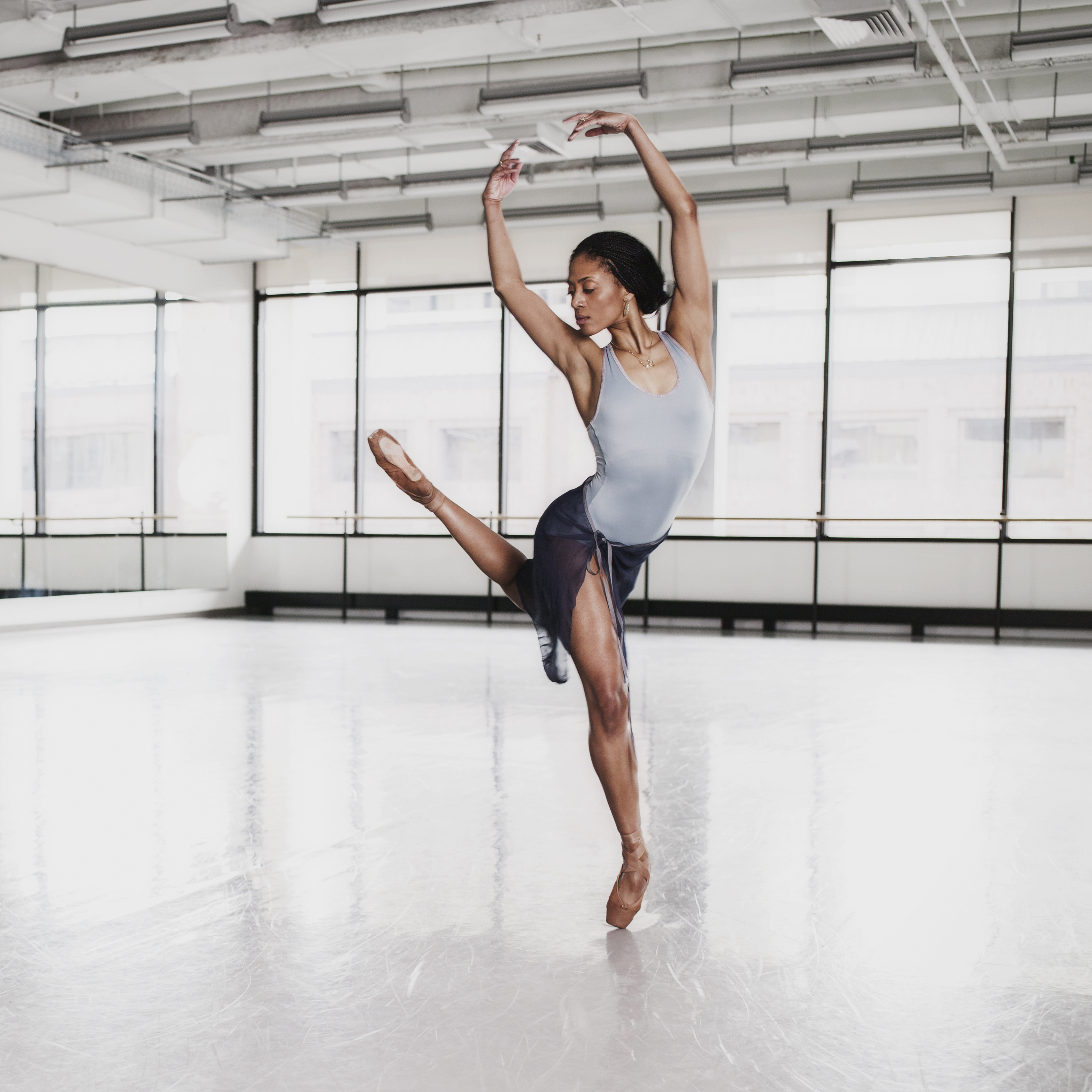
Ballet clothes are usually tight and smooth. Leotards and tights help dancers move freely. Soft ballet slippers protect the feet and allow for balance. Contemporary dance often uses similar clothes but with more freedom. Loose tops and pants are common to allow big movements.
Hip-hop And Street Dance
Hip-hop clothes are loose and comfortable. Baggy pants and hoodies give a cool look. Sneakers are important for footwork and jumps. Clothes must be strong to handle fast moves. Bright colors and bold patterns match the dance’s energy.
Jazz And Ballroom
Jazz dance clothes are fitted but stretchy. Tank tops and leggings help with quick moves. Jazz shoes have a small heel for turns. Ballroom dance clothes are elegant and fitted. Women wear flowing skirts or dresses. Men wear dress pants and shirts to match the style.
Footwear And Accessories
Choosing the right footwear and accessories is important for dance workouts. These items help you move safely and comfortably. They protect your feet and support your body. The right gear also boosts your confidence during practice.
Supportive Dance Shoes
Dance shoes must fit well and support your arches. They reduce the risk of injuries. Look for shoes with good grip to avoid slipping. Lightweight shoes help you move quickly and easily. Different dance styles need different shoes. Choose the type that matches your dance workout.
Compression Socks And Leggings
Compression socks and leggings improve blood flow. They help reduce muscle soreness after dancing. These accessories keep your legs warm and supported. Many dancers wear them to feel more comfortable. Compression gear also helps with faster recovery. They fit tightly but should not cause pain.
Headbands And Wristbands
Headbands keep sweat out of your eyes. They help you stay focused during dance sessions. Wristbands absorb sweat to keep your hands dry. These accessories prevent sweat from causing slips. They also add a stylish touch to your outfit. Choose soft, stretchy materials for comfort.
Balancing Style And Performance
Dance workout clothes must balance style and performance. You need outfits that allow easy movement. Clothes should also look good and motivate you. Choosing the right dancewear can boost your confidence. It helps you enjoy the workout more. Finding the perfect mix of comfort and fashion is key.
Color And Design Choices
Bright colors can energize your dance session. Dark shades often hide sweat and stains. Patterns add personality to plain outfits. Simple designs suit all dance styles. Choose colors that make you feel happy. Avoid colors that fade quickly after washing. Fabric quality affects how designs hold up.
Trends In Dancewear
High-waisted leggings remain popular for support and style. Mesh panels offer breathability and a modern look. Matching sets create a sleek, coordinated appearance. Lightweight materials improve comfort and flexibility. Minimalist styles focus on clean lines and fit. These trends keep dancewear fresh and functional.
Custom Vs. Ready-made Options
Custom dancewear fits your body exactly. It allows unique style choices and fabrics. Ready-made options are affordable and easy to find. They come in standard sizes and designs. Custom clothes may take longer to get. Ready-made offers quick solutions for last-minute needs. Both choices have benefits based on your priorities.
Credit: anteris.com.mx
Caring For Your Dance Clothes
Caring for your dance workout clothes keeps them fresh and lasts longer. Proper care saves money and keeps your outfits looking great. Dance clothes face sweat, stretching, and frequent washing. Handle them with care to keep their shape and color. Small steps make a big difference in garment life.
Washing Tips
Wash dance clothes in cold water to protect fabric. Use gentle detergent without bleach or fabric softeners. Turn clothes inside out to keep colors bright. Avoid washing with heavy items like jeans or towels. Hand wash delicate pieces for extra care. Air dry clothes flat to prevent stretching and shrinkage.
Storage Solutions
Store dance clothes in a cool, dry place. Use hangers with wide shoulders to keep shape. Fold stretchy items neatly to avoid wrinkles. Keep clothes away from direct sunlight to stop fading. Store items separately to prevent snagging. Use breathable bags for long-term storage to reduce moisture.
Extending Longevity
Limit washing to when clothes are very dirty. Spot clean small stains to save fabric. Avoid ironing unless necessary and use low heat. Rotate your dance outfits to reduce wear and tear. Repair small holes or loose threads quickly. Proper care keeps clothes ready for every dance session.

Credit: themomedit.com
Frequently Asked Questions
What Are The Best Fabrics For Dance Workout Clothes?
The best fabrics are breathable, stretchy, and moisture-wicking. Materials like spandex, nylon, and polyester blend well. They allow flexibility and keep you dry during intense dance workouts. Avoid heavy or non-breathable fabrics that can cause discomfort and overheating.
How Should Dance Workout Clothes Fit?
Dance workout clothes should fit snugly but allow full movement. Avoid overly tight or loose outfits to ensure comfort and flexibility. Proper fit prevents distractions and enhances your performance. Stretchy fabrics help maintain the right balance between support and freedom.
Can I Wear Regular Workout Clothes For Dance Workouts?
Regular workout clothes can work but may lack flexibility and breathability. Dance-specific clothes offer better stretch and moisture control. They also provide a stylish look tailored for dance activities. Investing in dance workout clothes improves comfort and movement efficiency.
Why Is Moisture-wicking Important In Dance Clothes?
Moisture-wicking fabrics pull sweat away from the skin. This keeps you dry and prevents chafing during workouts. It helps regulate body temperature and improves overall comfort. Moisture control is essential for long or intense dance sessions.
Conclusion
Dance workout clothes help you move freely and stay comfortable. They fit your body well and support your movements. Choosing the right fabric keeps you cool and dry during exercise. Bright colors and fun styles can boost your mood. Wearing proper clothes also reduces injury risk.
Dance becomes more fun when you feel good in what you wear. Keep your clothes clean and fresh for every session. Small changes in your outfit can make a big difference. Dance with confidence and enjoy every step.
