

Cool Hooded Sweatshirt: Ultimate Style and Comfort Guide
Cool Hooded Sweatshirt: The Ultimate Guide to Style, Comfort, and Choosing the Best
If you want a piece of clothing that never goes out of style, the cool hooded sweatshirt is a top choice. Known as the hoodie, this item is now a staple in wardrobes around the world. People of all ages wear hooded sweatshirts for casual looks, sports, streetwear, or even work-from-home comfort. But what makes a hooded sweatshirt truly cool? The answer goes beyond just design—it’s about fabric quality, fit, versatility, and how you style it.
In this guide, you’ll learn everything you need to know about cool hooded sweatshirts. We’ll cover their history, how to choose the right one for your needs, style ideas, care tips, and insider advice most people miss. Whether you want to upgrade your look, buy your first hoodie, or understand why these sweatshirts are so popular, you’ll find valuable answers here.
What Makes A Hooded Sweatshirt “cool”?
The word “cool” means something different to everyone, but with hooded sweatshirts, a few things stand out. First, a cool hoodie gives off a relaxed and confident vibe. It’s not just about flashy logos or trendy colors. The real appeal comes from:
- Simple and timeless design: A classic shape with clean lines always works.
- Quality material: Soft cotton or a cotton-blend that lasts through many washes.
- Great fit: Not too tight, not too loose—just comfortable.
- Versatility: Easy to dress up or down with other clothes.
- Unique details: Maybe a special zipper, hidden pocket, or a creative hood shape.
A truly cool hoodie feels good to wear and fits your lifestyle. Some people like bold graphics, others choose plain colors or eco-friendly fabrics. The best hoodie is one you want to wear again and again.
The Evolution Of The Hooded Sweatshirt
Hooded sweatshirts started as practical sportswear. Workers in cold warehouses needed warm, easy-to-move clothing, so brands added hoods to sweatshirts. Soon, athletes and college students made them popular. Over time, hoodies became a symbol of youth culture, streetwear, and even high fashion.
Famous musicians and athletes helped make hoodies mainstream. Designers began adding new materials, colors, and fits. The hoodie became a canvas for self-expression—whether you prefer a classic grey look or a bright, bold print.
One thing that surprises many people: early hoodies were mostly worn for utility, not style. Only later did they become a fashion statement. This history is why you see so many types of hooded sweatshirts today.
Types Of Cool Hooded Sweatshirts
Not all hoodies are the same. Here’s a look at the main types you’ll see:
| Type | Main Features | Best For |
|---|---|---|
| Pullover Hoodie | No zipper, classic kangaroo pocket, easy fit | Everyday wear, layering |
| Zip-Up Hoodie | Full or half-zip front, adjustable warmth | On-the-go, active lifestyle |
| Oversized Hoodie | Loose fit, longer sleeves/body, extra comfort | Loungewear, street style |
| Performance Hoodie | Moisture-wicking, stretch fabric, lightweight | Sports, outdoor activities |
| Graphic Hoodie | Bold prints, logos, or artwork | Making a statement, personal style |
| Eco-Friendly Hoodie | Organic or recycled materials, ethical production | Sustainable fashion fans |
Each type has its own advantages. For example, pullover hoodies are simple and cozy, while zip-up hoodies are easier to take on and off. Oversized hoodies are perfect for a relaxed look. If you want to support the environment, look for eco-friendly hoodies made with organic cotton or recycled polyester.
Choosing The Right Material
The fabric of your hoodie affects comfort, style, and durability. Here are the most common materials:
- Cotton: Soft, breathable, and comfortable. A pure cotton hoodie feels great but can shrink if not washed carefully.
- Cotton-Polyester Blend: More durable, resists wrinkles and shrinking. Often used in athletic hoodies.
- Fleece: Warm and soft, perfect for colder weather. Fleece can be made from cotton or synthetic fibers.
- French Terry: Lighter than fleece, with a looped texture inside. Good for layering or mild weather.
- Recycled Polyester: Made from plastic bottles or old clothing. Better for the environment.
One thing many beginners don’t realize: cheap hoodies often use low-quality blends that pill or fade quickly. Always check the label. If you want a hoodie that lasts, choose one with a higher percentage of cotton or with a reputable performance fabric.

Credit: inkaddict.com
Key Features To Look For
A hoodie may look simple, but small details make a big difference. Here are some features to notice:
- Hood shape and size: Some hoods fit closer to your head, others are large and loose. Try on different styles to see what works for you.
- Pockets: Kangaroo pockets (in front) are most common, but some hoodies have side or hidden pockets for extra storage.
- Cuffs and waistband: Ribbed cuffs keep sleeves in place, while a fitted waistband gives a cleaner look.
- Drawstrings: Adjustable hoods are practical in wind or rain. Some hoodies use flat strings, others use round.
- Zipper quality: For zip-up hoodies, a strong zipper is important. Cheap zippers break easily.
- Stitching: Double-stitched seams last longer and look neater.
Many shoppers miss this: lining matters. Some hoodies have a soft fleece lining for extra warmth, while others are unlined for a lighter feel. Pick what matches your climate and comfort needs.
How To Style A Cool Hooded Sweatshirt
A hoodie can be basic or bold, depending on how you wear it. Here are a few ideas:
- Classic casual: Wear a grey or black hoodie with jeans and sneakers. Simple, timeless, and always cool.
- Layered look: Put your hoodie under a denim or leather jacket. This adds texture and interest.
- Sporty style: Pair a performance hoodie with joggers and running shoes for an athletic vibe.
- Streetwear edge: Choose an oversized or graphic hoodie with cargo pants and chunky sneakers.
- Dressed up: Believe it or not, a fitted hoodie under a blazer can look sharp for relaxed offices or creative events.
A tip many people miss: color blocking can make your outfit stand out. Try a hoodie in a bright color with neutral pants, or mix shades for a unique effect.
Hoodie Sizing And Fit Guide
Fit is key to both comfort and style. A hoodie that’s too tight looks odd, while one too loose can feel sloppy (unless you want an oversized look). Here’s how to get it right:
| Fit Type | Description | Best For |
|---|---|---|
| Regular Fit | Not tight or loose, fits body shape naturally | Everyday, most people |
| Slim Fit | Closer to body, less baggy sleeves/waist | Layering, modern look |
| Oversized Fit | Extra room in body and sleeves | Streetwear, lounging |
| Cropped Fit | Shorter body, often above hips | Fashion-forward styles |
When trying on a hoodie, move your arms, sit down, and check the length. Sleeves should cover your wrists but not your hands. The waistband should sit at your hips. If you’re between sizes, most people prefer the larger one for comfort.
A surprising fact: men’s and women’s hoodies can fit differently, even with the same size label. Women’s styles often have a narrower waist and smaller shoulders. Always check the brand’s size chart.
Popular Brands For Cool Hooded Sweatshirts
Many brands make good hoodies, but a few are known for their style and quality. Some of the most popular include:
- Nike: Famous for performance fabrics and clean designs.
- Adidas: Offers both classic and modern streetwear looks.
- Champion: Known for heavy-duty cotton and simple, iconic logos.
- H&M: Affordable, trendy options with many colors and patterns.
- Uniqlo: Minimalist, high-quality basics at a fair price.
- Carhartt: Durable, workwear-inspired hoodies.
- Supreme: For streetwear fans, Supreme’s hoodies are collectibles.
If you want something unique, look for local or independent brands. Many offer special designs or eco-friendly materials you won’t find at big stores.
How To Care For Your Hooded Sweatshirt
A cool hoodie should last for years, but only if you care for it well. Here’s how:
- Read the label: Always check washing instructions. Some hoodies can shrink in hot water or a hot dryer.
- Wash with similar colors: This prevents fading and color bleeding.
- Use gentle detergent: Strong chemicals can break down fabric or prints.
- Turn inside out: This protects graphics and keeps the outside smooth.
- Air dry if possible: Heat can shrink cotton or damage synthetic blends.
One thing many people don’t do: avoid fabric softeners with performance or moisture-wicking hoodies. These can block the fabric’s special properties.
Common Mistakes When Buying A Hoodie
Even experienced shoppers make mistakes. Here are a few to avoid:
- Choosing style over comfort: That bold design may look good, but if it’s scratchy or stiff, you won’t wear it.
- Ignoring fit: Always try on or check measurements, especially with online shopping.
- Forgetting about care: Some hoodies require special washing. If you want easy care, pick a simple cotton blend.
- Buying cheap knockoffs: Fake brands may look similar but won’t last or feel as good.
- Not checking pockets: Some hoodies have shallow or no pockets, which may be annoying.
A clever tip: test the hood before you buy. Put it on—does it stay on your head, or fall back? A good hood should fit snugly but not too tight.

Credit: www.amazon.com
The Role Of Hoodies In Fashion And Culture
Hooded sweatshirts are more than just clothing. They’ve been symbols of identity, protest, and style. In streetwear, a hoodie can show you’re part of a group. In pop culture, musicians and actors have made hoodies famous. Some schools and jobs even ban hoodies, showing how powerful this simple item can be.
Designers now use hoodies in high fashion. You’ll see them on runways and in luxury stores. At the same time, athletes and students wear them for practical reasons. This mix of comfort and style is why hoodies stay cool, year after year.
Sustainable And Ethical Hoodie Choices
Many people now want clothing that’s good for the planet. The hoodie world is changing, too. Look for:
- Organic cotton: Grown without harmful chemicals.
- Recycled polyester: Made from plastic bottles or old clothes.
- Fair-trade certification: Means workers are paid fairly.
- Low-impact dyes: Safer for the environment.
Some brands share details about their factories and materials. If you care about ethics, check the company website or look for trusted certifications.
One thing beginners often miss: sustainable hoodies can cost more at first, but they often last longer, so you buy less in the long run.
How To Spot A High-quality Hoodie
Not all cool-looking hoodies are made to last. Here’s how to tell the difference:
- Weight: Heavier fabric usually means better quality and durability.
- Feel: High-quality cotton feels soft but strong, not thin or scratchy.
- Seams: Clean, double-stitched seams don’t unravel.
- Zippers and hardware: Metal zippers last longer than plastic ones.
- Brand reputation: A respected brand is less likely to cut corners.
A hidden detail: check the hood lining. A lined hood adds warmth and keeps its shape, while a single layer can feel flimsy.
How To Personalize Your Hoodie
Making a hoodie your own is easy. Here are some ways:
- Add patches or pins: Show off your interests or travels.
- Customize with embroidery: Many shops will add your name or design.
- Tie-dye or fabric paint: Create a one-of-a-kind look at home.
- Swap drawstrings: Change to a bright color or pattern for a fun detail.
Personalizing your hoodie gives it meaning and makes it stand out from mass-produced clothes.
Hoodies For Different Seasons
You can wear a hooded sweatshirt all year, but the best type depends on the weather:
- Spring: Light French terry or cotton blends work well.
- Summer: Thin, unlined hoodies are good for cool evenings.
- Fall: Fleece or midweight cotton keeps you cozy.
- Winter: Look for thick fleece, lined hoods, or even down-filled hoodies.
Layering is your friend. A thin hoodie under a jacket or over a T-shirt lets you adjust for changing temperatures.
Hoodies For Every Activity
Different activities need different hoodies. Here are a few examples:
- Exercise: Performance hoodies with stretch and moisture-wicking fabric.
- Travel: Zip-up styles with hidden pockets for passports or money.
- School or work: Classic, neutral designs that look neat and put-together.
- Outdoor adventures: Windproof or water-resistant hoodies for extra protection.
- Home lounging: Oversized, super-soft fabrics for maximum comfort.
A smart move: choose a hoodie that fits your main activity, and you’ll wear it more often.
Caring For Graphic And Printed Hoodies
If your hoodie has a graphic or print, extra care is needed. Always:
- Turn inside out before washing.
- Use cold water to prevent fading.
- Avoid high heat in the dryer.
- Don’t iron directly on the print.
A non-obvious tip: hang drying helps prints last longer and keeps the fabric feeling fresh.
Kids’ And Teens’ Hooded Sweatshirts
Hoodies are popular with kids and teens, too. When buying for younger people:
- Check for safety: Make sure drawstrings aren’t too long.
- Pick easy-care fabrics: Kids’ clothes need frequent washing.
- Choose fun colors or characters: Let them pick a design they love.
- Look for durability: Kids move a lot, so reinforced seams are a plus.
For teens, oversized and graphic hoodies are especially trendy. Some schools may have dress codes about hoodies, so check before buying.
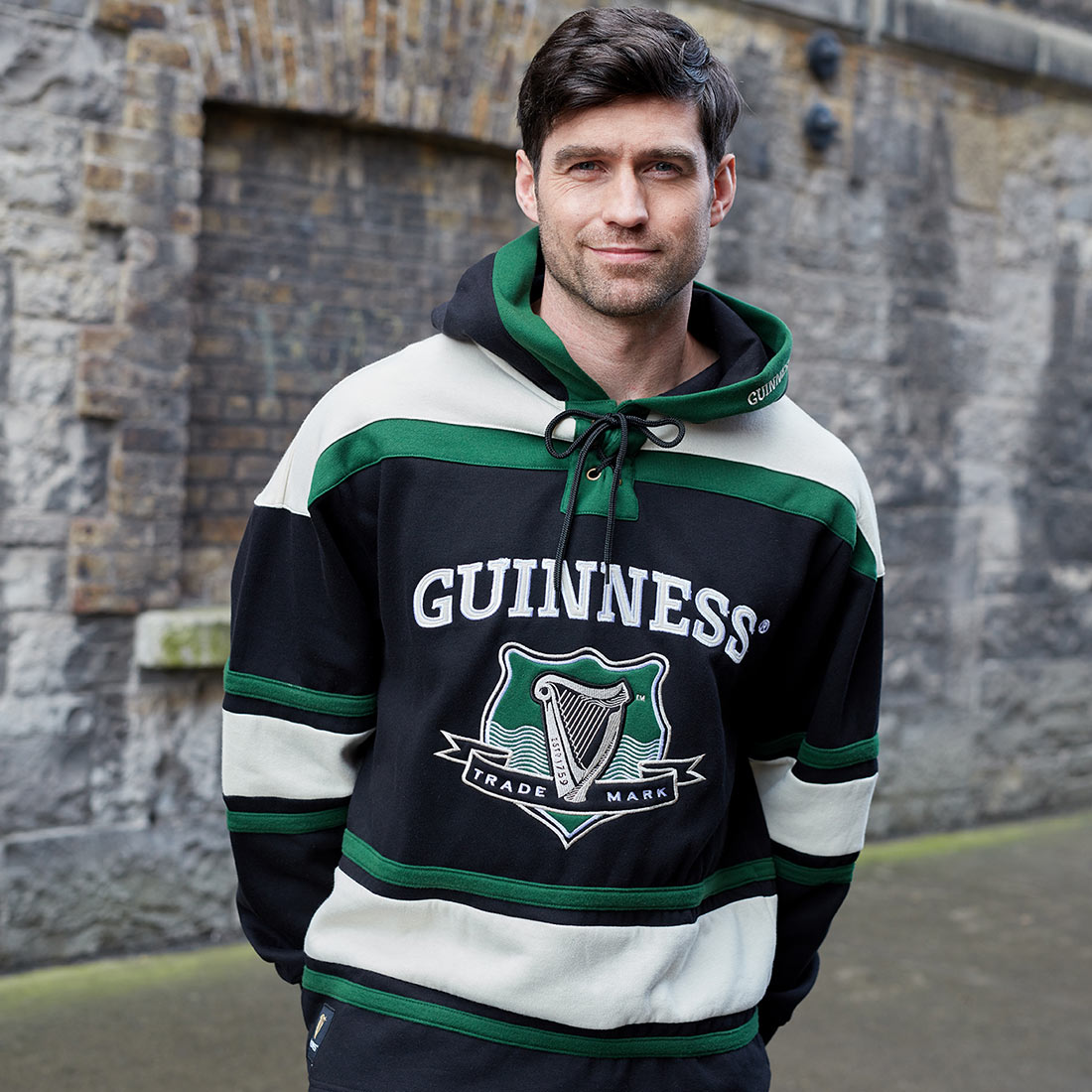
Credit: guinnesswebstore.com
How To Store Hooded Sweatshirts
Proper storage keeps your hoodies looking good. Fold them neatly or hang on wide hangers. Avoid packing them too tightly—this causes wrinkles and stretches the fabric. If you store hoodies long-term, keep them in a cool, dry place to prevent mildew.
One thing many people don’t know: hanging heavy hoodies on thin hangers can stretch the shoulders. Use padded or wide hangers for best results.
Comparing Hoodies Vs. Other Sweatshirts
How does a hooded sweatshirt compare to other types? Here’s a quick look:
| Feature | Hooded Sweatshirt | Crewneck Sweatshirt | Jacket |
|---|---|---|---|
| Hood | Yes | No | Sometimes |
| Pockets | Usually | Rarely | Yes |
| Style | Casual/Sporty | Classic/Casual | Varied |
| Best For | Layering, streetwear | Simple outfits | Outerwear |
Hoodies offer more warmth and protection than a basic sweatshirt. They’re more casual than most jackets, but much more versatile for layering and comfort.
Why The Hoodie Remains Popular
The cool hooded sweatshirt is not a passing trend. Its lasting popularity comes from:
- Comfort: Soft, relaxed, and easy to wear.
- Versatility: Goes with almost any outfit.
- Self-expression: From graphics to color, you can show your style.
- Practicality: Hoods protect from weather, and pockets hold essentials.
- Affordability: You can find good hoodies at many price points.
Even as fashion changes, the hoodie stays strong. For more information about the history of hoodies and their cultural role, you can read this Wikipedia article.
Frequently Asked Questions
What Is The Best Material For A Cool Hooded Sweatshirt?
The best material depends on your needs. Cotton is soft and breathable, perfect for everyday wear. Cotton-polyester blends are more durable and wrinkle-resistant. If you want warmth, choose fleece or lined options. For sustainability, look for organic cotton or recycled polyester.
How Should A Hoodie Fit For The Best Look?
A hoodie should fit comfortably—not too tight, not too loose. Sleeves should reach your wrists, and the body should sit at your hips. If you prefer a modern style, try a slim fit. For lounging or streetwear, oversized fits are popular.
How Can I Tell If A Hoodie Is High Quality?
Check the fabric weight, stitching, and hardware. Heavier, double-stitched hoodies last longer. Metal zippers and lined hoods are signs of good quality. Always read reviews and check the brand’s reputation before buying.
Are Hooded Sweatshirts Suitable For All Seasons?
Yes, but choose the right material. Lightweight cotton is good for spring and summer. Fleece-lined or thick hoodies work for fall and winter. Layering helps you adjust for changing temperatures.
How Do I Care For A Graphic Hoodie?
Always turn it inside out before washing. Use cold water and a gentle cycle. Avoid high heat in the dryer, and don’t iron directly on the print. This keeps the graphic sharp and the fabric in good shape.
The cool hooded sweatshirt is more than just a piece of clothing—it’s a symbol of comfort, style, and self-expression. With the right choice, your hoodie will be a favorite for years to come. Choose wisely, care for it well, and enjoy the endless possibilities this classic item brings to your wardrobe.
