

Casual Dress Code: Ultimate Guide to Effortless Style Tips
When you hear “casual dress code,” you might think it means you can wear just anything. But there’s actually a smart balance between comfort and looking put together.
You want to feel relaxed in your clothes, yet still appear neat and appropriate for the place you’re in—whether it’s work, a social event, or a casual outing. Wondering what exactly fits into this style? What you should wear, and what to avoid?
Keep reading, because mastering casual dress code can make you look confident and feel comfortable at the same time. Let’s break down the key pieces and simple rules that will help you nail the casual look every time.
Casual Dress Code Basics
A casual dress code blends comfort with a neat appearance. It allows relaxed clothing that fits a friendly yet respectful setting. This dress style suits many workplaces and social events. The goal is to look approachable without losing professionalism.
Choosing the right clothes means balancing ease and tidiness. Casual dress code basics help you pick outfits that feel good and look sharp. Understanding these basics keeps your style simple and appropriate.
Comfort And Style
Comfort is key in casual dress codes. Clothing should allow easy movement and feel soft on the skin. Styles can be simple yet modern. For example, well-fitted jeans and clean t-shirts work well. Choose breathable fabrics like cotton or linen. These materials keep you cool and comfortable all day.
Clean And Presentable Look
Clothes must always be clean and free of wrinkles. Avoid stains, rips, or worn-out items. A neat appearance shows respect for yourself and others. Even casual outfits should look fresh and tidy. Iron shirts and wash clothes regularly. Footwear should be clean and in good condition.
Professional Limits
Casual does not mean sloppy. Avoid clothes that are too revealing or damaged. Sweatpants, pajamas, and flip-flops usually do not fit a casual dress code. Keep graphics and slogans on clothing neutral and friendly. The goal is to maintain a good impression while feeling relaxed.
Key Clothing Pieces
Understanding the key clothing pieces for a casual dress code helps you dress comfortably and appropriately. These pieces balance relaxation with neatness. They suit many occasions, from informal workdays to social gatherings. Choosing the right items makes casual dressing simple and stylish.
Bottoms For Men And Women
Men can wear clean, untorn jeans or chinos. Khaki pants also fit well in a casual setting. Women have more options like casual skirts, dresses, or tailored shorts. Avoid ripped jeans or overly baggy pants. Choose bottoms that fit well and look neat.
Tops That Work
T-shirts without offensive prints are a great choice. Polos and casual button-down shirts add a bit of style. Women can wear blouses or simple sweaters. Henleys also work well for both men and women. Keep tops clean and wrinkle-free for a polished look.
Footwear Options
Sneakers are a popular and comfortable choice. Loafers give a slightly dressier feel. Sandals work for warm weather but should be tidy. Avoid flip-flops or overly sporty shoes. Footwear should match the casual but neat tone of the outfit.
Common Mistakes To Avoid
Understanding common mistakes helps you dress right for casual occasions. Avoid these errors to keep your look neat and respectful. Simple choices impact how others see you and your comfort throughout the day.
Offensive Graphics And Text
Clothes with offensive words or images create a bad impression. They can upset others or cause awkward moments. Choose plain or positive designs instead. Keep your outfit friendly and suitable for all settings.
Overly Casual Or Revealing Clothes
Wearing very casual items like sweatpants or pajamas looks lazy. Revealing clothes can make people uncomfortable. Opt for neat jeans, polos, or blouses that fit well. Balance comfort with respect for the event or workplace.
Inappropriate Footwear
Flip-flops or worn-out shoes do not fit most casual dress codes. Shoes should be clean and in good shape. Sneakers, loafers, or casual sandals work well. Proper footwear completes your outfit and shows care in dressing.
Credit: gardner-webb.edu
Casual Vs Other Dress Codes
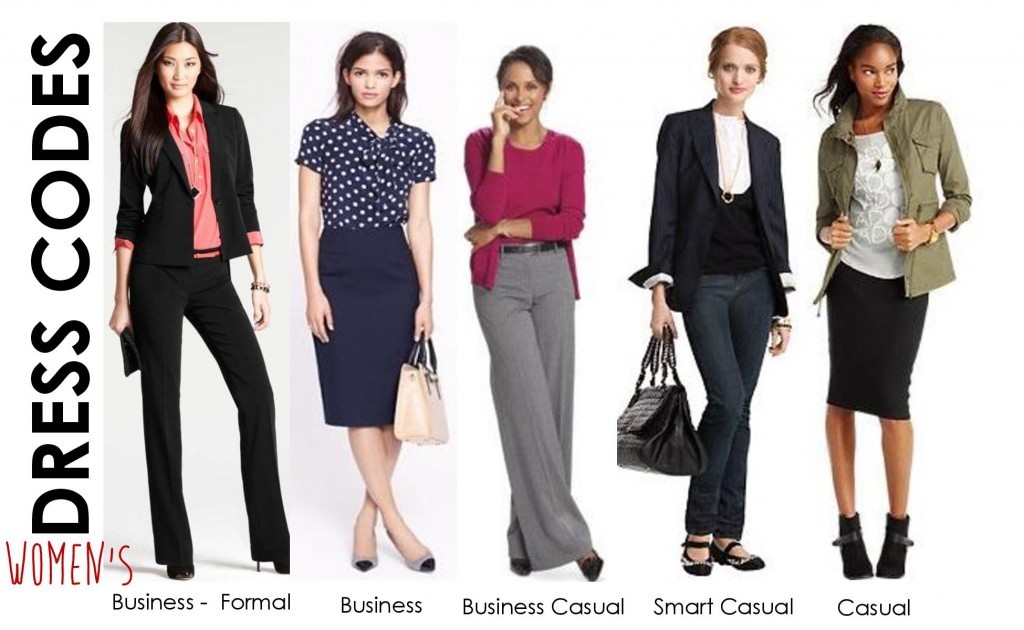
The casual dress code offers a relaxed and comfortable style. It balances ease with neatness and respect for the setting. Different dress codes have unique rules and expectations. Understanding these differences helps you dress appropriately for each occasion.
Casual dress is less formal than business casual but more polished than loungewear. It allows for personal style without sacrificing professionalism. Clothes should be clean, tidy, and free from offensive prints or damage.
Differences From Business Casual
Business casual looks more structured than casual wear. It often includes blazers, dress pants, and collared shirts. Casual dress allows jeans, t-shirts, and sneakers if they are neat. Business casual expects a sharper, more professional appearance. Casual is perfect for relaxed workplaces or social events.
Business casual limits very informal items like hoodies or sandals. Casual dress gives more freedom but still avoids overly worn or sloppy clothes. It focuses on comfort without losing respect for the event or workplace.
How It Stands Above Loungewear
Casual dress is cleaner and more presentable than loungewear. Loungewear includes pajamas, sweatpants, and clothes made mainly for home comfort. Casual clothing looks good in public and social situations. It avoids items that look too relaxed or lazy.
While loungewear is for resting or sleeping, casual dress fits daily activities outside the home. It shows you care about your appearance and respect others. Casual dress strikes a balance between comfort and style.
Tips For Effortless Casual Style
Effortless casual style means looking good without trying too hard. It blends comfort with neatness, perfect for daily wear. Simple choices can make a big difference in appearance.
Focus on easy-to-wear pieces that fit well and feel good. The right fabrics, smart mixing, and thoughtful accessories elevate casual outfits. These tips help create a balanced, stylish look.
Choosing The Right Fabrics
Pick fabrics that feel soft and breathe well. Cotton and linen keep you cool and comfortable. Avoid stiff or heavy materials that restrict movement.
Look for fabrics that hold their shape and resist wrinkles. These keep your outfit looking fresh all day. Natural fibers work best for casual wear.
Mixing And Matching
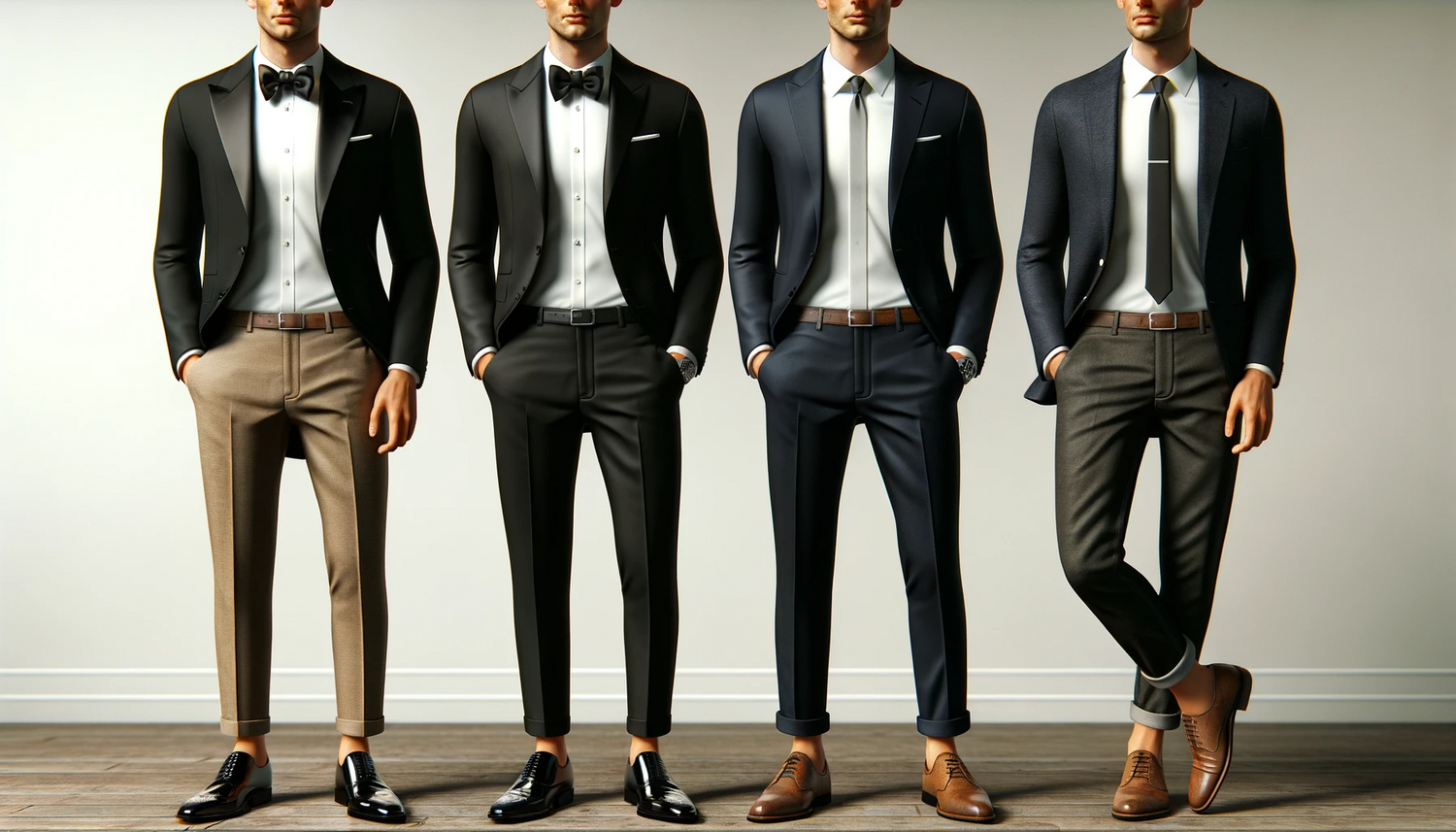
Combine simple pieces to create varied looks. Pair jeans with a clean T-shirt or a casual button-down shirt. Use neutral colors as a base for easy matching.
Add one or two colors to keep the outfit interesting. Balance patterns with solid colors to avoid clashing. Keep proportions in mind for a neat silhouette.
Accessorizing With Purpose
Choose accessories that add style without overpowering. A watch or a simple necklace can enhance your look. Avoid too many items that create clutter.
Select belts and shoes that match the outfit’s tone. Sunglasses or hats can add personality and protect from the sun. Keep it minimal and purposeful.
Credit: xsuit.com
Casual Dress Code For Different Settings
Casual dress codes change depending on the setting. Each place has its own rules about what is okay to wear. Knowing how to dress casually for different occasions helps you feel confident and fit in. This guide explains casual dress codes for workplaces, social events, and warm weather.
Workplace Casual
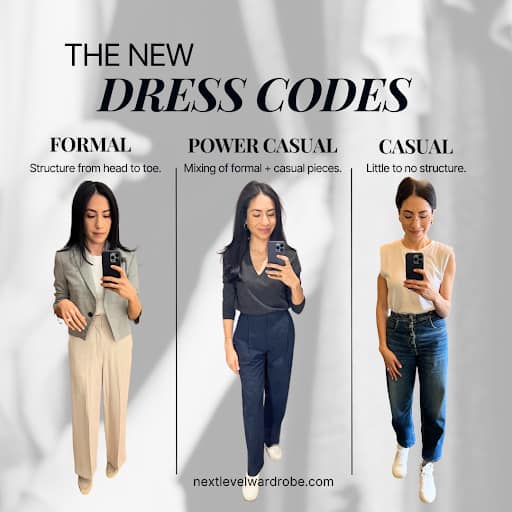
Workplace casual means neat and comfortable clothing. Avoid torn or dirty clothes. Men can wear nice jeans or chinos with a polo or button-down shirt. Women can choose casual dresses, skirts, or clean jeans with a blouse or sweater. Shoes should be clean and simple, like loafers or low-key sneakers. Avoid flip-flops and overly casual items like sweatpants.
Social Events
Casual for social events is more relaxed but still tidy. Men might wear clean jeans or shorts with a casual shirt. Women can pick dresses, skirts, or pants with nice tops. Bright colors or patterns work well here. Footwear can be sandals or casual shoes. Avoid anything too sporty or messy. Dressing well shows respect for the event and guests.
Warm Weather Adjustments
Warm weather needs lighter, breathable clothes. Choose cotton or linen fabrics for comfort. Men can wear shorts and short-sleeve shirts. Women can select light dresses or skirts. Sandals or breathable shoes help keep feet cool. Avoid heavy fabrics or dark colors that attract heat. Stay cool while keeping the look casual and neat.
Credit: www.esseg.eu
Frequently Asked Questions
What Is The Casual Dress Code?
A casual dress code means wearing clean, neat, and comfortable clothes like nice jeans, t-shirts, polos, or sneakers. Avoid ripped, stained, or offensive items. It’s less formal than business casual but more polished than loungewear, suitable for relaxed workplaces and social events.
What Are Examples Of Casual Wear?
Examples of casual wear include clean, nice jeans, chinos, casual skirts or dresses, t-shirts, polos, casual button-down shirts, sneakers, loafers, and sandals. Avoid ripped clothes, offensive graphics, sweatpants, and overly revealing or baggy outfits. Casual wear balances comfort with neatness and appropriateness.
Can You Wear Jeans For Casual?
Yes, you can wear jeans for casual occasions. Choose clean, well-fitted jeans without rips for a neat, comfortable look.
What Are Examples Of Casual?
Examples of casual attire include nice jeans, chinos, t-shirts without offensive prints, polos, casual dresses, sneakers, and loafers. Avoid ripped clothes, sweatpants, and overly revealing outfits.
Conclusion
Casual dress code blends comfort with neatness for daily wear. It allows relaxed clothes while keeping a clean, tidy look. Choosing the right casual outfit helps you fit well in many settings. Avoid clothes that look too sloppy or inappropriate.
Simple, clean, and comfortable pieces work best every time. This style suits both work and social events. Keep it easy and presentable to feel confident all day.
