

Can You Wear Leggings for Gym: The Ultimate Fitness Guide
Can You Wear Leggings For Gym
If you walk into any gym today, you’ll see many people wearing leggings. These stretchy pants seem to be everywhere—from yoga studios to weight rooms. But is it really okay to wear leggings for gym workouts? Are they safe, practical, and allowed everywhere? Or are there situations where you should consider something else? Whether you’re new to exercise or just want to feel confident about your clothing choices, understanding the pros and cons of leggings for gym use is important.
Let’s dig deeper into what makes leggings popular at the gym, how they compare to other workout wear, and what you should know before making them your go-to choice.
Why Leggings Are Popular For Gym Workouts
Leggings have become a staple in fitness fashion. This isn’t just because they look good—there are several reasons why people choose them for gym sessions.
Comfort And Flexibility
One of the main reasons people love leggings is their comfort. The soft, stretchy fabric moves with your body. When you squat, jump, or stretch, leggings don’t restrict your movement. Most leggings are made from spandex, polyester, or a blend, which gives them a flexible fit.
Sweat Management
Leggings often use moisture-wicking materials. This means sweat is pulled away from your skin, helping you stay dry. Good leggings prevent chafing and discomfort during long workouts. Some brands even add mesh panels for extra ventilation, making intense sessions more bearable.
Support And Compression
Many gym leggings provide compression. This gentle pressure can help with muscle support and improve blood flow. Some studies suggest compression can reduce muscle soreness after workouts. If you do heavy lifting or cardio, this can be a plus.
Style And Confidence
Leggings come in many colors and patterns. They can boost your confidence and motivation. Feeling good about your gym outfit might help you push harder in your routine. For some, leggings are a way to express personality while working out.
Practicality
Leggings are easy to wash, dry, and store. They’re lightweight and take up less space in your gym bag compared to sweatpants or shorts. Some leggings have pockets, making it easy to carry keys or phones.
Comparing Leggings With Other Gym Bottoms
To decide if leggings are the right choice, it helps to compare them with other options. Here’s how leggings stack up against gym shorts, sweatpants, and joggers.
| Feature | Leggings | Gym Shorts | Sweatpants/Joggers |
|---|---|---|---|
| Mobility | Excellent | Good | Moderate |
| Breathability | High (if fabric is good) | Very High | Moderate |
| Coverage | Full | Partial | Full |
| Support | Compression available | Minimal | Minimal |
| Style Options | Wide Variety | Limited | Moderate |
| Storage (pockets) | Sometimes | Often | Usually |
| Warmth | Moderate | Low | High |
Leggings Vs Shorts
Gym shorts are popular for high-intensity workouts, especially in hot weather. They offer more ventilation but less coverage. Shorts are better for those who dislike the feeling of tight clothing or want legs exposed. Leggings, on the other hand, provide full coverage and are good for people who prefer modesty or need warmth.
Leggings Vs Sweatpants And Joggers
Sweatpants and joggers are cozy for cool climates but can be bulky. They might restrict movement during exercises like yoga or Pilates. Leggings are lighter, stretchier, and more suited for dynamic workouts.
Leggings Vs Loose-fit Pants
Loose-fit pants offer freedom but can get caught during certain gym activities. Leggings stay close to your skin, reducing the risk of tripping or snagging. If safety is important, leggings are a strong option.
Types Of Leggings Suitable For The Gym
Not every legging is good for gym use. Let’s look at what types work best.
Workout Leggings
These are made specifically for exercise. Look for features like:
- Moisture-wicking fabrics
- Flat seams to prevent chafing
- Compression
- High waistbands for support
- Reinforced stitching
Workout leggings are designed to handle sweat, stretch, and movement.
Yoga Leggings
Yoga leggings are softer and more flexible. They often have less compression. If you do stretching or balance exercises, these are comfortable.
Running Tights
Running tights are similar to leggings but may have extra features like reflective strips or zippered pockets. They’re usually lightweight and designed for high-intensity cardio.
Everyday Leggings
Everyday leggings are not always suitable for the gym. They might be made from cotton, which absorbs sweat and can feel heavy. Avoid these if you plan to work out hard.
| Type | Best Use | Pros | Cons |
|---|---|---|---|
| Workout Leggings | Gym, HIIT, weights | Support, sweat management | Can be pricey |
| Yoga Leggings | Yoga, Pilates | Soft, flexible | Less support |
| Running Tights | Cardio, running | Light, breathable | Less durable for weights |
| Everyday Leggings | Casual wear | Comfort | Poor sweat management |
What To Look For When Choosing Gym Leggings
If you want to wear leggings for gym sessions, picking the right pair is important. Here’s what matters most.
Fabric Quality
Choose synthetic fabrics like polyester or nylon blends. Avoid pure cotton, which absorbs sweat and can cause chafing. Good fabrics are lightweight, stretchable, and quick-drying.
Fit And Size
Leggings should feel snug but not too tight. If they’re loose, they may slip during movement. If they’re too tight, they can restrict blood flow. Try different brands and sizes to find your best fit.
Waistband
A high waistband helps keep leggings in place during exercise. Low waistbands often slide down, which can be uncomfortable and distracting.
Length
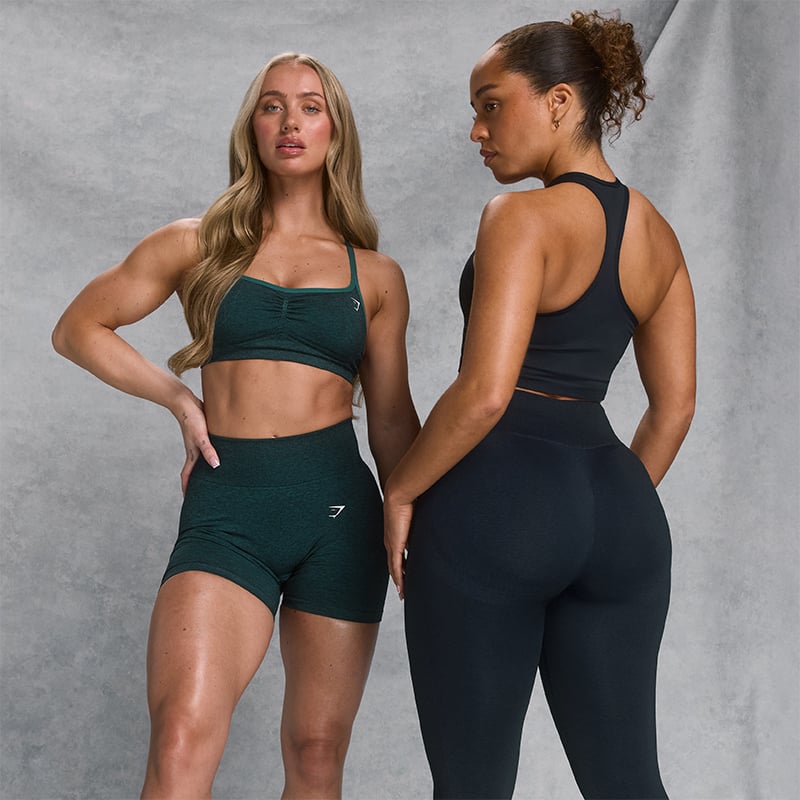
Leggings come in full-length, 7/8 length, and capri. Full-length is best for colder gyms or outdoor workouts. Capri and 7/8 are good for warmer conditions.
Seam Placement
Flat seams reduce the risk of chafing. Check for reinforced stitching, especially if you plan to do high-impact workouts.
Pockets
Some leggings have pockets for phones or keys. If you need to carry items, look for this feature.
Price Vs Quality
Higher-priced leggings often last longer and perform better. But you don’t need to break the bank—many mid-range brands offer quality options.
Credit: row.gymshark.com
Common Mistakes When Wearing Leggings For Gym
Even though leggings are popular, some people make mistakes. Here are issues to avoid.
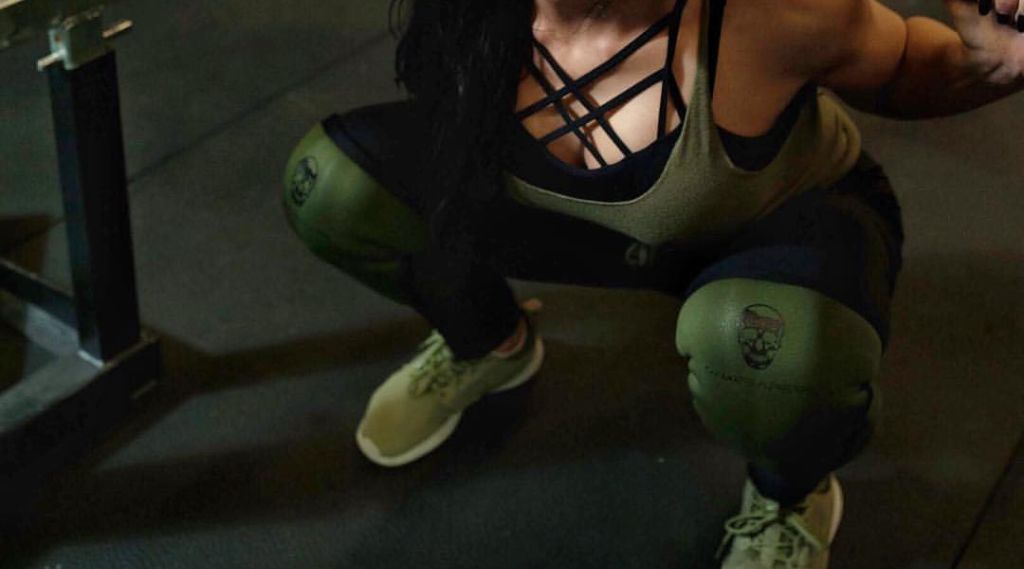
- Wearing see-through leggings: If the fabric is thin, it may become transparent during squats or stretches. Always check with a squat test before buying.
- Choosing cotton leggings: Cotton absorbs sweat and becomes heavy. It can cause skin irritation.
- Ignoring waistband fit: Low waistbands slip down, especially during dynamic movements.
- Overlooking seam quality: Poor seams can cause chafing and discomfort.
- Using everyday leggings for intense workouts: Not all leggings are built for gym activities.
- Not washing leggings properly: Sweat can damage fabric and cause odor. Follow care instructions.
- Wearing the wrong size: Too tight can restrict movement; too loose can slide down.
Pros And Cons Of Wearing Leggings At The Gym
Let’s break down the main advantages and disadvantages.
Pros
- Comfort: Leggings are soft and flexible.
- Mobility: Good for stretching, lifting, and cardio.
- Sweat management: Keeps you dry.
- Style: Wide variety of colors and patterns.
- Compression: Supports muscles.
Cons
- Transparency: Some leggings are see-through.
- Durability: Thin leggings may tear.
- Warmth: Not suitable for very cold gyms.
- Fit issues: Wrong size can lead to discomfort.
Leggings And Gym Etiquette
Most gyms allow leggings, but it’s important to respect local rules and customs.
Modesty And Dress Codes
Some gyms—especially in schools, workplaces, or religious centers—may have dress codes. They might require longer tops or ban tight clothing. Check your gym’s guidelines before wearing leggings.
Hygiene
Leggings should be washed after every workout. Sweat and bacteria can build up, leading to odor or skin issues. Always keep your gym gear clean.
Respecting Others
Avoid wearing leggings that are too revealing or have offensive prints. Choose styles that make you comfortable and don’t distract others.
Leggings For Different Gym Activities
Not all gym activities are equal. Some workouts suit leggings better than others.
Weightlifting
Leggings are good for weightlifting because they allow full range of motion. Compression leggings can support muscles. Make sure the fabric is thick enough to avoid transparency during squats.
Cardio
For running, cycling, or HIIT, leggings with moisture-wicking fabric are ideal. They prevent sweat buildup and reduce chafing.
Yoga And Pilates
Leggings are perfect for stretching and balance exercises. Soft, flexible fabrics help you move freely.
Group Classes
Zumba, dance, or aerobics classes often involve quick movements. Leggings stay in place and are less likely to get caught than loose pants.
Outdoor Workouts
For outdoor sessions, consider leggings with UV protection and thicker fabric for warmth.
Men Wearing Leggings At The Gym
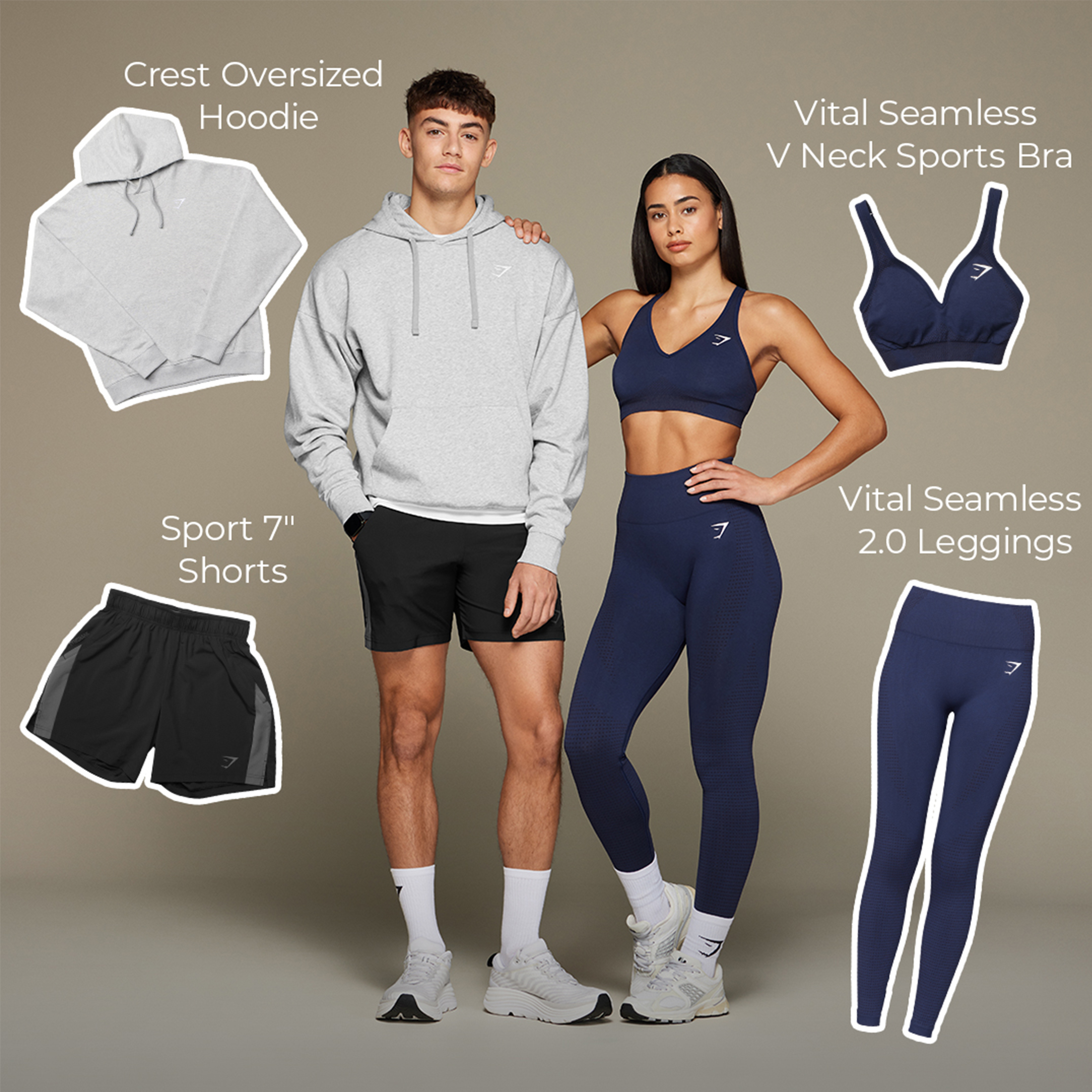
Leggings are not just for women. Many men wear compression tights for gym workouts.
Benefits For Men
- Muscle support: Compression tights help during heavy lifting.
- Warmth: Keeps legs warm during outdoor training.
- Layering: Can be worn under shorts for extra coverage.
Style Tips For Men
Most men prefer to wear shorts over leggings. This adds modesty and comfort. Look for men’s-specific leggings for proper fit.
Leggings And Body Types
Leggings can work for any body type if you pick the right pair.
Plus-size Options
Many brands offer plus-size leggings with extra support and thicker fabrics. High waistbands can help with comfort and stability.
Petite Options
Petite people may prefer 7/8 or capri lengths. Try different brands to find the right fit.
Tall Options
Some brands offer tall sizes with longer inseams. This prevents leggings from riding up.
Credit: eu.gymshark.com
Leggings And Age Groups
People of all ages can wear leggings at the gym.
- Teens: Often choose bold colors and patterns.
- Adults: Prefer neutral colors and functional features.
- Older adults: Look for comfort and support.
Age doesn’t matter as long as you feel comfortable and confident.
Leggings And Performance: Do They Help?
Some studies suggest compression leggings can help with performance and recovery.
- Compression: May reduce muscle soreness after exercise.
- Blood flow: Supports circulation during intense workouts.
- Reduced fatigue: Some athletes report feeling less tired.
However, the effect is small. The main benefit is comfort and mobility.
Leggings And Injury Prevention
Leggings can help prevent injuries in some ways.
- Compression: Supports muscles and joints.
- Reduced chafing: Flat seams and moisture-wicking fabrics lower skin irritation.
- Safety: Close fit prevents fabric from catching on machines.
But leggings alone won’t prevent injuries. Proper technique and warm-up are key.
Leggings And Temperature Control
Leggings are best in moderate temperatures.
- Warm gyms: Capri or 7/8 leggings are good.
- Cold gyms: Full-length leggings provide warmth.
- Outdoor: Look for insulated or fleece-lined leggings.
Avoid leggings in extreme heat unless they’re very breathable.
Are Leggings Allowed In All Gyms?
Most gyms allow leggings, but some have restrictions.
- School gyms: May require shorts or loose pants.
- Religious gyms: Dress codes may ban tight clothing.
- Corporate gyms: Check policies for acceptable attire.
Always ask if you’re unsure.
Are Leggings Safe For Gym Equipment?
Leggings are safe for most gym equipment. The close fit prevents snagging. Avoid leggings with zippers or metal parts—they can scratch benches or machines.
Credit: www.gymreapers.com
Leggings And Sustainability
Many brands now offer eco-friendly leggings. Look for recycled fabrics or sustainable materials if you care about the environment. For more on sustainable activewear, see the Healthline Eco-Friendly Workout Clothes Guide.
How To Care For Gym Leggings
Proper care keeps leggings lasting longer.
- Wash after each workout: Prevents odor and bacteria.
- Use gentle detergent: Harsh chemicals damage fabric.
- Avoid high heat: Air dry or use low heat.
- Don’t use fabric softener: It clogs moisture-wicking fibers.
- Store flat: Prevents stretching.
Signs You Need New Leggings
Leggings don’t last forever. Replace them if:
- Fabric becomes thin or see-through
- Seams start to unravel
- Waistband loses stretch
- Odor persists after washing
Non-obvious Insights For Beginners
- Do the squat test: Try squatting in front of a mirror before buying leggings. This checks for transparency.
- Check for gussets: A gusset is a triangle or diamond shape at the crotch. It improves comfort and prevents tearing.
- Flat-lock seams matter: They reduce chafing and are more durable.
- UV protection: Some leggings offer sun protection for outdoor workouts.
- Antimicrobial treatment: Some fabrics resist odor and bacteria.
How To Wear Leggings Confidently At The Gym
If you’re worried about how you look in leggings, here are tips:
- Pair with longer tops: Covers hips and adds modesty.
- Choose dark colors: Hide sweat and are less revealing.
- Use layering: Wear shorts or skirts over leggings if desired.
- Focus on fit, not brand: Comfort is more important than logo.
Confidence comes from feeling comfortable. Don’t worry about what others wear.
Leggings For Special Needs
Some people need special features in gym leggings.
- Maternity leggings: Extra stretch and support for pregnant women.
- Post-surgery leggings: Compression can help recovery.
- Medical conditions: Some leggings have medical-grade compression for circulation issues.
Consult your doctor if you have special requirements.
Leggings And Gym Fashion Trends
Gym fashion changes often. Leggings are at the center of many trends.
- Bold prints: Animal, floral, geometric patterns.
- Mesh panels: For style and ventilation.
- High-rise waists: Popular for support.
- Eco-friendly fabrics: Growing interest in sustainability.
Trends come and go, but comfort stays important.
Leggings And Social Acceptance
Leggings are widely accepted in most gyms. Even in places where they were once seen as “too tight,” people now see them as normal. Social attitudes have shifted, making leggings a safe choice for most situations.
Practical Tips For Buying Gym Leggings
- Try before you buy—fit is everything.
- Check reviews for durability and comfort.
- Look for brands with good return policies.
- Test for squat-proof fabric.
- Choose styles that match your workout type.
Leggings Vs Compression Shorts
Compression shorts are similar to leggings but shorter. They offer support and mobility but less coverage. Some people layer both for extra comfort.
| Feature | Leggings | Compression Shorts |
|---|---|---|
| Coverage | Full | Partial |
| Support | High (if compression) | High |
| Warmth | Moderate | Low |
| Style | Wide variety | Limited |
Leggings And Gym Safety
Leggings are safe for most activities. Just make sure:
- No loose threads or tears
- No metal parts or zippers
- Fabric is thick enough for coverage
If you do activities that involve sliding or contact, choose thicker fabrics.
Leggings And Personal Preference
Ultimately, wearing leggings for gym depends on what makes you comfortable. Some people love the fit and style, others prefer shorts or sweatpants. There is no “one-size-fits-all” answer. Try different options and see what works for you.
Frequently Asked Questions
Are Leggings Better Than Shorts For Gym Workouts?
Leggings offer more coverage, support, and sometimes compression. Shorts are better for ventilation and hot weather. The choice depends on personal comfort and workout type.
How Can I Avoid Leggings Becoming See-through?
Choose leggings with thick, high-quality fabric and check for squat-proof designs. Avoid light colors and always test before buying.
Is It Okay For Men To Wear Leggings At The Gym?
Yes, many men wear compression tights. It’s common to layer shorts over leggings for extra comfort and modesty.
Do Leggings Help With Workout Performance?
Compression leggings may help with muscle support and recovery, but the effect is small. The main benefit is comfort and mobility.
Can I Wear Everyday Leggings For Gym Workouts?
It’s not recommended. Everyday leggings may not handle sweat or movement well. Choose workout-specific leggings for best results.
Wearing leggings for gym workouts is both practical and popular. They offer comfort, mobility, and style for many people. While there are a few drawbacks, choosing the right pair and wearing them confidently can make your gym experience better. Check your gym’s dress code, pick leggings with the best features for your needs, and enjoy the benefits.
Whether you’re lifting weights, stretching, or running, leggings can be a smart choice for your fitness journey.
