

Can You Wear Gym Leggings for Swimming? Expert Tips Revealed
Can You Wear Gym Leggings For Swimming
Wearing the right clothing for swimming is something many people think about, but what if you only have gym leggings with you? Maybe you’re planning a quick dip after a workout, or you just prefer the feel of leggings over a swimsuit.
This is a common question, especially for those new to swimming or people who want extra coverage. Let’s explore whether gym leggings are a good choice for swimming, what you need to know before you try, and the important differences between gym leggings and swimwear.
You’ll find clear answers, practical advice, and expert tips to help you decide what’s best for your next swim.
What Are Gym Leggings Made For?
Gym leggings are a popular type of activewear. They are designed for stretch, support, and comfort during activities like running, yoga, and weightlifting. The materials used are usually a blend of polyester, nylon, and spandex. These fabrics help the leggings stay flexible and close to your skin, which is great for movement and sweat control.
Most gym leggings have:
- Moisture-wicking features to keep sweat away
- Compression to support muscles
- Flat seams for less chafing
- Thick, opaque fabric for coverage
However, these features are tuned for dry-land sports, not for swimming. The material blend is chosen to handle sweat and movement, not constant contact with chlorinated pool water or saltwater.
The Purpose And Design Of Swimwear
Swimwear, like swimsuits or swim leggings, is made for water. Designers choose chlorine-resistant and quick-drying fabrics, usually a special blend of polyester or nylon with a higher percentage of spandex or Lycra. These materials:
- Hold their shape in water
- Resist fading from chlorine or sunlight
- Dry fast to avoid discomfort
- Reduce drag for better swimming performance
Swimwear also has features like flatlock seams and tighter fits to avoid water resistance. Even the waistbands and stitching are made to handle being wet for long periods. This is very different from what gym leggings are built to do.
How Gym Leggings Behave In Water
Wearing gym leggings in water is different from wearing them in the gym. When you enter a pool or sea with gym leggings, you’ll notice a few things:
- Water Absorption: Gym leggings soak up water much more than swimwear. They get heavier and can take a long time to dry.
- Fit and Comfort: Wet gym leggings may sag or feel loose. The fabric might cling to your legs in uncomfortable ways.
- Movement: The extra weight and drag can make swimming harder. You may feel slower, and your movements could be restricted.
- Durability: Chlorine and salt can break down the elastic fibers in gym leggings. Over time, they lose shape, fade, or develop holes.
- Transparency: Some gym leggings become see-through when wet, especially lighter colors or thin fabrics.
Here’s a simple comparison:
| Feature | Gym Leggings | Swimwear |
|---|---|---|
| Water Resistance | Low | High |
| Drying Speed | Slow | Fast |
| Chlorine Resistance | Poor | Excellent |
| Fit When Wet | Loose/Saggy | Snug |
| Transparency Risk | High | Low |
Pros And Cons Of Wearing Gym Leggings For Swimming
Pros
- Coverage: Gym leggings cover your legs, which many people like for modesty or sun protection.
- Comfort (Short Term): If you already own a pair, you don’t need to buy swim leggings.
- Quick Solution: Great for a one-time or emergency swim.
Cons
- Material Damage: Pool chemicals and saltwater can quickly ruin gym leggings.
- Heaviness in Water: The extra weight makes swimming harder and can be dangerous for weak swimmers.
- Drying Time: They can stay wet for hours, causing discomfort and even skin irritation.
- Transparency Issues: Many gym leggings become see-through when wet.
- Pool Rules: Many public pools ban non-swimwear for hygiene or safety reasons.
- Reduced Performance: You will swim slower and use more energy.
Health, Safety, And Hygiene Concerns
Safety is a top reason why swimwear rules exist. Here’s why wearing gym leggings in the pool can be risky:
- Drag and Weight: Heavy, water-soaked leggings can slow you down or make swimming more tiring. This is dangerous for children or less confident swimmers.
- Snagging and Loose Fabric: Loose leggings can catch on pool equipment, increasing the risk of accidents.
- Bacterial Growth: Gym leggings dry slowly, which means they can hold bacteria or fungi if not washed and dried properly.
- Chemical Residue: Some gym leggings have sweat-wicking coatings that may react with chlorine, causing skin irritation.
- Restricted Movement: The added drag can reduce your ability to move quickly in water, which is critical in emergencies.
Pool Rules And Public Swimming Policies
Most public pools and water parks have clear rules about what you can wear in the water. These rules protect both swimmers and the facility. Common policies include:
- Only swimwear made from approved materials is allowed.
- No jeans, cotton clothes, or casual wear in the pool.
- Swim leggings are allowed only if made for swimming.
- All clothing must be form-fitting to prevent snagging.
If you wear gym leggings, you may be asked to leave the pool or change. This is not just about hygiene but also about the safety of everyone in the water.
Gym Leggings Vs. Swim Leggings: What’s The Difference?
It’s easy to think gym leggings and swim leggings are similar, but their differences matter a lot in water.
| Aspect | Gym Leggings | Swim Leggings |
|---|---|---|
| Main Material | Polyester/Nylon + Spandex | Chlorine-resistant Polyester/Nylon + High Spandex |
| Purpose | Land activities | Swimming |
| Stitching | Standard | Flatlock, anti-chafe |
| Elasticity in Water | Reduced | Maintained |
| Chlorine Resistance | Poor | Excellent |
Swim leggings are designed for constant water exposure. They last longer, fit better when wet, and keep their color and shape. If you swim often, investing in swim leggings saves money and trouble in the long run.
When Is It Okay To Swim In Gym Leggings?
Sometimes, you might decide to swim in gym leggings, even with the downsides. Here are a few situations where it might be acceptable:
- Private Pools: If you’re swimming at home, you have more freedom to choose what to wear. There are no public rules, and you can change quickly if needed.
- Beach or Open Water: At the beach, you might use gym leggings for sun protection or modesty. Just remember they’ll get heavy and take longer to dry.
- Emergency or One-Off Use: If you forgot your swimsuit or need extra coverage, gym leggings can work for one quick swim.
However, always rinse them with clean water afterward and dry them as soon as possible to prevent damage and bacteria buildup.
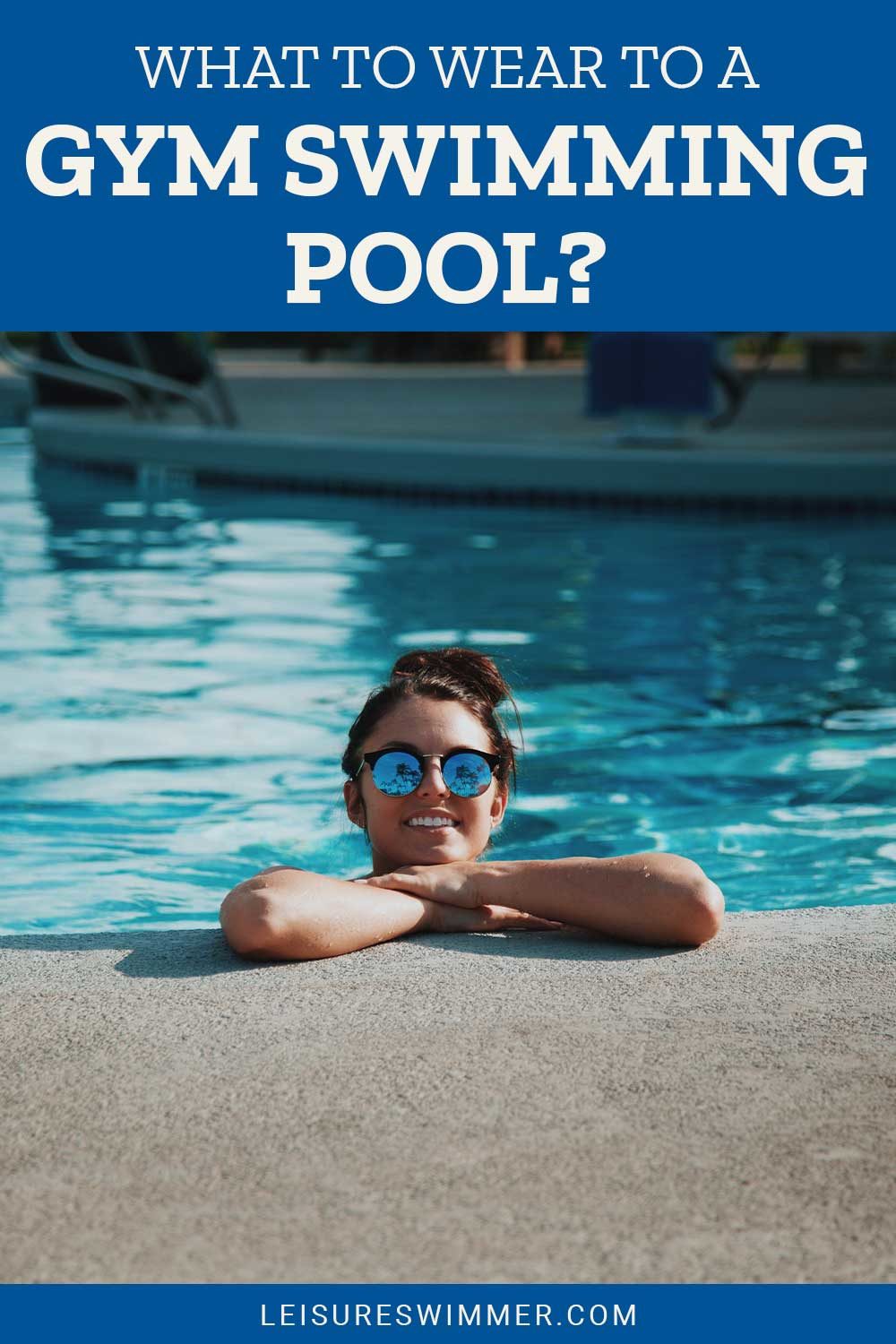
Credit: leisureswimmer.com
How To Choose Swimwear For Coverage And Comfort
If you want the coverage of leggings but need something made for swimming, look for swim leggings or swim tights. Here’s what to check before you buy:
- Material: Choose chlorine-resistant blends with at least 15-20% spandex or Lycra.
- Fit: Swim leggings should fit snugly but not pinch. They should stay up when wet.
- Stitching: Flatlock seams reduce chafing.
- Waistband: A secure, adjustable waistband keeps leggings in place.
- UPF Rating: For outdoor swimming, pick leggings with built-in UV protection.
- Brand Reputation: Choose trusted swim brands for quality.
Common beginner mistake: Buying leggings labeled “quick-dry” or “active” doesn’t mean they are good for swimming. Only buy those clearly marked as swimwear.
Religious, Cultural, And Modesty Considerations
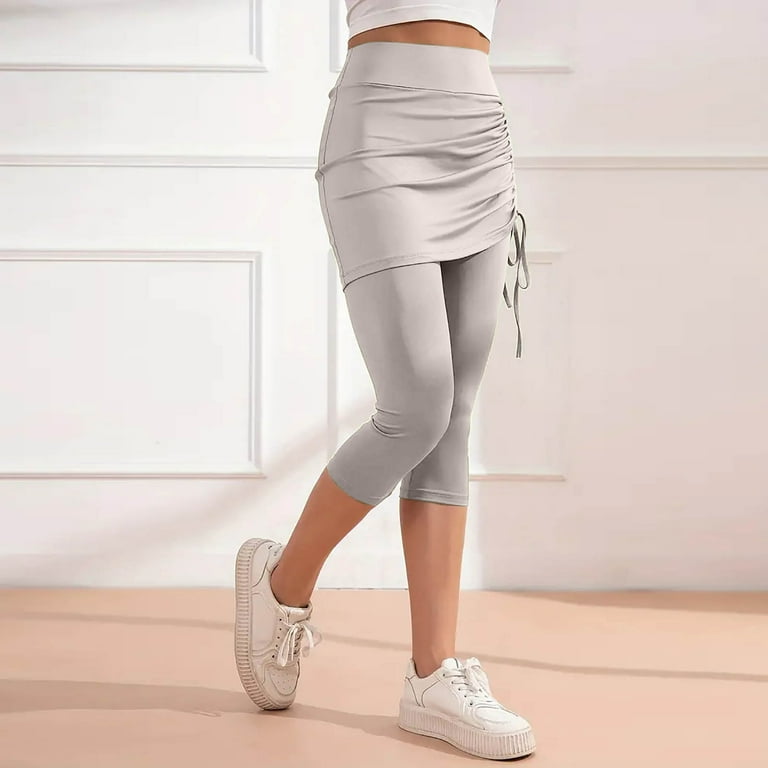
Many people wear leggings in the pool for religious or modesty reasons. Some cultures and faiths ask for covered arms and legs. The good news is that the swimwear industry now offers modest swimwear, including:
- Full-length swim leggings
- Swim skirts and tunics
- Long-sleeve swim shirts (rash guards)
- Hijab swimwear
These are made with water-friendly, chlorine-resistant materials. They meet both modesty and safety standards. If your pool has strict dress codes, ask for guidance or look for pools that support modest swimwear.
Credit: www.walmart.com
How Gym Leggings Affect Swimming Performance
If you’re swimming for exercise, comfort, or speed, what you wear matters. Here’s how gym leggings can impact your performance:
- More Drag: The fabric isn’t streamlined, so you move slower in water.
- Fatigue: Heavier, water-logged leggings make your legs work harder.
- Inconsistent Fit: As they soak up water, leggings may sag or twist, making strokes less efficient.
- Less Flexibility: Some gym leggings lose stretch in water, restricting kicks and turns.
Competitive swimmers always use specialized swimwear to avoid these problems. Even for casual swimmers, the right swimwear makes a big difference.
Caring For Gym Leggings After Swimming
If you do swim in gym leggings, proper care can help them last longer:
- Rinse Immediately: Rinse in fresh water right after swimming to remove chlorine or salt.
- Gentle Wash: Use a mild detergent and wash by hand. Avoid fabric softeners.
- Air Dry: Lay flat to dry in shade. Don’t use a dryer, as heat damages the elastic.
- Check for Damage: Look for stretched seams or thinning fabric before using again.
Even with the best care, gym leggings won’t last long if used regularly in water.
Environmental Impact: Gym Leggings Vs. Swimwear
Many people worry about the environmental effects of synthetic fabrics. Both gym leggings and swimwear are usually made from plastics (like polyester or nylon), but swimwear is built to last longer in water. If you keep replacing ruined gym leggings, you create more waste.
Some brands now offer eco-friendly swimwear made from recycled plastics, such as old fishing nets or bottles. If you want to help the environment and swim often, invest in durable, recycled swim leggings instead of using gym leggings in water.
Real User Experiences: Stories From Swimmers
Many swimmers have tried using gym leggings at least once. Here are some common experiences:
- “My leggings felt great when I first jumped in, but after ten minutes they got heavy and started to slip down.”
- “I wore black gym leggings at the beach. They dried slowly, and sand stuck to the fabric. Not comfortable.”
- “At my local pool, I wasn’t allowed to wear gym leggings. They explained it was for hygiene and safety.”
- “I bought swim leggings for my daughter because she doesn’t like swimsuits. They fit well, dried fast, and lasted the whole summer.”
These stories show the main issues: discomfort, pool rules, and the need for the right gear.
Alternatives To Gym Leggings For Swimming
If you want coverage, comfort, and safety, there are better options than gym leggings:
- Swim Leggings/Tights: Designed for water, offer full coverage, and last longer.
- Rash Guards: For upper body coverage, often paired with swim leggings.
- Board Shorts: For those who prefer looser shorts but still want quick-drying material.
- Modest Swimwear Sets: For those wanting full body coverage for religious or personal reasons.
- Wetsuits: For cold water, these offer warmth and coverage but are specialized gear.
Switching to any of these options will improve your comfort and safety in the water.
Cost Comparison: Gym Leggings Vs. Swimwear
Many people choose gym leggings for swimming to save money. Let’s compare the real costs:
| Item | Average Price | Lifespan (in water) | Cost per Use |
|---|---|---|---|
| Gym Leggings | $20-$50 | 3-8 swims | High |
| Swim Leggings | $30-$70 | 30+ swims | Low |
Although swim leggings cost more upfront, they last much longer in water. You’ll save money over time and have a better swimming experience.
Tips For Using Gym Leggings In Water (if You Must)
If you choose to swim in gym leggings, follow these tips for a safer, more comfortable experience:
- Pick Dark, Thick Fabrics: They’re less likely to become see-through when wet.
- Choose a Tight Fit: Loose leggings will sag more in water.
- Avoid Zippers or Drawstrings: These can snag or rust in water.
- Shower Before and After: Rinse off sweat before swimming and chlorine after.
- Stay Aware of Pool Rules: Respect staff instructions; they know best.
- Limit Time in Water: The longer you swim, the more damage to the leggings and the more discomfort you’ll have.
Insights Most Beginners Miss
Many beginners think all leggings are the same. In reality, the right material can make a huge difference in safety, comfort, and durability. Another common mistake is thinking public pools will allow any clothing if it is tight and covers the body. Always check the pool’s rules before you go.
A less obvious insight: gym leggings with a high cotton content are the worst for swimming. Cotton soaks up water, becomes heavy, dries slowly, and is very easy to tear after exposure to chlorine.
Credit: www.businessinsider.com
The Bottom Line: Should You Swim In Gym Leggings?
You can swim in gym leggings, but it’s not ideal. While they offer coverage and may feel comfortable at first, they’re not made for water. The material will break down quickly, and you may face safety and hygiene risks. Most public pools don’t allow gym leggings in the water.
For your health, comfort, and the safety of others, it’s better to choose proper swimwear—especially swim leggings if you want full coverage.
If you swim only once in a while, gym leggings might work in a private or outdoor setting. But for regular swimming, invest in swim leggings. You’ll save money, avoid embarrassment, and enjoy swimming much more.
For more on swimwear materials and safety, check out this resource from the Wikipedia: Swimsuit.
Frequently Asked Questions
Can You Wear Gym Leggings At Public Swimming Pools?
Most public pools do not allow gym leggings in the water. They require approved swimwear for hygiene and safety. Always check with the pool before you go.
Will Gym Leggings Get Damaged If I Swim In Them?
Yes, repeated contact with chlorine or saltwater will damage gym leggings. The fabric can lose its stretch, fade, and become thin or even tear.
Are Swim Leggings The Same As Gym Leggings?
No. Swim leggings are made from water-friendly, chlorine-resistant materials. Gym leggings are for land sports and do not hold up in water.
What Can I Wear For Modest Swimming If I Don’t Want A Swimsuit?
You can choose modest swimwear like swim leggings, swim skirts, and long-sleeve swim shirts. These are made for water use and follow most pool rules.
Do Gym Leggings Protect Against Sunburn While Swimming Outdoors?
Gym leggings may cover the skin, but only swim leggings with a UPF rating offer tested UV protection. Regular gym leggings may not block enough sunlight and can get hot when wet.
