

Can You Wear Flare Leggings to Pilates? Expert Tips Explained
Can You Wear Flare Leggings To Pilates
Flare leggings are everywhere today. You see them in fitness studios, airports, even coffee shops. Their gentle bell shape at the ankle gives a retro vibe, while stretchy fabrics offer comfort and style. But when it comes to Pilates—a workout that’s precise, controlled, and often done on machines—many people wonder: Can you wear flare leggings to Pilates? Or should you stick to classic, fitted leggings? This question matters not only for looks but also for safety, comfort, and performance. If you love flare leggings, you may hope for a “yes.” But is it the right choice? Here’s a complete look at whether flare leggings are a smart pick for Pilates, what you should consider, and how to make the best choice for your class.
Understanding Pilates: Why Clothing Matters
Pilates focuses on small, controlled movements, core strength, and posture. It’s done on mats or equipment like the Reformer. Instructors often give hands-on corrections, and you move your body in many directions. The right clothing lets you move freely, helps your instructor see your form, and keeps you safe around springs, pulleys, and moving parts.
Loose or baggy clothes can get in the way, hide your alignment, or even get caught in equipment. Tight, stretchy clothes are common in Pilates because they allow movement without bunching or slipping. So, when you bring flare leggings into this picture, certain questions come up.
Flare Leggings: What Sets Them Apart?
Flare leggings start slim at the hips and thighs, then widen below the knee. Unlike regular leggings, which are fitted all the way down, flares create extra fabric near your calves and ankles. This gives them a relaxed, flowy look.
Modern flare leggings use stretchy, breathable materials like nylon, polyester, spandex, or blends. Some brands design them specifically for yoga or Pilates, others for fashion. Differences in cut, fabric, and fit can change how suitable they are for Pilates.
Why People Love Flare Leggings
- Comfort: The looser ankle feels less restrictive.
- Style: Many find the shape flattering and trendy.
- Versatility: Good for casual wear, travel, and low-impact workouts.
But how do these pluses fit into the needs of a Pilates class?
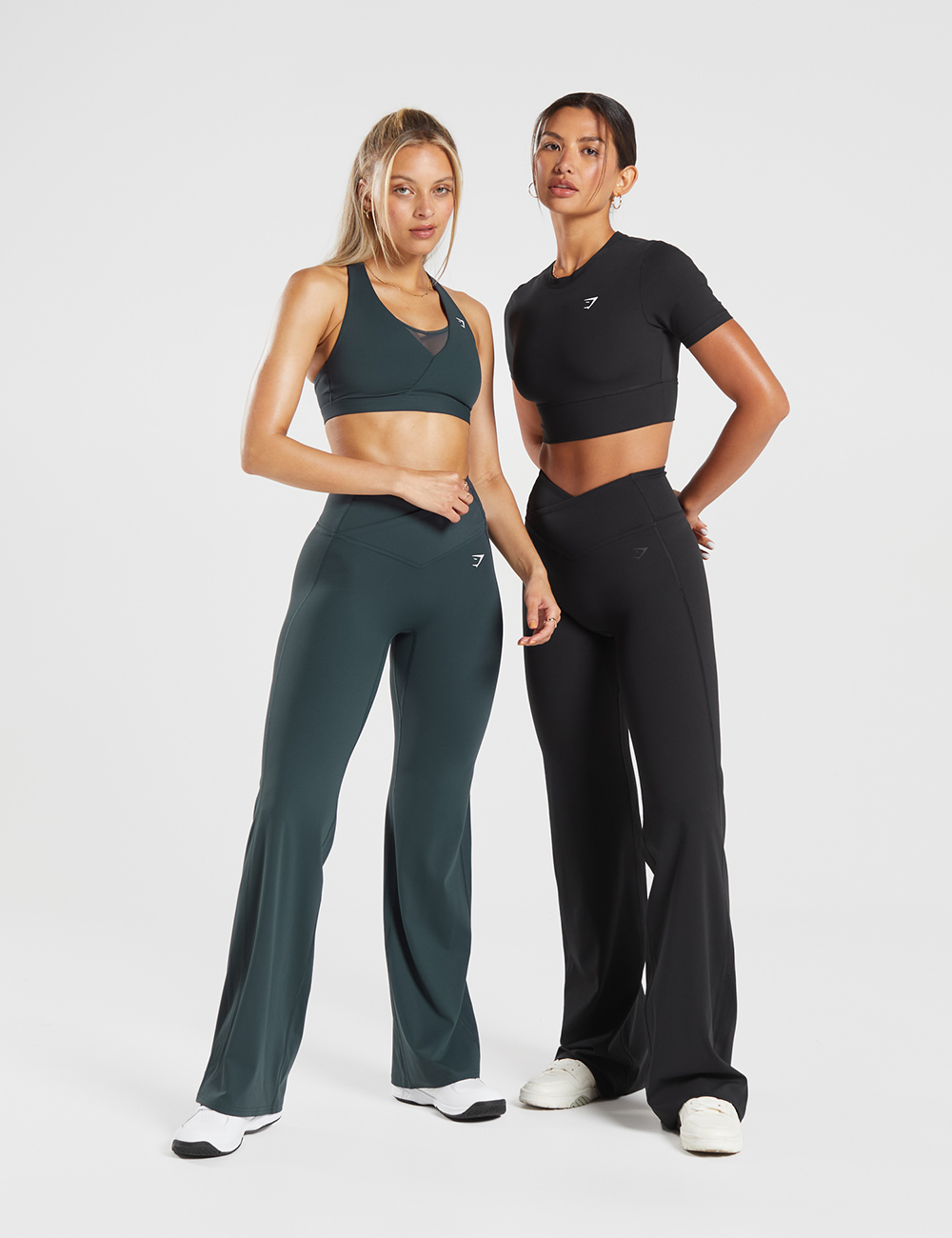
Credit: www.gymshark.com
The Pros And Cons Of Wearing Flare Leggings To Pilates
The answer isn’t as simple as yes or no. It depends on what type of Pilates you do, your body, and the specific leggings. Let’s break down the benefits and drawbacks.
Benefits Of Flare Leggings In Pilates
- Freedom of Movement: High-quality flare leggings use stretchy fabrics that allow wide ranges of motion. You can lift, bend, and twist without feeling squeezed.
- Air Circulation: The wider bottom allows air to flow, which can keep you cooler, especially in warm studios.
- Fashion Confidence: If you feel good in your outfit, you may perform better. Style can boost motivation and comfort.
- Versatile for After Class: Flare leggings can double as streetwear, making it easy to go from studio to errands.
Drawbacks To Consider
- Extra Fabric Near Ankles: The flare can catch on Pilates equipment, especially on Reformers or chairs with moving parts. This is a real safety concern.
- Obscured Alignment: Instructors may have trouble seeing your ankle, knee, and foot alignment, which are key to good Pilates form.
- Distraction: Loose fabric may move around, drawing your focus away from exercises.
- Slipping Hazard: If the flare is too wide or long, it can get under your foot, leading to slips during standing moves.
- Studio Rules: Some Pilates studios require fitted clothing for safety and teaching reasons.
How Flare Leggings Compare To Classic Leggings For Pilates
To help you visualize the differences, here’s a side-by-side comparison:
| Feature | Flare Leggings | Classic Leggings |
|---|---|---|
| Fit | Fitted through thigh, flared below knee | Fitted ankle to waist |
| Movement | Very good, but can be loose at ankle | Excellent, no loose fabric |
| Safety on Equipment | Can snag or catch | Low risk of catching |
| Visibility of Alignment | May hide foot/ankle position | Easy to see body lines |
| Temperature Control | Better air flow | May feel warmer |
| Style | Trendy, versatile | Classic, athletic look |
As you can see, flare leggings have both pluses and minuses. The right choice depends on your priorities and the type of Pilates you practice.
Types Of Pilates: Which Classes Suit Flare Leggings?
Pilates isn’t one-size-fits-all. The type of class you choose affects whether flare leggings are a good fit.
Mat Pilates
In mat Pilates, you do exercises on the floor using a yoga mat and sometimes props like bands or rings. There is little risk of catching your clothing on equipment.
- Flare leggings are usually fine here as long as they aren’t too loose or long. You can enjoy their comfort and style without safety worries.
- However, if your instructor corrects form visually, tighter leggings may give clearer feedback.
Reformer Pilates
This type uses a sliding carriage, pulleys, and springs. Your feet often press against footbars or straps, and moving parts are close to your body.
- Flare leggings are riskier here. The extra fabric can get caught or tangled, especially during transitions.
- Fitted leggings are usually safer and preferred by most studios and instructors.
Pilates Chair, Cadillac, And Barrel
These equipment-based classes also have moving parts and small spaces.
- Flare leggings are not recommended for these machines. Safety and clear body alignment matter most.
Group Fitness Or Hybrid Classes
Some Pilates-inspired classes mix in dance, barre, or yoga.
- Flare leggings can work if the class is low-impact and mat-based. Always check with the instructor first.
Studio Dress Codes And Instructor Preferences
Pilates studios often have dress codes for safety and teaching reasons. Here are some common guidelines:
- Fitted clothing preferred: Helps instructors see your alignment and give corrections.
- No loose pants or shorts: Prevents fabric from catching on machines.
- No zippers or metal parts: Protects equipment from scratches.
- Grip socks required: For hygiene and safety on equipment.
It’s a good idea to check your studio’s website or ask the front desk before wearing flare leggings to a new class. Some instructors will allow them for mat classes but not for equipment sessions.
Safety Considerations: What Beginners Often Miss
Most beginners look at comfort and style first, but safety is just as important. Here are two non-obvious insights:
- Equipment Gaps Can Catch Fabric: On Reformers, small gaps between the carriage and frame can pull in loose fabric. This doesn’t just damage your leggings—it can cause you to lose balance or get pinched.
- Standing Balance Moves: In Pilates, you sometimes stand on one leg or move quickly from one exercise to the next. If your flare leggings are too long, the fabric can slide under your heel, causing a slip or fall.
To avoid these problems, always check the length and width of your flare leggings before class. If they touch the floor when you stand barefoot, they’re probably too long for Pilates.
Choosing The Right Flare Leggings For Pilates
Not all flare leggings are made equal. If you love the look and want to try them in Pilates, here’s what to consider:
Look For Athletic Fabrics
Go for moisture-wicking, stretchy materials that move with your body. Avoid cotton flares meant for casual wear—they can get heavy with sweat.
Check The Flare Width
A slight bootcut or narrow flare is safer than a wide, dramatic bell. The less extra fabric near your feet, the better for Pilates.
Mind The Length
Your leggings should clear the ground when you stand barefoot. Too-long leggings drag and increase the risk of slips.
Try High-waisted Styles
High-waisted flare leggings stay in place during rolling or bending exercises. This keeps you covered and comfortable.
Test At Home First
Do a few Pilates moves at home—roll like a ball, bridge, leg circles. Notice if the flare gets in the way or distracts you. If so, stick to classic leggings for class.
Brand Examples
Some activewear brands now offer flare leggings designed for yoga and Pilates. These often have a slimmer, less dramatic flare and technical fabrics for performance.

Credit: topsfordays.com
Practical Tips For Wearing Flare Leggings To Pilates
If you decide to wear flare leggings, keep these tips in mind:
- Pair with grip socks: This helps prevent slipping if fabric gets underfoot.
- Choose light, quick-dry fabrics: Heavy or thick leggings can feel hot and restrict movement.
- Avoid extra details: No zippers, buttons, or large seams.
- Tuck in a fitted top: This keeps your silhouette clear for the instructor.
- Bring a backup: Pack regular leggings in your bag, just in case the instructor asks you to change.
Real Experiences: Pilates Instructors And Students Weigh In
Many Pilates instructors notice when students wear flare leggings, especially in equipment classes. Some common feedback includes:
- “I can’t see my student’s ankles, so it’s hard to correct foot position.”
- “Loose fabric once got stuck in the Reformer’s springs.”
- “Mat classes are more relaxed, so I don’t mind as much, but I always prefer fitted clothing for safety.”
Students who prefer flare leggings often mention:
- “They’re comfortable and stylish—I feel more confident.”
- “I only wear flares to mat classes, not machines.”
- “Once, my pants got under my heel during a single-leg move, and I slipped. Now I’m more careful about the length.”
This shows that while flare leggings can work, you must use caution and good sense—especially in classes with equipment.

Credit: www.gymshark.com
Common Mistakes To Avoid
If you’re new to Pilates and want to try flare leggings, avoid these pitfalls:
- Wearing flares with excessive length: If the hem drags, you risk tripping.
- Choosing fashion-only fabrics: Stretchy, athletic fabrics are a must.
- Ignoring studio rules: Always ask before your first class.
- Not testing at home: Practice some Pilates moves to check for comfort and safety.
- Wearing flares to advanced equipment classes: Fitted leggings are always safer here.
How To Style Flare Leggings For Pilates And Beyond
If you want to wear flare leggings from the studio to daily life, here are some ideas:
- Layer with a cropped hoodie or jacket after class for a sporty look.
- Wear a fitted tank or sports bra to balance the wider leg.
- Use neutral colors for versatility, or bold prints for fun.
- Slip on sneakers or slides for errands after Pilates.
This flexibility is part of why flare leggings are so popular—they work for more than just workouts.
The Science Behind Clothing Choices In Pilates
Studies on exercise clothing show that tight, stretchy garments can improve performance and safety. When instructors can see your joints and muscles, they give better feedback. Proper attire also helps you become more aware of your own alignment and posture.
One research article from the National Institutes of Health highlights that fitted workout wear can reduce the risk of accidents on equipment and supports better body awareness. Flare leggings, if not chosen carefully, can hide alignment and add risk in equipment-based classes.
Alternatives To Flare Leggings For Pilates
If you’re unsure about flares, there are other options:
- Classic ankle leggings: The gold standard for Pilates, safe and supportive.
- Cropped leggings or capris: Good for warm studios, less fabric near the ankle.
- Athletic joggers (fitted at the ankle): Some studios allow these for mat classes.
- Yoga pants with a slight bootcut: A compromise between flares and classic leggings.
Choose what feels comfortable, but always prioritize safety and instructor feedback.
Summary Table: Flare Vs. Other Legging Styles For Pilates
Here’s a quick visual guide to help you decide:
| Style | Mat Pilates | Reformer Pilates | Equipment Classes | Style/Versatility |
|---|---|---|---|---|
| Flare Leggings | Good (if not too loose/long) | Risky (can catch on machine) | Not recommended | High |
| Classic Leggings | Excellent | Excellent | Excellent | Moderate |
| Cropped Leggings | Excellent | Good | Good | Moderate |
| Joggers (Fitted) | Good | Not recommended | Not recommended | High |
Key Takeaways For Pilates Clothing Choices
- Mat classes are more flexible: Flare leggings can work if they’re athletic, fitted, and not too loose.
- Equipment classes need fitted clothing: For safety and form, stick to classic leggings.
- Studio rules matter: Always check before wearing flares to a new class.
- Choose function over fashion: Your comfort and safety come first.
- Try at home before class: See how flare leggings move with you in key Pilates exercises.
Frequently Asked Questions
What Are The Main Risks Of Wearing Flare Leggings To Pilates?
The biggest risks are catching the loose fabric on equipment, slipping if the flare gets under your foot, and hiding your body alignment from the instructor. These issues are mostly a concern in equipment-based classes, not mat classes.
Can I Wear Flare Leggings If I Only Do Mat Pilates?
Yes, as long as the leggings are not too loose or long. Athletic fabrics and a moderate flare are best. Double-check with your instructor if you’re unsure.
Are There Any Flare Leggings Designed Specifically For Pilates?
Some activewear brands offer “yoga flares” or “studio flares” with a slimmer cut and technical fabrics. These are better for Pilates than wide, fashion-focused bell bottoms.
What Should I Do If My Studio Doesn’t Allow Flare Leggings?
Respect the dress code. Most studios have rules for safety and teaching reasons. Wear fitted classic leggings or capris instead.
How Can I Know If My Flare Leggings Are Safe For Pilates?
Try them at home with Pilates moves. Make sure the flare does not drag, get under your foot, or distract you. Choose athletic fabrics and avoid extra details like zippers or buttons.
Final Thoughts
Flare leggings can be a comfortable and stylish choice for certain Pilates classes, especially mat-based sessions. But they come with some risks in equipment-based classes. Always consider the fabric, fit, and length, and check your studio’s rules before wearing them. When in doubt, classic fitted leggings are the safest and most widely accepted option for Pilates. Remember, your comfort and safety matter most—and the right clothing lets you focus on what Pilates is really about: strength, control, and feeling your best.
