

Can You Wear Flare Leggings to Pilates? Expert Tips & Advice
Can You Wear Flare Leggings To Pilates
The world of activewear is full of choices, and one question keeps popping up: can you wear flare leggings to Pilates? If you love both fashion and fitness, you’ve likely noticed flare leggings making a comeback. Their stylish silhouette stands out, but Pilates is all about mindful movement, control, and body alignment. Do flare leggings really work for the studio, or should you stick to classic leggings?
This article will guide you through everything you need to know before wearing flare leggings to Pilates. You’ll learn what matters most, how they compare to other options, and what experts and instructors say. We’ll also share practical tips, answer common questions, and help you decide if flare leggings fit your Pilates goals.
Let’s explore the realities, myths, and smart strategies so you can feel confident and comfortable in your next class.
Understanding Flare Leggings
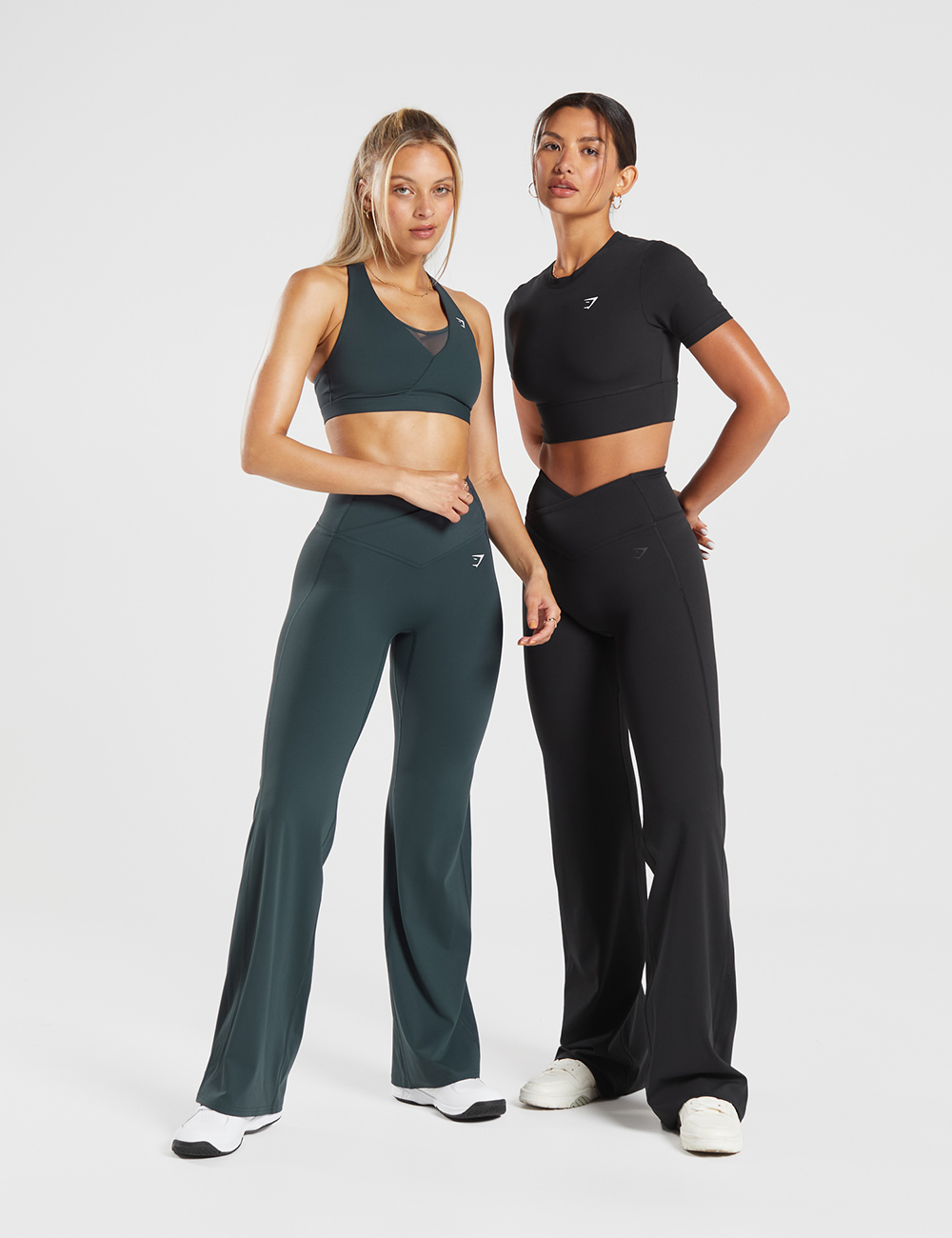
Flare leggings, sometimes called yoga pants or bootcut leggings, have a fitted upper leg and a wider opening at the ankle or calf. This style is different from straight-leg or skinny leggings, which keep a tight fit from waist to ankle.
Features Of Flare Leggings
- Snug at the hips and thighs: The upper part stays close to your body, offering support and flexibility.
- Flared below the knee: The bottom part widens out, creating a bell-shaped or bootcut look.
- Variety of materials: Most are made with stretchy fabrics like spandex, polyester, or a blend. Some high-end brands use moisture-wicking technology.
- Fashion-forward: Flare leggings are popular for their retro style and flattering shape.
Why People Like Flare Leggings
Many choose flare leggings because they:
- Create a longer-looking leg
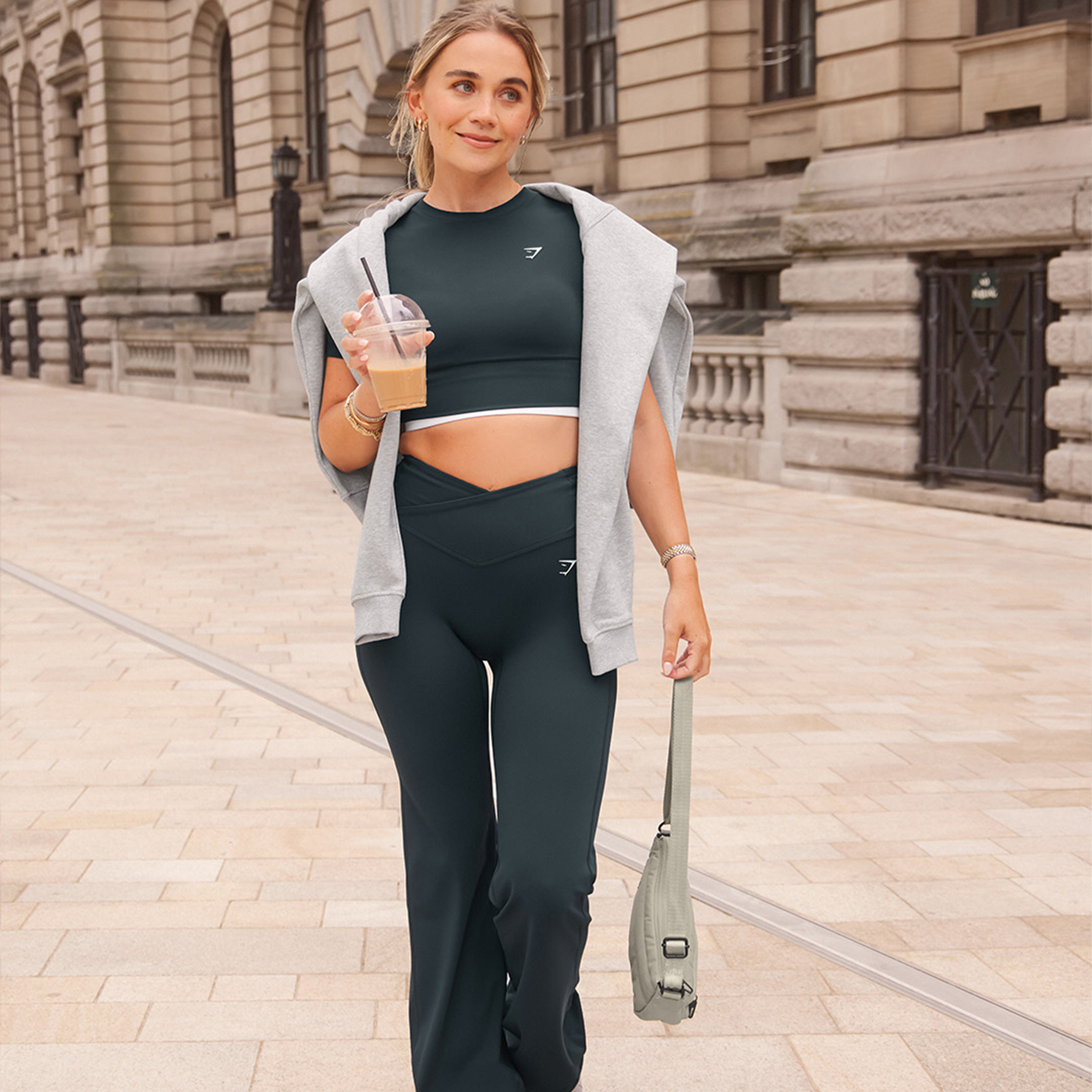
- Can be worn outside the gym, pairing with casual or semi-formal tops
- Offer a relaxed fit at the ankle, which some find more comfortable
How Flare Leggings Differ From Classic Leggings
Classic leggings are fitted from top to bottom. They’re often recommended for sports because there’s no extra fabric at the ankle. Flare leggings, with their wider bottom, can feel breezier and look more fashionable but may behave differently during certain exercises.
What Pilates Demands From Your Clothing
Pilates is a low-impact exercise system focused on core strength, flexibility, posture, and controlled movement. What you wear is more important than you might think.
Key Clothing Requirements For Pilates
- Full range of motion: Clothes must stretch with your body.
- No distractions: Outfits should stay in place and not need adjustment.
- Body alignment visibility: Instructors need to see your posture and alignment to give feedback.
- Safety: Avoid anything that might get caught in equipment or cause tripping.
- Breathability: Sweat-wicking fabrics keep you comfortable.
- Comfort: You should feel good, not restricted.
Pilates Class Settings
Pilates can take place on a mat or with equipment like reformers, towers, or chairs. Each setting has unique needs:
- Mat Pilates: You move freely, often lying, sitting, or balancing.
- Reformer Pilates: Machines use springs, pulleys, and moving parts.
- Tower or Chair Pilates: Involve climbing, stepping, or moving against resistance.
Clothing that works in one setting might not work as well in another.
Credit: www.gymshark.com
Flare Leggings Vs. Classic Leggings For Pilates
Choosing between flare leggings and classic leggings comes down to more than just style. Let’s look at how each type supports or challenges your Pilates practice.
| Feature | Flare Leggings | Classic Leggings |
|---|---|---|
| Fit | Snug above knee, wide below | Snug all over |
| Movement | Great for most moves, may catch during floor work | Unrestricted, secure for all moves |
| Safety | Extra fabric could catch on equipment | No loose fabric, less risk |
| Style | Trendy, fashion-forward | Classic, athletic look |
| Body Alignment | Loose bottom may hide ankle/foot position | Visible lines for instructor feedback |
Insights Beginners Often Miss
- Loose fabric at the ankle can hide your footwork. In Pilates, instructors often look at the alignment of your feet and ankles. Flare leggings may make it harder for them to see.
- Flare leggings can brush the floor. This can be distracting during movements like leg circles, roll-ups, or when using the reformer.
Are Flare Leggings Safe For Pilates?
Safety is a top concern in any exercise, especially in Pilates where you use both your body weight and sometimes machines.
Risks With Flare Leggings
- Equipment snags: The loose bottom can get caught in springs or pulleys on reformer machines.
- Tripping hazard: Wide legs may bunch up or get underfoot during transitions.
- Reduced visibility: Flared fabric can hide whether your foot is flexed or pointed, making corrections harder.
When Flare Leggings Can Work
Despite these risks, flare leggings are not always off-limits. They can be suitable for:
- Mat Pilates: If you avoid fast transitions and your instructor is okay with them.
- Private sessions: Where you can get feedback and adjust if needed.
- Shorter flares: Some flare leggings are only slightly wider than normal, which reduces risk.
When To Avoid Flare Leggings
- Reformer classes: Most instructors recommend fitted pants for safety.
- First-time classes: Until you know the moves and your instructor’s style.
- High-intensity or flow classes: Where quick movement could cause tripping.
Comfort And Performance Factors
Comfort matters for focus and quality of movement. Here’s how flare leggings compare to other options in terms of feel and function.
Fabric And Stretch
Most flare leggings use materials similar to classic leggings: a blend of polyester, nylon, and spandex. Look for these features:
- 4-way stretch: Moves with your body in all directions.
- Flat seams: Prevent chafing during rolling or sliding moves.
- High waistband: Keeps leggings from slipping down in inversions or planks.
Moisture Management
Pilates may not get you as sweaty as a HIIT workout, but sweat still happens. Fitted leggings usually absorb and wick moisture more evenly. Flare leggings with thick fabric may trap heat, while thinner ones might feel cooler but show sweat marks more easily.
Practical Insights
- Flare leggings may ride up or twist during rolling movements like “Rolling Like a Ball” or “Open Leg Rocker.” This can be distracting if you need to stop and adjust.
- Compression is usually lower at the ankle in flare styles, which some people find more relaxing, while others prefer the “held in” feeling of classic leggings.
Instructor And Studio Policies
Not all Pilates studios have the same clothing rules. Some are strict; others are more relaxed.
Typical Studio Guidelines
- Fitted clothing required: Many studios ask for body-hugging leggings, especially for reformer classes.
- No zippers or hardware: To avoid damaging equipment or causing injury.
- No loose pants: For safety and to make body alignment visible.
What Instructors Say
Most instructors prefer students in fitted leggings because:
- It’s easier to correct posture and form
- There’s less risk of accidents on machines
- Everyone in class can move freely without distractions
Some instructors are flexible, especially in mat classes, as long as flare leggings are not overly wide or baggy.
Real-world Example
A Pilates instructor shared that one student wore flare leggings to a mat class. During leg circles, the fabric twisted and the student had to stop to fix it. The instructor recommended classic leggings for the next class. However, another student wore a slim flare style with minimal issues during slower movements.
Choosing The Right Flare Leggings For Pilates
If you love the look of flare leggings, you can still find styles that work for Pilates. Here’s how to choose wisely.
What To Look For
- Subtle flare: Choose leggings with a gentle flare, not a wide bell-bottom.
- Stretchy, performance fabric: Materials with spandex or elastane for flexibility.
- Secure waistband: High or mid-rise to keep everything in place.
- No zippers, buttons, or ties: These can dig into your skin during floor work.
- Proper length: Hem should not drag on the floor, even when lying down.
What To Avoid
- Heavy cotton (holds sweat and stretches out)
- Extra-long styles that bunch up at the ankle
- Flare leggings with pockets or seams at odd places
Fitting Tips
- Try squatting, lunging, and lying down in the leggings before buying
- Check if the flare “opens up” too much when you move your legs apart
- Ask your studio if they have a dress code for group classes
Comparing Flare Leggings With Other Pilates Pants
You have more than two choices. Here’s a quick look at how flare leggings compare with other common options.
| Type | Best For | Potential Issues |
|---|---|---|
| Flare leggings | Mat Pilates, style-conscious settings | Possible tripping, less instructor visibility |
| Classic leggings | All Pilates, especially reformer | May feel too tight for some |
| Joggers | Casual mat Pilates, relaxation | Baggy, can catch on equipment |
| Biker shorts | Hot studios, maximum movement visibility | Less coverage, may ride up |
| Capri leggings | Warm weather, reformer Pilates | May cut off at awkward point on leg |
Credit: www.gymshark.com
Common Myths About Flare Leggings In Pilates
Let’s clear up some common misunderstandings about flare leggings and Pilates.
Myth 1: Flare Leggings Are Always Unsafe For Pilates.
Reality: While they carry some extra risk, especially on equipment, not all flare leggings are the same. A slim flare in a performance fabric can work well for slow mat classes.
Myth 2: Instructors Will Not Let You In Class With Flare Leggings.
Reality: Most studios do not ban flare leggings, but they may suggest classic leggings for safety and alignment reasons. Policies vary.
Myth 3: Flare Leggings Make You Look Unprofessional.
Reality: Pilates is about movement, not a fashion show. As long as your leggings are clean, well-fitting, and suitable for exercise, most instructors care more about your focus and participation.
Myth 4: Flare Leggings Are More Comfortable For Everyone.
Reality: Comfort is personal. Some prefer the relaxed ankle, while others feel more secure in fitted leggings.
Tips For Wearing Flare Leggings To Pilates
If you decide to wear flare leggings, these strategies can help you avoid common problems.
- Check studio rules before your first class. Some have strict guidelines for group sessions.
- Choose a subtle flare with performance fabric.
- Test movement at home—try squats, stretches, and rolling to see if the fabric shifts or bunches.
- Pair with grippy socks for better stability, especially if your leggings are longer.
- Tuck in excess fabric at the ankle if it feels too loose or distracts you.
- Bring a backup: Pack a pair of classic leggings in your bag just in case.
- Ask your instructor for feedback. They can tell you if your clothing affects their ability to coach you.
- Avoid jewelry or accessories that could catch on the extra fabric.
When Flare Leggings Shine
There are some situations where flare leggings can be a smart, stylish choice for Pilates:
- Photo shoots or social media content: If you’re recording your practice and want a fashionable look.
- Low-impact, slow-paced mat classes: Where there’s little risk of catching fabric.
- Personal or home practice: Where you know your space and movements well.
- Pregnancy: Many pregnant women find the looser ankle more comfortable.
When To Choose Classic Leggings Or Other Options
Sometimes, classic leggings or other fitted options are the best choice. For example:
- Reformer Pilates: The moving parts and springs make loose fabric risky.
- Large group classes: Instructors have less time to give personalized feedback, so clear body lines help.
- Workshops or teacher training: Where precise alignment is constantly checked.
What The Pilates Community Says
Looking at Pilates forums, blogs, and instructor opinions, a few themes emerge:
- About 70% of instructors recommend classic leggings for group or reformer classes.
- Around 30% are open to flare leggings, especially for mat Pilates or private sessions.
- Many advanced students use flare leggings at home but switch to classic for studio classes.
One Pilates blogger wrote, “I love the look of flare leggings for errands or yoga, but for Pilates—especially on equipment—I always choose something fitted. ” Another user shared that their studio allows flare leggings but suggests keeping the flare small and the fabric smooth.
Pros And Cons Of Wearing Flare Leggings To Pilates
Let’s summarize the main points to help you decide.
Pros
- Stylish and flattering
- Breathable and comfortable for some body types
- Good for slow mat work
- Versatile for everyday wear
Cons
- Extra fabric can cause safety risks on equipment
- May hide alignment at the feet and ankles
- Can bunch up during rolling moves
- Not always accepted in group classes

Credit: topsfordays.com
Making The Right Choice For You
Your decision depends on your Pilates style, studio, body type, and personal comfort. Here’s a quick checklist to help:
- Do you mostly do mat Pilates at home? Flare leggings are likely fine.
- Are you joining a reformer or group class? Classic leggings are usually better.
- Do you have a favorite pair of subtle-flare leggings? Test them during a home session first.
- Unsure? Ask your instructor or studio for guidance.
Final Thoughts
Flare leggings are a stylish and comfortable option for many activities, and with care, you can wear them to Pilates—especially mat-based classes. However, they do have some drawbacks, especially for reformer and group sessions. Safety, instructor feedback, and your own comfort should always come first.
If you love flare leggings, choose a pair with a gentle flare, performance material, and the right length. Check with your studio and always bring a backup pair of classic leggings if you’re not sure. Pilates is about focus, movement, and feeling good in your body—whatever you wear should support that goal.
For more on activewear safety and Pilates equipment, you can check out the detailed guidelines from the Pilates Method Alliance.
Frequently Asked Questions
Can I Wear Flare Leggings For Reformer Pilates?
It’s not recommended. Flare leggings can get caught in the moving parts of a reformer, increasing the risk of accidents. Most studios prefer fitted leggings for reformer classes.
Are Flare Leggings Comfortable For Pilates?
They can be, especially for mat Pilates or slower-paced sessions. However, the extra fabric at the ankle may distract some people, especially during rolling or stretching moves.
Will Instructors Allow Flare Leggings In Class?
Policies vary. Many instructors allow flare leggings for mat classes if the flare is not too wide. For equipment classes, fitted leggings are usually required.
How Do I Choose The Best Flare Leggings For Pilates?
Look for a subtle flare, stretchy performance fabric, and a secure waistband. Avoid overly wide or long flare leggings that could cause tripping or bunching.
What Should I Avoid When Wearing Flare Leggings To Pilates?
Avoid wearing flare leggings in reformer classes, choosing styles with extra-long hems, or those made from heavy cotton. Always check your studio’s dress code before your first class.
