

Can You Wear Activewear As Swimwear? Pros, Cons & Style Tips
Can You Wear Activewear As Swimwear?
Standing in front of your closet, you might wonder: can you wear your favorite activewear as swimwear? This question comes up often, especially when you want to pack light for a trip, need a quick alternative, or just love the comfort of your gym clothes. Activewear and swimwear look similar in some ways, but they have important differences. In this article, you’ll discover when you can safely use activewear for swimming, what risks you need to watch for, and what makes these types of clothing unique.
Most people know activewear is made for movement—running, yoga, cycling, and more. Swimwear is designed for water. But the boundary between them is not always clear, especially with modern fabrics. Maybe you’ve seen leggings or sports bras at the pool or on the beach.
Is this safe? Does it damage the clothes? Can it harm your skin, or even the pool? We’ll break down the facts, explain the science of fabrics, and offer practical advice for anyone thinking about swapping their swimsuit for a pair of gym leggings.
By the end, you’ll know exactly what’s possible, what’s risky, and how to make the best choice for your comfort and safety.
What Is Activewear? What Is Swimwear?
Before deciding if activewear can double as swimwear, it’s important to understand what each type of clothing is meant for, how they are made, and why those differences matter.
Activewear includes clothes like leggings, sports bras, shorts, and tops designed for physical activities on land. They are built to handle sweat, flexibility, and movement. The most common materials are polyester, nylon, spandex, and blends. These fabrics are stretchy, breathable, and quick-drying.
Swimwear includes items such as swimsuits, swim trunks, rash guards, and bikinis. These are made specifically for use in water, including pools, oceans, and lakes. Swimwear fabrics are usually blends of nylon, polyester, and spandex but are treated to resist chlorine, saltwater, and UV rays.
The main differences between activewear and swimwear are:
- Fabric treatment: Swimwear is treated for better water resistance and durability.
- Seams and construction: Swimwear has special stitching to withstand stretching and water pressure.
- Color fastness: Swimwear fabrics are less likely to fade in the sun or pool chemicals.
Understanding these differences sets the stage for a deeper look at how activewear performs in the water.
The Science Of Fabrics: How Activewear And Swimwear Compare
To understand whether activewear can double as swimwear, it’s helpful to look at the science behind the fabrics.
| Property | Activewear | Swimwear |
|---|---|---|
| Material | Polyester, Nylon, Spandex (untreated) | Polyester, Nylon, Spandex (treated for water) |
| Water Resistance | Low to medium | High |
| Chlorine Resistance | Low | High |
| UV Protection | Rare | Common |
| Drying Speed | Fast | Very fast |
| Color Fading | More likely | Less likely |
| Seam Strength | Good for stretch | Extra strong for water use |
Both activewear and swimwear use similar base materials, but the key is in the treatment. Swimwear is made to survive repeated exposure to water, chlorine, and sunlight. Activewear is not. This is why swimwear lasts longer and keeps its shape better when used in pools or oceans.
One non-obvious insight: some activewear brands use fabrics that feel like swimwear but lack the hidden chemical treatments that prevent sagging and fading. This means even if your leggings feel like a swimsuit, they may not perform the same way in water.
Can You Safely Swim In Activewear?
You can wear activewear for swimming in some cases, but it is not always safe or practical. There are several things to consider before jumping in the water:
1. Occasional Use Vs. Regular Use
For a one-time swim, especially if you forgot your swimsuit or are just taking a quick dip, activewear can work. Leggings, sports bras, and fitted tops made of polyester or nylon will not fall apart in water after one use.
However, repeated swimming in activewear will damage the fabric, cause fading, and reduce elasticity.
2. Pool Rules And Safety
Most public pools have rules for what can be worn in the water. Many do not allow normal gym clothes because:
- Loose clothing can clog pool filters.
- Cotton fibers release lint.
- Some dyes are not colorfast and can stain the water.
Always check pool rules before wearing activewear instead of swimwear.
3. Water Type: Chlorine, Salt, Or Fresh
Chlorinated pools are harsh on clothes. Activewear not designed for chlorine will lose color and stretch quickly. Saltwater also damages untreated fabrics. Freshwater (like a lake) is less harsh, but still not ideal for long-term activewear use.
4. Suitability For Water Activities
Activewear is not made for swimming. It can become heavy and loose when wet, which is dangerous for activities like diving, surfing, or competitive swimming.
Key insight: Even if activewear feels tight and secure on land, water can make it baggy and uncomfortable. This can also affect your movement and safety in the water.
Pros And Cons: Wearing Activewear As Swimwear
Let’s break down the clear advantages and disadvantages of using activewear in place of swimwear.
Advantages
- Convenience: If you forget your swimsuit or want to swim after a workout, activewear is already on hand.
- Modesty: Activewear often covers more skin than standard swimsuits, which some people prefer for cultural or personal reasons.
- Sun protection: Long-sleeve activewear can help protect against sunburn, although it may not provide true UV protection.
Disadvantages
- Faster wear and tear: Chlorine and salt damage untreated fabrics quickly.
- Color fading: Brightly colored activewear will fade much faster than swimwear.
- Risk of sagging: Fabrics lose stretch and shape, especially after several uses.
- Possible safety issues: Wet activewear can feel heavy and drag you down.
- Hygiene concerns: Some activewear holds onto bacteria and odors more than swimwear, which is made to dry quickly and resist germs.
- Possible pool contamination: Loose fibers and dyes can pollute the pool.
Another insight: Some activewear contains hidden pockets or zippers that can be uncomfortable or even dangerous in water. Always check your clothing carefully.
When Activewear Works As Swimwear
There are some situations where wearing activewear for swimming is reasonable:
- Private pools: Where you control the rules and can wash the pool filters as needed.
- Natural water: Lakes or rivers, especially for quick dips.
- Low-impact activities: Wading, gentle swimming, or pool exercise rather than diving or racing.
Always avoid using loose or heavy activewear, and stick with fitted, synthetic materials. Cotton is a bad choice—it absorbs water, becomes heavy, and dries slowly.
When Activewear Should Not Be Used As Swimwear
Some situations make activewear a poor or even dangerous choice for swimming:
- Competitive swimming: Drag from the fabric slows you down.
- Surfing or diving: You need secure, stretch-resistant clothes.
- Children’s swim classes: Safety is a concern—baggy clothes increase drowning risk.
- Public pools with strict rules: You could be asked to leave the pool.
If you care about your activewear, avoid using it in chlorinated or saltwater pools more than once or twice.
How To Choose Activewear For Swimming (if You Must)
If you have no other option or just want to try activewear in water, here are tips for choosing the best pieces:
- Pick synthetic fabrics: Nylon, polyester, and spandex blends handle water better than cotton.
- Go for tight fits: Fitted leggings and sports bras work better than loose shorts or shirts.
- Avoid features like pockets or zippers: These can fill with water or cause discomfort.
- Check for colorfastness: Dark, simple colors fade less.
- Wash immediately after swimming: Rinse out chlorine and salt to slow damage.
Here’s a quick comparison of common activewear items and their suitability for swimming:
| Activewear Item | Can Be Used for Swimming? | Comments |
|---|---|---|
| Leggings | Sometimes | Choose tight, synthetic leggings; avoid cotton. |
| Sports Bra | Yes, but not ideal | Use ones without padding or metal. |
| Loose Shorts | No | Become heavy, increase drowning risk. |
| Tight Tank Tops | Sometimes | Stick to synthetic, fitted styles. |
| Cotton T-shirts | No | Absorb water, dry slowly, not safe. |
Real Experiences: What Happens When You Swim In Activewear?
Many people have tried swimming in activewear, especially in emergencies or when traveling. Here’s what you can expect based on real-life feedback:
- First use feels fine: Most activewear handles one swim well. The fabric dries fast and feels comfortable.
- Color fades quickly: Bright or patterned activewear loses color after a few swims.
- Fabric stretches out: Leggings and bras may feel baggy or loose after repeated use.
- Odors build up: Activewear is not treated to resist pool bacteria or salt, so smells can linger.
- Stains and pilling: Chlorine causes small balls of fabric (pilling) and stains.
One less obvious problem is that some activewear can shed microfibers in water, especially in pools. These fibers are bad for the environment and can damage pool systems.
Credit: sunsetsinc.com
Health And Hygiene Risks
It’s easy to forget about hygiene when thinking about what to wear for a quick swim. However, activewear can pose specific risks:
- Bacterial growth: Some activewear holds onto bacteria more than swimwear, which is designed to resist germs.
- Skin irritation: Chemicals in pools can react with untreated fabrics, causing rashes or itchiness.
- Allergic reactions: Dyes in activewear may not be tested for use in water and can cause allergic reactions for some people.
Swimwear is usually tested for skin safety in wet conditions, while activewear is not. If you have sensitive skin, this is important.
Environmental Impact
Another aspect to consider is how activewear and swimwear affect the environment, especially when used in water.
- Microfiber release: Both types of clothing release microfibers, but activewear not made for swimming may shed more.
- Pool filter problems: Loose fibers from activewear can clog filters and require extra cleaning.
- Water pollution: Dyes from some activewear are less stable and can leak into water, affecting water quality.
If you want to minimize your impact, choose high-quality swimwear or activewear with tight weaves and minimal dye.
Tips For Making Activewear Last Longer If You Swim In It
If you decide to use activewear for swimming, there are ways to make it last longer and stay comfortable:
- Rinse immediately after swimming: This removes chlorine, salt, and bacteria.
- Air dry in the shade: Sunlight fades colors quickly.
- Avoid wringing out the fabric: Gently squeeze out water instead.
- Wash with gentle detergent: Skip bleach and fabric softeners.
- Rotate between different items: Don’t use the same pair every time.
Regular care can slow down the damage, but nothing will stop it completely.
Comparing Costs: Is It Worth It?
For many people, cost is a big factor. Is it worth risking your activewear, or is buying swimwear a better deal in the long run?
| Item Type | Average Price | Expected Lifespan (in water) | Cost per Use |
|---|---|---|---|
| Activewear Leggings | $30 - $80 | 2-4 swims | High (fewer uses) |
| Swim Leggings | $40 - $100 | 20-50 swims | Low (many uses) |
| Sports Bra | $20 - $60 | 2-4 swims | High |
| Swim Top | $25 - $70 | 20-50 swims | Low |
You can see that while activewear may seem cheaper at first, swimwear lasts much longer in the water, making it better value over time.

Credit: jolyn.com
Fashion And Social Considerations
Fashion is a personal choice, and more people are wearing activewear at the pool or beach for style and comfort. Some points to consider:
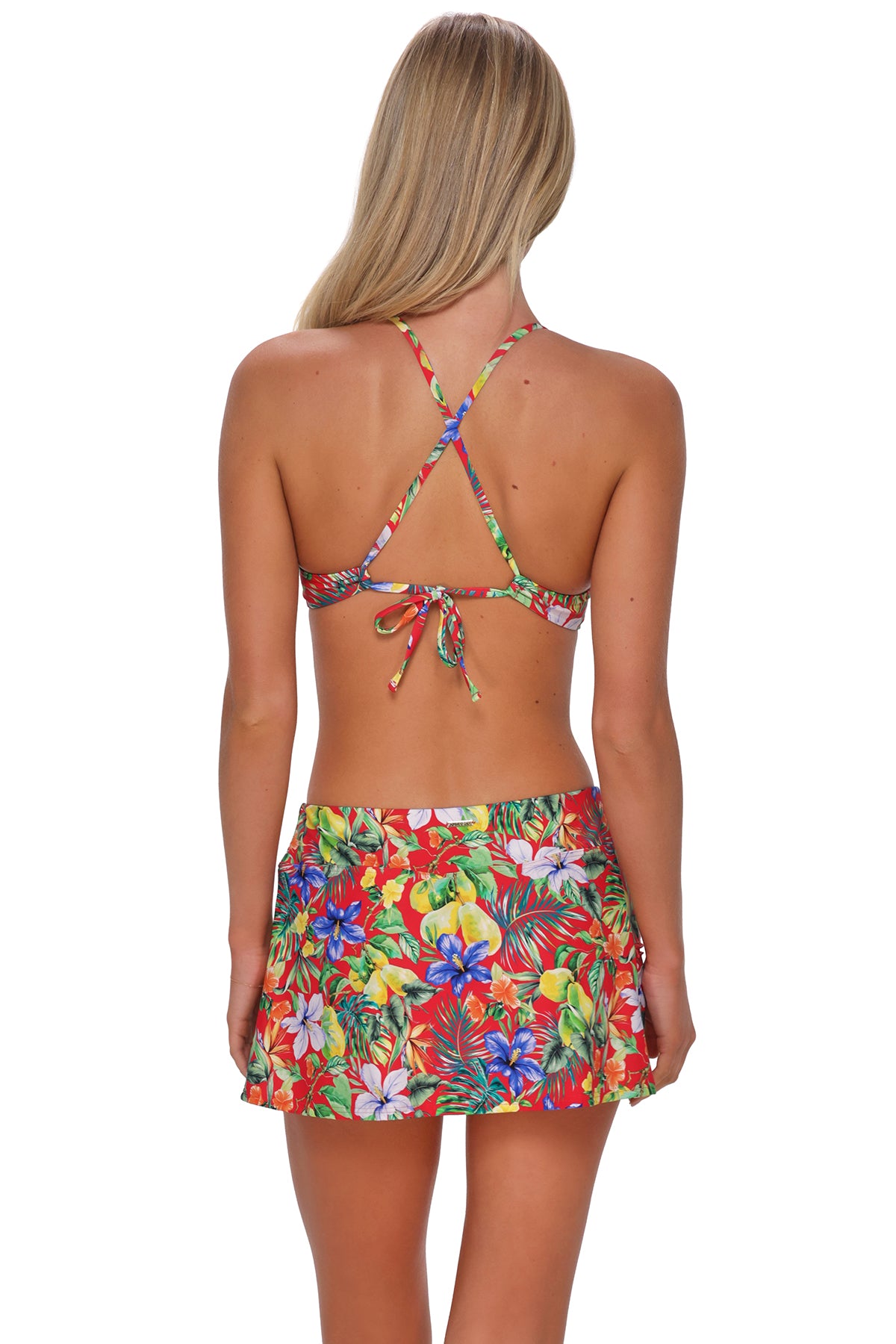
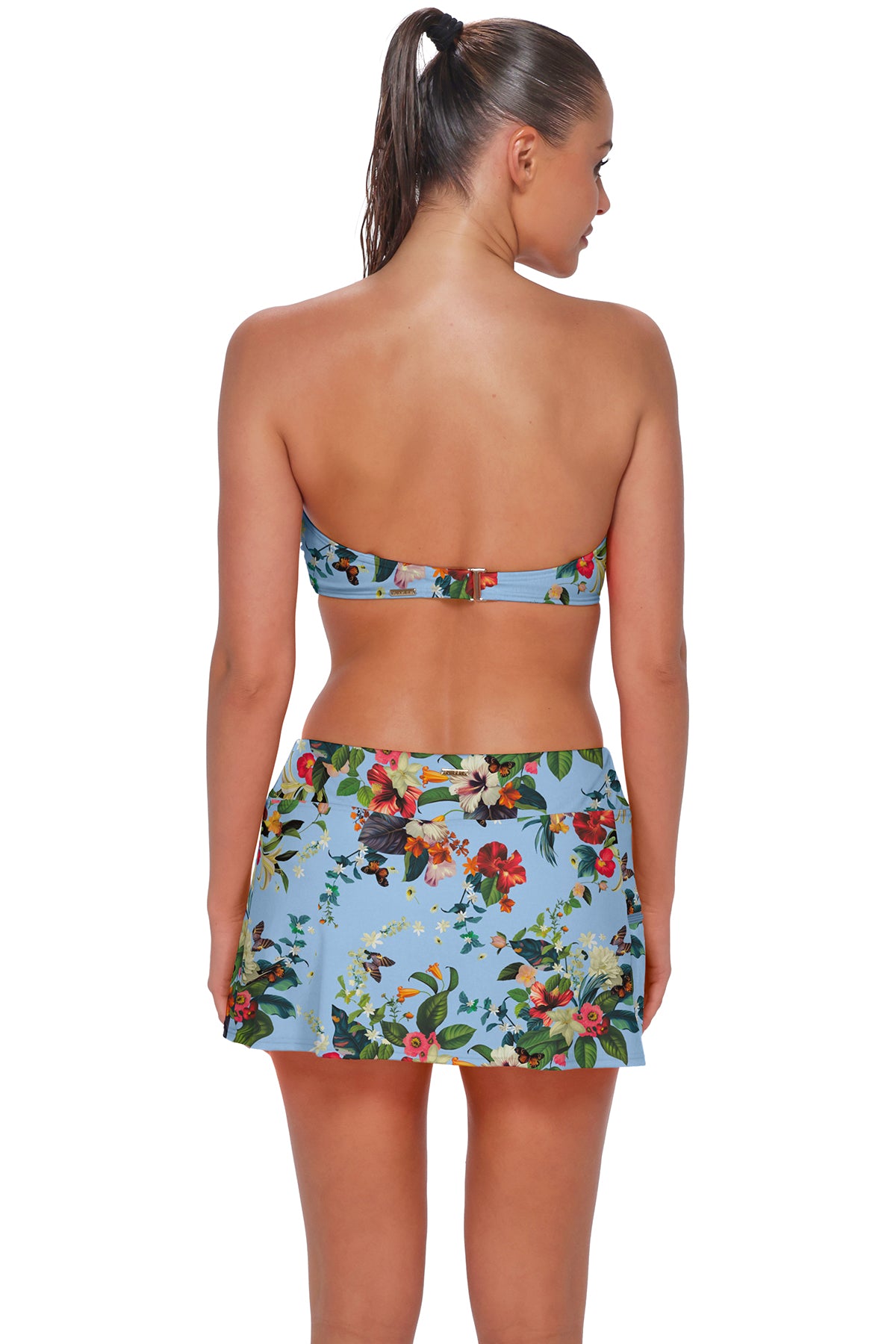
- Trendy looks: Some brands make activewear that looks like swimwear, with bright prints and sleek cuts.
- Coverage: Activewear often provides more coverage, which can be more comfortable for some people.
- Attention: Wearing activewear in the water may attract attention or questions, especially in public places.
Remember, what’s comfortable for you may not fit local rules or cultural expectations.
Alternatives To Using Activewear As Swimwear
If you want the comfort and coverage of activewear but need something made for water, consider these alternatives:
- Swim leggings: Designed for water, they offer sun protection and modesty.
- Rash guards: These look like athletic tops but are made for swimming and surfing.
- Swim shorts: Longer than regular swim trunks, often with UV protection.
- Modest swimwear: Some brands offer full-coverage swimsuits with the look and feel of activewear.
These options give you the benefits of activewear style with the safety and durability of swimwear.
How Brands Are Responding: The Rise Of Hybrid Designs
Some companies now make “hybrid” clothes for both land and water. These pieces use activewear cuts but swimwear fabrics and treatments. Examples include:
- Boardshort leggings: Leggings that look like gym wear but resist chlorine and UV.
- Multi-sport bras: Sports bras that work for both running and swimming.
- Convertible tankinis: Tank tops that double as workout tops and swimwear.
If you often move between the gym and the pool, these hybrid designs are a smart investment.
What Experts Say
Swim coaches, dermatologists, and fabric scientists generally agree: you can wear activewear for swimming on occasion, but it is not a good long-term substitute. Here’s why:
- Swim coaches warn about drag and safety risks.
- Dermatologists note skin irritation and hygiene risks.
- Fabric experts explain that activewear is not designed for chemical or sun exposure.
Official guidelines from swimming organizations and pools usually require proper swimwear to keep pools clean and safe for everyone. For more details, check this Swim England Guidance.
Frequently Asked Questions
Can I Wear Yoga Pants Or Leggings For Swimming?
You can wear synthetic leggings for a quick swim, but they are not made for water. Avoid cotton, and remember that repeated use will damage the fabric and cause fading or sagging.
Does Chlorine Ruin Activewear?
Yes, chlorine damages activewear quickly. It breaks down elastic fibers, causes colors to fade, and weakens the fabric. Swimwear is treated to resist chlorine, but most activewear is not.
Is It Safe To Swim In A Sports Bra?
A sports bra made from synthetic material can be used for swimming in an emergency. Avoid those with padding or metal parts, as they can trap water and become uncomfortable or unsafe. Long-term use in water will cause damage.
What Should I Do After Swimming In Activewear?
Rinse the clothing immediately with fresh water, gently squeeze out excess water, and air dry in the shade. Wash with gentle detergent to remove chlorine, salt, and bacteria.
Are There Clothes Made For Both Land And Water Activities?
Yes, some brands offer hybrid activewear designed for both gym and swimming. These use water-resistant fabrics and strong seams, combining the comfort of activewear with the safety of swimwear.
Final Thoughts
Wearing activewear as swimwear is possible in some situations, but it comes with clear risks. Occasional use is fine for a quick swim, especially if you’re careful about fabric and fit. However, for regular swimming or water sports, investing in proper swimwear is safer, more comfortable, and more cost-effective.
If you like the style and coverage of activewear, look for hybrid or modest swimwear options. Always check pool rules and consider health, safety, and the environment before making your choice. With this knowledge, you can confidently decide what works best for your needs—both in and out of the water.
Credit: sunsetsinc.com
