

Can You Put Activewear in the Dryer? Essential Care Tips
Can You Put Activewear In The Dryer
Staying active is a big part of modern life. People run, do yoga, hit the gym, or join team sports. One thing many notice is how often they need to wash their activewear. These clothes go through sweat, stretching, and regular cleaning. But when laundry day comes, a common question pops up: Can you put activewear in the dryer?
This question is more important than it seems. Activewear is not like regular cotton shirts or jeans. It is made to handle movement, wick away sweat, and fit closely to your body. The wrong care can ruin its stretch, feel, or even smell.
Sometimes, after just a few washes, activewear stops fitting right or loses color. Understanding how heat affects activewear can save you money, keep your clothes looking new, and help you perform at your best.
Let’s look at the facts, common myths, and the safest ways to dry your activewear. You’ll also learn what happens if you keep using the dryer, how to solve common problems, and tips to keep your gear fresh and functional.
What Makes Activewear Special?
Activewear is not just another T-shirt or shorts. It is designed with performance fabrics and special features to help you move, breathe, and sweat. Most activewear uses materials like:
- Polyester
- Nylon
- Spandex (Lycra or Elastane)
- Blends of synthetic fibers
These fibers give activewear its stretch, moisture-wicking ability, and quick-dry properties. Some pieces have mesh panels, zippers, or reflective stripes. The goal is comfort and performance, not just style.
Why does this matter for drying? Synthetic fibers react differently to heat compared to cotton or wool. They may melt, shrink, lose shape, or become less stretchy if exposed to high temperatures. Even the best brands can be damaged if you ignore the care instructions.
The Science: How Dryers Affect Activewear
Dryers use hot air to remove moisture quickly. The heat is great for towels and bedding but can be tough on activewear. Here’s why:
1. Heat Weakens Elastic Fibers
Spandex and similar fibers break down under high heat. They can lose their spring, making your leggings or sports bras saggy.
2. Melting And Warping
Polyester and nylon can melt or warp if the temperature is too high. This is not just about burning; even moderate dryer settings can cause damage over time.
3. Faster Wear And Tear
The tumbling action creates friction. Delicate fabrics and mesh panels may pill, fray, or lose their smooth feel.
4. Loss Of Moisture-wicking Ability
Many moisture-wicking treatments and finishes can break down from heat, making your gear less effective at keeping sweat away.
5. Odor And Bacteria Problems
If heat sets in sweat and bacteria instead of removing them, your clothes may hold onto smells even after washing.
Most of these changes don’t happen all at once. Instead, you’ll notice your favorite leggings don’t fit the same, or your workout shirt always smells, even when clean.
Reading Care Labels: The Most Overlooked Step
Most people ignore care labels on their clothes. But these tiny tags offer the best advice for each piece of activewear. Common symbols you’ll see include:
- Square with a circle = Tumble dry allowed
- Square with a circle and dot(s) = Tumble dry on low or medium heat
- Square with a cross over the circle = Do not tumble dry
If the label says “Do not tumble dry” or “Line dry only”, follow it. Brands test their clothes to find the safest drying method. Even if you’re in a hurry, ignoring the label can shorten your gear’s life.
Can You Ever Put Activewear In The Dryer?
The short answer is: It depends. Not all activewear is the same, and not all dryers have the same settings. Here’s what you need to consider:
When It’s Sometimes Safe
- Low Heat or Air Dry Setting
If your dryer has an “air fluff” or “no heat” setting, it’s generally safe for activewear. This setting uses room-temperature air to toss clothes around, speeding up drying without heat damage.
- Some Polyester Pieces
High-quality polyester can sometimes handle low heat, but it’s still risky over time.
- If the Label Says So
Some brands design their activewear to handle gentle tumble drying. Always check first.
When You Should Avoid It
- Spandex-heavy or Compression Gear
Sports bras, leggings, or anything with lots of stretch should never go in the dryer.
- Anything with Mesh, Rubber, or Special Prints
These details are often glued or bonded and can warp, melt, or peel.
- If You Want to Keep It Looking New
Even if your dryer can handle it, air drying is always safer.
Here’s a simple comparison for common activewear fabrics:
| Fabric Type | Can You Use Dryer? | Best Practice |
|---|---|---|
| Polyester | Low heat only (check label) | Air dry preferred |
| Nylon | Low heat only (check label) | Air dry preferred |
| Spandex/Lycra | No | Air dry only |
| Cotton blends | Low heat possible | Air dry for longevity |
Why Air Drying Wins Every Time
Almost every expert agrees: Air drying is the best way to care for activewear. Here’s why:
- No Heat Damage
Clothes dry at room temperature, so fibers keep their shape and stretch.
- Longer Lasting Clothes
Less friction and stress means your gear stays looking and feeling new.
- Better for Elasticity
The stretch in your leggings or bras remains strong.
- Prevents Odor Build-up
Heat can “bake in” smells. Air drying lets clothes breathe and bacteria die off naturally.
- Environmentally Friendly
Air drying uses no energy, so it’s good for your clothes and the planet.
If you want your favorite sports top to last, hang it up or lay it flat to dry. It only takes a few hours for thin fabrics to dry, especially if there is airflow.
Common Myths About Drying Activewear
Many people believe things about dryers and activewear that just aren’t true. Let’s clear up some popular myths:
Myth 1: The Dryer Sanitizes Clothes
It’s true that high heat kills bacteria. But most dryers don’t get hot enough to fully sanitize, especially on low settings. Plus, using high heat can damage activewear. Washing with quality detergent and airing out clothes is usually enough.
Myth 2: “quick Dry” Means Dryer Safe
Activewear labeled “quick dry” is designed to dry fast, but not necessarily in a dryer. It means the fabric releases moisture quickly when air-dried.
Myth 3: All Synthetics Are The Same
There are big differences between polyester, nylon, and spandex. Each reacts to heat in its own way.
Myth 4: Dryer Sheets Make Activewear Softer
Dryer sheets often leave a waxy coating. This can block the moisture-wicking ability of activewear, making it less effective.
Myth 5: The Dryer Is Fine If You Use Low Heat
Even low heat can wear down elastic fibers over many cycles. It’s safer to avoid the dryer unless you’re in a rush.
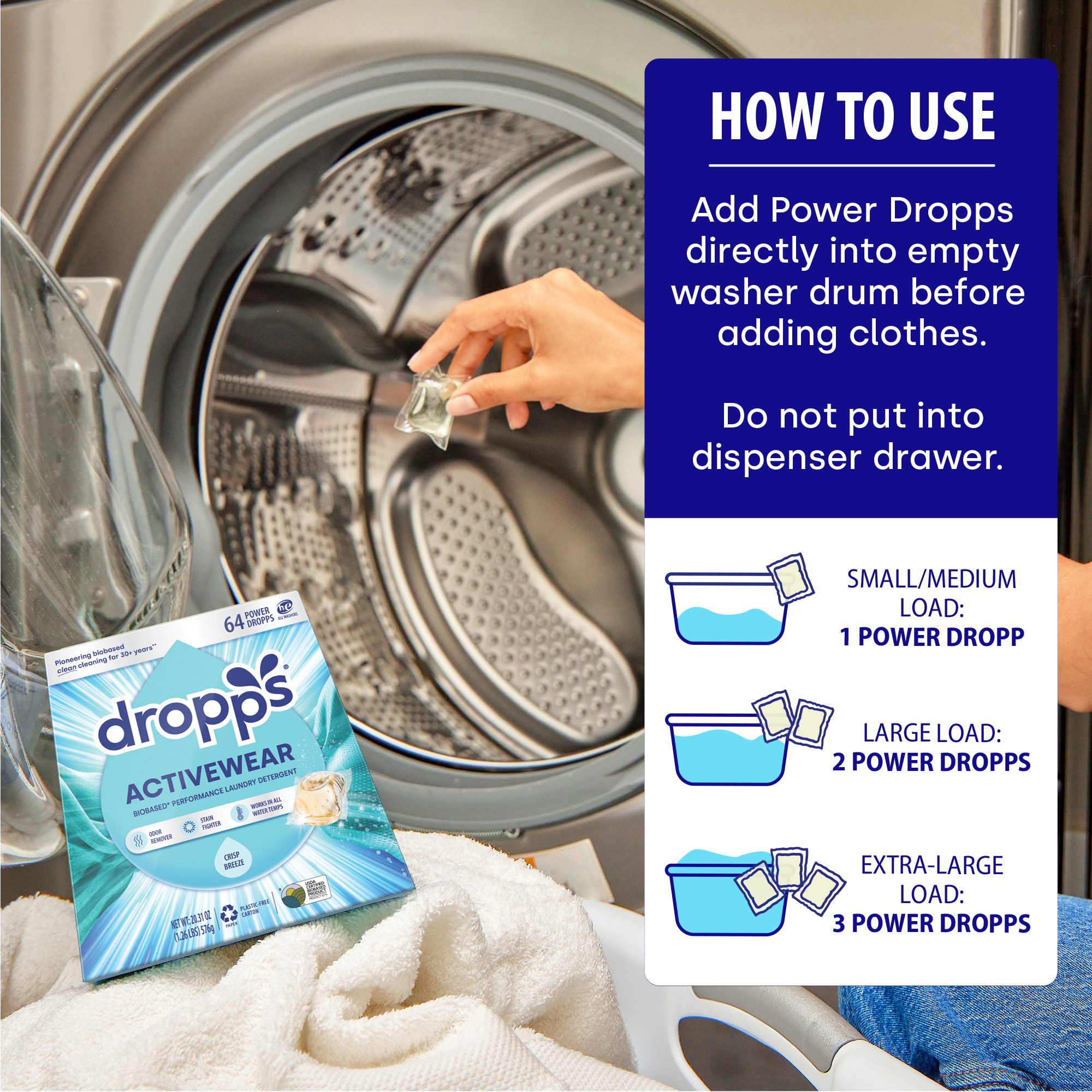
Credit: www.dropps.com
What Happens If You Keep Using The Dryer?
Some people ignore the rules and use the dryer for everything. What’s the worst that can happen? Here are the most common problems:
Loss Of Stretch And Shape
After a few months, leggings or sports bras may start to sag. The fit will never be the same, and you might find yourself constantly pulling them up.
Melting Or Warping
Thin panels, logos, or mesh inserts can melt, leaving shiny spots or holes. Sometimes the fabric gets stiff or rough.
Fading And Pilling
Heat and tumbling break down the surface of synthetic fibers. You’ll notice pills (small balls of fuzz) or fading colors, especially on bright or patterned gear.
Persistent Odor
If you use the dryer with dirty activewear, heat can lock in smells. Over time, even fresh-washed clothes will still smell like sweat.
Shorter Lifespan
You may need to replace your favorite pieces after just a few months instead of years. This costs more money and creates more waste.
How To Dry Activewear The Right Way
Here’s a proven process to keep your activewear in top shape:
1. Wash Immediately If Possible
Don’t leave sweaty clothes in a gym bag. Wash as soon as you can to prevent bacteria growth and odor.
2. Use The Right Detergent
Choose mild, sports-specific, or fragrance-free detergents. Avoid fabric softeners and bleach, which can coat fibers or cause damage.
3. Remove Excess Water Gently
Shake out wet clothes. Roll them in a towel and press (don’t wring) to remove extra water.
4. Lay Flat Or Hang To Dry
Hanging is best for most items, but lay flat for items that might stretch out, like heavy sports bras.
5. Increase Airflow
Use a fan, open window, or drying rack to speed up drying without heat.
6. Keep Out Of Direct Sunlight
Sun can fade colors and break down fibers. Dry in the shade or indoors if possible.
Example Drying Routine
- After a morning run, toss your leggings and top in the wash with cold water and sports detergent.
- Shake out each item and hang them on a drying rack near a window.
- By afternoon, your clothes are dry and ready for your next workout.
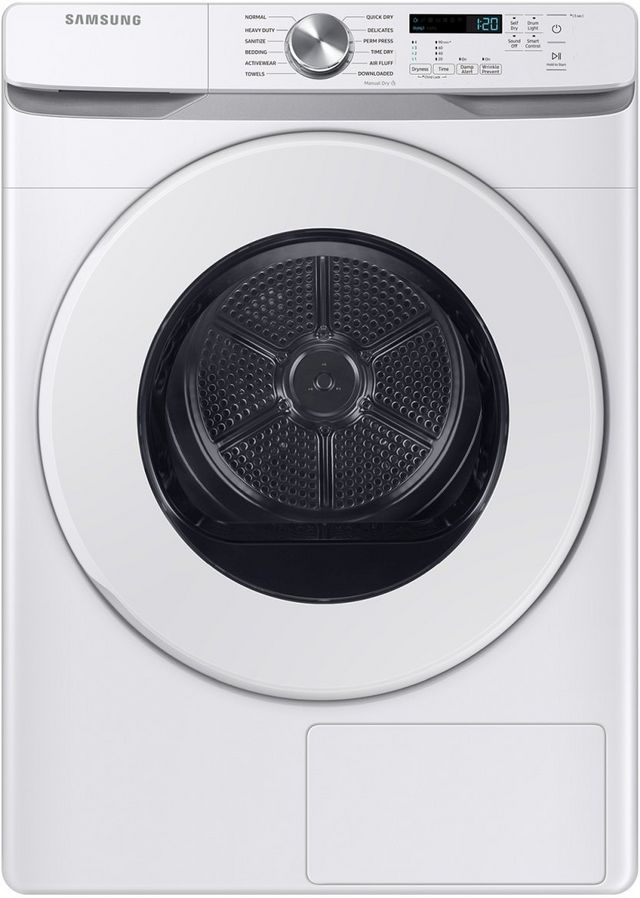
Credit: www.shopac.com
Dryer Settings: If You Must Use The Dryer
Sometimes you’re in a rush, or it’s too humid to air dry. If you have to use the dryer:
- Choose the lowest heat setting or “air fluff.”
- Remove items as soon as they’re dry (don’t over-dry).
- Never use dryer sheets.
- Turn items inside out to protect colors and details.
- Dry similar fabrics together (don’t mix heavy towels with leggings).
Here’s a helpful look at common dryer settings for activewear:
| Dryer Setting | Safe for Activewear? | Notes |
|---|---|---|
| High Heat | No | Can melt or shrink fibers |
| Medium Heat | Risky | May cause loss of stretch |
| Low Heat | Sometimes | Check care label first |
| Air Fluff/No Heat | Usually Safe | Best dryer option for synthetics |
Mistakes People Make When Drying Activewear
Even experienced athletes or laundry pros can make mistakes with activewear. Here are some to watch for:
1. Using High Heat “just This Once”
One hot cycle can do real damage, especially to spandex or mesh.
2. Leaving Clothes In The Dryer Too Long
Over-drying breaks down fibers and causes shrinking.
3. Mixing Activewear With Heavy Items
Towels or jeans can rub against delicate gear, causing pilling.
4. Forgetting To Clean The Lint Trap
Synthetic fibers shed, and a full lint trap makes the dryer less efficient.
5. Ignoring Odor Issues
If your clothes smell after drying, it means bacteria is still present. Wash again with a sports detergent and air dry.
How To Fix Common Activewear Problems
Sometimes mistakes happen. Here’s how to solve common dryer-related issues:
Sagging Or Lost Stretch
Once elastic fibers are damaged, they usually can’t be fixed. But for light stretching, washing in cold water and air drying flat may help restore some shape.
Melting Or Shiny Spots
These are permanent. If the damage is small, you can still use the item for home workouts or layering.
Set-in Odors
Soak clothes in a mix of water and white vinegar before washing. Use a sports detergent. Always air dry after.
Pilling
Use a fabric shaver or gently pick off pills. Avoid using the dryer again to prevent more.
Faded Colors
There’s no way to restore lost color, but you can slow further fading by always air drying and washing in cold water.
How Often Should You Wash And Dry Activewear?
Wash activewear after every sweaty use. Bacteria, sweat, and oils build up quickly. Even if it doesn’t smell, washing keeps fibers fresh and stretchy.
If you only wore it briefly and didn’t sweat much, you might get away with two wears before washing. But don’t dry it in the dryer between wears. Hang it up instead.
Special Tips For Different Types Of Activewear
Not all activewear is the same. Here’s how to handle the most common types:
Leggings And Tights
- Always air dry.
- Lay flat if possible to prevent stretching.
- Turn inside out to protect colors.
Sports Bras
- Air dry only.
- Reshape cups and straps while damp.
- Lay flat for best results.
Workout Tops And Tanks
- Hang to dry.
- Avoid clips or pegs that can leave marks.
Shorts
- Hang or lay flat.
- If lined, make sure the liner is fully dry before wearing again.
Socks
- Air dry for best life, but low heat is usually safe for blends.
Jackets And Outerwear
- Check the label carefully. Some technical fabrics need special care.
- Air dry and avoid sunlight to keep waterproof coatings strong.
Non-obvious Insights Most Beginners Miss
1. Moisture-wicking Treatments Can Wear Off
Many activewear pieces are coated with special treatments to pull sweat away from your skin. Repeated dryer use can strip these treatments, making your gear feel damp and clingy during workouts.
2. Dryer Sheets And Fabric Softeners Are Hidden Enemies
These products coat fibers with chemicals that block sweat-wicking abilities. Even if you skip the dryer, using fabric softener in the wash can make your activewear less effective.
3. Small Zippers And Reflective Details Are Heat Sensitive
Many running jackets and leggings have zippers, reflective stripes, or rubber logos. These extras can melt or peel in the dryer, ruining the look and safety features of your gear.

Credit: www.woolyyarn.com
When It’s Worth The Risk: Special Situations
There are a few times when using the dryer is understandable:
- Travel or Bad Weather
If you need your gear dry fast for a trip or it’s too humid to air dry, use the “air fluff” or lowest possible heat.
- High-Quality, Dryer-Safe Items
A few premium brands make activewear meant to survive the dryer. Follow their instructions exactly.
- Killing Dust Mites or Allergens
If you need to kill allergens, use the dryer, but expect some wear and tear.
Remember, these situations are the exception, not the rule.
How To Build A Dryer-safe Activewear Collection
If you know you’ll need to use the dryer sometimes, shop carefully:
- Look for brands that list dryer-safe on their tags or websites.
- Choose polyester over spandex-heavy blends when possible.
- Test new items with one dryer cycle and check for changes in fit or feel.
- Buy two of your favorite pieces so you can rotate and air dry one while using the other.
For more advice on fabric care and technology, visit the Consumer Reports activewear guide.
Frequently Asked Questions
Can I Put Lululemon Or Nike Activewear In The Dryer?
Most major brands recommend air drying. Some items may be safe on low or “air fluff,” but always check the label. Even premium gear can lose stretch or fade in the dryer.
What Happens If I Accidentally Put My Activewear In The Dryer?
One cycle may not ruin your clothes, but repeated drying will damage fibers over time. Check for changes in stretch, fit, or appearance. Go back to air drying to prevent further harm.
Do Dryers Really Remove All Odors From Activewear?
No. Dryers can set in smells if clothes are not fully clean. Use a sports detergent and air dry to keep clothes fresh. If odors remain, try soaking in vinegar and washing again.
Is It Safe To Dry Activewear With Towels Or Jeans?
No. Heavy items create friction that can pill or snag delicate activewear. Dry similar fabrics together, and separate gym gear from regular laundry.
What’s The Fastest Way To Dry Activewear Without A Dryer?
Hang items in a well-ventilated spot, use a fan, and avoid direct sun. Thin fabrics dry within hours. For extra speed, roll wet clothes in a towel and press gently to remove water before hanging.
Your activewear is an investment in your comfort and performance. Choosing the right drying method—usually air drying—will keep your gear in top condition for many workouts to come. Taking a few extra steps can save you money, reduce waste, and help you feel your best every time you move.
