

Can You Hem Flare Leggings? Expert Tips for Perfect Results
Can You Hem Flare Leggings
Flare leggings have become a must-have for many people who want both comfort and style. Their unique shape—tight around the thighs and wider at the bottom—makes them stand out from regular leggings. But sometimes, flare leggings are too long or the flare looks awkward for your height. That’s when the question comes up: Can you hem flare leggings? The answer is yes, but there are important things to know before you grab your scissors or visit a tailor.
Hemming flare leggings is not as simple as shortening jeans or straight-leg pants. The flare design creates extra fabric at the bottom, and the stretchy material can be tricky. If you do it right, you can get leggings that fit perfectly and keep their flattering shape.
If you make mistakes, you might end up with an odd-looking flare or a hem that won’t stretch. In this article, you’ll learn everything about hemming flare leggings—when to do it, how to do it, what tools to use, and the best tips for a professional result.
Whether you’re a sewing beginner or someone who just wants their leggings to fit better, you’ll find clear steps, honest advice, and practical solutions here. By the end, you’ll know exactly how to hem flare leggings with confidence.
Understanding Flare Leggings
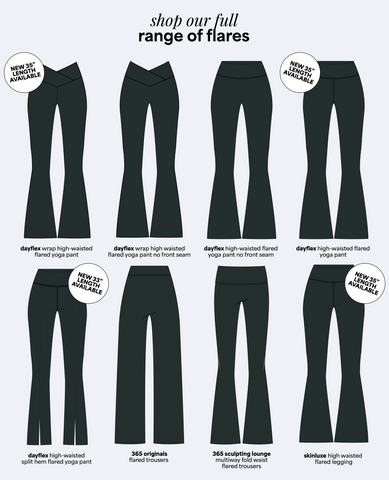
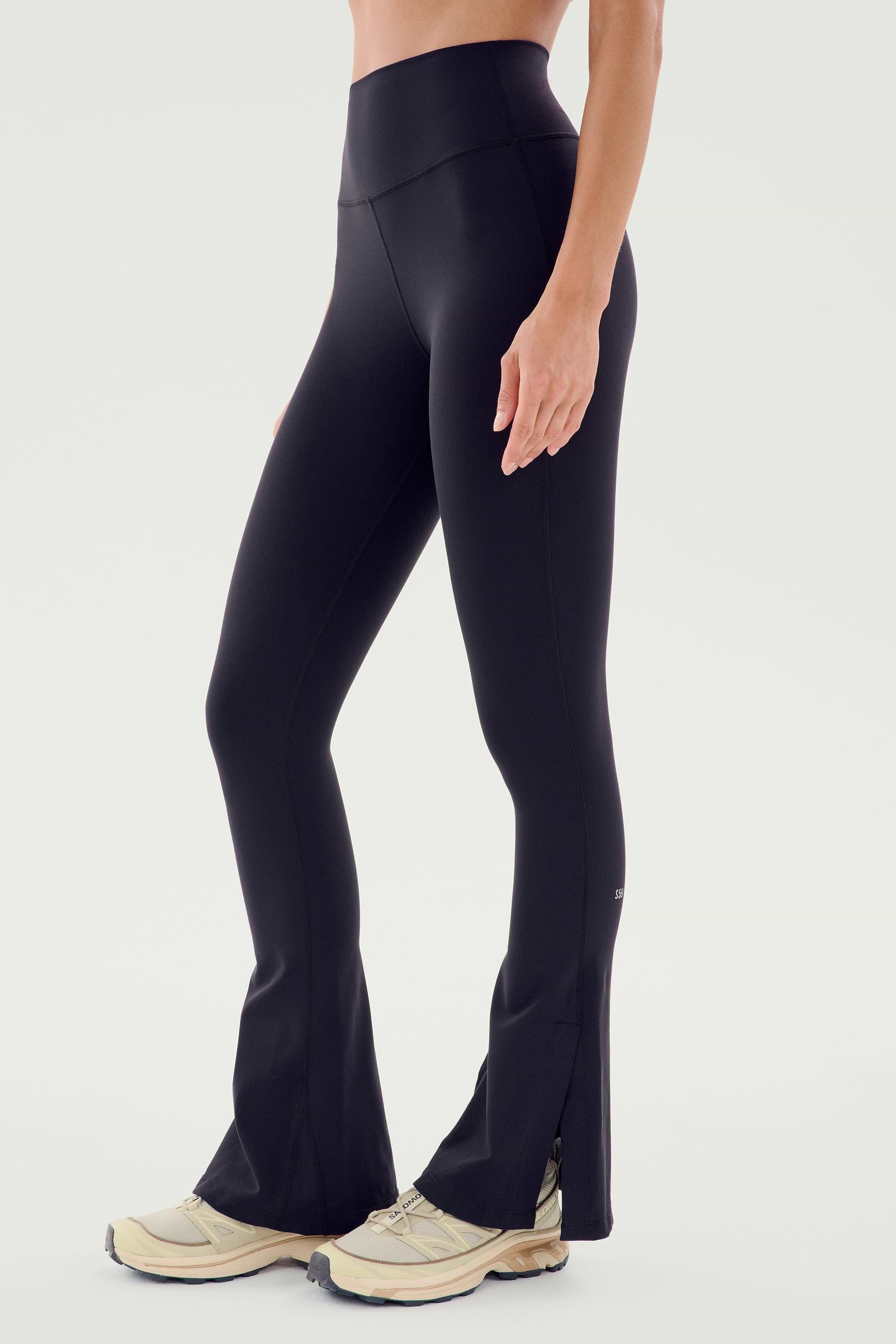
Before talking about hemming, it’s helpful to know what makes flare leggings different from other pants. Flare leggings are fitted through the hips and thighs and then widen out from the knee or calf, creating a bell-bottom or flared effect. They are often made from stretchy materials like spandex, lycra, or a cotton blend.
This unique cut means the bottom of the leggings is wider than the area above it. This extra width can make hemming more challenging compared to hemming straight or skinny leggings. The material also plays a big role—stretch fabrics behave differently under a sewing machine, and cutting them the wrong way can cause fraying or a wavy hem.
Common Reasons For Hemming Flare Leggings
People want to hem flare leggings for different reasons:
- Leg length: Most brands use a standard inseam, which may be too long for shorter people.
- Style preferences: Some prefer a smaller flare or want the flare to start higher or lower.
- Shoe choice: The length that looks good with sneakers may be too long for sandals or flats.
- Damage: The hem may be worn, torn, or fraying.
Knowing your reason helps you choose the best hemming method and avoid common mistakes.
Can Flare Leggings Be Hemmed?
Yes, flare leggings can be hemmed—but it requires care. Unlike straight pants, cutting and sewing a flare can change the shape and movement of the bottom. If you cut too much, you lose the dramatic flare. If you hem poorly, the material might stretch or pucker.
The good news is that with the right technique, you can hem flare leggings at home or have a professional do it for you. Both options have pros and cons, and the best choice depends on your skill level, the fabric, and how much the leggings cost.
What Makes Hemming Flare Leggings Challenging?
- Shape: The widening leg means you can’t just cut straight across without changing the flare.
- Stretch fabric: Many flare leggings are made from knits that need special needles and stitches.
- Evenness: It’s easy to end up with one leg shorter than the other or a slanted hem.
When Should You Avoid Hemming?
While hemming is possible, there are times when it may not be the best idea:
- If the flare is very wide and you need to remove a lot of length, you might lose the shape.
- If the fabric is very thin or delicate, it may be hard to sew a strong, neat hem.
- If you’re unsure or the leggings are expensive, a professional tailor is safer.
How To Hem Flare Leggings: Step-by-step Guide
Hemming flare leggings can be done by hand, with a sewing machine, or with no-sew options. Here are the steps for each method.
1. Preparing Your Leggings
Before you start, wash and dry your leggings the way you usually do. This prevents shrinking after hemming. Iron or smooth out any wrinkles so you can measure accurately.
Measuring The New Length
- Put on the leggings with the shoes you plan to wear.
- Stand straight and have someone help you mark where you want the new hem.
- Remember, allow a ½ inch extra for the actual hem (the folded part).
Marking The Hem
Use tailor’s chalk or a washable fabric marker. Mark evenly around both legs. It helps to use a measuring tape to check that both legs are the same length.
Cutting Carefully
Lay the leggings flat and smooth. Use sharp fabric scissors. Cut about ½ inch below your marked line for the hem allowance. Try to cut in a curve matching the original flare, not a straight line. This keeps the flare even.
2. Hemming With A Sewing Machine
If you have a sewing machine, choose a stretch stitch or a narrow zigzag stitch. This allows the hem to stretch with the fabric.
Steps:
- Fold the raw edge up ½ inch to the inside of the leggings.
- Pin in place, making sure the fold is even all around.
- Sew slowly, stretching the fabric slightly as you go. This keeps the hem from getting tight and breaking the stitches.
- Trim any loose threads and check that both legs are even.
Tip: Use a ballpoint needle, which is designed for stretch fabrics. It slides between the threads instead of piercing them, preventing snags.
3. Hemming By Hand
If you don’t have a sewing machine, you can sew by hand. Use a stretchy hand stitch like the herringbone or catch stitch. Avoid regular straight stitches, which can break when the fabric stretches.
Steps:
- Fold up the hem as above and pin in place.
- Thread a needle with polyester thread—it stretches a bit more than cotton.
- Sew with small, loose stitches to allow movement.
- Knot the thread well at the end so it doesn’t unravel.
This method takes longer but works for minor adjustments or delicate fabrics.
4. No-sew Hemming Options
If you don’t want to sew, you can use fabric adhesive tape or fusible web. These products bond the fabric together when ironed.
Steps:
- Cut the leggings as before.
- Place the tape or web inside the folded hem.
- Iron according to the package instructions.
- Let it cool before wearing.
Warning: No-sew methods may not last as long as sewing, especially if the fabric is very stretchy or you wash the leggings often.
Choosing The Right Hem For Flare Leggings
Not all hems are the same. Here are the most common types and how they look on flare leggings:
| Hem Type | Appearance | Best For |
|---|---|---|
| Regular Folded Hem | Simple, clean fold inside | Most fabrics, everyday use |
| Blind Hem | Almost invisible from outside | Dressier leggings, formal style |
| Raw Edge Hem | No fold, unfinished edge | Casual look, thick knit fabrics |
| Coverstitch Hem | Stretchy, professional finish | Athletic or high-end leggings |
A coverstitch hem is what you see on most store-bought leggings. It requires a special machine, but a zigzag stitch on a regular sewing machine can look similar.
Tools And Materials For Hemming Flare Leggings
Choosing the right tools makes hemming easier and helps you get a neat result.
Essential Tools
- Sharp fabric scissors: For a clean, even cut.
- Measuring tape: To measure inseam and mark the hem.
- Tailor’s chalk or fabric marker: For marking the cut line.
- Pins or clips: To hold the hem in place.
- Sewing machine or hand needle: For stitching the hem.
- Stretch thread: For extra durability and stretch.
- Iron: For pressing the hem and setting fusible tape.
Optional Tools
- Ballpoint needle: For sewing machine, protects stretch fabric.
- Fusible hem tape: For a quick, no-sew solution.
- Seam ripper: In case you make a mistake and need to redo.
Using the right needle and thread is especially important for stretch fabrics. A regular needle can cause skipped stitches or holes.
Diy Hemming Vs. Professional Tailoring
You might wonder if you should hem your flare leggings at home or go to a tailor. Both options have pros and cons.
| Method | Pros | Cons |
|---|---|---|
| DIY Hemming | Cheaper, flexible timing, satisfaction from doing it yourself | Risk of mistakes, may lack professional finish |
| Professional Tailoring | Expert result, faster for complicated fabrics, less stress | Costs more, takes time, need to find a good tailor |
If your leggings are expensive or made of delicate fabric, it’s safer to use a professional. For casual or workout leggings, DIY is often enough.
Credit: www.wearetala.com
Common Mistakes To Avoid When Hemming Flare Leggings
Hemming seems simple, but even small errors can ruin the look. Here are mistakes beginners often make:
- Cutting too much: Always measure twice and cut once. If you cut off too much, the flare might disappear or the leggings may be too short.
- Uneven hems: If you don’t check both legs, you might end up with one longer or more flared.
- Wrong stitch: Using a regular straight stitch on stretch fabric can cause broken threads when you wear the leggings.
- Not stretching the fabric: If you don’t stretch the fabric slightly as you sew, the hem can become tight and uncomfortable.
- Skipping the wash: If you hem before washing, the fabric may shrink and the hem will look uneven later.
- Using dull scissors: This can lead to jagged edges and fraying.
- Not matching the original flare: Cutting straight across can create a strange shape at the bottom.
A practical tip most beginners miss is to keep the original hem if possible. This technique, called "hemming with the original hem," involves removing the lower part, shortening the leg, and sewing the original hem back on. It keeps the manufacturer’s finish and the flare intact.
Special Cases: Altering Extreme Flares Or Unusual Fabrics
Some flare leggings have a very wide bell-bottom or are made from tricky fabrics like velvet or mesh. These need extra care.
Wide Flares
If the flare is dramatic and you want to keep it, cut following the original curve, not in a straight line. You may need to re-shape the flare by sewing a new seam along the inside leg.
Sheer Or Delicate Fabrics
For delicate fabrics, use extra-fine needles, gentle stitches, or even fabric glue designed for delicate materials. Always test on a scrap piece first.
Printed Or Patterned Leggings
If your leggings have stripes, flowers, or bold prints, make sure to match the pattern at the hem so it looks continuous. Misaligned patterns can look unprofessional.

Credit: www.youtube.com
How Hemming Affects Fit And Style
Hemming flare leggings can change how they look and feel. A shorter flare can make legs look longer, but if you remove too much, the flare effect may be lost.
Visual Impact
- Shorter hem: Shows off shoes, creates a more casual look.
- Maintaining the flare: Keeps the dramatic, flowy style.
Comfort
A hem that’s too tight can dig into your ankle or calf. A loose or raw hem can fray or flip up with wear.
Durability
A well-done hem lasts through many washes. A poor hem may unravel or lose its shape after a few wears.
How To Maintain Hemmed Flare Leggings
After hemming, proper care will keep your leggings looking good:
- Wash inside out to protect the stitches.
- Use a gentle cycle and cold water to avoid shrinking.
- Avoid high heat when drying—air dry or use low heat.
- If you used fabric glue or tape, check the hem after each wash.
Over time, even a good hem can loosen. If you see loose threads or the hem starts to come undone, repair it quickly to avoid bigger problems.
Can You Restore The Original Flare After Hemming?
Once you cut fabric, you can’t put it back. But if you want to adjust the flare after hemming, you can:
- Add a fabric insert or "godet" to the side seam for extra width.
- Sew a wider hem facing inside to add weight and help the flare hang better.
These methods require more sewing skill but can restore or even improve the original shape.
Hemming Flare Leggings For Kids And Teens
Leggings for children and teens are often too long, and they grow quickly. If you hem kids’ flare leggings, consider these tips:
- Use a wider hem allowance so you can let it out as they grow.
- Choose a simple, durable stitch that can survive lots of play and washing.
- For very young children, a no-sew hem is a quick fix but may need to be redone soon.
Many parents forget to check if the child’s shoes will change the needed length. Always try on with the right shoes before marking and cutting.
Alternatives To Hemming: Temporary Shortening Methods
If you’re not ready to cut your leggings, or if you want a temporary solution, try these ideas:
- Double-sided fashion tape: Fold the hem inside and tape it up for a day.
- Safety pins: Pin the hem inside for a temporary fix (be careful, pins can come undone).
- Fabric clips: Reusable and won’t damage the material.
These methods are helpful for special events or when you’re still deciding on the final length.
Comparing Hemming Methods For Flare Leggings
Here’s a quick comparison of the most common hemming options:
| Method | Cost | Skill Level | Durability |
|---|---|---|---|
| Sewing Machine | Low (if you own a machine) | Medium | High |
| Hand Sewing | Very Low | Medium | Medium |
| No-Sew Tape | Low | Easy | Low to Medium |
| Professional Tailor | High | None (for you) | High |
Most people find that machine sewing gives the best mix of strength and appearance, but no-sew options are useful for quick fixes.
Tips For A Professional-looking Hem
Getting a hem that looks store-bought isn’t just about sewing straight. Here are some expert tips:
- Always test your chosen stitch on a scrap piece of the same fabric.
- Use a thread color that matches the leggings or the original stitching.
- Press the hem with an iron before and after sewing for a crisp finish.
- Sew slowly around the curve to avoid stretching.
- For extra stretch, use a twin needle if your sewing machine supports it.
A non-obvious detail: If your leggings have a lot of vertical stretch, hem them without stretching the length. If they’re very stretchy around the width, gently stretch as you sew. This helps keep the original fit.
Where To Get Help And Find Tutorials
If you’re unsure about any step, there are many online videos and guides from sewing experts. Community forums and local sewing shops also offer advice. For detailed sewing instructions and best practices, the Craftsy sewing site is an excellent resource.
Credit: www.splits59.com
Frequently Asked Questions
What’s The Best Stitch For Hemming Flare Leggings?
A zigzag stitch or stretch stitch works best for most stretch fabrics. These stitches move with the fabric and prevent breaking when you put on or remove the leggings.
Can You Hem Flare Leggings Without A Sewing Machine?
Yes, you can hand sew using a stretchy stitch or use no-sew hem tape. While machine sewing is stronger, both options work for minor adjustments or if you don’t have a machine.
Will Hemming Change The Look Of The Flare?
If done carefully, hemming keeps the original flare. But if you cut too much or don’t follow the curve, the flare can look smaller or uneven. Always follow the original shape when cutting.
Is It Possible To Lengthen Flare Leggings After Hemming?
It’s not possible to add fabric back once cut, unless you sew on a matching piece or insert a "godet. " This is tricky and often does not look as natural as the original.
How Do I Know If I Should Hem At Home Or See A Tailor?
If the leggings are expensive, made of delicate fabric, or you want a perfect finish, a tailor is the safest choice. For casual wear or simple knits, home hemming is usually enough.
Hemming flare leggings is possible, practical, and can help you get a perfect fit. With careful measuring, the right tools, and a little patience, you can keep your favorite leggings looking stylish and flattering. Whether you do it yourself or trust a professional, you’ll enjoy leggings that suit your height and personal style.
