

Can Wet Gym Clothes Cause UTI? What You Need to Know
Can Wet Gym Clothes Cause Uti
When you finish a hard workout, you might leave the gym feeling stronger and healthier. But what happens if you stay in your sweaty gym clothes for too long? Many people worry that wet gym clothes might cause health problems, especially urinary tract infections (UTIs). This concern is common, but is there real science behind it?
UTIs are painful and can disrupt daily life. They’re more common in women, but men can get them too. Some believe that staying in damp workout clothes after exercise is a big risk factor. Others think it’s just a myth.
If you’re active and want to stay healthy, knowing the truth matters.
This article takes a deep look at the connection between wet gym clothes and UTIs. You’ll learn what a UTI is, how it develops, what role damp clothing plays, and what you can do to protect yourself. We’ll look at facts, not just opinions, so you can make smart choices for your body.
Understanding Utis: What Really Happens In Your Body
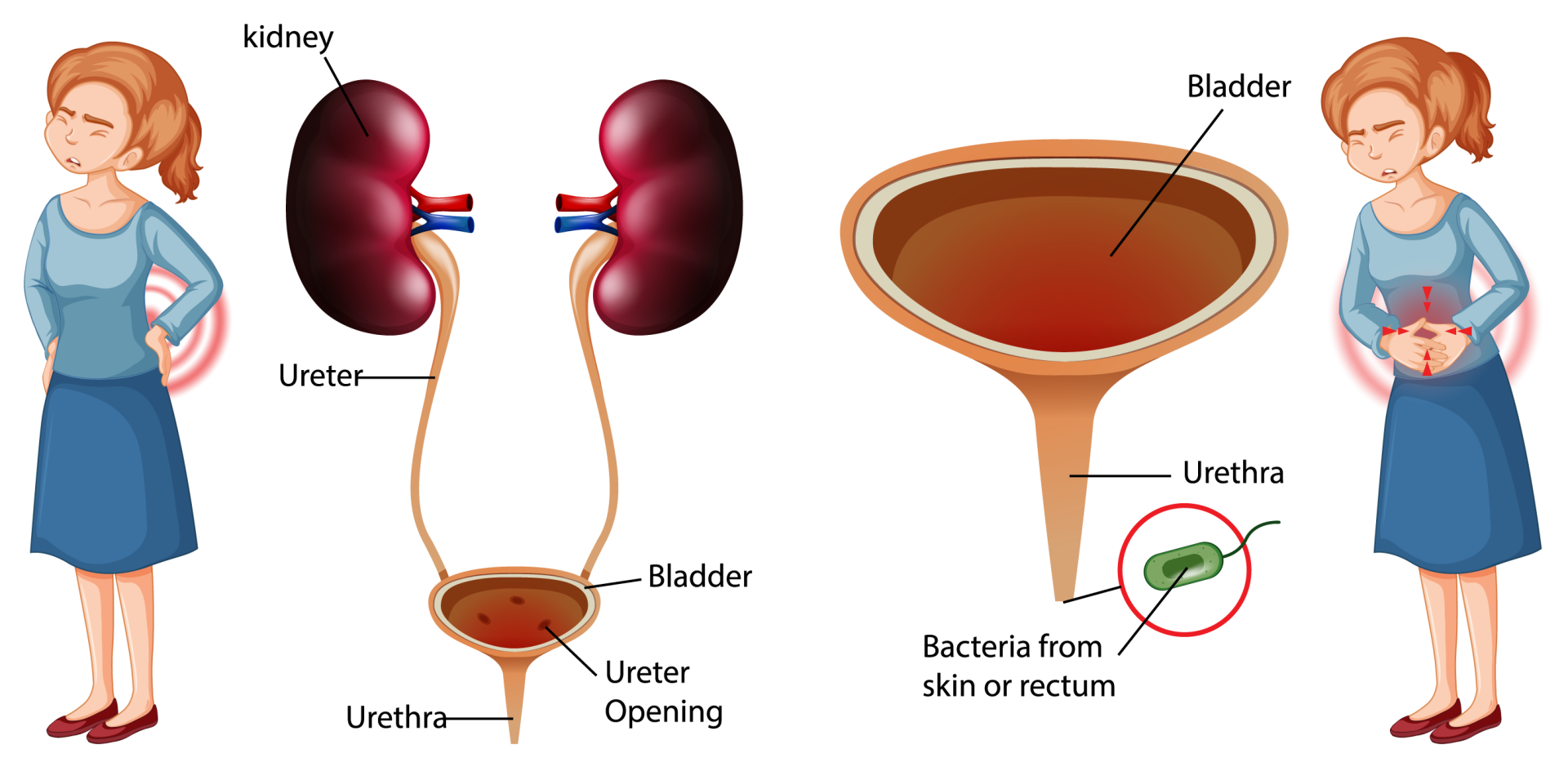
A urinary tract infection is an infection that affects any part of the urinary system—kidneys, bladder, ureters, or urethra. Most commonly, it’s the bladder and urethra that get infected.
UTIs happen when harmful bacteria, usually Escherichia coli (E. coli) from the digestive tract, enter the urethra and multiply in the bladder. The body tries to fight these bacteria, which leads to inflammation and those classic UTI symptoms: burning while urinating, frequent urge to pee, and pelvic pain.
While bacteria are the main cause, several things can make it easier for bacteria to enter and stay in the urinary tract. These include poor hygiene, dehydration, sexual activity, and sometimes, clothing choices.
How Wet Gym Clothes Might Affect Uti Risk
After a workout, your gym clothes are often damp from sweat. The groin, buttocks, and genital area stay warm and moist—ideal conditions for bacteria and yeast to grow.
Here’s how wet clothing may contribute to higher UTI risk:
- Moisture traps bacteria: Sweat and dampness create a perfect place for bacteria to multiply.
- Tight clothes: Many gym outfits are form-fitting. Tight, non-breathable clothes can irritate the skin and increase friction, which may make it easier for bacteria to enter the urethra.
- Delayed changing: The longer you stay in wet clothes, the more time bacteria have to multiply close to sensitive areas.
However, while these factors can raise the risk, wet clothes alone do not directly cause UTIs. The bacteria still need to enter the urinary tract to cause infection.
Comparing Wet And Dry Gym Clothes
To see the difference, consider this simple comparison:
| Factor | Wet Gym Clothes | Dry Gym Clothes |
|---|---|---|
| Moisture Level | High | Low |
| Bacterial Growth | Increased | Lower |
| Skin Irritation | More Likely | Less Likely |
| UTI Risk (Indirect) | Higher | Lower |
This table shows that wet gym clothes can create an environment where bacteria and irritation are more common. While not every person who sits in sweaty clothes will develop a UTI, the risk is higher compared to changing into dry clothes quickly.
Why Are Women More At Risk?
Women are more likely than men to get UTIs. This is because the female urethra is shorter and closer to the anus, where E. coli bacteria live. This makes it easier for bacteria to travel to the bladder.
For women, wearing wet and tight gym clothes can further irritate the area around the urethra. If sweat, bacteria, and friction are present, the body’s natural defenses can break down. This makes it easier for bacteria to enter the urinary tract.
Men And Uti Risk
Men have a longer urethra, which gives more protection. However, men are not immune. If wet gym clothes cause skin irritation or if there’s poor hygiene, a UTI can still happen. Men who are uncircumcised or have other medical conditions may also face higher risk.
Does Fabric Type Matter?
Not all gym clothes are created equal. The type of fabric can make a big difference in how much moisture stays on your skin.
- Synthetic fabrics (like polyester and nylon) are common in gym wear. They wick away sweat, but if not washed well, they can trap bacteria.
- Cotton absorbs sweat but stays wet longer. This can keep your skin damp.
- Moisture-wicking fabrics are designed to pull sweat away and dry quickly. These are better for keeping your skin dry.
Let’s compare fabric types:
| Fabric Type | Moisture Absorption | Drying Speed | Bacterial Growth Risk |
|---|---|---|---|
| Polyester/Nylon | Low | Fast | Medium |
| Cotton | High | Slow | High |
| Moisture-Wicking Blends | Low | Very Fast | Lower |
Choosing the right fabric can help reduce your risk. Moisture-wicking fabrics keep you drier, which is better for skin health and may help lower UTI risk.
Common Myths About Wet Gym Clothes And Utis
There’s a lot of confusion around this topic. Let’s clear up some common myths:
1. Myth: Wet Gym Clothes Directly Cause Utis.
The truth: Wet clothes create conditions for bacteria, but bacteria must still get into the urinary tract to cause an infection.
- Myth: Only women need to worry about UTIs after the gym.
Both men and women can get UTIs. Women are more at risk, but men should also be careful.
- Myth: Changing clothes immediately after the gym is the only way to prevent UTIs.
While changing quickly helps, other steps like proper hygiene, hydration, and using the bathroom after exercise are also important.
4. Myth: All Sweat Is The Same.
Sweat contains salt, water, and sometimes bacteria from your skin. It’s not just moisture—if left on the skin, it can change the balance of good and bad bacteria.
Understanding these myths helps you make smarter choices and avoid unnecessary fear.
Science Behind Moisture, Bacteria, And Infection
Bacteria love warm, moist environments. When your clothes are wet, the skin stays damp and warm, which helps bacteria multiply faster. If these bacteria are near the urethra, they have a better chance of causing an infection.
A study published in a medical journal found that increased skin moisture around the genital area supports the growth of bacteria and yeast. These organisms are not always harmful, but if they enter the urinary tract, they can become a problem.
Here’s how the process works:
- Exercise causes sweating.
- Sweat makes gym clothes damp.
- Moisture creates a warm environment.
- Bacteria multiply on the skin.
- Friction and irritation may occur.
- If bacteria enter the urethra, infection can develop.
This chain of events does not guarantee a UTI, but it does increase the risk—especially if other factors are present.

Credit: p-happi.com
Who Is Most At Risk?
Not everyone who wears wet gym clothes will get a UTI. However, some groups are more vulnerable:
- Women (because of anatomy)
- People with weakened immune systems
- Individuals with diabetes
- Older adults
- Those with a history of frequent UTIs
- People who use certain types of birth control (like diaphragms or spermicides)
If you fit into one of these groups, you should be extra careful about changing out of wet clothes quickly and practicing good hygiene.
Other Health Problems Linked To Wet Gym Clothes
UTIs are not the only risk. Staying in sweaty clothes can also lead to:
- Yeast infections: These thrive in warm, damp areas.
- Fungal infections: Like jock itch or athlete’s foot.
- Skin irritation or rashes: Sweat and friction can cause redness and discomfort.
- Body odor: Bacteria breaking down sweat can cause strong smells.
All these are reasons to change out of wet clothes as soon as possible.
Hygiene Habits That Matter
Changing out of wet gym clothes is just one part of staying healthy. Here are other habits that can help:
- Shower soon after exercise: This washes away sweat, bacteria, and dead skin cells.
- Wipe from front to back: Especially important for women to avoid transferring bacteria.
- Stay hydrated: Drinking water helps flush bacteria from the urinary tract.
- Urinate after exercise: This helps clear bacteria from the urethra.
- Wash gym clothes after every use: Don’t let sweat and bacteria build up in your laundry basket.
- Choose breathable fabrics: These help moisture evaporate more quickly.
- Avoid scented sprays or powders: These can irritate sensitive skin.
How Long Is Too Long In Wet Clothes?
Even a short time in sweaty clothes can be uncomfortable, but how long is “too long”? There’s no strict rule, but most experts agree:
- Change as soon as possible after exercise—preferably within 30 minutes.
- If you can’t shower right away, at least change into dry underwear and pants.
The longer you wait, the more bacteria have a chance to multiply. If you have to drive home from the gym, pack dry clothes to change into first.
Is There Proof That Wet Clothes Cause Utis?
Research shows a clear link between skin moisture, bacterial growth, and infections. However, direct evidence that wet gym clothes alone cause UTIs is limited. It’s the combination of moisture, friction, bacteria, and other risk factors that matters.
A review in a medical journal found that people who practice good hygiene and change clothes quickly have a lower risk of UTIs. Staying in damp clothes is just one of many possible contributors. Other factors—like not urinating after exercise, dehydration, or poor bathroom hygiene—also play a role.
For more on the science behind urinary tract health, check out this CDC resource.
Practical Steps To Lower Your Risk
Here’s how you can reduce your chances of getting a UTI after the gym:
- Bring extra clothes: Pack a dry set to change into right after your workout.
- Wear moisture-wicking underwear: These pull sweat away from your body.
- Choose loose-fitting clothes: Tight clothes trap more moisture.
- Wash workout gear in hot water: This kills bacteria and fungus.
- Don’t share towels or gym clothes: Sharing spreads bacteria and fungi.
- Practice good personal hygiene: Clean yourself well after exercise.
- Stay hydrated during and after workouts: This helps flush out bacteria.
- Go to the bathroom when you need to: Don’t hold urine for long periods.
- Take quick showers: Especially after swimming in pools or hot tubs.
Moisture Control: Beyond Clothing
While clothes matter, moisture can build up for other reasons:
- Sitting on wet exercise equipment: Always wipe down machines before use.
- Swimming: Wet swimsuits can cause the same problems as gym clothes.
- Not drying off after showering: Pat yourself dry, especially in skin folds.
Being aware of all these sources helps you protect your body.
Real-life Stories: What People Experience
Many people who exercise regularly have noticed that staying in sweaty clothes leads to discomfort, irritation, or even infections. Here are two brief examples:
- Anna, a runner: “I used to go for coffee with friends after my runs, staying in my running tights for hours. I started to get UTIs every few months. Once I started changing and showering right away, the infections stopped.”
- Mike, a gym-goer: “As a guy, I never worried about UTIs. But after getting a painful one, my doctor asked if I stayed in wet clothes. Now I always bring extra shorts.”
Listening to your body and learning from others’ experiences can help you avoid common mistakes.
Credit: www.weliahealth.org
The Role Of Gym Habits
Your habits at the gym can also affect your risk:
- Always use a clean towel: This keeps sweat and bacteria off your skin.
- Wipe down equipment: Especially in shared spaces.
- Avoid sitting around in workout gear: Change as soon as you can.
- Don’t use other people’s personal items: This includes towels, water bottles, and clothes.
These small steps make a big difference.
Can Certain Exercises Raise The Risk?
Some workouts make you sweat more or involve more friction, which can increase risk:
- Cycling or spinning: Tight shorts and lots of sweat.
- Running: Friction in the groin area.
- Hot yoga: High heat and sweat.
- High-intensity interval training (HIIT): Intense sweat sessions.
If you do these activities, be extra careful about changing and showering after.
Medical Factors That Affect Uti Risk
Sometimes, health conditions can make you more vulnerable:
- Hormone changes: During pregnancy or menopause, the body’s defenses change.
- Immune system problems: Harder to fight off bacteria.
- Diabetes: Higher sugar levels in urine support bacterial growth.
- Urinary tract abnormalities: These can make infections more likely.
If you have any of these conditions, ask your doctor about extra steps to prevent UTIs.
Can You Exercise Safely If You’re Prone To Utis?
Yes, you can stay active even if you get UTIs often. Follow these tips:
- Choose loose, moisture-wicking clothes.
- Change as soon as you finish exercising.
- Stay well-hydrated before, during, and after workouts.
- Pay attention to your body—if you feel irritation or discomfort, change clothes quickly.
Being proactive helps you stay healthy and enjoy exercise without worry.
When To See A Doctor
If you notice symptoms like burning when you urinate, frequent urges to go, or pelvic pain, see a doctor. UTIs are treatable, but they can get worse if ignored.
Sometimes, what feels like a UTI might be something else—like a yeast or fungal infection. Only a healthcare provider can make the right diagnosis.
If you get UTIs often, your doctor might suggest other tests or preventive steps.
Tips For Gym Owners And Trainers
If you run a gym or teach classes, help members stay healthy:
- Encourage members to change clothes and shower after workouts.
- Keep changing rooms clean and well-ventilated.
- Provide educational posters about hygiene.
- Offer hand sanitizer and cleaning wipes for equipment.
A healthy gym is good for everyone.

Credit: myadira.com
Frequently Asked Questions
Can Sitting In Wet Gym Clothes For A Short Time Cause A Uti?
Usually, a short time in damp clothes is not enough to cause a UTI. The risk increases the longer you stay wet, especially if you already have other risk factors like poor hygiene or a weak immune system.
Are Utis Only Caused By Bacteria From Sweat?
No, most UTIs are caused by E. coli bacteria from the digestive tract. Sweat can create a moist environment that helps bacteria multiply, but the bacteria usually come from your own body, not the sweat itself.
Is It Safe To Wear Moisture-wicking Gym Clothes?
Yes, moisture-wicking fabrics are a good choice. They help keep your skin dry, which can lower the risk of skin and urinary tract infections. Just be sure to wash these clothes after every use.
How Can Men Lower Their Uti Risk At The Gym?
Men should also change out of wet clothes quickly, practice good hygiene, and stay hydrated. Even though men get UTIs less often, they are not immune, especially if they have other health problems.
What Should I Do If I Get Frequent Utis After Workouts?
See a healthcare provider. They can check for underlying causes and suggest personalized prevention tips. You might need to adjust your gym habits, clothing choices, or even use preventive medications if needed.
Staying active is important, but so is taking care of your body. Making small changes—like changing out of wet gym clothes quickly—can help you avoid unnecessary infections and stay healthy for the long term.
