

Can Sports Clothes Be Tumble Dried? Essential Care Tips
Can Sports Clothes Be Tumble Dried
Sports clothes are part of everyday life for athletes, gym-goers, and anyone who enjoys an active lifestyle. But after a sweaty workout or a rainy run, you face a common question: can sports clothes be tumble dried? This simple decision can make a big difference in how long your gear lasts, how comfortable it feels, and even how well it performs the next time you wear it.
The answer is not always simple. Different brands, materials, and types of sports clothing all respond differently to tumble drying. Some items emerge from the dryer soft and ready to wear, while others shrink, lose their shape, or even get ruined.
Understanding the right way to dry your sportswear saves money, protects your favorite pieces, and keeps you looking and feeling good during any activity.
Let’s break down everything you need to know to make smart choices for your sports clothes. From fabric science to real-life examples, you’ll learn the facts, avoid common mistakes, and discover the best practices for drying your athletic gear.
What Makes Sports Clothes Different?
Sportswear is not like regular cotton T-shirts or jeans. It's made with special features for comfort and performance.
- Moisture-wicking: Many sports clothes use materials that pull sweat away from your skin.
- Stretch and flexibility: Elastane, spandex, or lycra are often added for a flexible fit.
- Lightweight design: Breathable and thin fabrics help with airflow.
- Durability: Sports clothes must withstand frequent washing and movement.
These qualities are great for workouts, but they can make sportswear more sensitive to heat, friction, and rough treatment—like what happens inside a tumble dryer.
Common Fabrics In Sports Clothes
To understand if you can tumble dry sports clothes, you need to know what they’re made of. Here are the most common materials and how they react to tumble drying.
| Fabric | Features | Reaction to Tumble Drying |
|---|---|---|
| Polyester | Moisture-wicking, quick-drying | Usually safe on low heat, may shrink or melt on high heat |
| Nylon | Strong, flexible, quick-drying | Can lose shape or become shiny with high heat |
| Spandex/Elastane/Lycra | Stretch, comfort, flexibility | Damaged by heat; can lose elasticity |
| Cotton blends | Soft, breathable, absorbent | May shrink; better on low or air-dry |
| Merino wool | Odor-resistant, warm, breathable | Can shrink or felt; air-dry is safest |
Insight: Many sports clothes are blends of these fabrics. That means you need to consider the most sensitive material in the mix when choosing how to dry them.
Tumble Drying: How It Works
A tumble dryer works by blowing hot air into a spinning drum. This dries clothes fast but also exposes them to:
- High temperatures
- Mechanical agitation (tumbling)
- Airflow that removes moisture
These factors are great for towels and jeans but can be risky for delicate or technical sports fabrics.
Key Fact: Heat can break down synthetic fibers, stretch out elastic, or cause shrinkage. The tumbling motion can also damage logos, prints, or special coatings.
What Sportswear Labels Really Say
The most reliable answer is found on the garment’s care label. But these labels can be confusing. Here’s what the most common symbols mean:
- Square with circle: Tumble dry allowed.
- Dot(s) inside circle: Number of dots = heat level (1 = low, 2 = medium, 3 = high).
- X over tumble dry symbol: Do not tumble dry.
- Lines under the square: Gentle or delicate cycle only.
Sometimes, brands add extra instructions like “Remove promptly,” “Dry inside out,” or “Do not use fabric softeners. ” These details matter for protecting your sportswear.
Non-obvious tip: Some labels say “Do not tumble dry” just to be safe, but many people do it anyway on a low setting. This can work for some items, but not all. Always consider the value and importance of the garment before taking the risk.

Credit: www.amazon.com
Which Sports Clothes Can Be Tumble Dried?
Let’s look at specific types of sports clothes and the best drying method for each.
1. Synthetic T-shirts And Tops
Most synthetic sports shirts (polyester, nylon) can handle a low heat tumble dry. High heat can melt fibers or ruin logos. If in doubt, air drying is always safer.
2. Leggings And Tights
Leggings usually contain spandex or elastane. High heat destroys their stretch and fit. Use a low-heat or air-dry setting. Lay flat to dry for best results.
3. Sports Bras
Sports bras have elastic bands and technical fabrics. Tumble drying can weaken their support and shape. Air drying or using a mesh bag on a gentle cycle (low heat) is safest.
4. Socks
Most sports socks are a blend of cotton and synthetic fibers. They tolerate low-heat tumble drying, but high heat can shrink or stiffen them. Wool socks should always be air dried.
5. Hoodies And Sweatshirts
Cotton-blend hoodies can shrink in the dryer. If you must tumble dry, use low heat and remove while slightly damp. Technical hoodies (with water-repellent finishes) should be air dried.
6. Shorts
Synthetic shorts (like running shorts) are usually dryer-safe on low heat. Mesh linings can snag, so a mesh laundry bag helps. Cotton shorts can shrink; use a gentle setting.
7. Jerseys
Sports jerseys often have printed numbers or logos. High heat and tumbling can crack or peel the print. Air dry or use the lowest dryer setting, turning the garment inside out.
8. Compression Gear
Compression shirts, leggings, or sleeves use high levels of elastane. Air drying is best; heat destroys compression and shape. Never use high heat.
9. Swimwear
Swimsuits are made for water, but not for heat. Tumble drying breaks down the elastic and fades colors. Always air dry swimwear, away from direct sunlight.
10. Outerwear And Jackets
Technical jackets, windbreakers, and rain shells often have special coatings. Tumble drying can ruin these features. Air drying is safest unless the label says tumble dry is needed to reactivate water-repellent finishes.
Risks Of Tumble Drying Sports Clothes
Even if your sportswear survives a few dryer cycles, repeated exposure can lead to:
- Loss of elasticity: Waistbands, cuffs, and fitted areas become loose.
- Shrinking: Clothes get smaller and lose their original fit.
- Pilling: Small balls of fiber form on the fabric surface.
- Fading: Colors lose brightness.
- Damage to prints/logos: Cracking, peeling, or fading of decorations.
- Reduced moisture-wicking: Some coatings or treatments wash or dry out.
Practical insight: Some damage is not obvious at first. Over time, you may notice your favorite leggings aren’t as stretchy or your shirt feels rougher. Careful drying can make a big difference in how long your gear performs well.
Air Drying Vs. Tumble Drying: Which Is Better?
Both methods have pros and cons. Here’s a side-by-side look to help you decide:
| Method | Pros | Cons |
|---|---|---|
| Air Drying | - Gentle on fabrics - Preserves elasticity - No shrinkage or fading - Energy efficient |
- Takes more time - Needs space - Clothes may feel stiff |
| Tumble Drying | - Fast drying - Softens clothes - Convenient for busy lifestyles |
- Risk of damage - Uses more energy - May shrink or warp items |
Expert tip: If you need your clothes dry quickly, use a dryer on the lowest heat with a shorter cycle. Remove items while slightly damp and let them finish drying in the air.
How To Tumble Dry Sports Clothes Safely
If you decide to use a tumble dryer, follow these steps to reduce risks:
- Check the care label for every item.
- Sort by fabric type—dry similar materials together.
- Use a mesh laundry bag for delicate items (bras, compression gear, mesh shorts).
- Select the lowest heat setting—never use high heat for sports clothes.
- Remove promptly when the cycle ends to prevent over-drying.
- Air dry when in doubt—if you’re unsure, skip the dryer.
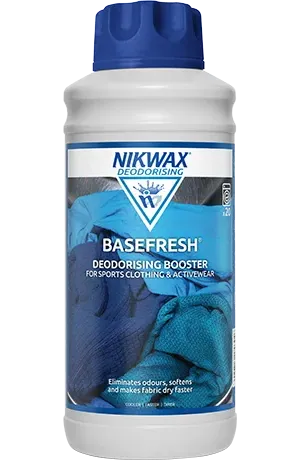
Non-obvious insight: Overloading the dryer causes uneven drying and more friction, which can damage sports fabrics faster. Dry smaller loads for better results.
Credit: nikwax.com
Special Care For Expensive Or Technical Sportswear
Some sports clothes are more than just fashion—they are an investment. Items like cycling bibs, triathlon suits, ski baselayers, or high-performance jackets need special care.
- Technical coatings: Water-repellent or UV-protective layers can break down in heat.
- Bonded seams and zippers: These can melt or warp.
- Reflective details: Heat can cause peeling or cracking.
Guidance: For expensive or high-tech items, always air dry. If the label says tumble drying is needed to reactivate a coating, use low heat for a short time only.
How Tumble Drying Affects Odor And Bacteria
Sweaty sportswear can develop odors if not washed and dried properly. Moisture-wicking fabrics can also trap bacteria. Does tumble drying help?
- High heat can kill some bacteria, but most sports clothes shouldn’t be exposed to high temperatures.
- Air drying in sunlight helps kill germs naturally (UV light is effective).
Practical tip: Wash sportswear soon after use. Don’t leave damp clothes in your gym bag or laundry basket. Always let items dry fully before storing.
Credit: www.whirlpool.com
Saving Energy And The Environment
Tumble dryers use a lot of electricity. Air drying is better for your clothes and the planet.
- Fact: Dryers can use more energy than a washing machine in a single load.
- Tip: Use a drying rack, clothesline, or hanger to reduce your carbon footprint.
If you need to use a dryer, combine loads and use energy-saving cycles. Modern dryers often have “sportswear” or “delicates” settings—these are designed for sensitive fabrics.
What Professional Athletes And Teams Do
Professional teams and athletes have strict rules for clothing care. Many hire laundry experts who:
- Wash with gentle detergents.
- Use low or no-heat dryers.
- Air dry critical gear.
- Avoid fabric softeners (which can damage moisture-wicking).
Example: Top football and basketball teams almost always air dry their jerseys and compression wear to keep the fabric strong and the fit perfect.
Common Mistakes When Drying Sports Clothes
Many people damage their sportswear by making these mistakes:
- Using high heat for all items.
- Ignoring care labels.
- Drying everything together (mixing cotton and synthetics).
- Overloading the dryer.
- Leaving items in the dryer after the cycle ends.
Advice: Take a few seconds to check each item and sort your laundry. It pays off in longer-lasting, better-looking sportswear.
Can Fabric Softeners Be Used?
Fabric softeners are popular, but they can:
- Coat fibers and reduce moisture-wicking.
- Build up and cause odor retention.
- Make technical coatings less effective.
If you want softness, use dryer balls instead. They help keep clothes fluffy without chemicals.
Storing Sports Clothes After Drying
How you store your sports clothes matters, too.
- Make sure items are completely dry before folding or putting away.
- Fold or hang items to keep their shape.
- Don’t stuff gear into small drawers or bags while still damp.
Tip: Keeping your sportswear in a cool, dry place prevents mold, odor, and damage.
Real-life Examples And Brand Recommendations
Different brands have different recommendations. For instance:
- Nike: Most Dri-FIT clothes can be tumble dried on low, but air drying is preferred.
- Adidas: Climacool and Aeroready fabrics should be dried at low temperatures or air dried.
- Under Armour: Most items say to tumble dry low, but never use fabric softeners.
- Lululemon: Air drying is recommended for all gear, especially those with elastane.
- Patagonia and The North Face: Technical jackets and baselayers should mostly air dry, unless specifically labeled otherwise.
Always check your specific item’s label and the brand’s website for the latest care instructions.
Quick-reference Guide: Tumble Dry Or Not?
Here’s a summary for common sportswear types:
| Type of Clothing | Tumble Dry? | Best Setting |
|---|---|---|
| Polyester shirts | Yes, with care | Low heat |
| Leggings (with spandex) | Not recommended | Air dry |
| Sports bras | Not recommended | Air dry |
| Technical jackets | Rarely | Low heat (if label allows) |
| Socks | Yes (synthetic) | Low heat |
| Swimwear | No | Air dry |
| Compression gear | No | Air dry |
Final Thoughts
So, can sports clothes be tumble dried? The answer depends on the fabric, the care label, and how much you value the performance and lifespan of your gear. Tumble drying is sometimes safe on low heat, but air drying is almost always the safest, most reliable choice. If you want your sports clothes to stay comfortable, stretchy, and looking new, take the time to dry them right.
Small changes in your laundry routine—like sorting by fabric, using mesh bags, and checking care labels—can make a big impact. Treat your sportswear with care, and it will take care of you during every run, workout, or game.
For more detailed fabric care symbols and their meanings, see the full guide at Wikipedia.
Frequently Asked Questions
Can I Tumble Dry All Types Of Sports Clothes?
No, not all sports clothes are suitable for tumble drying. Always check the care label. Items with elastane, technical coatings, or special prints are best air dried.
What Happens If I Tumble Dry My Sports Clothes On High Heat?
High heat can shrink, melt, or damage synthetic fibers. It can also ruin elasticity and cause prints to peel. Use the lowest heat or air dry to protect your gear.
How Can I Make My Sports Clothes Dry Faster Without A Dryer?
You can speed up air drying by:
- Hanging clothes in a well-ventilated area
- Using a fan for extra airflow
- Laying items flat on a dry towel and rolling up to absorb moisture
Is It Safe To Use Dryer Sheets Or Fabric Softener With Sportswear?
No, avoid fabric softeners and dryer sheets. They can coat fibers, reduce moisture-wicking, and cause odors. Use dryer balls for softness if needed.
My Sportswear Smells After Drying—what Should I Do?
Persistent odor means bacteria or detergent buildup. Wash clothes soon after use, avoid overloading the washer, and use a sports-specific detergent. Dry thoroughly before storing. If problems continue, try a vinegar rinse or sunlight air drying to kill bacteria.
