

Can Rash Guard Be Used for Swimming: Ultimate Guide & Benefits
Have you ever wondered if a rash guard can be your go-to gear for swimming? You might think it’s just for surfers or beach sports, but there’s more to this versatile piece of clothing than meets the eye.
Imagine feeling comfortable, protected, and stylish in the water—all at the same time. If you want to discover how a rash guard can change your swimming experience, keep reading. You’re about to find out everything you need to know to make the best choice for your next swim.
Rash Guard Basics
Rash guards are popular for water sports and beach activities. They protect skin from sunburn and irritation. Many wonder if rash guards work well for swimming. Understanding their basics helps answer this question.
Material And Design
Rash guards are made from stretchy, quick-drying fabrics. Common materials include polyester and spandex. These fabrics fit tight and move with the body. This design reduces friction against the skin. It helps prevent rashes from surfboards or sand. The fabric also blocks harmful UV rays. Many rash guards have a built-in UPF rating for sun protection.
Types Of Rash Guards
There are several types of rash guards. Short-sleeve styles offer good coverage for arms. Long-sleeve rash guards provide extra protection from the sun and cold water. Some rash guards have a loose fit for comfort. Others are compression fit to support muscles during activities. Swim-specific rash guards often have thinner fabric to improve water flow and comfort.

Credit: www.amazon.com
Rash Guard Vs Swimwear
Choosing between a rash guard and traditional swimwear depends on your swimming needs. Both serve to protect and cover your body but differ in design and purpose. Understanding their strengths helps you pick the right gear for swimming.
Comfort And Fit
Rash guards fit snugly against the skin. They offer full coverage of the upper body and arms. This tight fit reduces chafing from surfboards or water sports. Swimwear is usually looser and designed for easy movement. It allows more freedom but less skin protection. Rash guards often feel warmer in the water. Swimwear dries faster once out of the pool or sea.
Durability In Water
Rash guards are made from strong, stretchable fabrics. They resist damage from saltwater and chlorine better. These materials maintain shape after many uses. Swimwear fabrics focus on comfort and quick drying. They may weaken faster with constant exposure to chemicals. Rash guards protect from UV rays and minor scrapes. Swimwear offers less coverage against sunburn and rough surfaces.
Advantages Of Using Rash Guards For Swimming
Rash guards offer many benefits for swimmers. They protect the skin and improve comfort in the water. Wearing a rash guard can make swimming safer and more enjoyable. Here are some key advantages of using rash guards for swimming.
Sun Protection
Rash guards block harmful UV rays from reaching your skin. Most rash guards have a UPF rating to shield you from sunburn. This helps prevent skin damage during long swims outdoors. You can stay in the water longer without worrying about sun exposure.
Chafe Prevention
Swimming can cause skin irritation from friction against the board or swimsuit. Rash guards create a smooth barrier that reduces rubbing and chafing. This keeps your skin comfortable and avoids painful rashes. It is especially helpful for long swimming sessions.
Thermal Regulation
Rash guards help keep your body temperature steady in cool water. They provide a light layer of warmth without restricting movement. This helps prevent chills and keeps muscles loose. You can swim comfortably in different water temperatures.
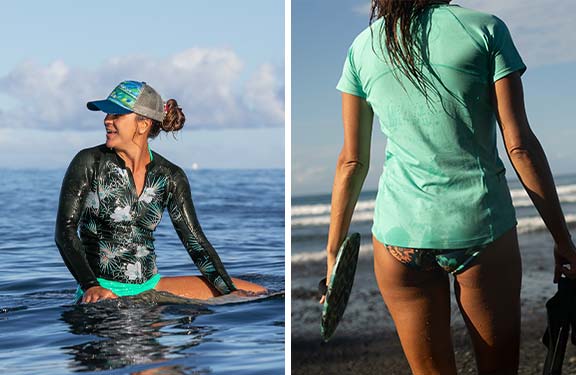
Credit: www.titlenine.com
Choosing The Right Rash Guard
Choosing the right rash guard makes a big difference for swimming comfort and protection. It is not just about style but about function. A good rash guard shields you from sun, irritation, and cold water. Picking one that fits well and feels good helps you swim better and enjoy your time in the water.
Fabric Considerations
Look for rash guards made from quick-dry fabrics like polyester or nylon. These materials keep you comfortable by drying fast after swimming. Some have added spandex for stretch and flexibility. A blend with spandex helps the rash guard move with your body. Check if the fabric has UV protection to guard your skin from sunburn.
Size And Fit Tips
Choose a rash guard that fits snugly but not too tight. It should feel like a second skin without restricting your movement. Avoid rash guards that are loose because they can cause drag in the water. Measure your chest and waist to find the best size. Try different sizes to see what feels best before buying.
Care And Maintenance
Proper care and maintenance help your rash guard last longer. This fabric faces chlorine, salt, and sun. These can break down the material over time. Taking good care keeps it strong and comfortable. Follow simple steps for washing, drying, and storing. These tips protect the fabric and colors.
Washing And Drying
Rinse your rash guard with fresh water after swimming. This removes chlorine and salt. Use cold water and mild detergent for washing. Avoid bleach or strong chemicals. Hand wash gently to keep the fabric safe. Do not wring or twist the garment.
Air dry your rash guard in the shade. Avoid direct sunlight to stop fading. Never use a dryer or iron. Heat can damage the fabric and stretch it out. Lay it flat or hang it loosely to dry.
Storage Tips
Store your rash guard in a cool, dry place. Avoid damp areas to prevent mold and mildew. Fold it neatly without sharp creases. Do not store it in plastic bags for long times. Let the fabric breathe to keep it fresh.
Keep your rash guard away from rough surfaces. This stops snags and tears. Regular care and smart storage keep your rash guard ready for swimming.
:max_bytes(150000):strip_icc()/swim-instructors-rash-guards-tout-6e17303e544c42c682cd1155267646a9.jpg)
Credit: www.verywellfit.com
Common Misconceptions
Many people have wrong ideas about rash guards and swimming. These common misconceptions stop some from enjoying rash guards in the pool or open water. Clearing these up can help you make better choices for your swimwear.
Rash Guards Are Only For Surfing
Rash guards are not just for surfers. They protect skin from sunburn and irritation from saltwater or sand. Swimmers can wear them too. They offer comfort and reduce chafing during long swims. Rash guards also help keep muscles warm in cool water.
Not Suitable For Swimming Pools
Many think rash guards are not good for pools. This is not true. Rash guards dry quickly and resist chlorine damage. They protect skin from pool chemicals. Wearing a rash guard in the pool can prevent rashes and sunburn by the poolside.
Frequently Asked Questions
Can Rash Guards Be Worn While Swimming?
Yes, rash guards are designed for water use and protect skin from sun and irritation. They are ideal for swimming.
Do Rash Guards Provide Uv Protection?
Most rash guards offer UPF 50+ protection, blocking harmful UV rays during outdoor swimming activities effectively.
Are Rash Guards Suitable For All Swimming Styles?
Rash guards are flexible and lightweight, making them suitable for various swimming styles and water sports.
Can Rash Guards Improve Swimming Performance?
While rash guards reduce drag slightly, their main benefits are protection and comfort rather than performance enhancement.
Conclusion
Rash guards work well for swimming. They protect skin from sun and jellyfish stings. They dry quickly and feel light in water. You can swim comfortably without worrying about rashes. Choose a rash guard that fits snugly for best use.
Many swimmers enjoy the extra protection and comfort. Try one next time you hit the pool or ocean. It’s a simple way to stay safe and swim happily.
