

Can Rash Guard Be Used for Hiking: Ultimate Guide to Benefits
Are you wondering if a rash guard can be your next go-to gear for hiking? You might think rash guards are only for water sports, but they have some surprising benefits on the trail too.
Imagine hiking comfortably without worrying about sunburn, bugs, or sweat slowing you down. If you want to know how a rash guard can protect you and boost your hiking experience, keep reading. This could change the way you gear up for your next adventure.

Credit: clinicamedca.com
Rash Guard Basics
A rash guard is a special type of shirt made for outdoor activities. It protects the skin from rubbing and sun damage. Many people think it is only for water sports. But it can be useful for hiking too.
Understanding what a rash guard is will help decide if it fits your hiking needs. The material and design make it different from regular shirts. It also has common uses beyond just the beach or pool.
Material And Design
Rash guards are usually made from polyester or nylon mixed with spandex. This mix makes the shirt stretchy and snug. It fits tight to the body to stop chafing.
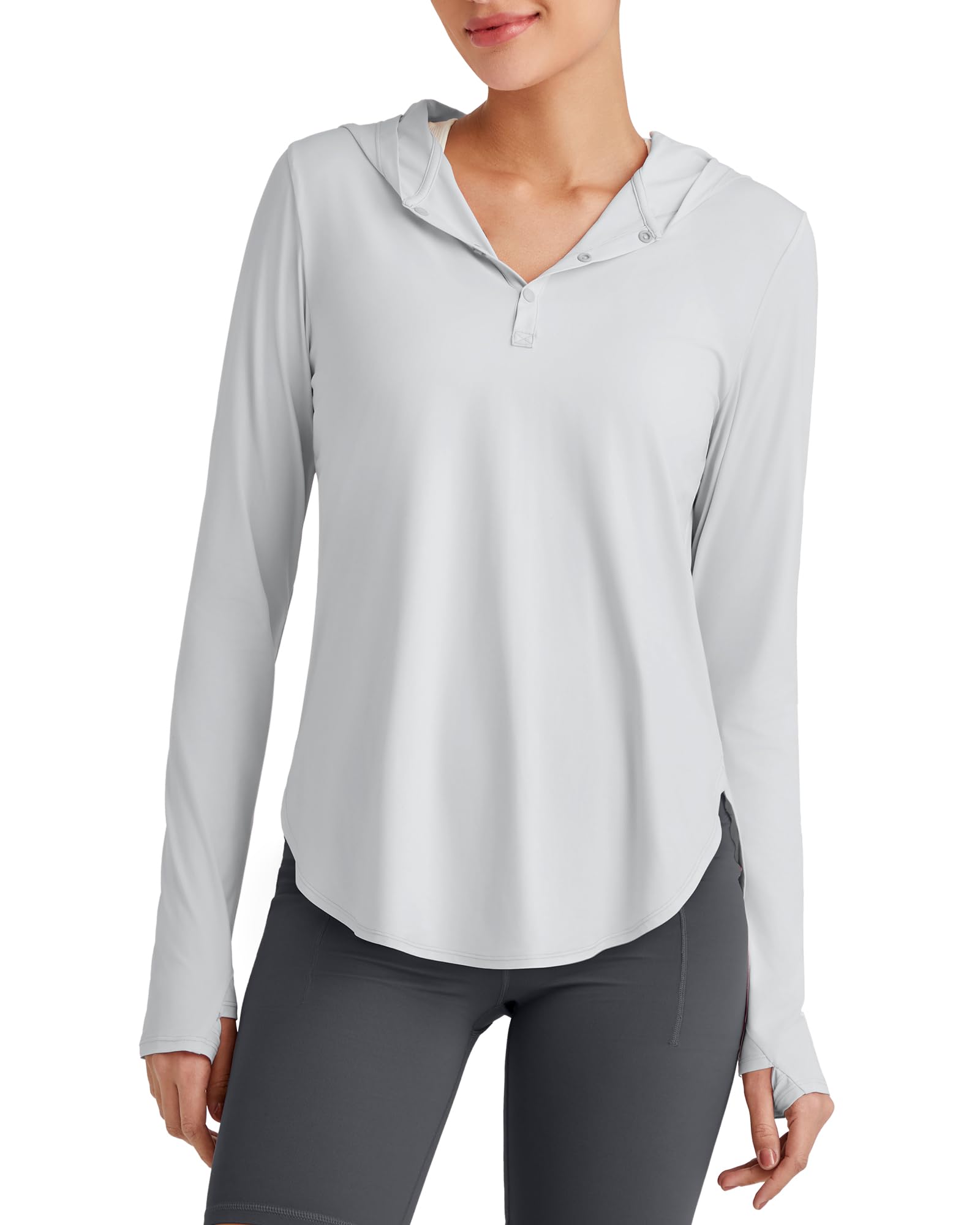
The fabric dries fast and blocks harmful UV rays. Some rash guards have flat seams to avoid skin irritation. The shirt often covers long sleeves for extra protection.
Common Uses
People use rash guards mainly for surfing, swimming, and other water sports. They protect the skin from rashes caused by surfboards or wetsuits. They also shield from sunburns during long hours outside.
Besides water activities, rash guards are good for hiking. They keep bugs and plants from scratching the skin. The quick-dry fabric helps hikers stay comfortable during sweaty climbs.
Credit: clinicamedca.com
Benefits For Hiking
Rash guards offer many benefits for hikers. They are not just for water sports. Their design helps in many hiking conditions. Wearing a rash guard can improve comfort and safety on trails. Below are some key benefits of using rash guards for hiking.
Sun Protection
Rash guards block harmful UV rays from the sun. Their fabric often has a high UPF rating. This protects skin from sunburn and long-term damage. Wearing a rash guard reduces the need for extra sunscreen. It covers large skin areas, like arms and chest.
Moisture Management
Rash guards quickly wick sweat away from the skin. This keeps hikers dry and comfortable. Moisture moves to the fabric surface and evaporates fast. Staying dry helps prevent chafing and skin irritation. Rash guards are great for long hikes in warm weather.
Temperature Regulation
The fabric of rash guards helps keep body temperature stable. It cools the skin by allowing air flow. In cooler weather, it provides a light layer of warmth. This helps hikers avoid overheating or getting too cold. Rash guards adjust well to changing weather.
Protection Against Scratches And Insects
Rash guards create a barrier against scratches from branches and rocks. They reduce cuts and scrapes during rough hikes. The tight fabric also helps keep bugs away. This lowers the risk of insect bites and stings. Rash guards add an extra layer of protection outdoors.
Comparing Rash Guards To Hiking Apparel
Rash guards and hiking apparel serve different purposes but share some common features. Both aim to protect the body during outdoor activities. Rash guards are mainly for water sports, while hiking clothes suit land adventures. Comparing them helps understand if rash guards can work well for hiking.
Breathability And Comfort
Rash guards are made from tight, stretchy fabric. They dry quickly and keep sweat away from the skin. Hiking clothes often use breathable mesh or cotton blends. These allow air to flow better. Rash guards may feel snug, while hiking shirts are usually loose. Comfort depends on personal choice and weather conditions.
Durability And Flexibility
Rash guards resist tearing and stretching. They handle rough use in water and sun. Hiking apparel is built to endure rough trails and bushes. They often have reinforced seams and tougher fabric. Rash guards offer more stretch, which helps with movement. Hiking clothes may limit some flexibility but protect better from scratches.
Weight And Packability
Rash guards are lightweight and easy to fold small. They take little space in a backpack. Hiking clothes vary in weight; some are heavy but warm. Others are thin and light for hot weather. Rash guards pack smaller but may not provide enough warmth for cold hikes.

Credit: clinicamedca.com
Choosing The Right Rash Guard For Hiking
Choosing the right rash guard for hiking is key to a comfortable journey. Not all rash guards suit hiking needs. Some materials and fits work better on trails. Knowing what to pick helps you stay cool, dry, and protected.
This guide covers fabric types, fit and size, and extra features. These points help you find a rash guard that fits your hiking style.
Fabric Types
Look for quick-drying fabrics. Polyester and nylon blends are good choices. They keep sweat away and dry fast. Avoid cotton because it holds moisture. Some rash guards have added spandex for stretch. Stretchy fabrics move better on rough trails. UV protection is a plus. It shields your skin from the sun’s rays.
Fit And Size
Pick a rash guard that fits snugly but not tight. It should allow full movement without chafing. Check size charts carefully before buying. Consider layering if you hike in cold weather. A slightly larger size works well for extra layers. Long sleeves give better sun protection and bug defense.
Additional Features
Look for rash guards with flat seams to prevent skin irritation. Some have mesh panels for better airflow. A high collar can protect your neck from sunburn. Thumbholes keep sleeves in place during hikes. Pockets are rare but handy for small items. Reflective details improve visibility in low light.
Care And Maintenance Tips
Taking good care of your rash guard helps keep it in top shape for hiking. Proper cleaning and storage keep the fabric strong and comfortable. Follow these simple tips to extend your rash guard’s life.
Washing Guidelines
Wash your rash guard in cold water to protect the fabric. Use a gentle detergent without bleach or fabric softeners. Avoid washing with rough clothes that can damage the material. Hand washing is best, but a gentle machine cycle works fine. Do not use hot water or harsh chemicals. Air dry your rash guard by laying it flat or hanging it in shade. Avoid dryers, as heat can weaken the fabric and cause shrinkage.
Storage Advice
Store your rash guard in a cool, dry place to prevent mold and odors. Fold it neatly to avoid wrinkles and fabric stress. Do not leave it in a damp bag or direct sunlight for long periods. Using a breathable fabric bag helps keep it fresh. Proper storage keeps your rash guard ready for your next hiking trip.
Real Hiker Experiences
Real hikers share their honest thoughts about using rash guards on trails. Their experiences help us see the true benefits and limits of rash guards in hiking. These stories come from different climates and trail types, giving a broad view.
Pros And Cons
Many hikers like rash guards for their lightweight and quick-dry features. They protect the skin from sunburn and scratches well. Rash guards also help keep bugs away on forest paths. Some hikers find them very comfortable on hot days.
On the downside, rash guards may not keep you warm in cold weather. Some hikers feel the fabric is too tight or stretchy for long hikes. Rash guards usually offer less padding than hiking shirts with thicker fabric. They also may not be as durable on rough trails.
Popular Brands
Several brands get good reviews from hikers who wear rash guards. Under Armour is praised for moisture-wicking and durability. O’Neill offers rash guards with UV protection and soft fabric. Patagonia makes rash guards that focus on eco-friendly materials. Other favorite brands include Nike and Columbia for their comfort and fit.
Frequently Asked Questions
Can Rash Guards Protect Against Hiking Sunburn?
Yes, rash guards offer excellent sun protection. Their UPF fabric blocks harmful UV rays. This helps prevent sunburn during long hikes.
Are Rash Guards Suitable For Hiking In Cold Weather?
Rash guards provide a lightweight base layer. They wick moisture and retain warmth. For cold hikes, pair them with insulated layers.
Do Rash Guards Help With Moisture Management While Hiking?
Absolutely. Rash guards wick sweat away from your skin. This keeps you dry and comfortable during strenuous hikes.
Can Rash Guards Prevent Scratches From Bushes And Branches?
Yes, rash guards provide a protective layer. Their snug fit minimizes skin exposure to scratches. This helps protect your skin on rough trails.
Conclusion
Rash guards offer good protection from sun and bugs. They dry quickly and keep you cool. The tight fit stops branches from scratching your skin. Rash guards also help if you sweat a lot. They work well for short or easy hikes.
For tough hikes, layering might be better. Choose a rash guard that feels comfortable and fits well. Try it on a small hike first. Rash guards can be a useful part of your hiking gear. Simple, practical, and ready for the trail.
