

Can Gym Clothes Go in Dryer? Essential Care Tips Explained
Can Gym Clothes Go In Dryer?
Choosing the right way to dry your gym clothes can make a big difference. Many people want to save time by using the dryer, but are unsure if it’s safe. Gym clothes are made with special fabrics for comfort, stretch, and moisture control.
Some fear that heat will damage these materials, while others believe dryers are fine if used carefully. In this article, you’ll learn what really happens when gym clothes go in the dryer, what experts recommend, and how to keep your workout gear in the best shape.
Whether you want fast drying or longer-lasting clothes, you’ll find answers and practical tips here.
Why Gym Clothes Need Special Care
Gym clothes are not like regular cotton shirts or jeans. Most are made from synthetic fibers such as polyester, nylon, spandex, or blends. These fabrics wick sweat, dry quickly, and stretch easily for movement. However, their structure is sensitive to heat, friction, and certain detergents. Let’s look at why these materials need extra attention:
- Moisture-wicking ability: This lets sweat evaporate quickly, keeping you dry. High heat can reduce this effect.
- Elasticity: Spandex and elastane give stretch. Heat and rough handling can break down these fibers.
- Odor resistance: Many gym clothes have treatments against odor. Strong heat or chemicals may remove these treatments.
- Color and print durability: The dyes and prints on gym gear can fade or peel if dried incorrectly.
Most gym clothes are designed for performance, not just looks. Preserving these features is key for comfortable workouts and longer-lasting clothing.
What Happens When Gym Clothes Go In The Dryer
Putting gym clothes in the dryer is common, but it has pros and cons. Understanding what happens during drying helps you decide the best method.
Heat Effects On Synthetic Fabrics
Synthetic fibers like polyester and spandex are sensitive to heat. Dryers use temperatures from 125°F to 160°F (medium to high settings). Here’s what can happen:
- Fiber damage: High heat can melt or weaken synthetic fibers. This leads to loss of elasticity, thinning, or holes.
- Shrinkage: While cotton shrinks more, synthetic fibers can also shrink if exposed to high heat.
- Wrinkles and warping: Some gym clothes lose their shape in the dryer, especially if made with mixed fabrics.
- Loss of moisture-wicking: The special coating that wicks moisture may break down, making clothes less effective.
Friction And Tumbling
Dryers tumble clothes for even drying. This causes:
- Pilling: Small fabric balls form on the surface. Pilling looks bad and feels rough.
- Snags: Zippers, Velcro, or rough materials in the load can catch on gym clothes.
- Fading prints: Logos and prints fade faster with friction and heat.
Benefits Of Using A Dryer
- Speed: Dryers work much faster than air drying.
- Softness: Some gym clothes feel softer after tumble drying.
- Convenience: You can dry your gear while doing other tasks.
Risks And Hidden Problems
- Reduced lifespan: Frequent drying leads to quicker wear and tear.
- Odor retention: If not fully dry, gym clothes may smell worse due to trapped moisture.
- Static buildup: Synthetic fibers can attract static, making clothes clingy or uncomfortable.
Most people don’t realize that even one high-heat cycle can damage performance fabrics. For expensive gym gear, this is a costly mistake.
Reading Gym Clothing Labels
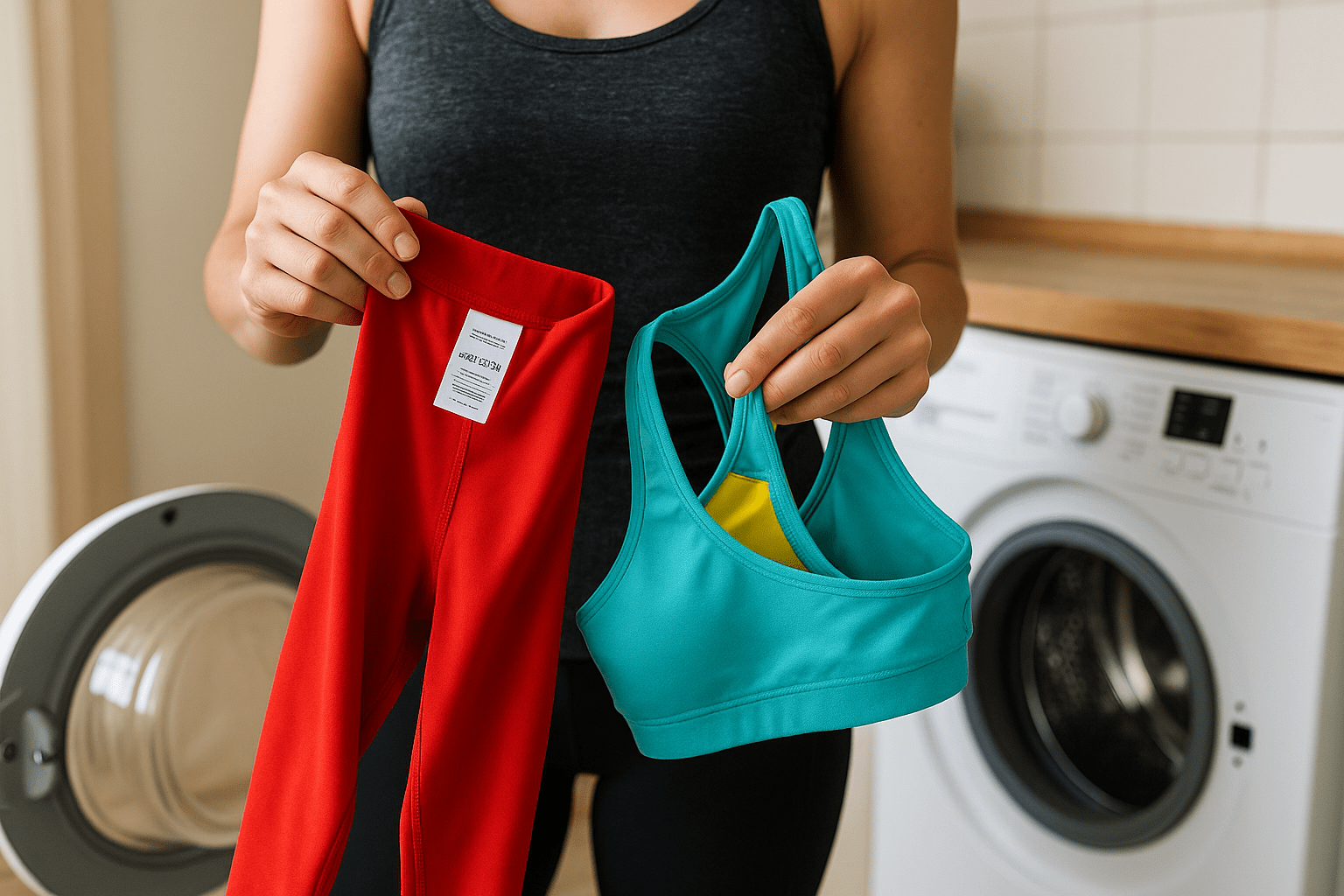
Before drying, always check the care label inside your gym clothes. These labels tell you what is safe. Here’s how to read them:
- Machine dry: If the label shows a dryer symbol, it’s allowed. Look for dots inside the symbol—one dot means low heat, two means medium.
- Line dry: A curved line means hang to dry. This is safest for most gym gear.
- No dryer: An ‘X’ over the dryer symbol means do not tumble dry.
- Ironing: Gym clothes rarely need ironing. If allowed, use low heat.
Some brands use terms like "cool tumble," which means use the lowest heat setting. Others warn against any dryer use. If the label is missing or faded, research the brand online or err on the side of caution.
Common Gym Brand Label Examples
Here’s a quick guide comparing popular gym clothing brands:
| Brand | Typical Dryer Advice | Special Notes |
|---|---|---|
| Lululemon | Low heat or air dry | High heat damages stretch |
| Under Armour | Low heat, no fabric softener | Air dry preferred |
| Nike | Low heat, avoid high | Prints fade with heat |
| Adidas | Low heat, air dry best | Synthetic fibers sensitive |
| Gymshark | Air dry only | Do not tumble dry |
Reading labels is the first step to avoiding dryer mistakes. When in doubt, choose air drying.
Safe Ways To Dry Gym Clothes
Drying gym clothes safely keeps them fresh, comfortable, and long-lasting. Here are the main methods:
Air Drying
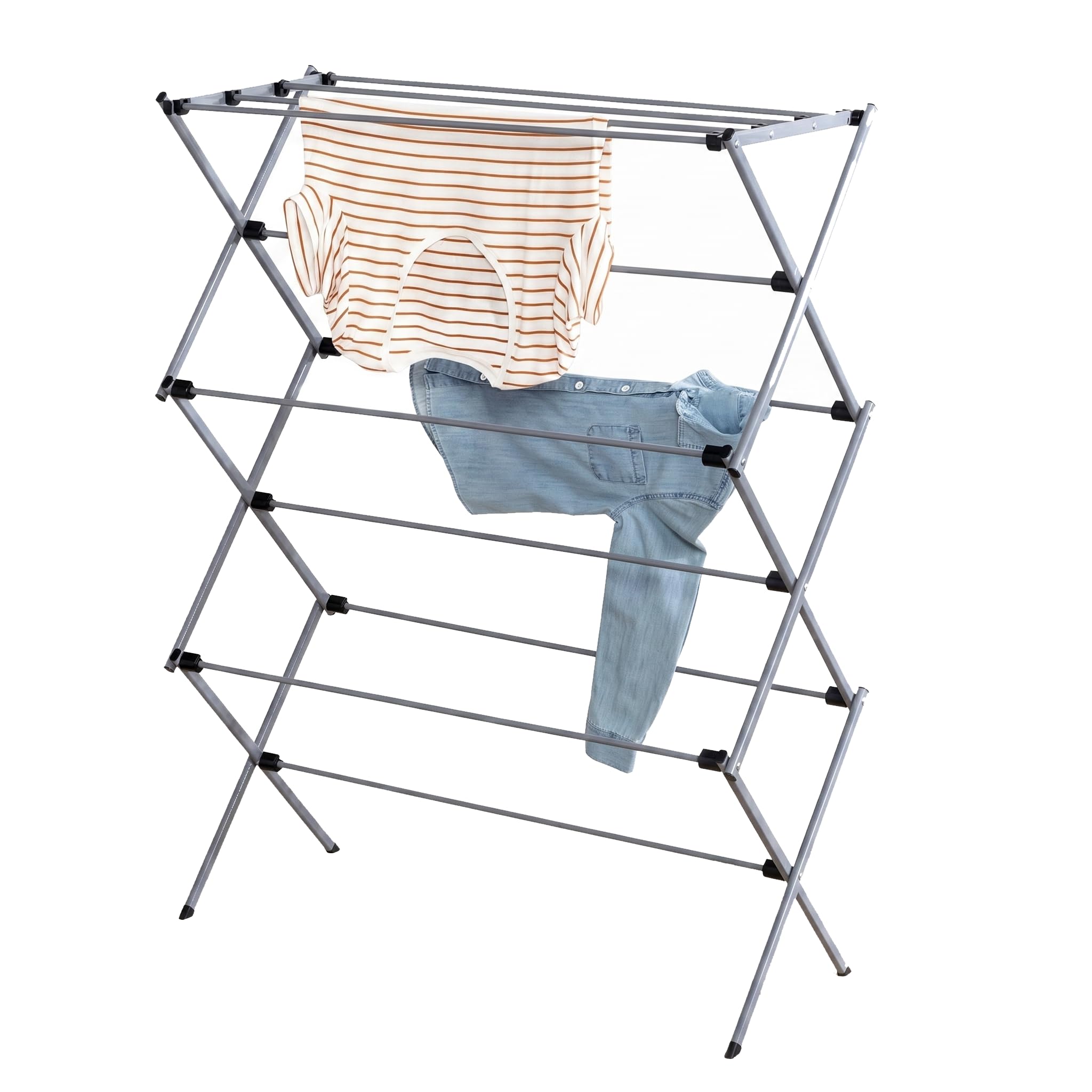
- Hang on a rack: Place clothes on a drying rack indoors or outside.
- Lay flat: For delicate or stretchy items, lay them flat to avoid stretching.
- Avoid direct sun: Sunlight can fade colors and prints.
Air drying is gentle. It prevents heat damage, pilling, and shrinkage. It’s slower, but your clothes will last longer.
Dryer With Low Heat
If your label allows dryer use, follow these tips:
- Use low or no heat: Select "delicate" or "air fluff" settings.
- Dry separately: Don’t mix gym clothes with rough fabrics like jeans or towels.
- Remove promptly: Take clothes out as soon as the cycle ends to avoid wrinkles.
- Skip dryer sheets: These can coat fabrics and reduce moisture-wicking.
Low heat is safer, but still causes some wear over time. Limit dryer use to when you need quick drying.
Combining Methods
Some people start with a short low-heat dryer cycle, then finish air drying. This speeds up drying while reducing heat exposure. It’s a smart compromise for busy routines.
Handling Odor And Bacteria
Gym clothes trap sweat and bacteria. If clothes smell after drying, try these:
- Wash quickly: Don’t leave sweaty clothes in the laundry basket.
- Use sports detergent: These break down sweat and odor better.
- Clean dryer lint filter: Built-up lint can carry odors.
Drying alone won’t remove smell. Proper washing is important.
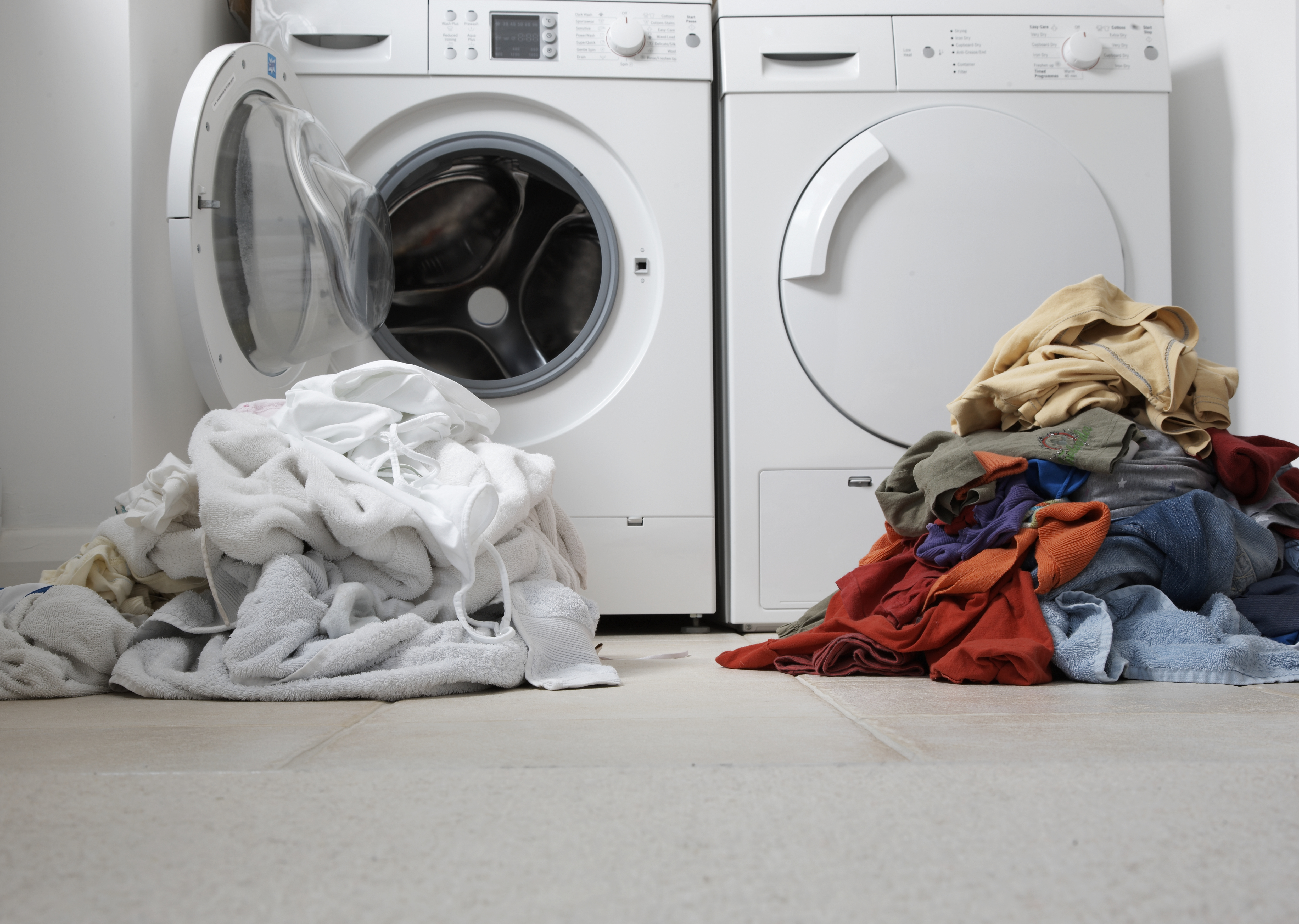
Credit: www.thecleaningauthority.com
Comparing Dryer Settings For Gym Clothes
Not all dryer settings are equal. Here’s a comparison of common dryer modes:
| Dryer Setting | Temperature | Effect on Gym Clothes |
|---|---|---|
| High Heat | 150°F - 160°F | Damages fibers, causes shrinkage |
| Medium Heat | 135°F - 145°F | Still risky for synthetics |
| Low Heat | 120°F - 130°F | Safer, but monitor closely |
| Air Fluff / No Heat | Room temp | Gentle, preserves fabric |
Choose the lowest setting available for gym clothes. If your dryer doesn’t offer "air fluff," use "delicate" and check clothes often.
Common Mistakes When Drying Gym Clothes
Many people make errors that shorten the life of gym clothing. Here are mistakes to avoid:
- Using high heat: This is the most damaging. Even one cycle can ruin elastic fibers.
- Mixing fabrics: Drying gym gear with towels or jeans causes friction and pilling.
- Ignoring care labels: Skipping label instructions leads to shrinkage and fading.
- Using fabric softener sheets: These coat fabrics, stopping sweat wicking.
- Overloading the dryer: Crowded loads mean uneven drying and more damage.
- Leaving clothes in dryer: Heat buildup causes wrinkles and stiff fabric.
Avoiding these mistakes helps your gym clothes last longer and perform better.
Credit: www.amazon.com
How Different Fabrics React In The Dryer
Gym clothes use many fabric types. Understanding their behavior helps you choose the right drying method.
Polyester
- Pros: Dries quickly, resists wrinkles.
- Cons: Sensitive to high heat, can melt or pill.
- Best method: Low heat or air dry.
Nylon
- Pros: Lightweight, strong.
- Cons: Loses shape with heat, can yellow.
- Best method: Air dry, low heat if needed.
Spandex/elastane
- Pros: Great stretch.
- Cons: Breaks down with heat, loses elasticity.
- Best method: Air dry only.
Cotton Blends
- Pros: Comfortable, soft.
- Cons: Can shrink, absorbs moisture.
- Best method: Low heat, but air drying is safest.
Technical Fabrics (dri-fit, Climalite, Etc.)
- Pros: Moisture-wicking, odor control.
- Cons: Special coatings damaged by heat.
- Best method: Air dry, low heat only if label allows.
Some fabrics may feel dry after a short cycle, but still suffer hidden damage. Air drying is always safest for mixed or unknown fibers.
The Science Behind Dryer Damage
Dryer heat affects fabrics at the molecular level. Synthetic fibers are made from plastic polymers. When exposed to heat, these polymers soften or melt, leading to:
- Loss of structure: Fibers lose their shape, resulting in saggy or misshapen clothes.
- Reduced stretch: Heat breaks the bonds that provide elasticity.
- Coating breakdown: Special treatments for moisture or odor can evaporate, reducing performance.
Research shows that repeated dryer cycles shorten the lifespan of synthetic gym clothes by up to 50%. Clothes may look fine at first, but lose stretch and wicking over time.
Expert Advice: What Do Laundry Pros Say?
Laundry experts recommend caution when drying gym clothes. Most say:
- Air drying is best: Preserves fabric quality and performance.
- Low heat if needed: Only for brands that allow it, and only for a short time.
- Avoid dryer sheets and softeners: These block moisture-wicking.
- Wash after every workout: Prevents bacteria buildup.
Some gyms and sports teams use special drying cabinets with low airflow and no heat. This shows how much care is needed for professional gear.
Real-life Examples: Gym Clothing Longevity
Let’s compare two people with different drying habits:
- Person A dries gym clothes on high heat every week. After six months, leggings lose stretch, shirts feel rough, and prints fade.
- Person B air dries or uses low heat. After six months, clothes feel soft, prints look new, and elasticity is good.
This difference comes from drying methods, not just washing. Most beginners miss how much heat affects performance fabrics.
Tips For Faster Air Drying
If you prefer air drying but want faster results, try these:
- Use a fan: Placing a fan near the drying rack speeds up airflow.
- Hang clothes spaced apart: Crowded racks slow drying.
- Pat dry with a towel first: Removes extra water before hanging.
- Dry near a window: Sunlight (indirect) and breeze help.
These tricks save time without risking heat damage.
Special Cases: Drying Gym Shoes, Bags, And Accessories
Not all gym gear is clothing. Shoes, bags, and accessories need different care:
- Gym shoes: Never dry in a dryer. Stuff with newspaper and air dry.
- Gym bags: Air dry only. Dryers can melt linings and straps.
- Headbands and gloves: Check labels. Most need air drying.
Accessories often have parts (rubber, foam, plastic) that melt or warp in dryers. Treat them like delicate items.
How Dryer Use Affects Sustainability
Dryers use a lot of electricity. Air drying is more sustainable. According to the US Department of Energy, dryers are among the top energy users in homes. By air drying gym clothes, you:
- Save energy
- Reduce carbon footprint
- Lower bills
- Extend clothing life
Choosing air drying is good for both your wallet and the environment.
When Is It Ok To Use The Dryer For Gym Clothes?
Some situations make dryer use practical:
- Rainy weather: When air drying is not possible.
- Urgent needs: If you need your gear dry fast for a workout.
- Sturdy fabrics: Some gym clothes are made to handle low heat.
If you use the dryer, always:
- Select the lowest heat setting
- Dry clothes alone, not mixed with rough items
- Remove promptly to avoid wrinkles
- Skip dryer sheets
It’s best to limit dryer use to special occasions, not every wash.
Gym Clothes And Static: How To Prevent It
Synthetic fabrics attract static in the dryer. This makes clothes clingy or uncomfortable. To reduce static:
- Skip dryer sheets: They coat fabric and block moisture-wicking.
- Add a damp washcloth: In the dryer, this reduces static.
- Use air fluff: No heat means less static.
If you notice static, rub clothes with your hands or hang them for a few minutes. Air drying prevents static almost completely.
How Dryer Use Impacts Gym Clothes Over Time
Repeated dryer use affects clothes in ways you may not see at first:
- Loss of stretch: Pants or tops become loose.
- Rough feel: Fabric loses smoothness.
- Faded colors: Prints and dyes lose brightness.
- Odor: Clothes may smell worse as coatings break down.
Many people replace gym clothes sooner than needed because of dryer damage. With careful drying, clothes last twice as long.
Credit: sportek.com
Caring For High-tech Gym Clothes
Modern gym gear may use advanced fabrics like anti-microbial or temperature-control materials. These need special care:
- Air dry only: Heat can destroy coatings.
- Use mild detergent: Harsh detergents remove treatments.
- Avoid bleach: Bleach ruins technical fabrics.
If your gear feels different after drying, check if coatings are still effective. Sometimes it’s possible to restore performance with specialty detergents.
Dryer Vs. Air Dry: Quick Comparison
Let’s sum up the main differences:
| Dryer | Air Dry |
|---|---|
| Fast drying | Slower drying |
| Risk of damage | Gentle on fabrics |
| Possible shrinkage | No shrinkage |
| Fading colors | Colors stay bright |
| Static buildup | No static |
| Convenient | Eco-friendly |
Most experts favor air drying for gym clothes, but a dryer can work in a pinch if used carefully.
How To Handle Gym Clothes That Already Have Dryer Damage
If your gym gear feels stretched, rough, or faded, you may have dryer damage. Here’s what you can do:
- Stop using the dryer: Switch to air drying right away.
- Use fabric conditioner (not softener sheets): Helps restore softness in the wash.
- Try sports detergents: Some help restore moisture-wicking.
- Replace worn items: For safety and comfort, replace damaged clothes.
Repairing dryer damage is hard. Prevention is easier than fixing problems.
Gym Clothes Drying Myths
Many myths exist about drying gym clothes. Let’s clear up a few:
- Myth: Dryers kill all bacteria. Fact: Heat helps, but proper washing is more important.
- Myth: Only cotton shrinks. Fact: Synthetics can shrink at high heat.
- Myth: Dryer sheets are safe for all clothes. Fact: They harm performance fabrics.
- Myth: All gym clothes are dryer-safe. Fact: Most need air drying or low heat.
Don’t believe every tip you hear. Check labels and use common sense.
Making Gym Clothes Last Longer
You can extend the life of your gym gear with these habits:
- Wash after each use: Prevents bacteria and odor buildup.
- Air dry whenever possible
- Sort laundry: Keep gym clothes separate from rough fabrics.
- Use mild detergents
- Avoid bleach and softeners
- Store properly: Fold or hang clothes, don’t stuff in bags.
A few simple steps save money and keep your clothes looking new.
Should You Invest In A Drying Rack?
Drying racks are affordable and useful for gym clothes. Benefits include:
- Gentle drying
- No heat damage
- Space-saving
- Quick setup
Racks come in many sizes. Choose one with enough space for your workout gear. Some racks fold for easy storage.
Gym Clothes Dryer Alternatives
If you can’t air dry outside or need faster results, try these:
- Portable fan: Speeds drying indoors.
- Towel drying: Roll clothes in a towel to absorb water.
- Heated drying cabinet: Low heat, gentle airflow.
These options work well for apartments or rainy days. Avoid using radiators or heaters, which can damage fabrics.
Data: Gym Clothes Replacement Rates
A survey by a major fitness retailer found:
- People who air dry gym clothes replace them every 2–3 years
- People who use dryers regularly replace clothes every 1–1.5 years
This shows how drying methods affect longevity. Air drying saves money over time.
How Gym Clothes Drying Affects Performance
Drying methods don’t just affect looks—they impact how clothes perform:
- Moisture control: Damaged fabrics don’t wick sweat as well.
- Flexibility: Lost stretch means less comfort during movement.
- Odor resistance: Coating breakdown leads to more smells.
Athletes notice these changes. For best results, follow drying instructions closely.
Should You Dry Gym Clothes After Every Wash?
Yes, but choose the safest method. After washing, gym clothes should be fully dry before storing or wearing. Damp clothes can cause skin irritation and odor. Air drying is safest, but a quick low-heat cycle works if needed.
Comparing Gym Clothes Drying Practices Worldwide
Drying habits vary by region. In many countries, air drying is standard due to climate or cost. In the US, dryers are common, but energy costs are rising. Some gyms offer drying rooms with racks and fans for members.
Drying practices affect clothing life and sustainability. Air drying is more popular where people value durability and eco-friendliness.
Gym Clothes Dryer Faqs
Below are answers to common questions about drying gym clothes.
Frequently Asked Questions
Can I Dry All Gym Clothes In The Dryer?
No. Most gym clothes should be air dried or dried on low heat. Always check the care label. High heat damages synthetic fibers and special coatings.
Why Do My Gym Clothes Smell After Drying?
If clothes smell, it’s usually due to bacteria or sweat not fully removed during washing. Drying alone won’t fix this. Use sports detergent and wash promptly.
Will Drying Gym Clothes On Low Heat Prevent Damage?
Low heat reduces the risk, but some damage can still occur over time. Air drying is safest. If you use a dryer, select the lowest heat and remove clothes promptly.
How Can I Speed Up Air Drying?
Use a fan, hang clothes spaced apart, pat dry with a towel, or dry near a window. These methods help clothes dry faster without heat damage.
Can Dryer Sheets Be Used With Gym Clothes?
No. Dryer sheets coat fabrics and reduce moisture-wicking. Avoid them for gym gear. If you want to reduce static, use a damp washcloth instead.
Final Thoughts
Drying gym clothes is more than just saving time. The right method protects your investment, keeps clothes comfortable, and helps them perform as designed. For most gym gear, air drying is the safest choice. If you must use a dryer, low heat and careful handling are key.
Always check care labels and avoid common mistakes. With these tips, your gym clothes will stay fresh, flexible, and ready for every workout.
For more tips on laundry care, visit the Consumer Reports Laundry Guide.
