

Can Gym Clothes Cause Yeast Infection? What You Need to Know
Can Gym Clothes Cause Yeast Infection
Stepping into the gym should feel empowering. You’re investing in your health, energy, and confidence. But sometimes, what you wear to work out can cause problems you didn’t expect. Many people notice discomfort, itching, or irritation after long workouts and wonder if gym clothes could be part of the problem—especially when it comes to yeast infections. This is more common than you might think, especially for women, but men can also be affected.
Let’s explore if your favorite leggings, shorts, or workout tops might be putting you at risk. We’ll cover how yeast infections happen, which gym clothes make them more likely, and what you can do to stay healthy and comfortable. By the end, you’ll know exactly how to choose and care for your gym wear to avoid these issues—and enjoy your fitness routine without worry.
Understanding Yeast Infections
Yeast infections are caused by an overgrowth of a fungus called Candida. This fungus naturally lives on your skin and inside your body, especially in warm, moist areas like the mouth, gut, and genitals. Usually, your body’s immune system and other “good” bacteria keep Candida under control. But sometimes, certain conditions let it grow too much and cause an infection.
The most common type is vaginal yeast infection, but yeast can also cause problems in other places such as the armpits, groin, and under the breasts—anywhere that stays warm and damp. Symptoms often include itching, redness, burning, and unusual discharge or skin changes.
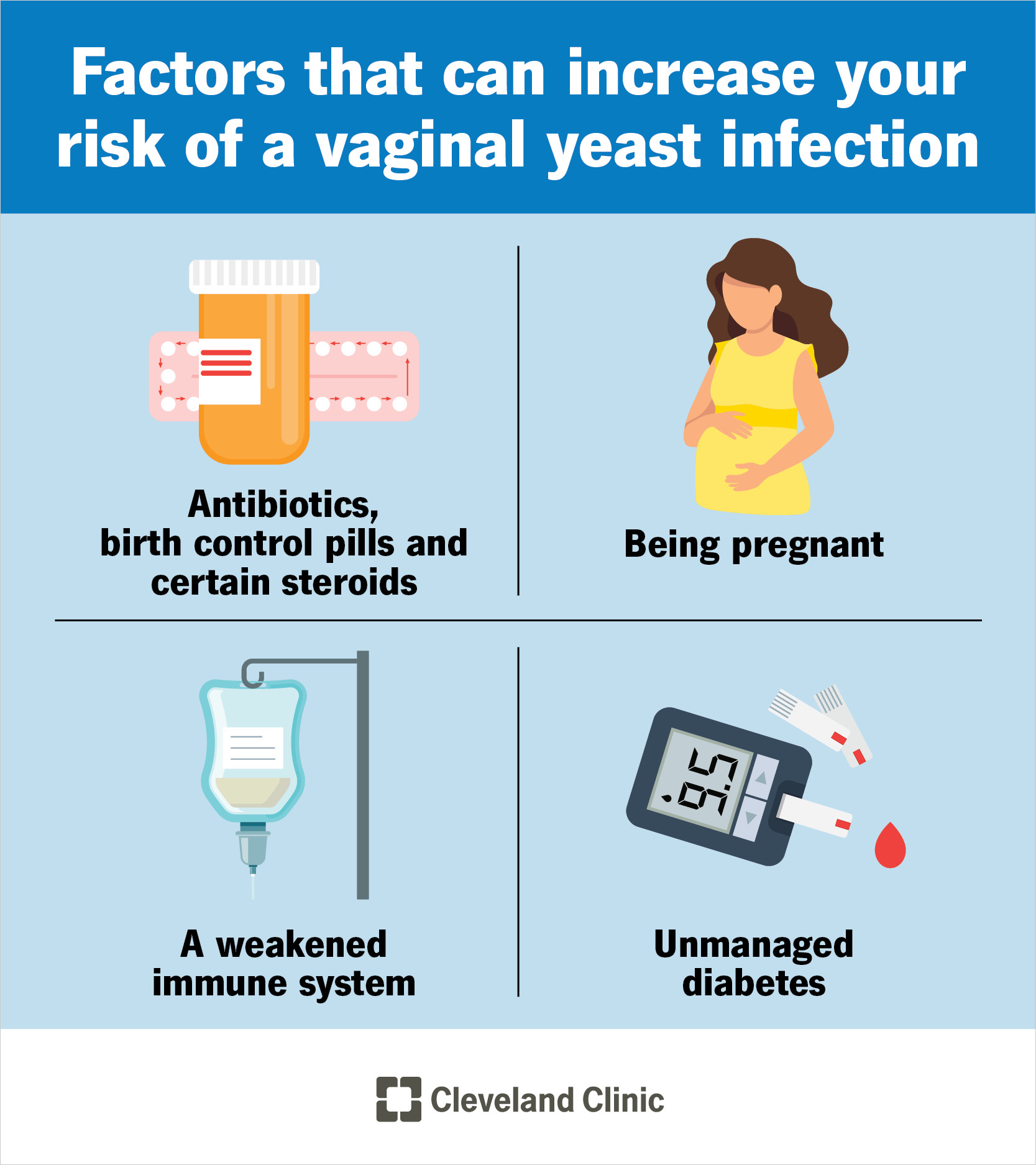
Some people are more likely to get yeast infections due to factors like:
- Tight or synthetic clothing
- Sweating a lot without changing clothes
- Weakened immune system
- Taking antibiotics
- Hormonal changes
It’s important to know how your daily habits, including what you wear to the gym, can play a role in this.
How Gym Clothes Affect Your Risk
The Role Of Moisture And Heat
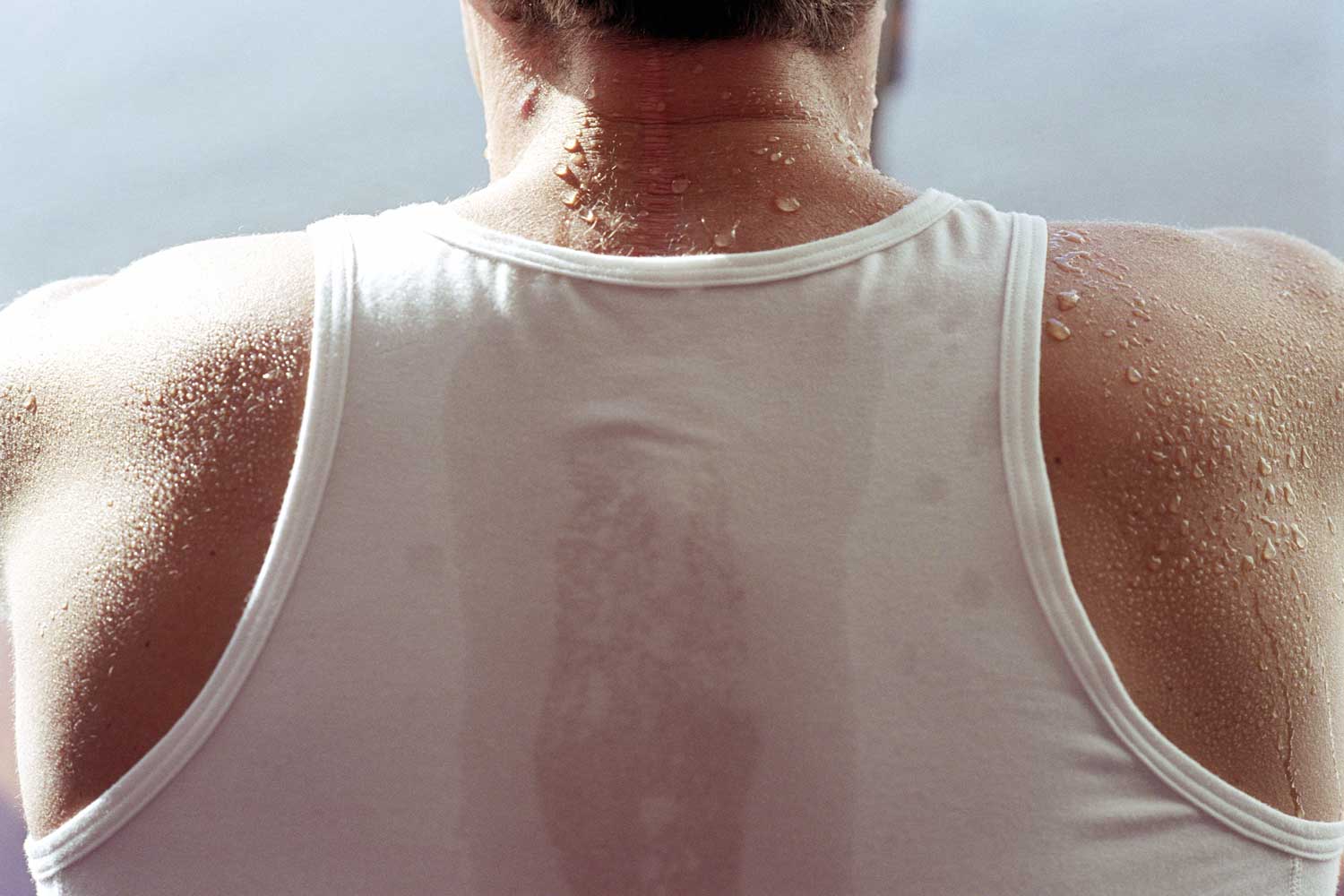
Yeast loves environments that are warm, damp, and dark. Exercise naturally creates these conditions. When you sweat, especially in areas like your groin, underarms, and under the breasts, your gym clothes can trap moisture against your skin.
Synthetic fabrics, such as polyester, nylon, or spandex, are popular in gym wear because they stretch and wick sweat. But not all synthetics are the same. Some trap moisture instead of letting it evaporate. This makes it easier for yeast to grow.
Tight Clothing And Friction
Tight leggings, shorts, and underwear can cause friction and block airflow. When air can’t circulate, your skin stays warmer and wetter for longer. This is especially true for clothes that hug the groin or buttocks.
Friction from tight clothing can also damage your skin’s surface. Even tiny scratches or irritation make it easier for Candida to invade and multiply.
Wearing Clothes For Too Long
Many people go to the gym, sweat a lot, and then stay in their workout gear for hours. Maybe you run errands or sit in the car before changing or showering. The longer your skin stays wet and compressed, the higher your risk of a yeast infection.
Common Gym Clothes That Increase Risk
Certain items are more likely to create the perfect environment for yeast:
- Tight yoga pants or leggings: Especially those made from non-breathable materials.
- Compression shorts or underwear: These squeeze and trap moisture.
- Sports bras: If not changed often, sweat collects under the breasts.
- Synthetic underwear: Holds moisture close to the skin.
- Seamless or shapewear items: Often made of thick, non-ventilated materials.
Let’s compare different types of gym clothes and their risks.
| Clothing Item | Material | Risk Level (Low/Medium/High) |
|---|---|---|
| Loose cotton shorts | Cotton | Low |
| Tight leggings | Polyester/Spandex | High |
| Compression underwear | Nylon/Elastane | High |
| Breathable sports bra | Moisture-wicking | Medium |
| Shapewear | Thick synthetic | High |
Factors That Make Yeast Infections More Likely
Personal Hygiene
Not showering or changing after workouts lets sweat and bacteria stay on your skin, making infections more likely.
Laundry Habits
Washing gym clothes with gentle soap and hot water helps remove sweat, bacteria, and yeast. Reusing unwashed gear increases your risk.
Body Type And Skin Folds
People with more skin folds, such as under the breasts or in the groin, may have more trouble keeping these areas dry. This can happen to anyone—regardless of size—because folds create natural traps for heat and moisture.
Hormonal Changes
Hormones can change the body’s balance of bacteria and yeast. For example, women who are pregnant, using birth control, or just before their period may be more sensitive to the effects of tight, sweaty clothing.
Medical Conditions
People with diabetes or weakened immune systems (such as from medications or illness) have a higher risk because their bodies can’t fight off yeast as easily.
Specific Problems For Women
Women are more likely to get yeast infections in the vagina and vulva. Gym clothes can make this worse by:
- Trapping sweat near the genitals
- Holding in body heat
- Causing chafing or micro-tears in sensitive skin
Wearing tight or damp underwear under workout gear increases the risk even more.
Can Men Get Yeast Infections From Gym Clothes?
Yes, men can develop yeast infections, especially in the groin area (sometimes called "jock itch"). Tight, non-breathable shorts or underwear and not changing out of sweaty clothes are common causes.
Symptoms for men include:
- Itching or redness in the groin or thighs
- Burning
- Rash or flaking skin
The Science Behind Clothing And Yeast Growth
Research shows that moisture, warmth, and lack of airflow all help yeast grow. In a lab, Candida grows quickly when kept in a humid, hot environment. Synthetic fabrics, especially those that don’t wick away sweat, can hold water against your skin for hours.
A study published in a medical journal found that women who wore tight jeans and synthetic underwear had a higher rate of vaginal yeast infections than those who wore loose, cotton underwear. Another report noted that athletes who stayed in workout clothes for long periods had more skin infections, including those caused by yeast.
How To Choose Gym Clothes To Lower Your Risk
1. Pick The Right Fabric
Cotton is soft and breathable, so it lets air in and absorbs moisture. But it can also get very wet and stay damp. Modern moisture-wicking fabrics (like special treated polyester or blends) are designed to pull sweat away from your skin, which helps it evaporate. Not all “moisture-wicking” claims are equal, so check for reviews or recommendations.
2. Go For Looser Fits
Loose-fitting shorts, pants, and tops let air flow around your body, drying sweat and cooling your skin. Tight clothing should be worn only when needed for support, and not for long periods.
3. Change Quickly
Don’t stay in sweaty clothes after your workout. Bring a change of clothes for after your session—even changing underwear and sports bra can make a big difference.
4. Wash Gear After Each Use
Wash your gym clothes in hot water with a gentle detergent. Don’t leave them in your gym bag for days. Letting damp clothes sit allows yeast and bacteria to multiply.
5. Choose The Right Underwear
Wear cotton underwear under your gym clothes, or choose moisture-wicking underwear made for sports. Avoid thongs or seamless underwear if they are made from thick or non-breathable materials.
Credit: menshealth.com.au
Example: Comparing Fabrics For Gym Clothes
Here’s how different materials handle sweat and moisture:
| Fabric | Breathability | Moisture Handling | Risk of Yeast Growth |
|---|---|---|---|
| Cotton | High | Absorbs, dries slowly | Medium |
| Basic Polyester | Low | Traps moisture | High |
| Moisture-wicking Polyester | Medium | Wicks and dries fast | Low |
| Nylon/Spandex | Low | Traps moisture | High |
| Bamboo | High | Absorbs, dries fast | Low |
Practical Tips To Prevent Yeast Infections From Gym Clothes
- Change out of gym clothes right after your workout.
- Take a shower as soon as possible, using a gentle soap.
- Dry yourself well, especially in skin folds.
- Wear clean, dry, breathable underwear every time.
- Rotate your gym clothes—don’t reuse unwashed items.
- Keep a spare set of clothes in your gym bag.
- Use an antifungal powder or spray in problem areas if you sweat a lot.
- Let your gym shoes and gear air out fully between uses.
- Avoid sitting around in wet clothes, even if you don’t feel sweaty.
- If you use a gym towel, wash it often.
When To See A Doctor
Most mild yeast infections can be treated at home with over-the-counter creams or suppositories. But see a doctor if:
- Symptoms last more than a few days
- You have severe pain, swelling, or fever
- The infection keeps coming back
- You notice unusual discharge or odor
Chronic or severe infections may need prescription medicine. Don’t ignore repeated infections—sometimes they signal other health issues, such as diabetes.
Myths And Misunderstandings
“only Women Get Yeast Infections From Gym Clothes.”
Not true. Men can get yeast infections, especially in the groin or underarms, from the same causes as women.
“natural Fabrics Are Always Best.”
Cotton is good, but some modern synthetic blends are better at keeping you dry. The key is how well the fabric wicks moisture and lets air in.
“you Can’t Get An Infection From Clean Clothes.”
Even clean, tight clothes can cause problems if they don’t breathe. The risk comes from heat, friction, and trapped moisture—not just germs.
“it’s Only A Problem If You Sweat A Lot.”
Even light sweating can cause yeast to grow if your clothes stay damp and tight. Some people sweat more than they realize, especially during intense workouts.
Yeast Infections And Other Skin Problems
Yeast isn’t the only thing that likes warm, damp conditions. Gym clothes can also cause or worsen:
- Bacterial infections (like folliculitis)
- Fungal infections (like ringworm or athlete’s foot)
- Heat rash
- Chafing and irritation
Good clothing and hygiene can help prevent all of these.
Real-world Example
Jenna, a marathon runner, noticed she started getting itchy, red patches under her sports bra and in her groin after long runs. She realized she was wearing tight, synthetic workout gear for hours—even on the drive home. Once she switched to moisture-wicking clothes, changed right after exercise, and used a powder, her symptoms went away.
Her story shows that simple changes can make a big difference.
Credit: my.clevelandclinic.org
What Most People Miss
Many gym-goers focus only on “breathable” fabrics and ignore fit. Even the best fabric can cause problems if it’s too tight or doesn’t allow air to circulate. Another common mistake is wearing underwear under compression shorts—this doubles up on tightness and moisture trapping.
Also, many people wash their gym clothes with heavy fabric softeners. These can leave residues that reduce the fabric’s ability to wick moisture, making them less effective over time.
Quick Guide: Do’s And Don’ts For Gym Wear
Do:
- Choose moisture-wicking, breathable fabrics
- Change and shower soon after workouts
- Dry all areas of your skin thoroughly
- Wash clothes after every use
Don’t:
- Stay in sweaty clothes for long
- Layer tight clothing over non-breathable underwear
- Rely only on “natural” fabrics without checking fit
- Forget to clean your gym bag and shoes

Credit: www.uhhospitals.org
Comparing Popular Gym Clothes Brands
Some brands focus on breathability and moisture control, while others prioritize style or compression. Here’s how they stack up:
| Brand | Key Feature | Moisture Control | Best For |
|---|---|---|---|
| Under Armour | Moisture-wicking tech | Excellent | High-sweat workouts |
| Nike | Dri-FIT fabric | Very Good | Running, gym |
| Lululemon | Soft, breathable blends | Good | Yoga, low-impact |
| Adidas | Aeroready tech | Very Good | All-round |
| Generic Cotton | Natural fiber | Average | Light activity |
Lifestyle Choices That Help
- Stay hydrated to keep your sweat less concentrated.
- Choose gym times when it’s cooler, or exercise indoors.
- Bring body wipes or powder for quick freshening up.
- If you often get infections, talk to your doctor about prevention.
The Bottom Line
Gym clothes alone don’t “cause” yeast infections, but the wrong clothing and habits can create perfect conditions for yeast to grow. By choosing the right gear, practicing good hygiene, and making small changes, you can reduce your risk and focus on your fitness journey—not discomfort or infections.
If you ever notice symptoms, act quickly and don’t be embarrassed to get medical advice. Your comfort and health should always come first.
For more information on yeast infections and prevention, see this CDC resource.
Frequently Asked Questions
What Are The First Signs Of A Yeast Infection From Gym Clothes?
The most common signs are itching, redness, and a rash in areas where clothing fits tightly or where sweat collects. For women, unusual discharge or burning in the genital area can also be a sign.
Can I Still Wear Leggings If I’m Prone To Yeast Infections?
You can, but choose moisture-wicking, breathable leggings and avoid wearing them for long periods after exercise. Change and shower as soon as possible to reduce your risk.
Is It Better To Go Without Underwear During Workouts?
For some, wearing no underwear under gym clothes lets sweat dry faster. For others, soft cotton or moisture-wicking underwear offers extra protection. Try both and see what feels best for your body.
Do Men Need To Worry About Yeast Infections From Gym Clothes?
Yes. Men can get yeast infections in the groin, buttocks, or underarms from sweaty, tight gym clothes. The same prevention tips apply: wear breathable fabrics, change quickly, and keep skin dry.
Will Using Powder Or Antifungal Spray Help?
Yes, using a body powder or antifungal spray on areas that sweat a lot can help keep skin dry and lower your risk of infection—especially if you’re prone to problems or work out often.
With these tips and insights, you can enjoy your workouts in comfort and confidence—without worry about yeast infections.
