

Can Gym Clothes Cause Yeast Infection? What You Need to Know
Can Gym Clothes Cause Yeast Infection
Many people love working out. Exercise makes you stronger, reduces stress, and improves health. But have you ever felt itchy or uncomfortable after wearing your gym clothes for a long time? Some people wonder if their gym wear could be causing more than just sweat. They ask: can gym clothes cause yeast infection? This is not just a random worry. In fact, the clothes you choose for your workouts, and how you use them, can affect your body's natural balance.
Let’s look closely at how gym clothes, sweat, and other habits may increase the risk of yeast infections. We’ll also explore how to lower your risk, what signs to watch for, and bust some common myths. By the end, you’ll know how to stay comfortable, healthy, and confident every time you hit the gym.
What Is A Yeast Infection?
A yeast infection is an overgrowth of yeast, usually a fungus called Candida albicans. This fungus lives naturally on your skin, mouth, and genitals. Normally, it doesn’t cause problems. But when the balance of bacteria and yeast is disturbed, yeast can grow quickly and cause infection.
Common symptoms include:
- Itching and irritation
- Redness and swelling
- Thick white or yellow discharge (especially for vaginal yeast infections)
- Burning during urination or sex
Both men and women can get yeast infections, but they are more common in women, especially in the vaginal area. Men can get them on the penis, groin, and other moist skin folds.
How Yeast Infections Develop
Yeast likes warm, moist environments. When your body stays too warm and sweaty, yeast can multiply fast. Normally, “good” bacteria keep yeast under control. But certain things can upset this balance, such as:
- Wearing tight, non-breathable clothes
- Antibiotic use
- High blood sugar
- Hormonal changes
- Weak immune system
That’s why many people notice yeast infections after workouts, swimming, or hot weather. Sweat and heat create the perfect spot for yeast to grow.
Why Gym Clothes Can Increase Yeast Infection Risk
The clothes you wear during exercise can play a big role in your risk for yeast infections. Here’s why:
1. Moisture Trapping
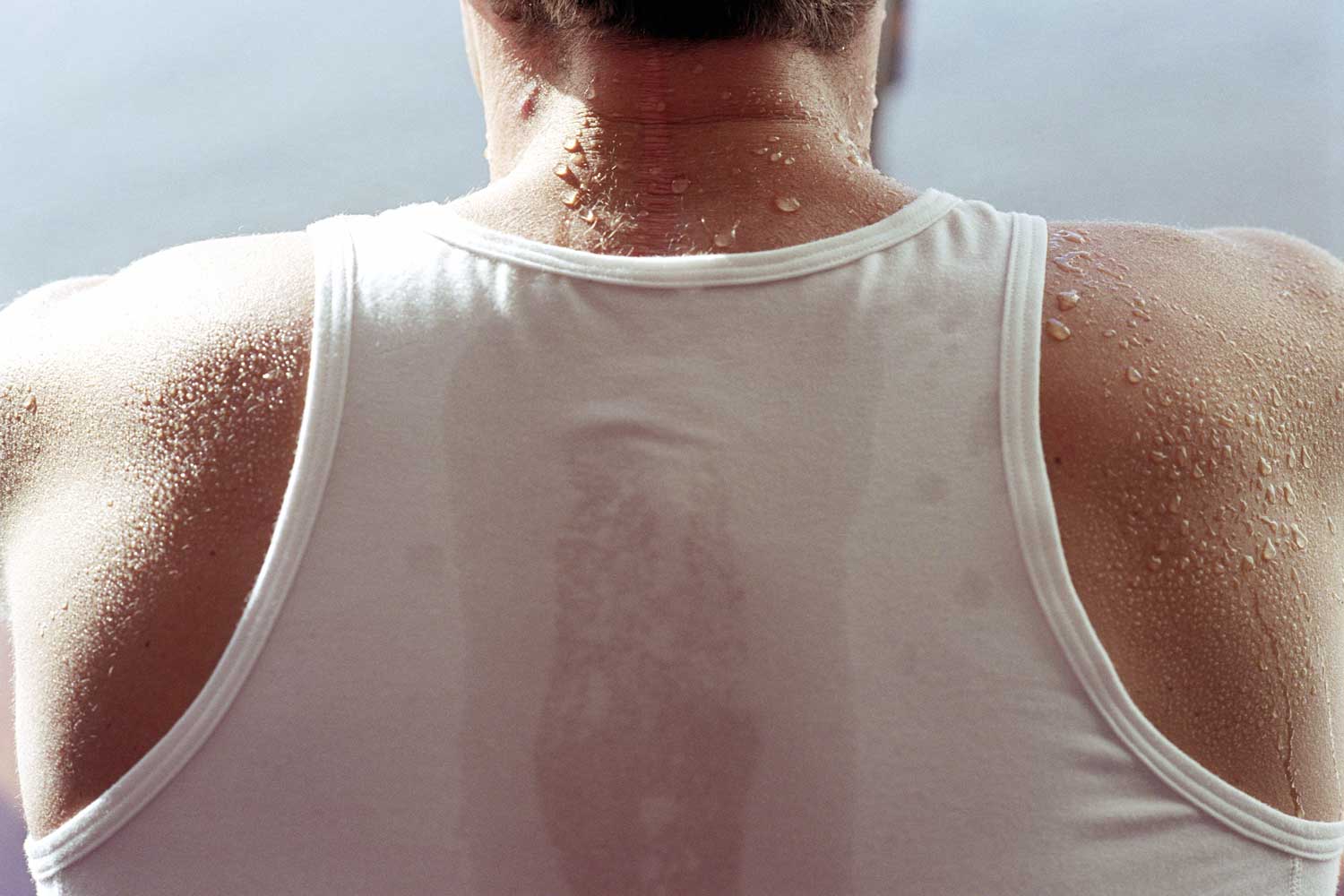
Many gym clothes are made from synthetic fabrics. These materials, like polyester and nylon, may keep sweat on your skin instead of letting it evaporate. This creates a damp environment that yeast loves.
2. Tight Fit
Tight leggings, underwear, or shorts can trap heat and moisture, especially in the groin area. This gives yeast the chance to grow out of control. Loose clothes, in contrast, allow air to move and sweat to dry.
3. Extended Wear
If you stay in your gym clothes for hours after working out, you give yeast more time to multiply. The longer your skin stays damp and warm, the higher the risk.
4. Friction And Irritation
Tight gym clothes can cause rubbing and small injuries to your skin. Damaged skin is more likely to get infected by yeast or bacteria.
5. Shared Equipment And Towels
Using shared mats, seats, or towels at the gym can transfer yeast or bacteria to your skin, especially if you already have tiny cuts from shaving or friction.
Comparing Gym Clothing Materials
Some fabrics make yeast infections more likely. Others help keep your skin dry and healthy. Here’s how some common gym clothes materials compare:
| Material | Moisture Control | Breathability | Yeast Infection Risk |
|---|---|---|---|
| Cotton | Low (holds moisture) | High | Medium |
| Polyester | Medium | Low | High |
| Nylon | Medium | Low | High |
| Bamboo | High | High | Low |
| Merino Wool | High | High | Low |
Non-obvious insight: Many people believe that cotton is always best. But cotton holds sweat close to the skin, which can make things worse if you sweat a lot. Choosing moisture-wicking fabrics like bamboo or merino wool is a smarter move.
Gym Habits That Affect Yeast Infection Risk
Your habits matter as much as your clothing choices. Here are some common gym routines that can increase or lower your risk:
Changing Clothes Quickly
Staying in sweaty gym clothes, even for an hour, gives yeast a better chance to grow. Changing into dry clothes as soon as possible helps your skin stay healthy.
Showering After Workouts
A quick shower removes sweat, yeast, and bacteria from your skin. Use gentle, unscented soap to avoid irritation.
Choosing The Right Underwear
Wearing breathable underwear made from cotton, bamboo, or moisture-wicking blends can make a big difference. Avoid thongs or tight styles during workouts.
Washing Clothes Properly
Dirty gym clothes can hold yeast, bacteria, and other germs. Wash your clothes after every workout using hot water, if possible. Dry clothes completely before wearing again.
Avoiding Scented Products
Perfumes, scented pads, or powders can upset the balance of bacteria and yeast, making infection more likely.
Personal Towels And Mats
Bring your own towel and yoga mat to the gym. Shared items may carry yeast or bacteria from other people.
Who Is Most At Risk?
Anyone can get a yeast infection, but some people are at higher risk, especially after exercise:
- Women, especially those who sweat a lot in the groin area
- People who wear tight, non-breathable clothes
- Those with diabetes or high blood sugar
- Anyone taking antibiotics
- People with weakened immune systems
- Pregnant women (hormonal changes increase risk)
Credit: menshealth.com.au
Signs You May Have A Yeast Infection
It’s easy to confuse yeast infections with other skin problems, like heat rash or bacterial infections. Here’s what to watch for:
- Intense itching in the groin, buttocks, or genital area
- Red, swollen skin with or without a rash
- Thick, white discharge (vaginal or penile)
- Burning or pain during urination or sex
- Cracked skin or small sores
If you have these symptoms, it’s important to see a doctor. They can confirm if it’s a yeast infection and recommend the right treatment.
How Long Does It Take For Gym Clothes To Cause Infection?
There’s no set time for how fast a yeast infection develops. For some people, a few hours in sweaty, tight clothes may be enough. For others, it might take several days of repeated exposure. Factors like genetics, hygiene, and immune system strength play a big role.
Non-obvious insight: Some people get yeast infections often, while others rarely do, even with similar habits. This is because everyone’s skin and microbiome are unique.
How To Prevent Yeast Infections From Gym Clothes
Taking simple steps can help you avoid yeast infections, even if you exercise often.
1. Choose The Right Fabrics
Pick moisture-wicking materials for both underwear and gym clothes. These fabrics pull sweat away from your skin and help it evaporate.
2. Wear Loose Clothes
Tight leggings or shorts might look good, but they trap heat and moisture. Try looser options, especially if you’re prone to infections.
3. Change Quickly
Always bring a change of clothes to the gym. Remove sweaty clothes as soon as your workout ends.
4. Shower Promptly
Wash your body with gentle soap after workouts. Pat your skin dry—don’t rub hard, as this can cause small injuries.
5. Wash Gym Clothes After Every Use
Don’t reuse sweaty gym clothes. Wash them in hot water and dry them completely.
6. Avoid Scented Feminine Products
Scented sprays, powders, and wipes can upset your body’s natural balance. Stick with unscented, gentle products.
7. Take Care With Hair Removal
Shaving or waxing the groin area can create small cuts. If you remove hair, wait until the skin has healed before exercising.
8. Manage Sweat
If you sweat a lot, use a clean towel to pat dry during your workout. This reduces moisture buildup.
9. Monitor Your Health
If you often get yeast infections, check for other causes like high blood sugar, antibiotics, or hormonal changes. Discuss with your doctor if needed.
What To Do If You Get A Yeast Infection
If you suspect a yeast infection after wearing gym clothes, here’s what to do:
- See a doctor: A doctor can confirm the infection and rule out other causes.
- Use prescribed treatments: Most yeast infections respond well to antifungal creams, pills, or suppositories.
- Keep the area clean and dry: Change clothes often and avoid tight outfits while healing.
- Avoid irritants: Skip scented products or harsh soaps until your skin recovers.
- Finish treatment: Complete the full course of medicine, even if you feel better early.
Yeast Infection Vs. Other Common Gym Rashes
Yeast infections are not the only skin problem linked to gym clothes. Here’s how some common issues compare:
| Condition | Main Cause | Symptoms | How to Tell Apart |
|---|---|---|---|
| Yeast Infection | Candida fungus | Itching, redness, white discharge | Thick discharge, intense itch |
| Heat Rash | Blocked sweat glands | Red bumps, mild itch | No discharge, clears quickly |
| Jock Itch (Tinea cruris) | Ringworm fungus | Ring-shaped rash, peeling | Edges of rash raised, scaly |
| Bacterial Infection | Bacteria entering cuts | Red, swollen, warm skin | Pus, pain, fever possible |
Tip: If you’re not sure what kind of rash you have, or if it’s not getting better, see your doctor.
Myths And Truths About Gym Clothes And Yeast Infections
There are many myths about yeast infections. Let’s clear up some confusion:
Myth: Only Women Get Yeast Infections From Gym Clothes
Truth: Men can get yeast infections too, especially in moist areas like the groin and underarms.
Myth: Cotton Is Always Best
Truth: Cotton is breathable but holds moisture. For very sweaty workouts, moisture-wicking fabrics are better.
Myth: You Can “catch” Yeast Infections From Other People’s Clothes
Truth: Yeast infections are not considered sexually transmitted. But sharing damp towels or clothes can spread fungi and bacteria, increasing your risk.
Myth: Showering With Scented Soap Prevents Infections
Truth: Scented soaps can irritate skin and upset its natural balance. Use unscented, gentle soaps instead.
Myth: Only Dirty Clothes Cause Infections
Truth: Even clean, tight gym clothes can cause problems if they trap sweat against your skin.
When To See A Doctor
Most mild yeast infections respond well to over-the-counter treatments. But you should see a doctor if:
- Symptoms last more than a week
- You get infections often
- Over-the-counter creams don’t help
- You have severe pain, fever, or large sores
A doctor can test for other problems, like bacterial infections or sexually transmitted diseases.
Real-world Examples And Research
Many athletes and regular gym-goers have reported more yeast infections after changing workout routines or trying new gym clothes. Studies show that people who wear tight sportswear, especially those made from synthetic materials, are more likely to get skin infections.
One well-known study found that women who wore tight, non-breathable sports leggings for hours after exercise had almost double the risk of vaginal yeast infections compared to those who changed quickly and wore looser clothes.
Another example: swimmers who stayed in damp swimsuits for long periods also had higher rates of yeast infections. The takeaway? Dry, breathable clothing and good hygiene really matter.
How To Choose Yeast Infection-safe Gym Clothes
Here’s a quick guide for picking the best gym clothes to prevent yeast infections:
- Look for moisture-wicking labels
- Choose fabrics like bamboo, merino wool, or technical blends
- Pick looser fits for pants and underwear
- Avoid wearing gym clothes for long periods after exercise
- Wash gym clothes after each use
- If you’re prone to infections, consider bringing a spare set of underwear to change into after workouts
Summary Table: Best And Worst Gym Clothes For Yeast Infection Prevention
| Clothing Item | Best Choice | Worst Choice | Why |
|---|---|---|---|
| Underwear | Moisture-wicking, breathable | Tight, synthetic, non-breathable | Airflow and dryness reduce risk |
| Leggings/Shorts | Loose, technical fabrics | Skin-tight, polyester | Less heat and moisture buildup |
| Socks | Merino wool, bamboo | Cotton, nylon | Dry feet prevent fungal growth |
| Sports Bras | Moisture-wicking, breathable | Thick, padded, non-breathable | Dryness lowers skin infections |
Practical Tips For Staying Yeast Infection-free
- Bring a change of clothes and underwear to the gym
- Choose breathable, moisture-wicking fabrics
- Shower and dry off soon after workouts
- Avoid sharing towels or mats
- Wash gym clothes in hot water after every use
- Skip scented products near the groin area
- If you’re prone to infections, talk to your doctor about extra prevention strategies
Frequently Asked Questions

Credit: my.clevelandclinic.org
Can Men Get Yeast Infections From Gym Clothes?
Yes, men can also get yeast infections, especially in areas where skin stays moist and warm, like the groin, buttocks, or underarms. Tight, sweaty clothes increase the risk. Men should also change out of damp gym wear quickly and keep skin clean and dry.
How Long Can You Safely Wear Gym Clothes After Working Out?
It’s best to change out of gym clothes within 30 minutes after your workout. The longer you stay in sweaty clothes, the higher your risk for yeast and other skin infections. If you can’t shower right away, at least change into dry clothes as soon as possible.

Credit: www.uhhospitals.org
What Are The Best Fabrics To Prevent Yeast Infections?
The best fabrics are moisture-wicking and breathable, such as bamboo, merino wool, or technical blends made for activewear. These materials pull sweat away from your skin and dry fast, creating an environment that is less friendly for yeast.
Does Wearing Underwear Under Gym Leggings Help Or Hurt?
It depends on the type of underwear. Breathable, moisture-wicking underwear can help absorb sweat and reduce friction. But tight, synthetic, or non-breathable underwear can trap moisture and increase risk. If you prefer to go without, make sure your leggings are clean and made from breathable fabric.
Are Yeast Infections Contagious At The Gym?
Yeast infections themselves are not considered contagious like the common cold. But sharing towels, mats, or clothes with someone who has a yeast infection can transfer the yeast, especially if you have cuts or irritated skin. Always use your own gym items and wash them well.
Keeping your skin healthy at the gym is not just about looking good—it’s about choosing smart habits and clothes that protect your body. If you want to read more about the science behind yeast infections, you can check this CDC resource for trusted information.
Yeast infections can be annoying, but they are preventable. With the right gym clothes, good hygiene, and a little extra care, you can exercise confidently and keep your skin happy.
