

Can Flare Pants Be Altered? Expert Tips for Perfect Fit
Flare pants have become a fashion staple, blending vintage style with modern flair. If you own flare pants that don’t fit perfectly or want to change their look, you might wonder if they can be altered. The answer is yes, but there are important things to consider before you start. Many people want their clothes to fit just right, and flare pants are no exception. Altering them can make them look and feel much better, but the process is different from straight or skinny pants.
This guide will help you understand everything about altering flare pants. You’ll learn what changes are possible, how to find the right tailor, and what mistakes to avoid. We’ll share practical tips, real examples, and clear advice so you can decide if altering your flare pants is the right move.
Whether you want to shorten, taper, or adjust the waist, you’ll find answers here.
What Makes Flare Pants Unique
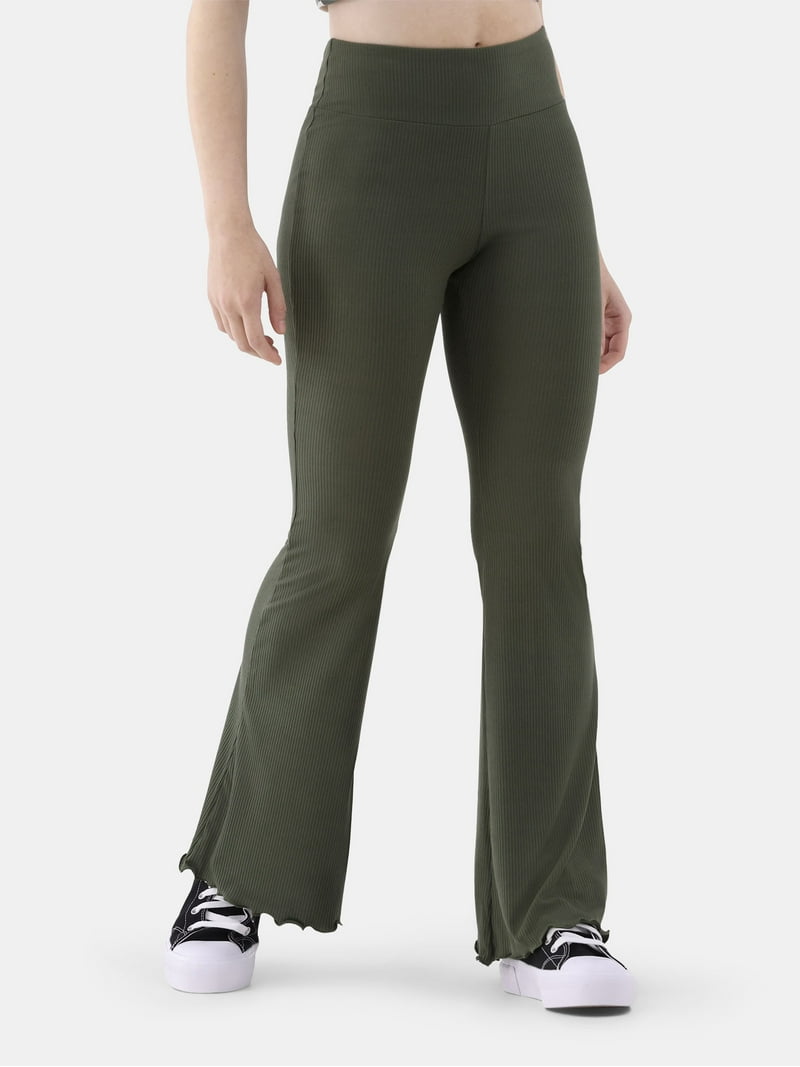
Flare pants stand out because of their wide leg opening. The leg starts narrow at the thigh and then expands out from the knee, creating a dramatic shape. This design is popular in fashion for its retro look and flattering silhouette. Unlike straight or skinny pants, the flare shape adds movement and style.
The unique cut of flare pants affects how they can be altered. If you change the width or length, you might impact the overall shape. For example, shortening flare pants too much can make them lose their “flare. ” Adjusting the waist or hips is usually easier, but changing the leg shape needs skill.
Here are the main features of flare pants:
- Wide leg opening at the bottom
- Fitted waist and hips
- Flare starts at the knee or lower thigh
- Often made from stretchy or non-stretch fabrics
- Can be high-waisted, mid-rise, or low-rise
Understanding these features helps you see why altering flare pants is different from altering other styles.
Types Of Alterations For Flare Pants
There are several ways to alter flare pants. Each type of change serves a specific purpose and needs careful attention to maintain the style.
1. Hemming
Hemming is the most common alteration. If your flare pants are too long, you can shorten them. But the process is not as simple as with straight pants. Because of the wide leg, the tailor must keep the original flare shape. If the pants are shortened too much, the flare can look less dramatic or disappear.
Hemming Tips:
- Ask the tailor to keep the same width at the bottom.
- Wear the shoes you plan to use with the pants when measuring length.
- For pants with a finished edge or special hem, request a “original hem” to maintain the look.
- If shortening by more than a few inches, check where the flare begins so it’s not lost.
2. Tapering
Tapering means making the legs narrower. Some people want less flare or a more modern look. Tapering flare pants is tricky because changing the width affects the silhouette.
Tapering Tips:
- Decide how much flare you want to keep.
- Show your tailor a picture of the desired shape.
- Tapering should start from the knee down, not the thigh, to keep the fit balanced.
- Be careful: Too much tapering can turn flare pants into bootcut or straight pants.
3. Waist And Hip Adjustments
Adjusting the waist or hips is possible and often needed for a better fit. This is a common alteration for all pants, including flare styles.
Waist/hip Adjustment Tips:
- Make sure the tailor works only on the waistband and hip area.
- If the pants have a high waist, check if the alteration affects the rise.
- Always try on the pants after pinning to check the comfort.
4. Taking In Or Letting Out
Sometimes flare pants are too tight or too loose. Taking in means making them smaller; letting out means making them bigger. Both can be done if there is enough fabric in the seams.
Take In/let Out Tips:
- Check the inside seams for extra fabric (“seam allowance”).
- Not all pants have enough allowance for letting out.
- Taking in must be done evenly on both sides to keep the flare balanced.
5. Adding Details
Some people want to add pockets, decorative stitching, or change the closure. These are more advanced alterations but possible with the right tailor.
Adding Details Tips:
- Discuss your ideas with the tailor.
- Make sure new pockets or details match the style of the pants.
- Decorative changes can alter the look, so plan carefully.
How Altering Flare Pants Differs From Other Styles
Altering flare pants is not the same as altering skinny, straight, or bootcut pants. The flare shape makes every change affect the overall look. For example, shortening skinny pants does not impact the leg shape, but with flare pants, the wide opening can be lost.
Let’s compare how alterations work for different styles:
| Pant Style | Hemming Difficulty | Tapering Impact | Waist Adjustment |
|---|---|---|---|
| Flare | Medium/High | High (changes silhouette) | Easy |
| Skinny | Easy | Low (minor change) | Easy |
| Straight | Easy | Medium | Easy |
| Bootcut | Medium | Medium/High | Easy |
As you can see, flare pants need more attention, especially for hemming and tapering. The wide leg means every change can be very visible.
Choosing The Right Tailor
Not all tailors are experienced with flare pants. It’s important to find someone who understands the style and knows how to keep the original look.
Here are steps to choose a good tailor:
- Ask for experience: Find out if the tailor has worked with flare pants before.
- Check reviews: Look for feedback from other customers.
- Request a consultation: Bring your pants and discuss your ideas.
- See samples: Ask to see before-and-after photos of similar alterations.
- Confirm price and time: Make sure you know the cost and how long it will take.
A skilled tailor will ask you about your preferred fit, shoes, and style. They’ll check the fabric, seams, and flare shape before starting.
What Can And Cannot Be Changed
Some alterations are easy, while others are difficult or not possible. Here’s a breakdown:
Easy Alterations
- Hemming (if only a small length is removed)
- Waist and hip adjustments
- Taking in the sides
Difficult Alterations
- Shortening by more than 3-4 inches (may lose flare)
- Tapering the legs (risk losing original shape)
- Adding details to thick or stretchy fabrics
Impossible Alterations (in Most Cases)
- Making flare pants wider (unless you add extra fabric)
- Changing fabric type (cotton to denim, etc.)
- Moving the flare up or down (needs complete reconstruction)
If you’re not sure, ask your tailor before deciding.
Step-by-step Guide To Altering Flare Pants
If you want to alter flare pants, follow these steps for the best result:
Step 1: Decide What You Want
Think about why you want to alter your pants. Is it for length, fit, or style? Make a list of changes you want.
Step 2: Find A Tailor
Look for a local tailor with experience. Bring your flare pants and discuss your ideas.
Step 3: Try On And Pin
Put on the pants. The tailor will pin or mark where changes are needed. Wear the shoes you plan to use.
Step 4: Confirm Details
Agree on the length, width, and any extra changes. Ask how the original flare will be kept.
Step 5: Alteration
The tailor does the work. This can take a few days to a week, depending on the complexity.
Step 6: Fitting
Try on the pants after alteration. Check if the fit and flare are right. If not, ask for adjustments.
Step 7: Final Touches
Some pants need pressing or finishing after changes. Make sure everything looks neat.

Credit: americantall.com
Common Mistakes To Avoid
Many people make mistakes when altering flare pants. Avoid these problems for a better result.
- Shortening too much: This can make flare pants look straight or lose their style.
- Tapering too aggressively: Reduces the flare and changes the silhouette.
- Ignoring fabric type: Stretchy fabrics need special handling.
- Not wearing shoes for measuring: The length can be wrong without your preferred shoes.
- Choosing inexperienced tailors: Not all tailors know how to keep the flare.
Here are extra mistakes beginners often overlook:
- Not checking seam allowance: Without enough fabric, letting out is impossible.
- Altering pants with decorative hems: Some designs cannot be recreated easily.
Real Examples Of Flare Pants Alterations
Let’s look at a few real situations to understand how flare pants are altered.
Example 1: Shortening Flare Pants
A customer bought flare pants that were too long. She wanted to shorten them but keep the dramatic flare. The tailor measured the length with her favorite shoes and used an original hem technique. Only 2 inches were removed, so the flare stayed intact.
The pants looked stylish and fit well.
Example 2: Tapering Flare Pants
Another person wanted less flare and a slimmer look. The tailor started tapering from the knee down, keeping some flare but reducing the width. The result was a subtle bootcut style that was easier to wear daily.
Example 3: Waist Adjustment
A customer’s flare pants fit well in the legs but were loose at the waist. The tailor took in the waistband and hips without affecting the flare. This simple change improved comfort and style.
Example 4: Taking In Both Sides
A pair of vintage flare pants was too wide overall. The tailor took in both side seams evenly to keep the shape. The pants fit better without losing the original flare.
Example 5: Adding Decorative Stitching
One person wanted to add unique stitching to the pockets and hem. The tailor matched the thread color and style to the pants. The new details made the pants stand out without changing the fit.
Flare Pants Alterations: Costs And Time
The price and time for altering flare pants depend on the type of change, fabric, and tailor’s skill.
Here’s a comparison:
| Alteration | Average Cost | Time Needed |
|---|---|---|
| Hemming | $15–$40 | 1–3 days |
| Tapering | $25–$60 | 3–7 days |
| Waist/Hip Adjustment | $20–$50 | 2–5 days |
| Adding Details | $30–$70 | 5–10 days |
These prices are averages. Some cities and high-end tailors charge more. Complex changes (like tapering and adding details) cost extra and take longer.
Diy Vs. Professional Alterations
Some people try to alter flare pants at home. This can save money, but is only recommended for simple changes like hemming.
Diy Hemming
If you have basic sewing skills, you can shorten flare pants. Use matching thread and measure carefully. Keep the original width at the bottom.
Diy Risks
- Making uneven hems
- Losing the flare shape
- Damaging the fabric
For complex changes like tapering or waist adjustments, professional help is best.
Credit: www.walmart.com
Fabric And Construction Considerations
Flare pants come in many fabrics: denim, cotton, polyester, stretch blends, and more. Each fabric needs a different approach.
Denim
Denim flare pants need strong needles and matching thread. Keeping the original hem is important for the look.
Stretch Fabrics
Stretchy flare pants require special stitches to keep the fabric flexible. Normal sewing can make the pants too tight or cause stitches to break.
Thick Fabrics
Heavy fabrics are harder to alter. They need strong machines and careful handling.
Decorative Elements
If the pants have beads, embroidery, or special hems, alterations are more complex. Removing and reattaching details takes extra time.
Style And Fashion Impact
Altering flare pants can change their style. If you shorten or taper them, the retro vibe may become more modern. Waist changes can make them fit better, but the overall look stays the same.
If you plan to wear flare pants for a special occasion or as a fashion statement, discuss your style goals with the tailor. Show photos or describe your preferred look.
Fashion experts say flare pants are popular because they flatter many body types. Altering them to fit your shape can make you look taller, slimmer, and more stylish. But keep the original design in mind.

Credit: studentaffairs.uga.edu
Sustainability And Alterations
Altering clothes is a sustainable choice. Instead of buying new pants, changing your old flare pants saves money and reduces waste. Many people now choose alterations to support eco-friendly fashion.
Alterations also let you keep favorite pieces longer. Vintage flare pants can be updated for modern fits. This is a smart way to use what you already have.
According to Wikipedia, clothing alterations are an important part of sustainable fashion, helping reduce textile waste and promote reuse.
Non-obvious Insights About Flare Pants Alterations
Many beginners miss these important points:
- The position of the flare matters: If the flare starts too high, hemming will make pants look awkward. Always check where the flare begins before altering.
- Original hem technique: Keeping the original hem maintains the factory look, especially for denim pants. This makes the alteration look professional.
Another insight is that fabric shrinkage after washing can affect the fit. Always wash pants before altering to prevent post-alteration changes.
How To Maintain Altered Flare Pants
After alteration, care for your pants so they last longer.
- Wash gently: Use cold water and mild detergent.
- Avoid high heat: Hot dryers can shrink fabric and change the fit.
- Iron carefully: Use the right heat for your fabric.
- Store properly: Hang flare pants to keep their shape.
If you notice loose stitches or changes in fit, return to your tailor for a quick fix.
When Not To Alter Flare Pants
Sometimes, altering flare pants is not the best choice.
- If the pants are too damaged or worn, alterations may not help.
- If the flare starts too high and you need to shorten a lot, the style will be lost.
- If there is not enough seam allowance, letting out is impossible.
In these cases, consider buying a new pair or finding pants that fit better.
Final Thoughts On Altering Flare Pants
Flare pants can be altered, but the process needs skill and care. Hemming, tapering, and waist adjustments are possible, but always check the flare shape and fabric type. Choose a tailor who understands the style, or try simple changes at home if you have experience.
Alterations can make flare pants fit better, look more stylish, and last longer. They are a sustainable choice for fashion lovers. Avoid common mistakes, plan carefully, and enjoy your new look.
Frequently Asked Questions
Can All Flare Pants Be Altered?
Most flare pants can be altered, but it depends on the fabric, construction, and how much change is needed. Some pants with complex hems or decorative details may be harder to change.
Is It Expensive To Alter Flare Pants?
The cost varies. Simple hemming is cheap, but tapering or adding details costs more. Average prices range from $15 to $70 depending on the change and tailor.
Will Altering Flare Pants Change Their Style?
Yes, some alterations can change the look. Shortening too much or tapering aggressively may remove the dramatic flare. Waist and hip changes usually don’t impact the style.
Can I Alter Flare Pants Myself At Home?
Simple changes like hemming are possible at home if you have sewing skills. Complex changes are best done by professionals to avoid losing the flare shape.
How Do I Find The Right Tailor For Flare Pants?
Look for a tailor with experience in flare and wide-leg styles. Ask for samples, check reviews, and discuss your ideas before starting. A skilled tailor will guide you through the process.
