

Can Flare Leggings Be Hemmed? Easy Tips for Perfect Results
Can Flare Leggings Be Hemmed
Flare leggings have found their way back into fashion, turning heads with their retro-inspired silhouette. These pants are popular for their comfort, stylish look, and the way they flatter many body shapes. But buying the perfect pair isn’t always easy. Often, flare leggings are too long, or their unique shape makes people wonder if they can be shortened without ruining the style. If you’ve ever asked yourself, can flare leggings be hemmed, you’re not alone. Many people hesitate to alter flared pants because they worry about losing the beautiful drape or creating an uneven look.
This guide will give you everything you need to know about hemming flare leggings. You’ll discover if it’s possible, what you need to consider, and even how to do it at home or with professional help. By the end, you’ll understand the process, avoid common mistakes, and make confident decisions about your favorite pair of leggings.
Whether your flares are a bit too long or you want a custom fit, you’ll find practical tips and expert advice here.
What Are Flare Leggings?
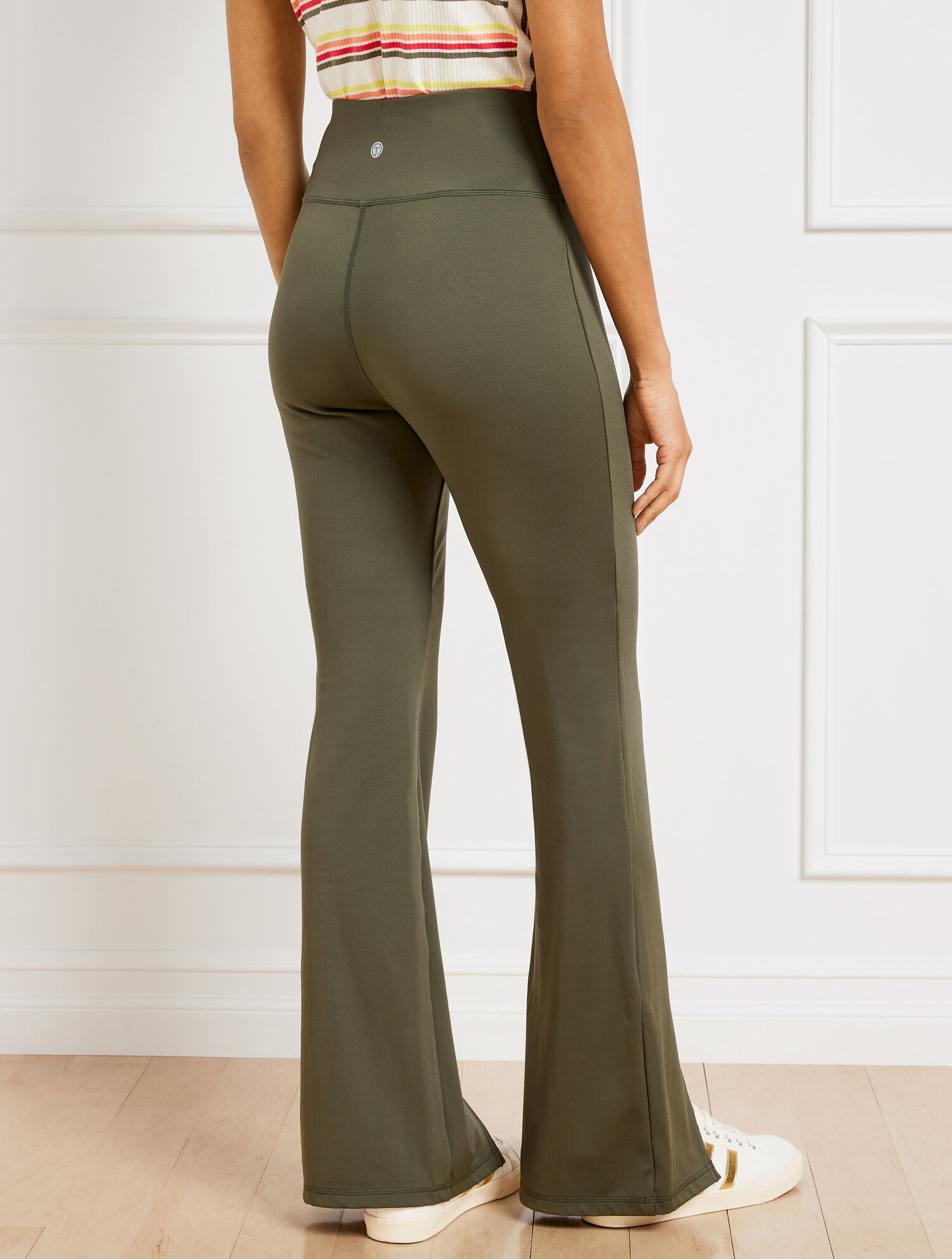
To start, it helps to know what makes flare leggings different from other types of pants. Flare leggings are fitted through the waist and thighs, then widen out from the knee to the ankle. This creates a bell-bottom effect, which is both stylish and functional. The flare can be subtle or very dramatic, depending on the brand and style.
Most flare leggings are made from stretchy materials like spandex, polyester, or cotton blends. These fabrics hug your body and give you freedom to move. Flare leggings often have a high waistband for support, and they come in many lengths—full, cropped, or ankle.
The unique shape is what gives flare leggings their charm. But it also makes altering them a bit trickier compared to straight or skinny pants. Understanding the construction will help you make better choices when hemming.
Can Flare Leggings Be Hemmed? The Short Answer
Yes, flare leggings can be hemmed. Shortening flare leggings is possible, but it requires careful attention to the shape of the leg. If you simply cut and sew across the bottom, you might lose the flare or end up with a strange silhouette. Unlike straight-leg pants, flare leggings need special handling to keep the original look intact.
The main challenge is preserving the proportional flare. If you remove too much fabric from the bottom, the widest part of the leg could move higher up, making the pants look awkward. But with the right technique, you can shorten them and still keep that fashionable flare.
When Should You Hem Flare Leggings?
There are several situations where hemming flare leggings makes sense:
- Too Long for Your Height: Many flare leggings are designed for taller people. If you’re shorter, the extra length can drag on the ground, causing wear and even tripping hazards.
- Want a Custom Fit: Maybe you want the flare to start higher or lower, or you prefer a cropped look for warm weather.
- Damaged Hem: Sometimes, the original hem gets frayed or torn. Hemming can fix and refresh the pants.
- Shoe Choice: The length that works with sneakers might not work with heels or sandals. Hemming lets you match your pants to your shoes.
Knowing when to hem is about comfort, style, and making your clothes work best for you.
Things To Consider Before Hemming Flare Leggings
Before you grab scissors or head to a tailor, there are some important points to think about:
Fabric Type
Stretchy fabrics require special handling. If you hem with the wrong stitch or needle, the fabric might pucker, stretch out, or lose its elasticity. Some materials, like cotton blends, are easier to work with, while slick spandex or polyester can be tricky.
Flare Width
Look at how wide the flare is at the bottom. If it’s a dramatic bell-bottom, removing too much length could shift the widest point upward. Try to keep the proportions similar to the original design.
Seams And Decorations
Some flare leggings have side seams, decorative stitching, or panels. Make sure your hemming plan doesn’t cut through these features, as it could weaken the pants or ruin the look.
Hem Finish
Think about how you want the new hem to look. The original hem is often finished with a coverstitch or twin needle, which gives a professional look and keeps the edge stretchy. Decide if you want to replicate this or use a different method.
Experience Level
If you’ve never hemmed stretchy fabric before, it might be safer to practice on scrap material or ask a professional. Mistakes are hard to fix, especially if you cut off too much.
Credit: www.talbots.com
How To Hem Flare Leggings At Home
You can hem flare leggings at home with a few basic tools and some patience. Here’s a detailed, step-by-step guide to help you achieve the best results.
Tools And Materials
- Sharp fabric scissors
- Measuring tape
- Fabric chalk or washable marker
- Pins or clips
- Sewing machine with a stretch stitch (zigzag or twin needle)
- Ballpoint needle (for knit fabrics)
- Iron and ironing board
- Matching thread
Step 1: Try On And Mark
Put on your flare leggings with the shoes you plan to wear. Stand straight and let the fabric fall naturally. Use a mirror or ask someone to help you mark the new length with chalk. Mark both legs, as sometimes one leg can fit differently.
Step 2: Measure And Double Check
Take off the leggings and lay them flat. Use a measuring tape to check that your marks are even on both legs. It’s better to measure twice than to cut too short.
Step 3: Add Seam Allowance
Add about 1 inch (2. 5 cm) below your mark for the hem. This extra fabric will be folded under and sewn to create a clean edge.
Step 4: Cut The Excess
Cut off the extra fabric below your seam allowance line. Use sharp scissors for a clean, straight cut. Cut slowly, especially around the curved flare.
Step 5: Prepare The Hem
Fold the edge under by 1 inch and pin or clip it in place. Make sure the fold is even all the way around the leg. Press with an iron if needed, but use a low heat setting for synthetic fabrics.
Step 6: Sew The Hem
Set your sewing machine to a stretch stitch or use a twin needle for a professional look. Sew close to the folded edge, gently stretching the fabric as you go to keep the hem flexible.
Step 7: Finish And Press
Trim any loose threads and press the hem with your iron. This helps set the stitches and gives a neat finish.
Common Mistakes To Avoid
- Cutting Too Much: Always leave extra length. You can cut more if needed, but you can’t add fabric back.
- Skipping Stretch Stitch: A regular straight stitch can pop when you put on the leggings. Use a zigzag or stretch stitch for durability.
- Uneven Hem: Measure carefully and pin well, especially with dramatic flares.
Professional Tailoring: When To Seek Help
If you’re nervous about hemming at home or want a perfect finish, a professional tailor can help. Here’s what to expect:
What Tailors Do Differently
- Coverstitch Hem: Most tailors have machines that replicate the original hem, so the finish looks store-bought.
- Maintaining Flare Shape: Skilled tailors know how to taper the leg if needed, so the flare looks natural after hemming.
- Dealing With Special Features: If your leggings have side slits, contrast panels, or other details, a tailor can adjust their work to keep these intact.
How Much Does It Cost?
The price for hemming flare leggings varies. Most tailors charge between $15 and $40, depending on the complexity and fabric. Heavier or slippery materials might cost more.
How To Choose A Tailor
- Look for experience with stretch fabrics
- Ask for examples of previous work
- Read reviews or ask friends for recommendations
A good tailor can give advice on the best length for your body and style.
Credit: www.splits59.com
Hemming Methods For Flare Leggings
You have several options for hemming flare leggings. Each method has pros and cons, and the best choice depends on your skills and tools.
Machine Sewing
The most durable and professional option. Use a stretch stitch or twin needle for best results. This method keeps the hem stretchy and strong.
Hand Sewing
If you don’t have a machine, you can hem by hand using a stretch or slip stitch. This takes longer and may not be as durable, but it’s better than using a straight stitch.
No-sew Hem Tape
For a quick fix, you can use fusible hem tape. This is a strip of adhesive that melts when ironed, bonding the fabric together. It’s not as flexible as a sewn hem, but works in a pinch.
Rolled Hem
A rolled hem is a narrow, double-folded hem. It works well for lightweight fabrics. Use a zigzag stitch or serger for the cleanest look.
Blind Hem
A blind hem is nearly invisible from the outside. It’s tricky to do on flared shapes, but can look very polished if done right.
Here’s a summary comparison of these methods:
| Method | Durability | Appearance | Skill Needed | Stretch |
|---|---|---|---|---|
| Machine Sewing | High | Professional | Medium | Excellent |
| Hand Sewing | Medium | Good | Medium | Fair |
| No-Sew Hem Tape | Low | Basic | Low | Poor |
| Rolled Hem | Medium | Neat | Medium | Good |
| Blind Hem | High | Invisible | High | Good |
How Flare Leggings Compare To Other Pants For Hemming
Not all pants are created equal when it comes to hemming. Here’s how flare leggings compare to other common styles:
| Pant Type | Hemming Difficulty | Special Challenges |
|---|---|---|
| Flare Leggings | Medium-High | Keeping flare shape, stretchy fabric |
| Straight Leg | Low | Minimal |
| Skinny Leggings | Low | Stretch fabric only |
| Bootcut | Medium | Subtle flare, stretch fabric |
| Wide Leg | Medium | Even hem needed |
As the table shows, flare leggings are more challenging than straight or skinny styles, but not impossible if you follow the right steps.
Credit: www.lululemon.me
How To Choose The Right Hem Length
Choosing the right length is key for style and comfort. If you go too short, you lose the elegant flare. Too long, and you risk tripping or dirty hems.
Tips For The Perfect Length
- Try on with shoes: The hem should almost touch the floor when you’re wearing your usual shoes, but not drag.
- Bend and walk: Move around before marking the length. The fabric will shift, so make sure the hem stays even.
- Consider shrinkage: Some fabrics shrink after washing. Pre-wash your leggings before hemming to avoid surprises.
- Leave a little extra: It’s safer to hem a bit longer, then adjust if needed.
Real-life Examples And Success Stories
To give you confidence, here are examples of people who hemmed their flare leggings with great results.
Example 1: Diy Success
Maria had a pair of polyester-spandex flare leggings that were too long by almost 4 inches. She used a twin needle and a stretch stitch on her home sewing machine. By marking carefully and sewing slowly, she kept the original flare and got a custom length that matched her sneakers perfectly.
Example 2: Professional Finish
Jake bought designer flare leggings that cost a lot. He didn’t want to risk ruining them, so he took them to a tailor. The tailor matched the original coverstitch and adjusted the flare slightly to keep the look. The result was flawless, and the pants fit like they were made for him.
Example 3: Quick No-sew Fix
Sana needed her flare leggings shorter for a weekend trip. She used fusible hem tape and an iron for a temporary fix. The hem held for a few wears, but eventually started to peel. It worked for her needs, but she later had them professionally hemmed for long-term wear.
Non-obvious Insights For Beginners
Many people forget these important points:
- Test on Scrap Fabric: If you have extra material (from the cut-off), practice your stitch or hem tape method before working on the leggings. This lets you see how the fabric reacts.
- Mark the Flare Symmetrically: When marking the new length, measure from the crotch seam down both the inside and outside leg. This helps keep the flare even on both sides.
- Don’t Stretch While Measuring: Lay the leggings flat without pulling the fabric. Stretching can give a false reading, leading to a hem that’s too short.
These details can make the difference between a professional finish and a DIY disaster.
Common Problems And Solutions
Hemming flare leggings isn’t always smooth. Here’s how to solve some frequent problems:
- Wavy or Stretched Hem: This happens when you stretch the fabric while sewing. Use a walking foot or go slowly, and avoid pulling.
- Puckered Seams: Check your thread tension and needle type. A ballpoint needle and stretch thread can help.
- Uneven Flare: If one leg looks different from the other, check your measurements. You might need to re-sew or adjust the flare by trimming carefully.
How To Care For Hemmed Flare Leggings
After hemming, the way you care for your leggings can affect how long the new hem lasts.
- Wash in cold water: This protects the fabric and stitches.
- Avoid high heat drying: Air dry or use a low setting to prevent shrinking or warping.
- Press carefully: If you need to iron, use a low setting and a pressing cloth to avoid shine or burns.
Proper care keeps your leggings looking good and your hem strong.
When Not To Hem Flare Leggings
Sometimes, hemming isn’t the best option. Here are cases where you might want to avoid it:
- Designer or Delicate Fabrics: If the leggings are expensive or made from special materials (like silk blends), hemming can be risky without professional help.
- Temporary Needs: If you only need a shorter length for a few days, use hem tape or fabric clips instead.
- Resale Value: If you plan to sell or give away the leggings, buyers often prefer the original length.
Consider your long-term plans before making permanent changes.
How To Make The Hem Invisible
For those who want a truly hidden hem, here’s how:
- Use a blind hem stitch: This technique catches only a few threads on the outside, so the hem is almost invisible.
- Match thread color exactly: Use thread that blends perfectly with your leggings.
- Press seams flat: A well-pressed seam hides better.
Invisible hems are more advanced but look very professional.
Hemming For Different Flare Styles
Not all flares are the same. Here’s how to adjust for different types:
- Subtle Flare: Easier to hem, as the shape isn’t too dramatic. Standard hemming works.
- Extreme Bell Bottom: Requires more careful measuring and possibly tapering the side seams.
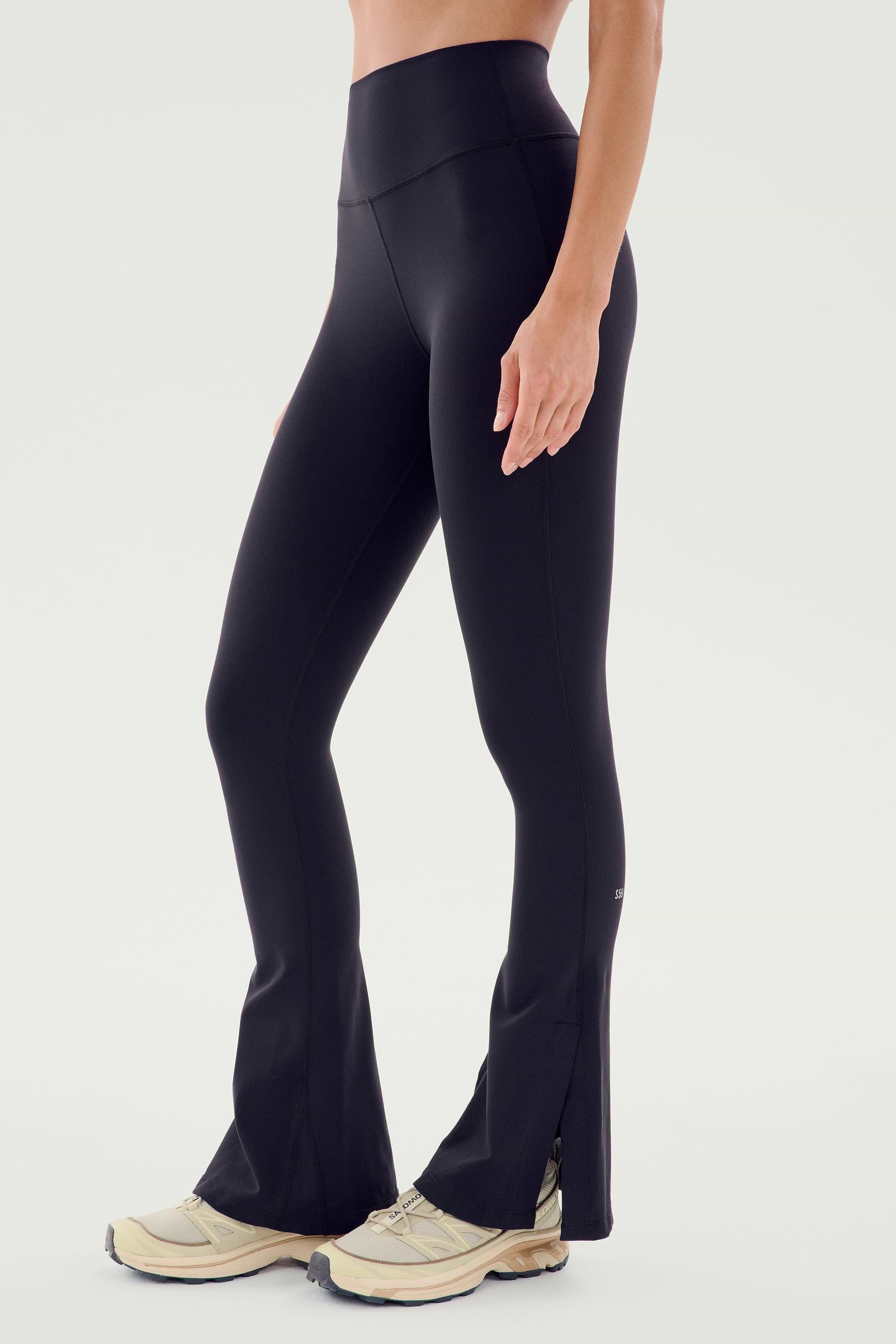
- Split Hem Flare: Make sure to keep the slit at the right height after hemming.
- High-Low Hem: Some leggings have a curved hem. You’ll need to mirror the curve when shortening.
Each style might require a slightly different approach, but the basic principles stay the same.
Frequently Asked Questions
Can You Hem Flare Leggings Without A Sewing Machine?
Yes, you can hem flare leggings by hand using a stretch stitch, or with no-sew hem tape for a temporary solution. Hand sewing takes more time and may not be as durable, but it’s a good option for simple adjustments or if you don’t have a machine.
Will Hemming Ruin The Flare Shape?
If done carefully, hemming should not ruin the flare shape. The key is to measure evenly and try to keep the proportions similar to the original design. For very dramatic flares, you might need to taper the side seams slightly to maintain the silhouette.
How Much Does It Cost To Have Flare Leggings Hemmed Professionally?
The cost usually ranges from $15 to $40, depending on fabric, complexity, and your location. Designer leggings or special fabrics might cost more. Always ask your tailor for a quote before starting the work.
Can All Fabrics Be Hemmed The Same Way?
No. Different fabrics need different hemming methods. Stretchy knits require a stretch stitch or twin needle, while woven fabrics can use a straight stitch. Always test your method on extra fabric to see how it reacts.
Where Can I Learn More About Hemming Techniques?
You can find more hemming guides and techniques on sewing blogs, YouTube channels, or resources like Craftsy. Watching videos can help you understand each step before you try on your own leggings.
Flare leggings can be hemmed with patience and the right tools. Whether you do it yourself or trust a professional, the key is to keep the original style and comfort that makes flare leggings so popular. With these tips, you’ll be ready to make your favorite pair fit perfectly and look great every time you wear them.
