

Can Business Casual Men Wear Jeans? Style Tips and Guidelines
Can Business Casual Men Wear Jeans
What you wear matters. Especially at work. The line between formal and casual is not always clear. Many men ask, “Can I wear jeans in a business casual setting?” The answer is not simple. Some companies allow jeans, others do not. Some jeans look professional, others do not. This guide will help you understand when jeans work for business casual, how to wear them well, and what mistakes to avoid.
Business casual is a popular dress code in offices, tech startups, retail, and even some banks. It is less strict than business formal but still expects a neat appearance. Many men want to feel comfortable and stylish. Jeans are comfortable and easy to style.
But not all jeans fit the business casual look. The right choice depends on company culture, your role, and how you combine jeans with other clothes.
Let's explore what business casual means, how jeans fit in, and how to make the best impression at work without sacrificing comfort.
Understanding Business Casual
Business casual is a mix of professional and relaxed clothing. It is more flexible than traditional suits but not as casual as weekend wear. The goal is to look tidy, confident, and respectful.
Key Elements Of Business Casual
- Dress shirts (button-down or polo)
- Dress pants (slacks, chinos)
- Blazers or sweaters
- Dress shoes (loafers, oxfords)
- Belts and minimal accessories
Jeans are not always included in classic business casual. But trends are changing. Many workplaces now allow jeans if they meet certain standards.
Why Dress Codes Exist
Dress codes help:
- Show respect for the company and clients
- Build trust and credibility
- Set a culture of professionalism
Some companies have written dress codes. Others use unwritten rules. Always check your employee handbook or ask HR if you’re unsure.
Are Jeans Acceptable In Business Casual?
The rules about jeans depend on your workplace. In some creative fields and tech companies, jeans are standard. In law offices and banks, jeans are rare.
Industries Where Jeans Are Common
- Tech startups
- Creative agencies
- Marketing firms
- Retail management
- Education (some schools)
In these settings, jeans are often seen as smart and modern. However, even here, the right type of jeans is important.
Industries Where Jeans Are Rare
- Finance
- Law
- Corporate management
- Government
These industries prefer slacks or dress pants. Jeans may be allowed only on casual Fridays or special occasions.
Survey Data On Jeans At Work
A recent survey by a workplace research group found:
- 60% of US offices allow jeans at least once a week
- 35% allow jeans as part of regular business casual
- 5% do not allow jeans at all
This shows that jeans are becoming more accepted, but not everywhere.
Choosing The Right Jeans For Business Casual
Not all jeans are suitable for business casual. The right jeans look clean, fit well, and match with professional clothing. Here’s what to look for:
Color Matters
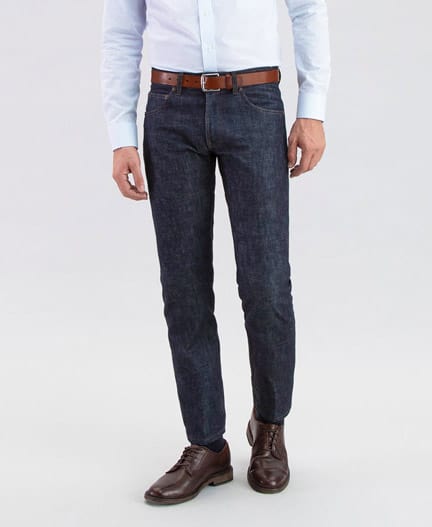
- Dark wash jeans: Most professional. Navy or black are best.
- Light wash jeans: Too casual for most offices.
- Colored jeans: Only in creative fields.
Fit Is Important
- Straight-leg: Classic and clean
- Slim-fit: Modern, not too tight
- Relaxed-fit: Too casual
Avoid baggy, skinny, or distressed jeans.
Quality And Condition
- No rips, holes, or patches
- No heavy fading or whiskering
- Clean, pressed, and in good condition
Comparing Jeans Styles For Office
Here’s a simple table to show which jeans styles work in business casual:
| Style | Business Casual Ready? | Notes |
|---|---|---|
| Dark Wash | Yes | Most versatile, looks professional |
| Light Wash | No | Too informal, weekend only |
| Slim Fit | Yes | Modern, but avoid skinny fit |
| Distressed | No | Not suitable for office |
| Colored Denim | Sometimes | Only in creative workplaces |
How To Style Jeans For Business Casual
Wearing jeans is not enough. How you pair them with other clothes makes a big difference. Here are ways to style jeans for a business casual look.
Pairing Jeans With Shirts
- Dress Shirt: Tucked in, with a belt. Light blue or white works well.
- Polo Shirt: Less formal, but still neat.
- Sweater: Over a collared shirt for cooler days.
Avoid graphic tees or shirts with loud prints.
Adding Layers
- Blazer: Instantly makes jeans look more professional.
- Cardigan: Softer option, best for creative workplaces.
- Sports Jacket: Adds shape and structure.
Choosing Shoes
- Loafers: Classic business casual
- Derby Shoes: Dressy, but not too formal
- Chelsea Boots: Stylish and modern
Sneakers are usually too casual unless your office allows them.
Example Outfit Combinations
- Dark slim-fit jeans + white dress shirt + navy blazer + brown loafers
- Black jeans + gray sweater + collared shirt + black leather shoes
- Dark blue jeans + light blue polo + tan belt + tan dress shoes
These combinations balance comfort and professionalism.
Jeans Vs. Dress Pants: What’s The Difference?
Many men wonder if jeans can replace dress pants. Both have pros and cons. Here’s a comparison.
Jeans
- Comfortable
- Easy to match
- Less formal
- More durable
Dress Pants
- Classic look
- More formal
- Slimmer profile
- Often required in traditional workplaces
Side-by-side Data Table
| Feature | Jeans | Dress Pants |
|---|---|---|
| Comfort | High | Medium |
| Formality | Medium | High |
| Durability | High | Medium |
| Flexibility | High | Low |
| Maintenance | Easy | Requires dry cleaning |
Dress pants are safer in formal settings. Jeans are better for comfort and flexibility.
Mistakes Men Make With Business Casual Jeans
Even if your company allows jeans, some mistakes can ruin your look. Avoid these:
- Wearing ripped or distressed jeans: Looks careless.
- Choosing overly tight jeans: Not professional.
- Pairing jeans with athletic shoes: Too casual.
- Untucked shirts: Looks sloppy.
- Ignoring fit and tailoring: Jeans should fit well.
Many beginners forget to check the length. Jeans should not bunch up at the ankles. A small hem or cuff can help.
When Not To Wear Jeans
There are times when jeans are not a good choice, even in relaxed offices:
- Important client meetings
- Job interviews
- Company presentations
- Formal events (awards, annual gatherings)
Dress pants or chinos are safer for these moments.
Office Policies And Culture
Before wearing jeans, check your office policy. Some companies have clear rules about what is allowed.
Reading Between The Lines
If your company does not mention jeans:
- Observe what managers and senior staff wear.
- Ask HR for guidance.
- Start with dress pants; switch to jeans only if others do.
Example Office Policy Comparison
| Policy Type | Jeans Allowed? | Notes |
|---|---|---|
| Written Policy | Yes/No | Check employee handbook |
| Unwritten Culture | Maybe | Observe senior staff |
| Casual Friday Only | Yes | Jeans allowed once a week |
| No Policy | Varies | Ask HR or management |
Credit: toddshelton.com
How Jeans Impact Your Professional Image
Clothes send signals. Wearing jeans can make you look approachable and modern. But if done poorly, it can look careless. The right jeans help you:
- Feel comfortable
- Show personal style
- Build confidence
But always match your appearance to the company culture and your role.
Non-obvious Insight: The Power Of Accessories
Many beginners focus only on jeans and shirts. But accessories matter too. A leather belt, a metal watch, or a neat briefcase can elevate your look. These small items show attention to detail.
Non-obvious Insight: Fit Over Brand
Expensive jeans do not guarantee a good look. Fit is more important than the brand. Well-tailored, simple jeans look better than branded, trendy jeans.
Tips For Buying Business Casual Jeans
Shopping for the right jeans can be confusing. Here’s how to choose wisely:
- Try different fits: Not all brands are the same.
- Check the stretch: A little stretch adds comfort.
- Stick to dark colors: Easier to match.
- Avoid trendy details: No rips or flashy logos.
- Look at the hem: Jeans should cover shoes without dragging.
Common Buyer Mistakes
- Buying jeans with visible logos
- Choosing jeans that fade after washing
- Ignoring the return policy
Always check how jeans look with your work shoes and shirts before buying.

Credit: www.hockerty.com
Jeans For Different Body Types
Jeans should flatter your shape. Here are tips for different body types:
Tall Men
- Choose straight-leg or slim-fit
- Avoid extra-long jeans that bunch up
Short Men
- Go for mid-rise, straight-leg
- Avoid baggy jeans
Athletic Build
- Look for jeans with stretch
- Avoid skinny fits
Larger Build
- Relaxed fit or straight-leg
- Dark colors slim the look
Jeans And Seasonal Changes
Jeans work for all seasons, but some types are better for certain weather.
Summer
- Lightweight denim
- Avoid thick, heavy jeans
Winter
- Heavier denim
- Pair with sweaters and boots
Rainy Days
- Black or navy jeans
- Avoid light colors that show stains
Real-world Examples
Men across different industries wear jeans in business casual settings. Here are a few real-world examples:
Tech Startup
John, a project manager, wears dark jeans, a tucked-in dress shirt, and brown loafers. His office encourages a relaxed but tidy look.
Marketing Agency
Carlos, a designer, pairs black jeans with a gray sweater and a sports jacket. He adds a bold watch for personality.
Retail Management
David, a store manager, wears navy jeans, a polo shirt, and black dress shoes. He keeps the jeans clean and pressed.
These men adapt their jeans to their work environment, showing respect while staying comfortable.
Jeans Care And Maintenance
Good jeans last longer if you care for them well.
Washing Tips
- Wash inside out to prevent fading
- Use cold water
- Avoid dryers; air dry instead
Ironing And Storage
- Iron on low heat if needed
- Hang jeans or fold neatly
Longevity
Quality jeans can last several years. Avoid washing too often to keep color and fit.
The Role Of Trends
Fashion changes, but business casual is about stability. Trends like ripped jeans or colored denim come and go. Stick to classic styles for work. If your office allows trendy jeans, use them sparingly.
The Impact Of Jeans On Workplace Comfort
Many men feel more relaxed and productive in jeans. Comfort can boost confidence. However, comfort should not override professionalism. Choose jeans that balance both.
Data On Comfort
A workplace study found:
- 70% of employees felt more comfortable in jeans
- 55% said jeans improved their mood at work
But only 40% felt jeans were always appropriate for client meetings. Comfort is important, but context matters more.

Credit: hespokestyle.com
How To Transition From Dress Pants To Jeans
If you want to start wearing jeans at work, do it gradually.
- Start with casual Fridays.
- Choose dark, simple jeans.
- Pair with dress shirts and blazers.
- Observe feedback from colleagues and managers.
- Switch fully only if jeans become common in your office.
Addressing Common Questions
Men often have doubts about jeans in business casual. Here are answers to some typical questions.
Can I Wear Jeans With A Tie?
Jeans and ties do not always match. If you wear a blazer and dark jeans, a simple tie can work. Avoid bold or flashy ties. Stick to slim, solid colors.
Are Jeans Ever Too Casual?
Yes. Light wash, ripped, or baggy jeans are too casual. Always choose neat, dark jeans for business casual.
Should Jeans Be Ironed?
It depends. If your jeans are wrinkled, a quick iron helps. Most jeans do not need heavy ironing.
Is There A Perfect Brand For Business Casual Jeans?
No single brand is best. Fit and color matter more. Try brands like Levi’s, Gap, or Banana Republic. Avoid brands that focus on trendy or distressed styles.
Comparing Jeans And Chinos
Chinos are another popular option for business casual. Here’s how they compare:
| Feature | Jeans | Chinos |
|---|---|---|
| Comfort | High | Medium |
| Formality | Medium | Medium-High |
| Color Options | Limited (mostly blue/black) | Wide (tan, khaki, navy, more) |
| Seasonal Use | All seasons | Best in spring/summer |
| Care | Easy | Easy |
Chinos offer more color options and a slightly more formal look. Jeans are more durable and comfortable.
Jeans And Sustainability
Many companies care about sustainability. Some jeans are made with eco-friendly materials. Brands like Levi’s and Patagonia offer sustainable options.
- Look for organic cotton
- Check for water-saving processes
- Avoid jeans with heavy chemical treatments
Sustainable jeans show you care about the environment, which can impress some employers.
Frequently Asked Questions
Can Ripped Jeans Ever Be Business Casual?
No. Ripped jeans are never suitable for business casual, no matter how stylish they look. The tears and holes make jeans look careless. Stick to clean, intact denim.
Do Black Jeans Look More Formal Than Blue Jeans?
Yes. Black jeans often appear more formal, especially when paired with dress shirts or blazers. They can sometimes pass as dress pants in dark settings.
Is A Blazer With Jeans Always Business Casual?
Not always. The combo depends on the jeans. If you wear dark, neat jeans and a well-fitted blazer, it works. But light or distressed jeans with a blazer still look too casual.
How Can I Know If Jeans Are Allowed In My Office?
Check your employee handbook or ask HR. If there’s no written rule, observe what managers wear. When in doubt, start with dress pants and switch only if jeans are common.
What Accessories Work With Business Casual Jeans?
Choose leather belts, simple watches, and clean shoes. Avoid sporty or flashy accessories. Small touches like a neat briefcase or cufflinks show professionalism.
Wearing jeans in a business casual setting is about balance. The right jeans, the right pairing, and the right attitude can help you look professional and feel comfortable. Always respect your company’s culture and dress code. With careful choices, jeans can become a reliable part of your work wardrobe. For more data on workplace dress codes, visit SHRM’s Dress Code Guide.
