

Can Business Casual Include Shorts? A Modern Dress Code Guide
Can Business Casual Include Shorts?
Business casual is a term that confuses many people. Some think it means relaxed office wear, others believe it still demands strict professionalism. One question that keeps coming up is: Can business casual include shorts? This is not just about personal style; it’s about workplace culture, climate, and how dress codes are evolving. Let’s explore this topic in depth, look at real examples, and help you decide if shorts can fit into your business casual wardrobe.
Understanding Business Casual
Before discussing shorts, it’s important to understand what business casual really means. This dress code is a step down from formal business attire, like suits and ties, but it’s not the same as casual clothing you’d wear on weekends. Business casual is meant to project a professional image while allowing comfort and flexibility.
Most companies define business casual with these items:
- Slacks or chinos
- Collared shirts (like polos or button-downs)
- Blouses
- Knee-length skirts or dresses
- Closed-toe shoes
However, definitions can change depending on the company, country, and even the industry. For example, tech startups often have a more relaxed dress code than law firms. Understanding these differences is key before considering shorts.
Shorts In Business Casual: The Debate
Some people wonder if shorts can be part of business casual. The answer is not simple. For many years, shorts were seen as too informal for any workplace. But times are changing. Climate, company culture, and new trends are making shorts more acceptable in some offices.
Why Shorts Are Still Controversial
There are reasons shorts remain controversial in business casual:
- Professional image: Shorts can be seen as too relaxed, making you look less serious.
- Tradition: Many companies stick to old dress codes, which don’t include shorts.
- Diversity: What is accepted in one country or industry may not be accepted in another.
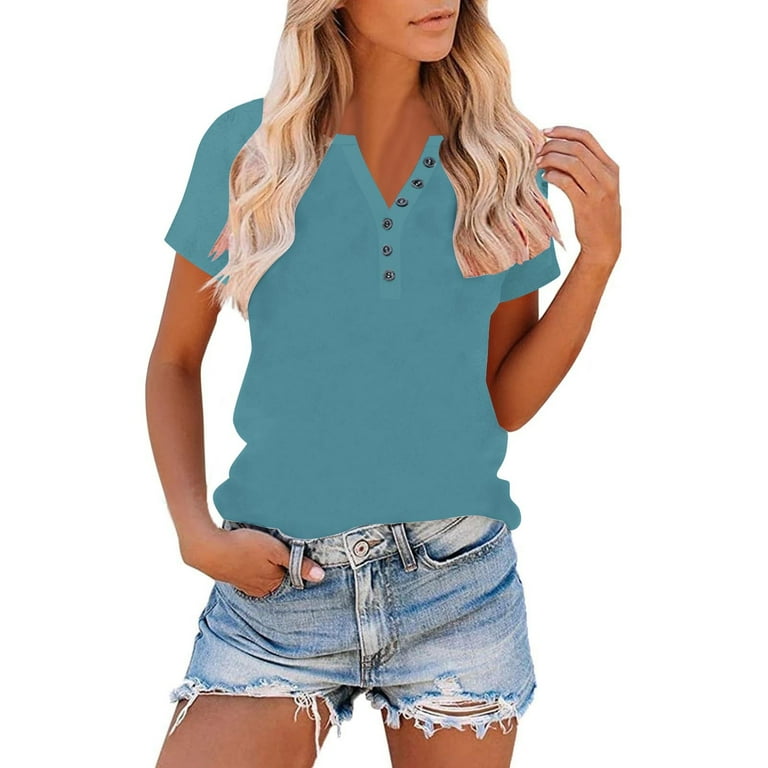
On the other hand, warm climates and new workplace attitudes are making shorts more common in offices, especially during summer.
Credit: www.walmart.com
Where Shorts Are Accepted
Shorts in business casual are becoming more common, but not everywhere. Here are some places where shorts might be allowed:
- Tech companies: Startups and software firms often let employees dress more comfortably. Shorts paired with polos are not unusual.
- Creative industries: Advertising, design, and media companies sometimes allow shorts, especially for creative staff.
- Remote work and coworking spaces: Many people working remotely or in coworking spaces wear shorts, even during video calls.
- Tropical and warm climates: Offices in places like Florida or Hawaii sometimes accept shorts in their business casual dress code.
Still, more traditional industries like banking, finance, and law rarely allow shorts.
Shorts: Types And Styles That Can Fit Business Casual
Not all shorts are the same. If you want to wear shorts in a business casual setting, you need to choose wisely. Here’s what works and what doesn’t:
Styles That Are Acceptable
- Tailored shorts: These are neat, structured, and made from good materials. They often look like cut-off slacks.
- Bermuda shorts: Usually knee-length, offering a more modest look.
- Chino shorts: Made from cotton, they look smart and are available in subtle colors.
Styles That Are Not Acceptable
- Cargo shorts: Too casual, with big pockets and loose fits.
- Denim shorts: Usually seen as too informal for any office.
- Athletic shorts: Designed for sports, not work.
Choosing The Right Length
Length matters. Shorts should end just above the knee or at the knee. Anything shorter is too casual, and longer shorts can look sloppy.
Picking The Right Color
Neutral colors like navy, black, tan, and gray work best. Avoid bright patterns or flashy colors that attract too much attention.
How To Style Shorts For Business Casual
Wearing shorts in a business casual setting requires careful styling. Here are some tips to make shorts look professional:
- Pair with a collared shirt: Polos or button-downs add a smart touch.
- Wear a blazer: A light blazer can make shorts look more formal.
- Choose closed-toe shoes: Loafers, oxfords, or smart sneakers are good choices.
- Avoid athletic socks: Go for no-show socks or dress socks.
- Keep accessories minimal: Simple belts and watches keep the look neat.
A practical example: If you wear navy tailored shorts, a white button-down shirt, and brown loafers, you look clean and professional, even in shorts.
Gender Differences In Shorts For Business Casual
Shorts are sometimes more accepted for women than men in business casual settings. Women’s shorts often look like skirts and come in dressier materials. Men’s shorts need to look structured and modest.
Women’s Shorts
- Tailored styles, sometimes with pleats
- Dress shorts made from materials like linen or wool
- Often paired with blouses or lightweight jackets
Men’s Shorts
- Bermuda or chino shorts
- Must avoid baggy styles
- Should be paired with collared shirts
Data: Workplace Dress Code Trends
Let’s look at some statistics to understand how dress codes are changing.
| Industry | % Allowing Shorts | Business Casual Policy |
|---|---|---|
| Technology | 42% | Flexible |
| Media/Creative | 35% | Flexible |
| Finance | 7% | Strict |
| Healthcare | 11% | Moderate |
| Education | 17% | Moderate |
This table shows that tech and creative industries are more likely to allow shorts, while finance and healthcare are more conservative.
Climate: The Role Of Weather
Climate is a big factor in dress codes. In hot regions, companies are more likely to accept shorts. Comfort and productivity are affected by temperature.
Example: Tropical Offices
In places with high temperatures, some companies change their dress code for summer months. Employees can wear shorts, but only if they are tailored and fit business casual style.
Data On Comfort And Productivity
A survey showed that 60% of office workers in hot climates felt more productive when allowed to wear shorts or lighter clothing.
Dress Code Policy: How To Check If Shorts Are Allowed
Every company has its own dress code. If you want to wear shorts, check these steps:
- Read the handbook: Most companies have written dress codes.
- Ask HR or a manager: If the rules are unclear, ask directly.
- Observe colleagues: See what others are wearing, especially managers.
- Try on Fridays: Some companies allow more relaxed wear on Fridays.
If you’re unsure, it’s better to ask than risk making a bad impression.
Common Mistakes When Wearing Shorts For Business Casual
Even in companies that allow shorts, mistakes can happen. Here are common errors to avoid:
- Wearing shorts that are too short: This can look unprofessional.
- Choosing loud colors or prints: These distract from your work.
- Pairing shorts with casual tops: T-shirts or tank tops make the outfit too informal.
- Ignoring grooming: Shorts show your legs, so keep them neat and clean.
- Wearing flip-flops or sandals: These are rarely part of business casual.
Avoiding these mistakes helps you look polished and confident.
Shorts In Business Casual: Real Examples
Let’s look at some real examples of how people wear shorts in business casual settings.
Example 1: Tech Startup
James works at a software company in California. He wears khaki tailored shorts with a navy polo shirt and brown loafers. His office allows shorts during summer, but only in neutral colors.
Example 2: Creative Agency
Maria works in a design agency. She wears black linen shorts, a white blouse, and a light gray blazer. Her office values style and creativity, so shorts are accepted as long as they look smart.
Example 3: Remote Worker
Alex works from home. For video calls, he wears navy shorts and a button-down shirt. His company doesn’t mind shorts, but he still makes sure his outfit looks professional on camera.
These examples show that shorts can work, but only with the right styling and in the right environment.
Shorts Vs. Other Business Casual Options
How do shorts compare to other business casual options? Here’s a quick comparison.
| Clothing | Formality | Comfort | Seasonal Suitability |
|---|---|---|---|
| Slacks | High | Medium | All seasons |
| Chinos | Medium | High | Spring/Summer |
| Bermuda Shorts | Low-Medium | High | Summer |
| Skirts | Medium-High | Medium | Spring/Summer |
| Jeans | Low | High | All seasons |
The table shows that shorts offer high comfort, but less formality compared to slacks or skirts.
How To Introduce Shorts Into Your Office Wardrobe
If you want to start wearing shorts at work, do it carefully. Here are practical steps:
- Check the dress code first: Make sure shorts are allowed.
- Start with Fridays: If your company has casual Fridays, try shorts then.
- Pick tailored styles: Avoid anything too casual.
- Pair with smart tops: Use collared shirts or blouses.
- Keep shoes professional: Loafers or dress sneakers work best.
If people respond well, you can make shorts part of your regular wardrobe. If not, switch back to more traditional options.
Shorts And Company Culture
Company culture plays a big role in dress codes. Some companies value comfort and creativity, others prefer tradition and formality. If your company promotes individual expression, shorts may be accepted. If professionalism is the main value, shorts may not work.
Insights For Beginners
Many beginners think shorts are never allowed at work. This is not true. The key is to look for clues in your company’s culture and observe what leaders wear. Also, remember that some companies update their dress codes every few years.
It’s wise to ask HR about any changes.
Another insight: Shorts are sometimes allowed for special events, like team-building days or summer parties. If you see shorts at these events, it may signal that shorts could be acceptable during regular days, too.
Credit: www.distinctiveresumetemplates.com
Shorts In Global Business Casual
Shorts in business casual is not just a US topic. Different countries have different attitudes.
- Australia: Many offices accept shorts, especially during summer.
- United Kingdom: Shorts are rare in business casual, but some creative firms allow them.
- Japan: Shorts are almost never part of business casual.
- Brazil: Shorts are common in offices near the beach.
If you work for a global company, check local dress codes before wearing shorts.
Shorts And Hybrid Work Environments
Hybrid work is when employees split time between office and home. Many companies let people dress more casually when working from home. Shorts are often allowed during remote days, but not always in the office. If you move between locations, plan your outfits carefully.
A tip: Keep a pair of slacks or chinos at your desk for unexpected meetings.
What Leaders Say About Shorts In Business Casual
Company leaders set the tone for dress codes. Surveys show that 35% of managers in creative industries support shorts in business casual. In traditional industries, only 8% support it.
Some managers worry that shorts lower professionalism. Others believe comfort leads to better productivity and happier employees.
If your manager wears shorts, it’s a strong signal that you can, too.
Shorts In Summer Dress Codes
Many companies change their dress codes during summer. They allow lighter fabrics and sometimes shorts. If your company has a summer dress code, read it carefully. Some only allow shorts for outdoor events, others for regular office days.
Summer Dress Code Example
A marketing firm allows Bermuda shorts during summer, but only in neutral colors. Employees must pair shorts with collared shirts and closed-toe shoes.
Shorts For Business Travel
Business travel sometimes means working in hot climates. Should you wear shorts? It depends on the company and destination.
- If you’re meeting clients, stick to traditional business casual.
- If you’re visiting your own company’s office, check their dress code.
- For travel days, shorts may be accepted, but always check the rules.
Shorts And Sustainability
Sustainability is becoming important in fashion. Shorts use less fabric and energy than slacks. If your company values eco-friendly policies, shorts may fit into their dress code.
Some brands now make shorts from recycled materials, offering both style and sustainability.

Credit: www.amazon.com
Shorts: Practical Tips For Buying
If you want to buy shorts for business casual, consider these tips:
- Try before you buy: Fit matters more than style.
- Check material quality: Look for cotton, linen, or blends.
- Avoid visible branding: Logos and tags make shorts look casual.
- Look for stretch fabrics: These offer comfort and flexibility.
- Choose wrinkle-free options: These stay neat all day.
Shorts And Dress Code Flexibility: Data
Companies are changing their dress codes more often. Here’s a comparison of dress code flexibility.
| Company Size | % Flexible Dress Code | Shorts Allowed |
|---|---|---|
| Small (1-50 employees) | 61% | Yes, in summer |
| Medium (51-500 employees) | 37% | Sometimes |
| Large (500+ employees) | 21% | No |
Smaller companies are more likely to allow shorts and flexible dress codes.
Shorts And Legal Issues
Some companies worry about legal issues when updating dress codes. Shorts must not discriminate based on gender. If men can wear shorts, women should be able to wear similar styles.
If a company has rules that treat genders differently, it can cause legal problems. Always check if your dress code is fair.
Shorts And First Impressions
When meeting clients or interviewing, shorts are risky. Even in relaxed offices, first impressions matter. If you’re unsure, wear slacks or chinos for important meetings.
Shorts And Personal Branding
Your outfit is part of your personal brand. If you want to look professional and approachable, shorts can help in the right context. But if you need to show authority or leadership, traditional business casual may work better.
A non-obvious insight: Shorts can help you stand out in creative industries, but in traditional settings, they might hurt your reputation.
The Future Of Shorts In Business Casual
Dress codes are changing. More companies value comfort and self-expression. Shorts may become more common in business casual, especially in warm climates and creative fields. But they will always need to look smart and professional.
If you’re thinking about wearing shorts, focus on fit, style, and company culture. Shorts are not for every workplace, but they are becoming a valid option for many.
Frequently Asked Questions
Are Shorts Ever Appropriate For Business Casual?
Shorts can be appropriate for business casual in some companies, especially in creative industries or warm climates. The key is choosing tailored, knee-length shorts in neutral colors and pairing them with smart tops and shoes. Always check your company’s dress code before wearing shorts.
What Length Should Business Casual Shorts Be?
Business casual shorts should end just above the knee or at the knee. Shorts that are too short look unprofessional, and longer shorts can appear sloppy. Bermuda shorts are a good choice for business casual.
Can Women Wear Shorts For Business Casual?
Yes, women can wear shorts for business casual, but the style matters. Tailored shorts made from quality fabrics work best. Pairing shorts with blouses or light jackets creates a smart look. Always follow company guidelines.
Are Denim Shorts Allowed In Business Casual?
Denim shorts are rarely allowed in business casual settings. They are seen as too informal. Stick to tailored or chino shorts in neutral colors for a professional appearance.
How Do I Know If My Office Allows Shorts?
Check your company’s dress code in the employee handbook or ask HR. Observe what managers and colleagues wear. Some offices allow shorts only during summer or on casual Fridays. If you’re unsure, it’s safer to ask before wearing shorts.
Business casual is changing, and shorts are becoming a new option for some workplaces. If you follow the right steps, choose smart styles, and respect your company’s culture, shorts can be both comfortable and professional. For more guidance on modern dress codes, visit Forbes Business Council.
