

Can a Rash Guard Be Loose: Ultimate Guide to Fit & Comfort
Have you ever wondered if a rash guard can be loose and still do its job? If you’re active in water sports or just love outdoor adventures, your gear needs to fit right.
A rash guard that’s too tight might feel uncomfortable, but one that’s too loose could leave you wondering if it’s protecting you properly. You’ll discover why fit matters, what happens when your rash guard is loose, and how to find the perfect balance for comfort and safety.
Keep reading—you might be surprised at what you’ve been missing.
Why Fit Matters
The fit of a rash guard plays a big role in how well it works. A rash guard that is loose can cause problems. It may not give the support and protection needed. Choosing the right fit helps you get the most from your rash guard.
Impact On Performance
A rash guard that fits well stays close to your skin. This helps reduce drag and resistance in water. Loose rash guards can flap and slow you down. A tight fit keeps your muscles warm and ready. This improves your speed and endurance during activities.
Comfort And Mobility
Comfort depends on how the rash guard fits your body. Loose rash guards can bunch up and cause irritation. A snug fit moves with your body and feels better. It lets you stretch and bend without restrictions. This is important for sports that need quick movements.
Protection And Safety
A rash guard protects your skin from sunburn, scratches, and rashes. A loose rash guard leaves gaps where skin is exposed. A well-fitted rash guard covers your body properly. It also prevents fabric from catching on objects or gear. This lowers the risk of injuries and skin problems.
Types Of Rash Guards
Rash guards come in different types to fit different needs and preferences. Choosing the right type affects comfort and performance. Understanding these types helps you decide if a rash guard can be loose or should be tight.
Here are the main types of rash guards and how they fit your body.
Compression Fit
Compression fit rash guards are tight and hug the body closely. They support muscles and reduce fatigue during sports. This fit helps prevent skin irritation by staying in place. They are popular for surfing and other water sports.
Loose Fit
Loose fit rash guards have extra room and do not cling to the skin. They offer more comfort and freedom of movement. Some people prefer them for casual wear or less intense activities. They still protect from sun and rash but may shift during activity.
Hybrid Styles
Hybrid rash guards combine tight and loose fits. For example, the torso may be snug, while sleeves are looser. This style balances support with comfort. It suits people who want both protection and ease of movement.
Benefits Of A Loose Rash Guard
Wearing a loose rash guard has several benefits. It offers comfort and flexibility for different activities. Some people prefer it over tight-fitting options. A loose fit can be practical and stylish.
Enhanced Breathability
A loose rash guard lets air flow easily around the body. This helps keep you cool during hot days or intense workouts. Sweat dries faster, reducing discomfort. It prevents the sticky feeling of trapped moisture.
Ease Of Movement
Loose rash guards do not restrict your motion. You can stretch, bend, and twist with ease. This is helpful for sports like surfing or swimming. The extra space stops the fabric from digging into your skin.
Casual Wear Appeal
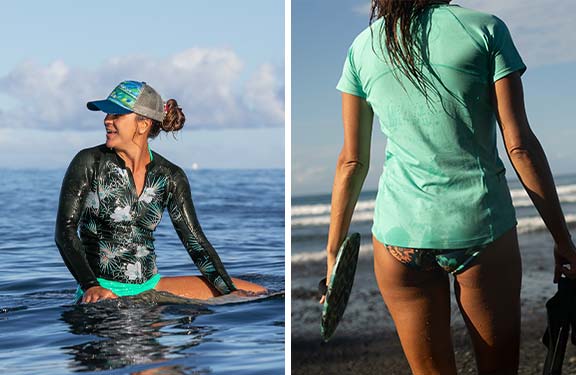
Loose rash guards look great for everyday wear. They pair well with shorts or casual pants. The relaxed fit gives a laid-back and comfortable vibe. Perfect for beach days or hanging out with friends.
Credit: www.titlenine.com
Drawbacks Of A Loose Rash Guard
A loose rash guard may seem comfortable at first. Yet, it can cause several problems during activities. Wearing the right fit is important for safety and comfort. Loose rash guards do not stay close to the skin. This can lead to issues that affect performance and protection.
Reduced Protection
A loose rash guard cannot protect the skin well. It lets sand, salt, and sun reach the body more easily. The fabric may move around and fail to shield against rashes. This reduces the main benefit of wearing a rash guard.
Potential For Chafing
Loose fabric can rub against the skin. This causes irritation and discomfort, especially during long activities. The constant movement of the rash guard may lead to painful chafing. Tight rash guards help prevent this by staying in place.
Drag In Water Sports
In water sports, a loose rash guard creates extra drag. It slows you down and uses more energy. The loose fabric flaps in the water, making movement harder. A snug rash guard cuts through water better and improves speed.
Choosing The Right Fit
Choosing the right fit for a rash guard is very important. A rash guard that fits well protects your skin and feels comfortable. It should not be too loose or too tight. Finding the perfect balance helps you move freely and stay safe during activities.
Measuring Your Size
Start by measuring your chest, waist, and hips. Use a soft tape to get accurate numbers. Compare your measurements with the brand’s size chart. Each brand may have different sizes. Choose the size that matches your measurements closest. This step helps avoid a rash guard that is too loose or too tight.
Considering Activity Type
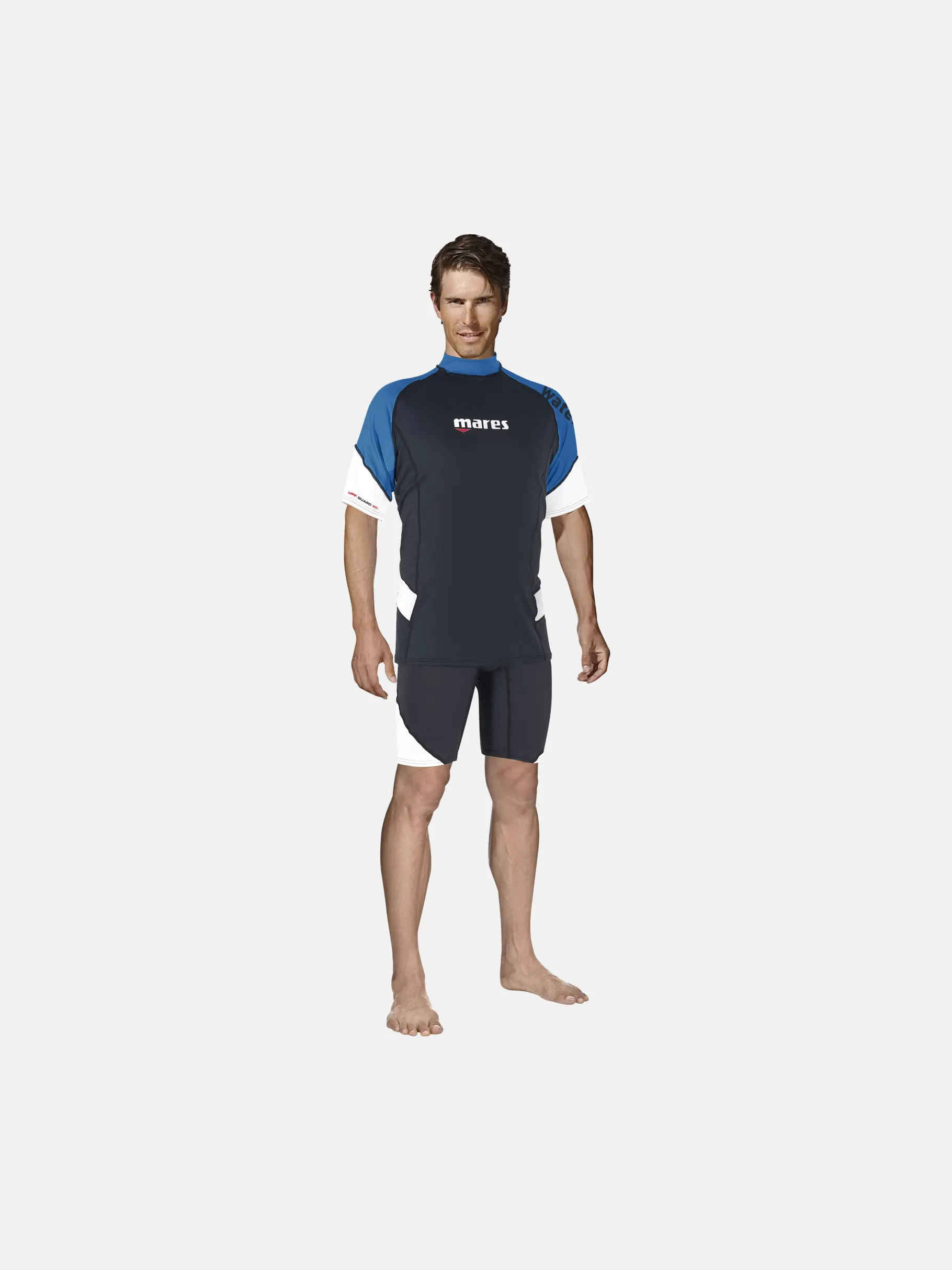
Think about the activity you will do. For surfing or swimming, a snug fit is best. It keeps the rash guard in place and stops water from entering. For yoga or light exercise, a slightly looser fit works well. It allows more airflow and comfort. Choose the fit that matches your activity needs.
Fabric Stretch And Thickness
Check the fabric’s stretch and thickness before buying. Rash guards with more stretch can fit tighter without feeling tight. Thicker fabric offers more protection but may feel warmer. Thin fabric dries faster but might be less protective. Know these details to pick a rash guard that fits and feels right.
Credit: www.mares.com
Tips For Comfort
Finding comfort in a rash guard is key for all-day wear. A rash guard that fits too tight or too loose can cause discomfort. Small changes help you feel better and move freely. Here are simple tips to improve comfort with your rash guard.
Layering Options
Wear a thin layer under your rash guard to reduce irritation. Soft cotton or moisture-wicking shirts work well. Layering helps control sweat and stops chafing. It also adds warmth without bulk.
Seam Placement
Check the seam locations on your rash guard. Seams should avoid sensitive areas like underarms or sides. Flatlock seams reduce rubbing and skin irritation. Choose rash guards with smooth, low-profile seams for comfort.
Material Selection
Pick rash guards made from soft, stretchy fabrics like nylon or polyester blends. These materials dry quickly and allow skin to breathe. Avoid rough fabrics that can cause itchiness. Stretchy materials also move with your body easily.
Care And Maintenance
Taking good care of your rash guard keeps it comfortable and lasting longer. Proper care helps maintain the fabric’s stretch and color. It also prevents damage and shrinkage. Follow simple steps to keep your rash guard in top shape.
Washing Guidelines
Wash your rash guard in cold water to protect the fabric. Use mild detergent without bleach or fabric softeners. Turn the rash guard inside out before washing. Hand wash or use a gentle cycle in the washing machine. Avoid washing with rough clothes or items with zippers.
Drying Techniques
Air dry your rash guard by laying it flat on a clean surface. Avoid direct sunlight to prevent color fading. Do not use a tumble dryer as heat can shrink or damage the fabric. Never wring or twist the rash guard to remove water. Pat it gently with a towel if needed.
Storage Tips
Store your rash guard in a cool, dry place. Fold it neatly to avoid stretching the fabric. Avoid hanging it for long periods as this can cause it to lose shape. Keep it away from sharp objects or rough surfaces. Proper storage helps keep the rash guard ready for your next use.

Credit: www.billabong.com
Frequently Asked Questions
Can A Rash Guard Be Loose During Activities?
A rash guard can be slightly loose but should not be baggy. A loose fit may cause friction and reduce protection. It should fit snugly to prevent chafing and provide optimal performance during activities like surfing or grappling.
What Happens If A Rash Guard Is Too Loose?
If a rash guard is too loose, it can ride up and cause discomfort. It may allow sand, water, or debris to enter, reducing its effectiveness. A loose rash guard also compromises warmth and protection from UV rays.
Is A Tight Rash Guard Better Than A Loose One?
A tight rash guard offers better protection, support, and comfort. It minimizes skin irritation and enhances movement. However, it shouldn’t be so tight that it restricts breathing or motion. The right fit balances snugness with comfort.
Can A Loose Rash Guard Affect Performance?
Yes, a loose rash guard can hinder performance by causing drag and distraction. It may shift during activity, affecting focus and mobility. A well-fitted rash guard supports better speed, flexibility, and overall effectiveness in water sports.
Conclusion
A rash guard can be loose but should still fit well. Too loose may cause chafing or catch on things. Too tight can feel uncomfortable and restrict movement. Choose a size that moves with your body easily. Comfort and protection matter most during any activity.
Remember, a good fit helps you stay safe and enjoy your sport. Finding the right balance makes a big difference. Try different sizes to see what feels best for you.
