

Business Casual Women Vs Casual: What’s the Real Difference?
Business Casual Women Vs Casual: Understanding The Key Differences
Women face many choices when it comes to dressing for work or everyday life. Two popular styles are business casual and casual. Both offer comfort, but each has its own rules, expectations, and uses. If you want to look polished without being too formal, or just want to feel relaxed, knowing the difference between these styles is important. This article will help you understand what makes each style unique, how to choose the right one, and what mistakes to avoid. Whether you are starting a new job or updating your wardrobe, you will find practical advice here.
What Is Business Casual For Women?
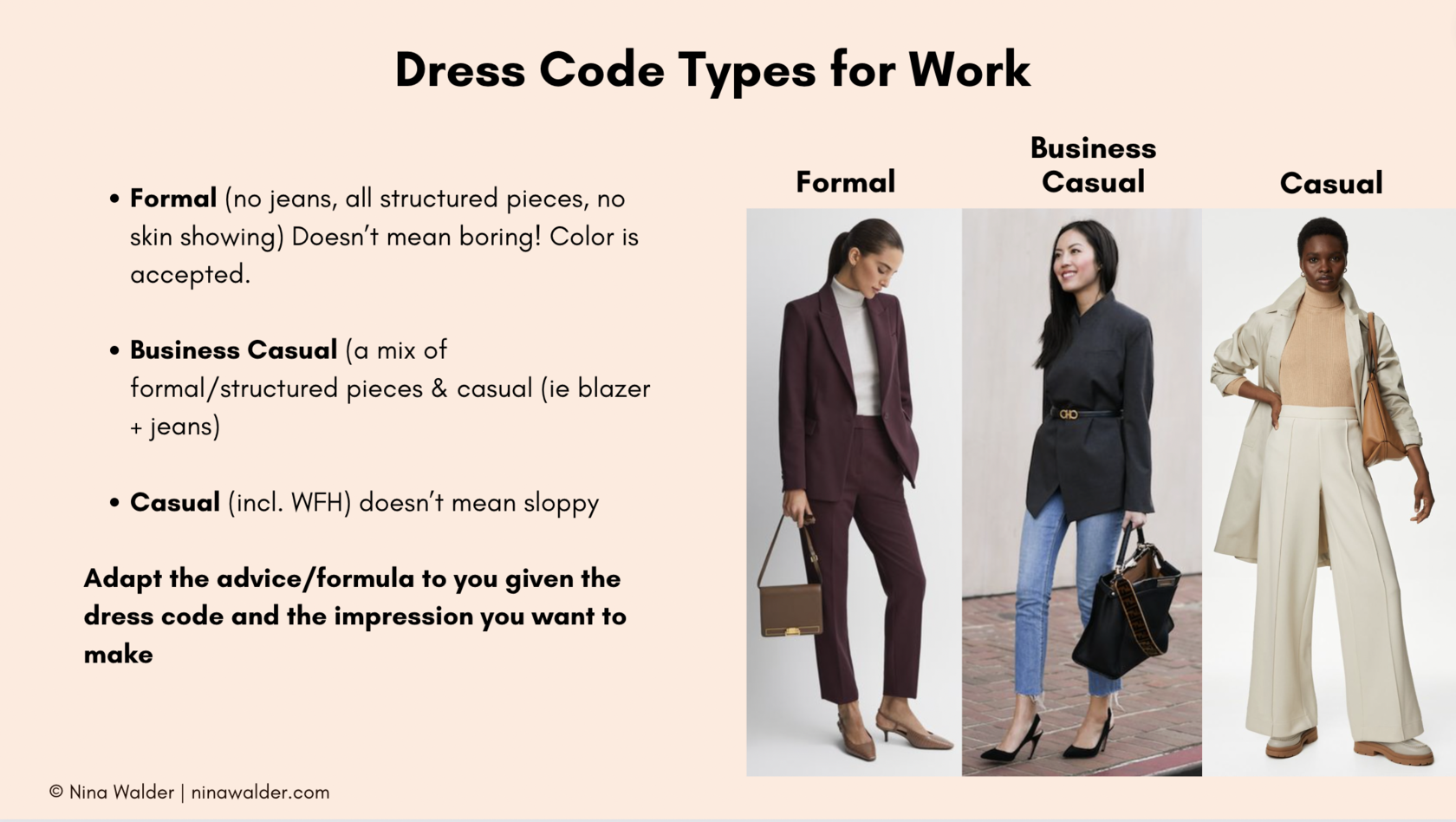
Business casual is a dress code used in offices that do not require full formal wear. It is more relaxed than traditional business attire but still professional. The goal is to look polished and competent without wearing suits or ties. For women, business casual combines neat, well-fitted clothes with a touch of personal style.
Common Pieces In Business Casual
- Blouses, button-down shirts, or nice tops
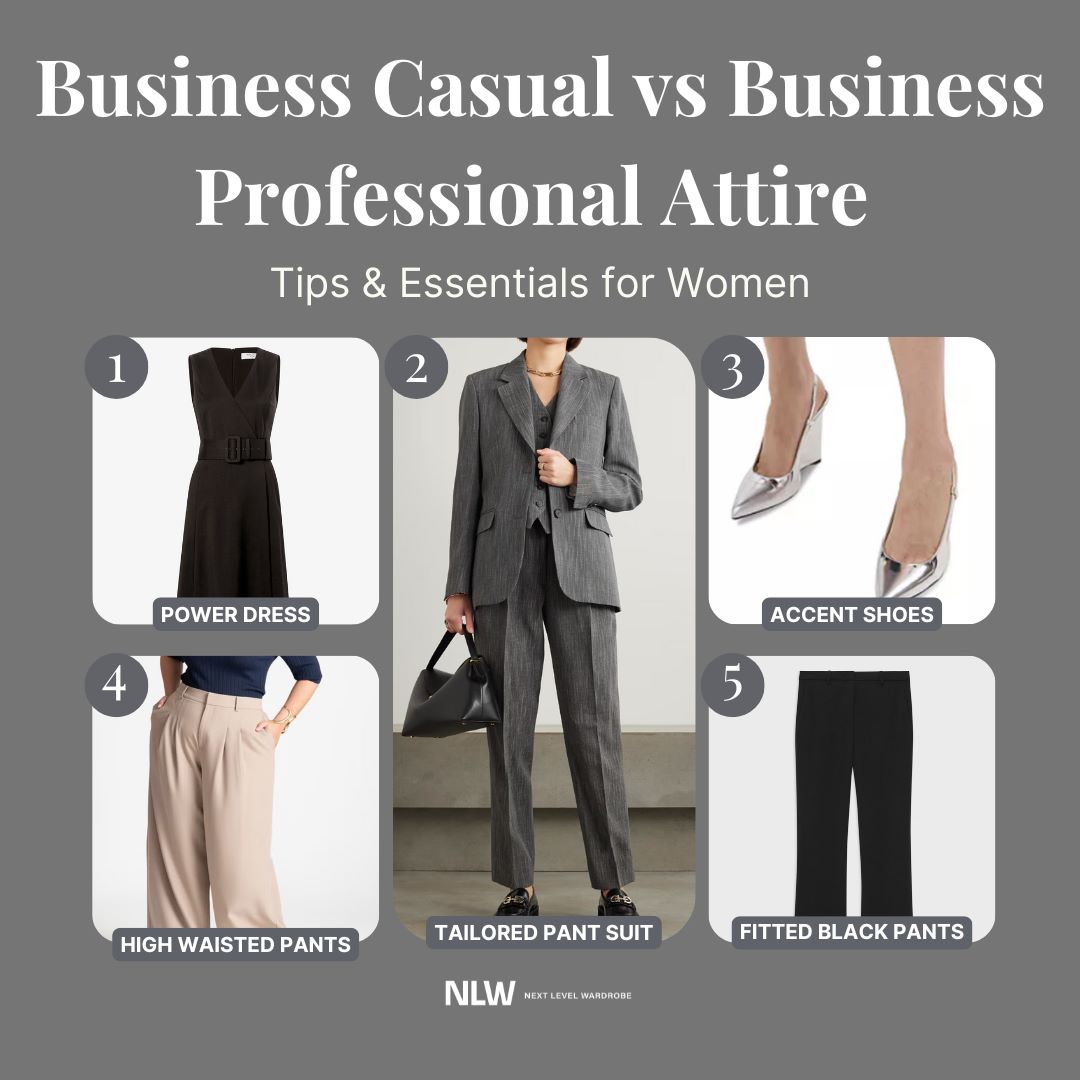
- Dress pants or tailored trousers
- Skirts (knee-length or longer)
- Blazers or cardigans
- Closed-toe shoes (loafers, flats, modest heels)
Examples Of Business Casual Outfits
- A white blouse with navy dress pants and black loafers
- A pastel cardigan over a patterned top, paired with a pencil skirt
- A beige blazer, simple blouse, and dark jeans (in some offices)
What Business Casual Is Not
- No ripped jeans, shorts, or graphic T-shirts
- No sneakers or flip-flops
- No overly revealing tops or skirts
Why Offices Choose Business Casual
Many companies use business casual to help employees feel comfortable but still look professional. It can boost confidence and help create a positive impression during meetings or presentations. In industries like technology, marketing, or education, business casual is common.
Non-obvious Insight
Some offices allow dark jeans as business casual, but only if paired with formal tops and shoes. Always check your company’s dress code before wearing jeans.
What Is Casual For Women?
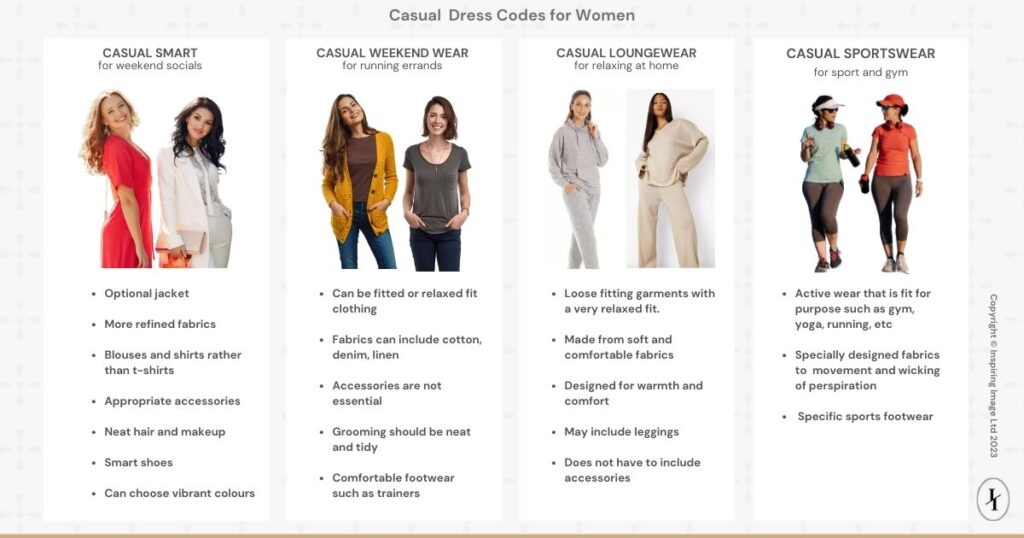
Casual style is the most relaxed dress code. It is for weekends, errands, or informal gatherings. Comfort is the main focus. There are no strict rules, and you can show your personality through your clothing choices.
Typical Casual Clothing
- T-shirts, tank tops, or casual blouses
- Jeans, shorts, leggings, or casual skirts
- Sneakers, sandals, or comfortable flats
- Sweaters, hoodies, or denim jackets
Casual Outfit Examples
- A graphic tee with ripped jeans and sneakers
- A flowy sundress with sandals
- Leggings and a soft sweater for errands
When To Wear Casual
Casual is perfect for family get-togethers, shopping, or relaxed weekends. It is not suitable for job interviews, business meetings, or formal events.
Non-obvious Insight
Even in casual settings, some locations (like upscale restaurants or certain clubs) may expect smart casual. Always check the environment before choosing your outfit.
Credit: inspiringimage.com
Key Differences Between Business Casual And Casual
While both styles offer comfort, the main difference is formality. Business casual is designed for professional settings, while casual is for leisure and informal moments. Let’s look at the major differences in detail.
Appearance
- Business casual: Looks neat, structured, and professional.
- Casual: Looks relaxed, loose, and personal.
Clothing Materials
- Business casual: Uses materials like cotton blends, wool, linen, or silk.
- Casual: Includes denim, jersey, fleece, and knit fabrics.
Accessories
- Business casual: Simple jewelry, classic handbags, and belts.
- Casual: Bright, playful accessories, backpacks, and oversized totes.
Footwear
- Business casual: Closed-toe shoes, modest heels, loafers.
- Casual: Sneakers, sandals, flip-flops, boots.
Comparison Table: Business Casual Vs Casual
| Aspect | Business Casual | Casual |
|---|---|---|
| Formality | Moderate | Low |
| Main Purpose | Work, meetings | Leisure, errands |
| Allowed Shoes | Loafers, flats, heels | Sneakers, sandals, boots |
| Tops | Blouses, button-downs | T-shirts, tanks, hoodies |
| Pants | Dress pants, skirts | Jeans, shorts, leggings |
| Accessories | Minimal, classic | Bold, personal |
| Color Palette | Neutrals, soft colors | Any, bright or muted |
| Fit | Tailored, structured | Loose or fitted |
How To Choose: Business Casual Vs Casual
Choosing between business casual and casual depends on the context and your goals.
Step-by-step Guide
1. Know The Setting
Is it a workplace, a meeting, or a relaxed event? Business casual is for offices and professional gatherings. Casual is for leisure.
2. Check The Dress Code
Some offices or events have rules. Read them carefully or ask HR.
3. Think About Your Role
If you are in a leadership position or meeting clients, business casual is safer. For a creative job or team lunch, casual may be fine.
4. Consider Comfort And Confidence
Wear clothes that help you feel comfortable but also confident. Business casual often boosts confidence in formal settings.
5. Use Layers
If unsure, wear layers. You can remove a blazer or switch shoes to adjust your look.
Practical Example
Suppose you work at a tech company. On weekdays, wear business casual: tailored pants, blouses, and closed-toe shoes. On Fridays, if the company allows, you might wear jeans and a neat top—a mix of casual and business casual.
Common Mistakes
- Wearing casual clothes to interviews or important meetings
- Overdressing in business casual at a casual party
- Mixing business casual pieces with sloppy casual items (like pairing a blazer with ripped jeans)
- Ignoring company dress codes
Credit: ninawalder.com
Building A Business Casual Wardrobe
A well-planned wardrobe makes daily choices easier. Start with basics and add pieces that reflect your style.
Essential Business Casual Pieces
- Blazers: One black, one neutral color
- Dress pants: Navy, black, or gray
- Blouses: Solid colors and simple patterns
- Cardigans: For layering
- Knee-length skirt: Pencil or A-line
- Closed-toe shoes: Flats and low heels
- Simple accessories: Stud earrings, classic watch
How To Mix And Match
Business casual is about versatility. Choose pieces that work together. For example, a black blazer goes with many tops and pants. Neutral dress pants pair with any blouse.
Data Table: Sample Business Casual Capsule Wardrobe
| Item | Quantity | Color Options |
|---|---|---|
| Blazer | 2 | Black, beige |
| Dress Pants | 3 | Black, navy, gray |
| Blouses | 4 | White, pastel, patterned |
| Cardigans | 2 | Soft pink, charcoal |
| Knee-length Skirt | 1 | Navy |
| Closed-toe Shoes | 2 | Black, nude |
| Accessories | 3 | Gold, silver, pearl |
Non-obvious Insight
Buy quality basics before trendy items. Well-made pants or blazers last longer and look better even after many washes.
Building A Casual Wardrobe
Casual wardrobes are more flexible. They allow for bold colors, prints, and comfort-focused pieces.
Essential Casual Pieces
- T-shirts: Solid and graphic prints
- Jeans: Classic, boyfriend, skinny
- Sweaters: Lightweight and chunky
- Leggings: For comfort
- Casual shoes: Sneakers, sandals
- Denim jacket: For layering
- Backpacks or totes: For daily use
How To Mix And Match
Casual outfits change with mood and activity. You can pair a graphic tee with jeans or wear a sundress with sandals. Layering is key in casual style.
Data Table: Sample Casual Capsule Wardrobe
| Item | Quantity | Style Tips |
|---|---|---|
| T-shirt | 4 | Mix solids and prints |
| Jeans | 2 | Choose different fits |
| Sweater | 2 | One lightweight, one chunky |
| Leggings | 2 | For errands or travel |
| Casual Shoes | 2 | Sneakers and sandals |
| Denim Jacket | 1 | Layer over tees or dresses |
| Backpack/Tote | 1 | Practical for daily use |
Non-obvious Insight
Casual pieces can be dressed up with accessories. For example, a plain tee and jeans look more polished with a bright scarf or bold earrings.
Smart Casual: The Middle Ground
Sometimes, the situation calls for something between business casual and casual. This is smart casual. It blends comfort and style, suitable for dinners, company parties, or creative workplaces.
What Is Smart Casual?
Smart casual uses business casual pieces but allows more relaxed items like dark jeans or trendy shoes. The goal is to look stylish but not too formal.
Smart Casual Example Outfits
- Dark jeans, a silk blouse, and a tailored blazer
- A midi dress with a denim jacket and flats
- Dress pants with a casual knit top and loafers
When To Use Smart Casual
Smart casual is ideal for events where you want to look polished, but strict business wear is not needed. It is popular in creative industries and informal company events.
Common Mistake
Many people confuse smart casual with casual. Smart casual always looks neat and intentional, not sloppy.
Business Casual And Casual In Different Cultures
Dress codes vary across countries and cultures. What is business casual in one country may be considered too casual in another.
Examples
- In Japan, business casual is often more formal: Blouses and jackets are common, but jeans are not.
- In Western countries, business casual is more relaxed: Tailored pants and simple tops are accepted.
- In some cultures, bright colors or bold prints are part of casual wear, while others prefer neutral tones.
Non-obvious Insight
If you travel or work internationally, research local dress codes. Showing respect for local culture helps build trust and avoids misunderstandings.
Credit: nextlevelwardrobe.com
Why Dress Codes Matter
Clothing choices affect how others see us and how we feel about ourselves. Wearing business casual in the right context can help you look reliable and prepared. Casual clothes help you relax and express your personality.
Impact On Confidence
Studies show that people feel more confident and perform better when they dress appropriately for the situation. Dressing well is linked to higher productivity and better social interactions.
Impact On Work And Relationships
- In professional settings, business casual helps create a positive impression.
- In social settings, casual wear helps you connect with others and feel comfortable.
External Resource
To learn more about dress codes and their impact on workplace culture, see Wikipedia Dress Code.
How To Transition Between Styles
Some days require both styles. You may need business casual for meetings, then switch to casual for evening plans. Transitioning easily is useful.
Tips For Transitioning
1. Layer Up
Wear a blazer or cardigan for work. Remove it after work for a casual look.
2. Change Shoes
Swap closed-toe shoes for sneakers or sandals.
3. Switch Accessories
Remove formal jewelry and add playful pieces.
4. Keep A Spare Outfit
Have a casual top or jeans in your bag for quick changes.
Example
Start your day in business casual: navy dress pants, white blouse, black flats. After work, remove the blazer, change into jeans, and add sneakers for a relaxed evening.
Non-obvious Insight
Choose wrinkle-free fabrics for easy transitions. Clothes made from blends like polyester-cotton stay neat all day.
Mistakes To Avoid In Each Style
Knowing what not to wear is as important as knowing what to wear.
Business Casual Mistakes
- Wearing athletic shoes or sandals
- Choosing tops with loud prints or graphics
- Skirts that are too short
- Overly casual accessories (backpacks, chunky jewelry)
Casual Mistakes
- Wearing pajamas or workout clothes outside of home or gym
- Mixing too many prints or colors
- Wearing dirty or wrinkled clothes
Common Mix-up
Some women combine business casual and casual incorrectly. For example, pairing a blazer with ripped jeans and flip-flops is not suitable for most offices.
How To Personalize Each Style
Personal style is important. Even in business casual, you can add touches that reflect your personality.
Business Casual Personalization
- Add a scarf or a statement necklace
- Choose blouses with subtle patterns
- Wear a colored blazer instead of black
- Pick shoes with a unique detail
Casual Personalization
- Use bold colors and prints
- Add playful accessories (hats, bags, bracelets)
- Try different shoe styles
Non-obvious Insight
Personalization is about balance. In business casual, keep personal touches subtle. In casual, go bold and creative.
How Age And Body Shape Affect Style Choices
Your age and body shape influence what looks best in both business casual and casual.
For Younger Women
- Trendy business casual items (cropped blazers, patterned blouses)
- Casual pieces like boyfriend jeans and oversized sweaters
For Older Women
- Classic business casual items (structured jackets, tailored pants)
- Casual pieces with a refined touch (dark jeans, soft knits)
For Different Body Types
- Pear shape: A-line skirts, tailored pants
- Apple shape: Flowing tops, straight-leg pants
- Hourglass: Fitted blouses, pencil skirts
Non-obvious Insight
Alter clothes for a perfect fit. Well-fitted clothes make any style look polished.
Sustainable And Ethical Choices
More women are choosing sustainable and ethical fashion. This affects both business casual and casual wardrobes.
How To Choose Sustainable Clothes
- Buy from brands with ethical practices
- Choose quality over quantity
- Recycle or donate clothes you no longer use
- Pick natural fabrics (cotton, linen, wool)
Why It Matters
Sustainable choices help the environment and support fair labor practices. Even small changes in buying habits make a difference.
Frequently Asked Questions
What Is The Main Difference Between Business Casual And Casual For Women?
The main difference is formality. Business casual is for professional settings and uses structured, neat clothes. Casual is for leisure and uses relaxed, comfortable pieces.
Can I Wear Jeans In Business Casual?
Some offices allow dark, neat jeans in business casual, but always check your company’s dress code. Never wear ripped or distressed jeans in business casual.
How Can I Make A Casual Outfit Look More Polished?
Add layers like a blazer or cardigan, choose neat shoes, and use simple accessories. Avoid wrinkled or overly casual pieces.
What Should I Avoid In Business Casual?
Avoid athletic shoes, graphic tees, short skirts, and flashy accessories. Stick to classic, modest pieces.
How Do I Know Which Style To Wear?
Consider the setting, dress code, and your role. If unsure, choose business casual or smart casual for professional events, and casual for informal gatherings.
Women today have more choices than ever before. Understanding business casual and casual helps you dress confidently for any occasion. With the right pieces and knowledge, you can express your personality while fitting the moment. Dressing well is not only about clothes—it is about feeling your best and making a positive impact wherever you go.
