

Business Casual What to Wear: Ultimate Guide to Stylish Success
You want to look sharp at work without feeling too formal or too relaxed. But figuring out what “business casual” really means can be confusing.
What should you wear to nail that perfect balance? This guide will clear up the mystery and help you choose outfits that make you feel confident and professional every day. Keep reading to discover simple tips and ideas that fit your style and your workplace.
Your next great outfit is just a few steps away.
Business Casual Basics
Business casual is a popular dress code in many workplaces. It balances professionalism with comfort. You want to look neat but not too formal. Knowing the basics helps you dress right for any business casual setting.
Understanding what to wear makes dressing easier. It avoids confusion and ensures you fit in well. Here are the key points to know about business casual style.
Key Elements Of Business Casual
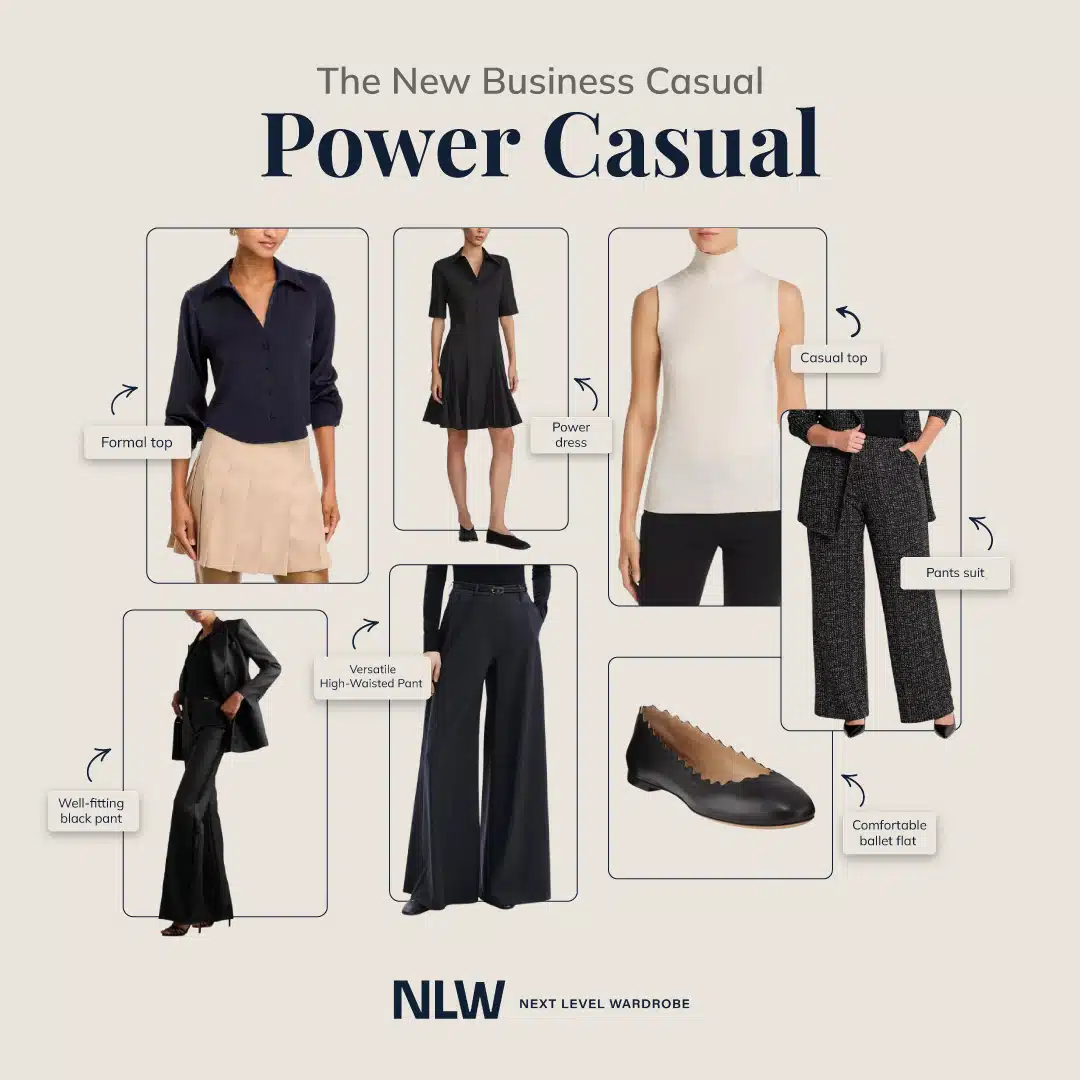
Business casual means clean, simple, and neat clothes. Shirts with collars, like button-downs or polos, work well. Pants should be chinos or dress slacks, not jeans. For women, blouses, skirts, or tailored pants are good choices.
Shoes should be closed-toe and polished. Avoid sneakers or sandals. Accessories must be simple and not flashy. Clothes should fit well and be wrinkle-free. Neutral colors like black, navy, gray, and white are safe bets.
Differences From Formal And Casual Wear
Business casual is less formal than suits and ties. It does not require jackets or ties for men. For women, it means no formal dresses or heavy makeup. It is more polished than casual wear like jeans and t-shirts.
Casual wear is relaxed and can be messy. Business casual looks tidy and put together. It shows respect for the workplace without being stiff. This dress code fits many offices and professional events.
Credit: nextlevelwardrobe.com
For Men
Men’s business casual style balances comfort and professionalism. It suits many workplaces without needing a full suit. Choosing the right pieces makes dressing simple and effective. This guide covers key clothing items for men to wear.
Shirts And Tops
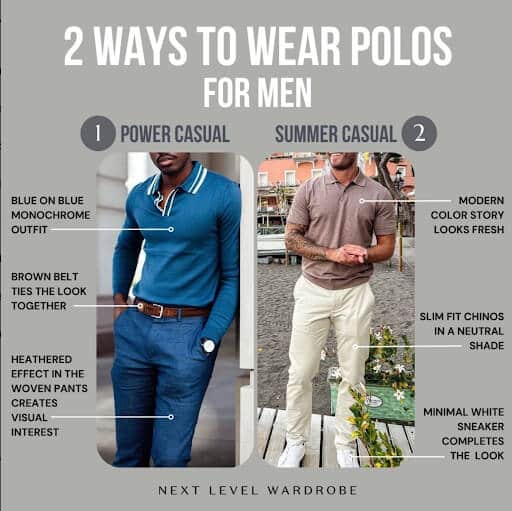
Choose button-down shirts in solid colors or subtle patterns. Light blue, white, or soft pastels work well. Polo shirts are acceptable if neat and fitted. Avoid loud prints or logos. Clean, wrinkle-free shirts make a strong impression.
Pants And Trousers
Opt for chinos or dress pants in neutral shades like navy, gray, or beige. Slim or straight cuts look modern and tidy. Avoid jeans unless the office explicitly allows them. Pants should fit well, not too tight or loose.
Footwear Choices
Leather shoes are the best choice for business casual. Loafers or oxfords in brown or black look professional. Keep shoes polished and in good condition. Avoid sneakers or sandals, as they appear too casual.
Accessories To Complement
Keep accessories simple and minimal. A classic watch adds a touch of style. Belts should match shoe color for a polished look. Avoid flashy jewelry or overly bright ties. Small details complete a neat outfit.
For Women
Business casual for women blends comfort and style for a neat look. It fits many workplaces and occasions. Choosing the right pieces helps you feel confident and professional.
Tops And Blouses
Choose tops that are neat and simple. Blouses with collars or subtle patterns work well. Avoid anything too tight or see-through. Soft colors like white, blue, or pastels suit most settings. Sleeveless tops can be fine if paired with a blazer or cardigan.
Bottoms And Dresses
Go for pants or skirts with a tailored fit. Pencil skirts and straight-leg pants look sharp. Dresses should be knee-length or longer. Stick to solid colors or gentle patterns. Avoid jeans or very casual fabrics like denim or jersey.
Shoes That Impress
Select shoes that are clean and comfortable. Flats, low heels, or loafers fit business casual well. Avoid sneakers, sandals, or very high heels. Choose neutral colors like black, brown, or nude. Your shoes should match your outfit style.
Accessorizing Smartly
Keep accessories simple and elegant. Small necklaces, stud earrings, or a classic watch work great. Avoid large or noisy pieces. A structured bag or tote completes your look. Accessories should add polish, not distract.

Credit: cloudedleopardpartners.org
Seasonal Adjustments
Business casual dress changes with the seasons. Choosing the right clothes helps you stay comfortable and look sharp. Adjusting your outfit for weather keeps you professional all year round. Simple swaps make a big difference in business casual style.
Spring And Summer Options
Light fabrics work best in warm weather. Cotton and linen keep you cool. Choose short-sleeve shirts or blouses with a neat collar. Lightweight chinos or dress pants replace heavy trousers. Dresses and skirts are great for women. Avoid dark colors that absorb heat. Soft pastels and light neutrals look fresh and clean.
Fall And Winter Layers
Layering is key in colder months. Start with a long-sleeve shirt or blouse. Add a sweater or a light jacket. Wool or knit fabrics provide warmth without bulk. Choose darker colors like navy, gray, or brown. A tailored blazer adds style and warmth. For very cold days, wear a smart overcoat. Closed shoes keep feet warm and professional.
Common Mistakes To Avoid
Business casual dress code can be tricky to follow. Many people make simple mistakes that affect their professional look. These errors can cause confusion about what is appropriate. Avoiding these common pitfalls helps you look neat and confident.
Wearing Clothes That Are Too Casual
Business casual is not the same as casual wear. Avoid jeans, t-shirts, and sneakers. Choose neat pants, skirts, or dresses. Pair them with a collared shirt or blouse. Shoes should be clean and professional. This keeps your outfit suitable for the workplace.
Ignoring Fit And Comfort
Ill-fitting clothes look sloppy and feel uncomfortable. Avoid clothes that are too tight or too loose. Choose items that fit your body shape well. Comfort helps you stay focused and confident all day.
Overdoing Accessories And Colors
Too many accessories can distract from your outfit. Keep jewelry simple and minimal. Bright, loud colors might seem fun but can look unprofessional. Stick to neutral or soft colors for a polished look.
Wearing Wrinkled Or Dirty Clothes
Wrinkled or stained clothes give a bad impression. Always check your outfit before leaving. Iron your clothes and make sure they are clean. This shows you care about your appearance.
Forgetting To Match Clothes Properly
Mixing very formal and very casual pieces confuses your look. Pair similar styles and levels of formality. For example, avoid wearing a blazer with gym shoes. Consistency in your outfit makes you look thoughtful and professional.
Dressing For Different Workplaces
Dressing for different workplaces means knowing what fits each environment. Each office has its own style and expectations. Choosing the right business casual outfit shows respect and professionalism. It also helps you feel confident throughout the day.
Corporate Offices
Corporate offices often have a formal tone. Business casual here leans towards polished and neat clothes. Men may wear dress shirts with slacks and a blazer. Women can choose blouses with tailored pants or skirts. Avoid loud colors or flashy accessories. Stick to neutral or soft tones for a clean look.
Creative Industries
Creative workplaces allow more freedom in clothing. Business casual can be more relaxed and colorful. Men might wear patterned shirts or casual blazers. Women can try stylish tops with smart jeans or casual dresses. Footwear can be trendy but tidy. Express yourself while keeping a professional edge.
Remote And Hybrid Settings
Remote work changes how business casual looks. Comfort is key, but keep it neat for video calls. Opt for simple tops or polos. Avoid pajamas or gym wear. Keep your outfit tidy from the waist up. Dressing well helps maintain focus and professionalism.
Tips For Building A Business Casual Wardrobe
Building a business casual wardrobe can feel tricky. You want to look professional but stay comfortable. Choosing the right clothes helps you dress confidently every day. Focus on simple, versatile pieces that work well together. This way, dressing becomes quick and easy.
Essential Pieces To Invest In
Start with a few key items. A well-fitted blazer adds polish to any outfit. Neutral colors like black, navy, or gray are best. Crisp button-down shirts in white or light blue never go out of style. Choose tailored pants or chinos for a clean look. Comfortable loafers or low heels complete your outfit. These basics create a strong foundation for your wardrobe.
Mixing And Matching Strategies
Combine different pieces to create fresh looks. Pair your blazer with jeans or dress pants. Swap button-downs for simple sweaters or blouses. Use colors that complement each other like navy with beige or white with gray. Layering lets you adjust to changing temperatures. Changing accessories can also update your outfit. Mixing smart and casual pieces keeps your style flexible and interesting.
Credit: nextlevelwardrobe.com
Frequently Asked Questions
What Defines Business Casual Dress Code?
Business casual means professional yet relaxed clothing. It blends formal and casual elements for comfort and style. Typical items include dress pants, blouses, collared shirts, and optional blazers or sweaters.
Can I Wear Jeans For Business Casual?
Dark, well-fitted jeans without rips may be acceptable. However, it depends on your workplace culture. When in doubt, opt for dress pants or chinos instead.
Are Sneakers Appropriate In Business Casual Outfits?
Clean, minimalist sneakers can work in some business casual settings. Choose neutral colors and pair them with tailored clothes. Avoid athletic or flashy sneakers to maintain professionalism.
How Do I Style Business Casual For Women?
Women can wear blouses, tailored pants, skirts, or dresses. Layer with blazers or cardigans for polish. Avoid overly bright colors or casual fabrics like denim.
Conclusion
Business casual dress code blends comfort with professionalism. Choose clothes that fit well and look neat. Simple shirts, blouses, and slacks work great. Avoid overly bright colors or flashy accessories. Clean shoes add a polished touch. Remember, dressing well shows respect and confidence.
Feel good in your outfit to perform your best. Keep your style clear and appropriate for work. Business casual helps you stay flexible and ready. Wear what makes you look smart and feel relaxed.
