

Business Casual vs Business Professional Men: Key Style Differences
Business Casual Vs Business Professional Men: A Complete Guide
Finding the right outfit for work can feel confusing, especially for men who want to look sharp but not overdo it. The terms business casual and business professional are everywhere, but many people still mix them up. Wearing the wrong style can make you stand out for the wrong reasons, whether you're starting a new job, attending an interview, or just want to look your best at the office.
Understanding the difference between business casual and business professional is more important today than ever. Companies are changing their dress codes, industries have different expectations, and the same outfit might work in one office but not another. In this guide, you’ll learn what sets these two styles apart, when and where to wear each, and how to master both without stress.
You’ll also discover tips that most beginners overlook and see examples of real outfits so you can dress with confidence for any work situation.
Understanding Business Casual
Business casual is a dress code that blends professionalism with comfort. It's less formal than business professional but still aims to look neat and put-together. Many offices, especially in tech, education, and creative industries, use business casual as their standard. But what exactly does it mean for men?
The business casual look allows more freedom with colors, patterns, and fabrics. You can skip the full suit and tie, but you should still avoid anything too relaxed, such as shorts, athletic wear, or sandals. Think of it as a middle ground between jeans and a suit.
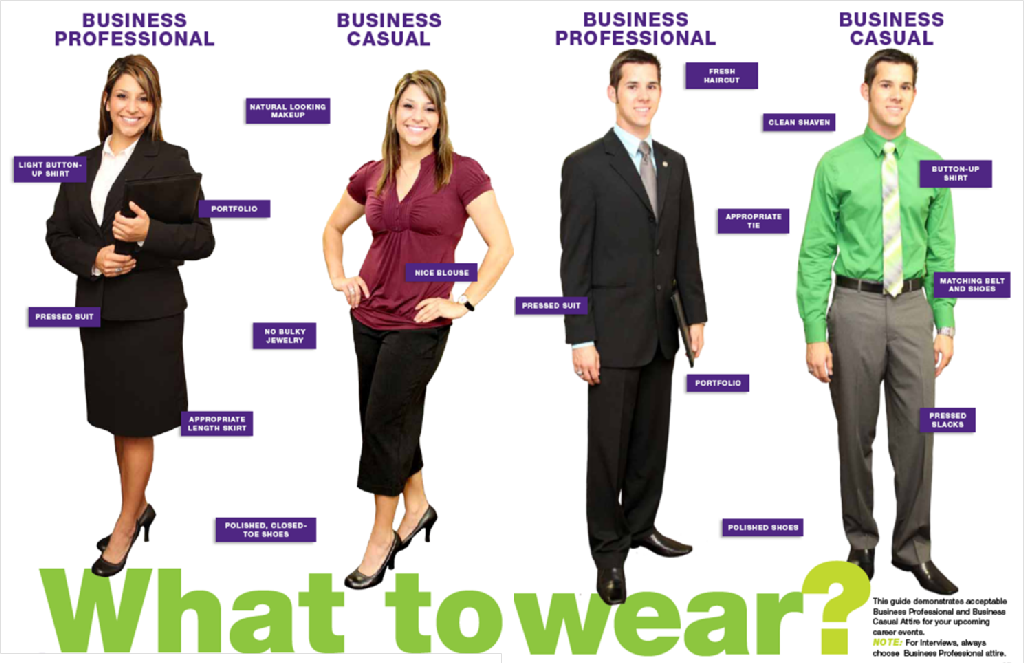
Key Elements Of Business Casual For Men
- Shirts: Collared shirts are the foundation. This includes button-down shirts, polo shirts, and sometimes even high-quality sweaters. Patterns and colors are welcome, but avoid anything too bold or flashy.
- Pants: Chinos, dress pants, or slacks work well. Dark jeans might be allowed in some offices, but always check your company’s policy first.
- Jackets: Blazers or sport coats can be added, but they are optional. If you wear one, it should be more relaxed than a suit jacket.
- Shoes: Leather loafers, brogues, or dress boots are ideal. Sneakers are usually not allowed unless specifically mentioned.
- Accessories: Simple belts, classic watches, and minimal jewelry. Ties are not required but can be worn if you want to look extra polished.
Example Business Casual Outfit
- Light blue button-down shirt
- Navy chinos
- Brown leather loafers
- Simple leather belt
- Optional gray cardigan
What To Avoid In Business Casual
- T-shirts with graphics or logos
- Athletic shoes or sandals
- Shorts or ripped jeans
- Loud patterns or neon colors
- Unkempt or wrinkled clothes
Why Companies Choose Business Casual
Many companies prefer business casual because it creates a friendly, modern atmosphere while still looking professional. Employees feel more comfortable, which can boost creativity and teamwork. However, there’s still an expectation to look tidy and respectful.
What Is Business Professional?
Business professional is the classic dress code for many traditional offices, especially in law, banking, finance, and some corporate headquarters. It’s all about looking polished, trustworthy, and ready for serious business.
Business professional means wearing a full suit, dress shirt, tie, and formal shoes. This style leaves little room for personal expression, but it sends a strong message of confidence and respect. Small details matter, and the focus is on quality, fit, and subtlety.
Core Components Of Business Professional For Men
- Suits: A matching jacket and trousers, usually in dark colors like navy, charcoal, or black. Patterns should be subtle, such as pinstripes or faint checks.
- Dress Shirts: Crisp, long-sleeved shirts in white, light blue, or other muted tones. Bold colors or patterns are not recommended.
- Ties: Required. Stick to silk ties in solid colors or simple patterns. Avoid novelty or bright designs.
- Shoes: Black or dark brown leather oxfords or derbies. Shoes should be polished and in good condition.
- Accessories: Leather belts that match your shoes, classic watches, and minimal jewelry. Pocket squares and cufflinks can add a touch of style, but keep them simple.
Example Business Professional Outfit
- Dark gray two-piece suit
- White dress shirt
- Navy silk tie
- Black leather oxford shoes
- Leather briefcase
The Importance Of Business Professional Attire
First impressions matter, especially in client meetings, interviews, and formal presentations. Business professional attire signals authority, reliability, and attention to detail. Companies use this dress code to maintain a high standard and to ensure everyone represents the organization well.
Business Casual Vs Business Professional: The Main Differences
It’s easy to see why the two styles get mixed up, but several clear differences set them apart. Here’s a comparison to help you understand at a glance.
| Aspect | Business Casual | Business Professional |
|---|---|---|
| Formality | Moderate | High |
| Suit Required? | No | Yes |
| Tie Required? | No | Yes |
| Shirt Type | Button-down, Polo, Sweater | Dress Shirt |
| Pants | Chinos, Slacks, Dark Jeans (sometimes) | Suit Trousers |
| Shoe Type | Loafers, Brogues | Oxfords, Derbies |
| Colors/Patterns | More variety allowed | Mostly neutral, subtle |
| Accessories | Minimal, optional tie | Essential tie, conservative accessories |
Situations Where Each Style Is Appropriate
- Business casual: Day-to-day office work, creative industries, tech companies, internal meetings, casual Fridays, business lunches.
- Business professional: Client meetings, interviews, board meetings, presentations, legal or finance jobs, formal events.
How To Choose The Right Dress Code
Knowing what to wear starts with understanding your environment. Here are some practical steps to help you decide:
- Read the employee handbook: Most companies share dress code details in their onboarding materials.
- Observe your colleagues: Notice what managers and team leaders wear. If you’re new, it’s better to dress up a bit more at first.
- Ask if unsure: HR or your supervisor can clarify expectations. It’s better to ask than to guess and get it wrong.
- Consider your daily tasks: If you meet clients, attend important meetings, or represent your company, business professional is safer.
- Industry standards: Some industries are naturally more formal (law, banking), while others are more relaxed (tech, design).
Special Note: When Dress Codes Are Not Clear
Some companies use terms like “smart casual” or don’t give much guidance at all. In these cases, it’s best to lean toward business casual, but avoid anything too relaxed. If you have an important event, it’s safer to wear business professional until you know the company culture.
Building A Versatile Wardrobe
You don’t need a huge closet to be well-dressed. With a few smart choices, you can create outfits for both business casual and business professional needs.
Essential Pieces For Every Man
- Two suits: Navy and charcoal are the most versatile colors. They work for almost any business professional situation.
- Three to five dress shirts: White, light blue, and subtle patterns cover most needs.
- Chinos and slacks: Have a few pairs in neutral colors like gray, navy, and beige.
- Blazer or sport coat: A navy blazer can be paired with chinos or dress pants for a smart business casual look.
- Dress shoes: One pair of black oxfords and one pair of brown loafers or brogues.
- Sweaters: Fine-knit V-necks or crewnecks in solid colors layer well over shirts.
- Ties and belts: A selection of classic silk ties and matching leather belts.
Sample Wardrobe Plan
| Item | Business Casual Use | Business Professional Use |
|---|---|---|
| Navy Suit | Jacket with chinos | Full suit for meetings |
| White Shirt | With chinos, no tie | With suit and tie |
| Brown Loafers | With slacks or chinos | Rarely (depends on company) |
| Gray Sweater | Over shirt, no jacket | Under suit for cold weather |
The Power Of Fit
No matter which dress code you follow, fit is king. Even the most expensive suit looks sloppy if it’s too big or too small. Tailor your suits, hem your pants, and make sure shirts are not too loose around the neck or arms.
Budget-friendly Tips
- Buy fewer, better pieces: Quality over quantity pays off.
- Mix and match: Choose colors and styles that work together.
- Shop sales and outlets: Classic styles rarely go out of fashion, so you can save by buying last season’s items.
Common Mistakes And How To Avoid Them
Many men make simple mistakes when trying to dress for business casual or professional environments. Here’s what to watch out for:
Business Casual Mistakes
- Going too casual: Wearing jeans with rips, sneakers, or T-shirts ruins the look.
- Ignoring grooming: Unkempt hair or wrinkled clothes can make you look sloppy, no matter what you wear.
- Mixing patterns poorly: Too many loud patterns clash and distract.
- Forgetting about shoes: Old or dirty shoes can spoil an otherwise good outfit.
- Wearing athletic socks: Visible white sports socks don’t belong in business casual.
Business Professional Mistakes
- Poorly fitted suits: Baggy or tight suits look unprofessional.
- Skipping the tie: In a business professional setting, a tie is essential.
- Using flashy accessories: Stick to classic, subtle pieces.
- Worn-out shoes: Scuffed or old shoes can ruin a sharp suit.
- Ignoring the details: Missing buttons, untucked shirts, or visible undershirts show lack of attention.
Credit: www.morganhunter.com
The Role Of Culture And Geography
Dress codes are not the same everywhere. What works in a New York bank may look out of place in a Silicon Valley tech startup or a European design agency. Climate also matters—lighter fabrics and colors are common in warmer places, while darker, heavier suits are typical in colder cities.
How To Adapt
- Research local norms: If traveling or moving, learn what’s normal in that area.
- Adjust for weather: Linen and cotton are cooler for hot climates; wool is better for cold.
- Layer smartly: In places with changing temperatures, layering helps you stay comfortable without losing style.
The Psychology Of Dress Codes
What you wear affects how others see you and how you feel about yourself. Studies show that dressing professionally can boost confidence, help you focus, and make you appear more competent.
- First impressions: People form opinions in seconds. A sharp outfit can help you start on the right foot.
- Authority and respect: Dressing up signals seriousness and can help you earn trust.
- Personal motivation: When you look good, you often feel more motivated and productive.
Transitioning Between Dress Codes
Sometimes, you may need to switch between business casual and business professional during the same day. Here are some ways to adapt easily:
- Keep a tie and jacket at your desk: If you have a surprise meeting, you can quickly dress up.
- Choose versatile shoes: A pair of simple brown or black leather shoes work for both codes.
- Wear neutral colors: They are easier to match and look appropriate in most situations.
- Use layers: Adding or removing a blazer or sweater can help you adjust to the occasion.
Example: From Casual To Professional
Start your day with chinos, a dress shirt, and loafers. If you get called into an important meeting, add a blazer and tie. This quick change can take you from relaxed to formal in minutes.
Case Study: Tech Company Vs Law Firm
Let’s look at two real-world examples to see how the dress codes differ.
Tech Company (business Casual)
At a large software company, employees are expected to look neat but not overly formal. Most men wear button-down shirts, chinos, and leather shoes. A blazer might be added for presentations, but ties are rare. Jeans are sometimes allowed if they’re dark and not ripped.
Law Firm (business Professional)
In a top law firm, every man is expected to wear a dark suit, white or light blue shirt, silk tie, and polished black shoes. Even on Fridays, the dress code stays strict. Small details, like cufflinks or a pocket square, are used for subtle style but nothing flashy.
These examples show how the same person might need two very different wardrobes, depending on the job or industry.

Credit: www.hockerty.com
Real-world Data: Dress Code Trends
Workplace dress codes are changing. According to a survey by the Society for Human Resource Management, about 50% of companies now allow business casual at least once a week, and 10% have a casual dress code all the time. However, in finance and law, more than 80% still require business professional attire for client meetings or important events.
Another study found that employees in more formal offices are 20% more likely to be promoted within the first two years compared to those in casual environments. This suggests that, even as dress codes relax, there’s still value in knowing how to dress up when needed.
Expert Tips For Mastering Both Styles
- Invest in tailoring: Even affordable clothes look better when they fit right.
- Rotate your wardrobe: Avoid wearing the same outfit two days in a row to keep your style fresh.
- Pay attention to details: Iron your shirts, polish your shoes, and check for loose threads.
- Build a capsule wardrobe: Choose pieces that work together, so you can create many outfits from a few items.
- Stay updated: Fashion changes, so check company policies and update your wardrobe every few years.
Two Non-obvious Insights
- Fabric choice can signal formality: Wool and high-quality cotton are seen as more professional, while linen or blends feel more casual—even if the cut is similar.
- Color coordination matters more than you think: Even within business casual, pairing neutral tones with a single accent color can help you look more intentional and stylish.
Frequently Asked Questions
What’s The Biggest Difference Between Business Casual And Business Professional For Men?
Business casual allows more flexibility and comfort, with options like chinos, polo shirts, and loafers. Business professional is stricter, requiring a full suit, dress shirt, tie, and formal shoes. The main difference is the level of formality and the expectation for a matching suit and tie in professional settings.

Credit: michaeltailors.com
Can I Wear Jeans In A Business Casual Office?
It depends on the company. Some business casual offices allow dark, well-fitted jeans with no rips or fading, while others do not. Always check your company policy or observe what others wear before choosing jeans.
How Many Suits Do I Need For A Business Professional Job?
Two to three suits in classic colors (navy, charcoal, black) are usually enough for most men. You can rotate them throughout the week and change shirts and ties for variety. Make sure they are well-tailored for the best look.
Is It Okay To Skip The Tie In Business Professional?
No, a tie is almost always required in business professional settings. Skipping the tie can make you look underdressed. If you are unsure, it’s safer to wear one; you can always remove it later if the environment is more relaxed.
Where Can I Learn More About Dress Codes And Workplace Fashion?
For more in-depth advice, you can visit Real Men Real Style, a trusted source for men’s fashion and professional dressing tips.
Dressing right is not about following strict rules, but about feeling confident and showing respect for your work and your colleagues. Whether your office is business casual or business professional, the right clothes can help you make a strong impression and succeed in any career. Take the time to learn what works for you, invest in quality basics, and remember: your style speaks before you do.
