

Business Casual Shirt Options Men Will Love in 2024
Business Casual Shirt Options Men
Today, many workplaces and social events use a business casual dress code. This style blends professionalism with comfort, allowing men to look sharp without feeling stiff. Choosing the right business casual shirt can make a big difference in your appearance and confidence. If you’re unsure which shirts work best, or how to mix style and comfort, you’re not alone. This guide will help you understand shirt types, fabrics, fit, colors, and how to avoid common mistakes. Along the way, you’ll see real examples, data, and comparisons to help you make smart choices.
Understanding Business Casual
Business casual is not the same everywhere. In some offices, it means no ties and a relaxed look. In others, it’s still quite formal. The main rule: avoid anything too casual (like T-shirts) or too formal (like full suits). Business casual shirts must look neat, fit well, and match the setting. You want to look professional but approachable.
A study from the Society for Human Resource Management found that over 60% of US companies now use some form of business casual dress code. This means knowing what works is important for career success.
Another important point: business casual is also becoming common at networking events, conferences, and even interviews. The flexibility of business casual lets you express your style but also shows respect for the occasion. For example, a well-chosen shirt can help you feel more confident when meeting new people or presenting in front of colleagues.
Main Types Of Business Casual Shirts
Men have many choices for business casual shirts. Each type offers a different look and level of formality. Here are the most popular options:
1. Button-down Dress Shirts
These are classic shirts with a collar and buttons down the front. They work well tucked or untucked. Choose solid colors or subtle patterns. Avoid shirts with loud prints or flashy details.
Button-down shirts are the safest option for most business environments. They can be worn alone or layered under sweaters or blazers. If you want to add variety, try shirts with a small stripe or a light check pattern.
2. Oxford Shirts
Oxford shirts are made from thicker fabric called Oxford cloth. They’re more casual than traditional dress shirts but still professional. They often have button-down collars and a slightly textured feel.
Oxford shirts can handle a bit more wear and tear. They’re great for offices that value practicality. You can wear them with dress pants or jeans, making them one of the most versatile business casual shirts.
3. Polo Shirts
Polo shirts are short-sleeved with a collar and a few buttons at the neck. They’re comfortable and easy to wear. Polos work best in warmer weather or casual offices. Stick to simple colors, no large logos.
Polos are also useful for after-work events or business lunches. They look relaxed but still neat. If your office has casual Fridays, a polo shirt is a popular choice.
4. Patterned Shirts
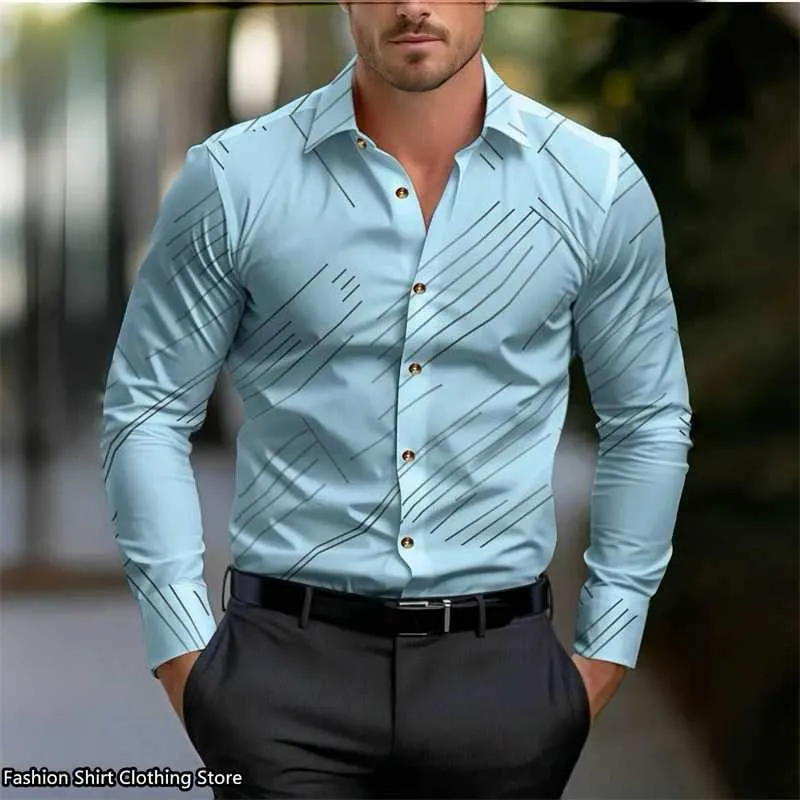
Patterns like checks, stripes, or small prints can add personality. Keep patterns subtle. Large, bold designs are too casual for most business settings.
Wearing a patterned shirt can help you stand out in a positive way. For example, a shirt with thin stripes or tiny dots shows you care about detail, but don’t overdo it. If you’re new to patterns, start with light blue stripes or small checks.
5. Linen Shirts
Linen shirts are lightweight and breathable. They’re ideal for hot climates or summer months. Linen wrinkles easily, so look for blends if you want a sharper look.
Linen shirts can be tricky. Pure linen is great for comfort, but blended linen (with cotton or polyester) stays neater. You can wear linen shirts with light-colored chinos for a fresh summer style.
6. Chambray Shirts
Chambray is similar to denim but softer and lighter. Chambray shirts look relaxed but can be dressed up with the right pants and shoes.
Chambray shirts are good for smart-casual events like team outings or informal meetings. Pair them with dark pants and leather shoes for a balanced look.
7. Knit Shirts
These shirts use stretchy fabrics, offering more comfort. They’re often found in slim or tailored fits. Some knit shirts look almost like sweaters, but thinner.
Knit shirts are often overlooked. They work well in cooler months and can be layered under jackets. Try a knit shirt if you want something different from the classic button-down.
8. Short-sleeve Shirts
Short sleeves can be business casual if the shirt looks smart and fits well. Avoid shirts with pockets or casual details.
Short-sleeve shirts are best for summer or relaxed offices. Make sure the sleeves are not too loose or too tight. Choose shirts with a clean finish and subtle colors.
9. Non-iron Shirts
Non-iron shirts are treated to resist wrinkles. They’re good for busy people who travel or hate ironing.
Non-iron shirts save time and always look crisp. If you travel often, pack two or three non-iron shirts to avoid last-minute stress.
10. Dressy T-shirts
Some offices allow high-quality, plain T-shirts under blazers or cardigans. Only choose thick, well-made shirts without logos.
Dressy T-shirts are a new trend. They work in creative industries, but always check the company culture first. Choose neutral colors and avoid anything too tight or too loose.
Comparing Shirt Types
Choosing between shirt types depends on your workplace, climate, and style. Here’s a quick comparison to help you decide:
| Shirt Type | Formality | Comfort | Best For |
|---|---|---|---|
| Button-Down Dress Shirt | High | Medium | Most offices |
| Oxford Shirt | Medium | High | Casual workplaces |
| Polo Shirt | Low-Medium | High | Warm weather |
| Linen Shirt | Medium | High | Summer |
| Chambray Shirt | Medium | Medium | Smart-casual events |
This table shows that button-down shirts are best for formal settings, while polos or linen shirts are more relaxed. Always check your office rules before choosing.
If you’re unsure, start with Oxford or button-down shirts. You can add polo or linen shirts as you learn what’s acceptable. Remember, layering a shirt under a sweater or blazer raises the formality.
Fabric Choices For Business Casual Shirts
Fabric affects how the shirt feels, looks, and lasts. Here are the most common materials:
Cotton
Cotton is the most popular. It’s breathable, soft, and easy to care for. Look for “100% cotton” or blends with polyester for durability.
Cotton shirts are great for all seasons. They’re comfortable and rarely irritate the skin. Some cotton shirts use “poplin” weave, which is smooth and crisp.
Linen
Linen is perfect for hot weather. It’s light and airy. Pure linen wrinkles easily, so blends are sometimes better.
Linen’s biggest advantage is its cooling effect. Many men avoid linen because of wrinkles, but a linen-cotton blend gives you comfort and a cleaner look.
Oxford Cloth
This is a thicker, textured cotton. It’s strong and durable, perfect for Oxford shirts.
Oxford cloth lasts longer than regular cotton. It’s resistant to wear and often used for shirts you can wear multiple times a week.
Polyester
Polyester is synthetic and often blended with cotton. It resists wrinkles, dries fast, and lasts longer. Some people find polyester less comfortable.
Polyester blends are good for travel and busy schedules. Some shirts use “performance” polyester, which wicks moisture away.
Chambray
Chambray is made from cotton but woven differently. It feels soft like denim but is much lighter.
Chambray shirts are a good choice for men who want a bit of texture but don’t like thick fabrics.
Knit
Knits use stretchy threads for more comfort. These shirts fit closer to the body.
Knit shirts are good for men who value movement and flexibility. They often come in slim or athletic fits.
Non-iron
Non-iron shirts use cotton with chemical treatment. They keep a fresh look all day.
Non-iron shirts are ideal for men who want to look sharp with minimal effort. They’re also good for travel and unpredictable weather.
| Fabric | Breathability | Wrinkle Resistance | Comfort |
|---|---|---|---|
| Cotton | High | Medium | High |
| Linen | Very High | Low | High |
| Polyester | Medium | High | Medium |
| Oxford Cloth | Medium | Medium | High |
| Chambray | Medium | Medium | High |
| Knit | High | Medium | Very High |
| Non-Iron | Medium | Very High | Medium |
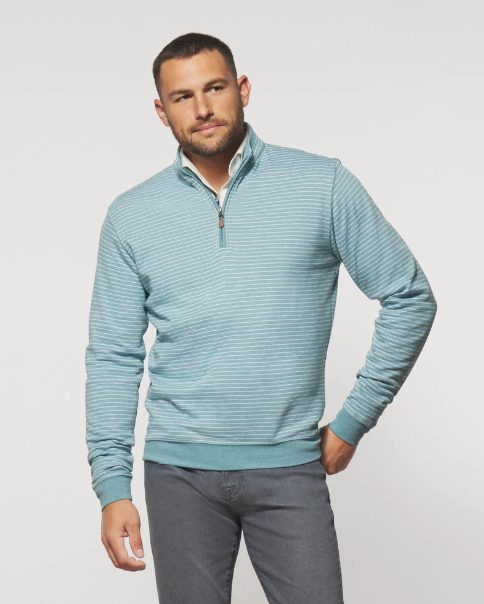
Another insight: Some premium shirts use “performance blends” that combine breathability, stretch, and wrinkle resistance. These are ideal for men who move a lot during the day.
Credit: www.libins.com
Choosing The Right Fit
Fit is more important than many people realize. Wearing the right fit makes you look smarter and feel better. Here are the main fits you’ll find:
Classic Fit
This is loose and comfortable. Good for bigger men or those who want extra space.
Classic fit is forgiving and suits older men or those who prefer comfort over style. It’s also easier to layer under sweaters.
Slim Fit
Slim fit shirts hug the body. They look modern and neat. If you’re slim or athletic, this is a great option.
Slim fit is best for younger men or those with a trim body shape. It’s important to avoid shirts that are too tight, as they restrict movement.
Tailored Fit
Tailored fit is between classic and slim. It’s comfortable but still sharp.
Tailored fit works for most body types. If you want a balance between comfort and style, this is a safe choice.
Athletic Fit
Athletic fit shirts have extra room in the chest and shoulders but taper at the waist. Ideal for men with muscular builds.
Athletic fit is sometimes labeled as “muscle fit. ” It prevents tightness around the shoulders and arms.
How To Find Your Perfect Fit
- Try shirts in person if possible.
- Check shoulder seams (they should sit at your shoulder).
- Look for sleeves that end at your wrist.
- Make sure you can move your arms easily.
- Avoid shirts that bunch or sag around your waist.
A survey from the American Apparel & Footwear Association found that over 70% of men wear the wrong shirt size. This leads to discomfort and poor appearance. Always check your measurements before buying.
Also, don’t rely only on “small,” “medium,” or “large. ” Check the brand’s size chart, as sizing can differ between brands. If you’re between sizes, tailor your shirts for a perfect fit.
Colors And Patterns
Color sets the tone. Patterns add personality. Here’s how to choose wisely:
Best Colors
- White: Always professional and easy to match.
- Light Blue: Soft, approachable, and works with most pants.
- Gray: Neutral and modern.
- Navy: Sharp and slimming.
- Pink: Adds color without being loud.
Add one or two shirts in pastel colors (like pale green or lavender) if your office allows. These colors are subtle but show you’re comfortable with your style.
Patterns
- Stripes: Vertical stripes look taller and slimmer.
- Checks: Small checks are smart, big checks are casual.
- Microprints: Tiny dots or shapes add interest, but stay subtle.
Avoid shirts with neon colors or large prints. They distract and look unprofessional.
An insight: Color and pattern can also signal your mood. On days when you want to feel confident, choose navy or dark blue. For approachable, friendly days, light blue or pink works well.
When To Tuck Or Untuck
Whether you tuck your shirt depends on the shirt style, fit, and event. Here’s a simple rule:
- Tuck: If the shirt is long or you’re in a formal office.
- Untuck: If the shirt is short, has a straight hem, or you’re in a relaxed setting.
Button-down shirts and dress shirts usually look best tucked. Polos and some short-sleeve shirts can be worn untucked.
If you want to look taller, tuck your shirt and wear a belt. Untucked shirts create a more relaxed vibe. Always check the shirt’s hem—the straight hem is made for untucking.
Matching Shirts With Pants
Business casual shirts must pair well with pants. Here’s how to do it:
- Dress Shirts: Pair with chinos, dress pants, or dark jeans.
- Polos: Wear with khakis or tailored shorts (in very casual offices).
- Oxford Shirts: Work with chinos or jeans.
- Linen Shirts: Look best with light-colored pants.
Avoid baggy pants or shorts unless your office is very relaxed.
For a balanced look, match lighter shirts with darker pants and vice versa. If you wear a patterned shirt, keep your pants simple. One overlooked detail: shoe color matters. Match your shoes to your belt and keep the whole outfit coordinated.
Accessories That Work
Accessories can improve your business casual look. Choose wisely:
- Belts: Match your belt with your shoes.
- Watches: A simple watch adds style.
- Socks: Stick to solid colors or subtle patterns.
- Shoes: Loafers, brogues, or clean sneakers are good.
Never wear flashy jewelry or sports caps.
A subtle pocket square in your blazer can add style without being too bold. Many men skip accessories, but they can make you look polished.
Shirt Care And Maintenance
Proper care keeps your shirts looking new. Here’s what to do:
- Wash shirts in cold water to prevent shrinking.
- Hang shirts to dry or use low heat.
- Iron shirts when needed, but non-iron shirts save time.
- Store shirts on hangers, not folded.
A non-obvious tip: Rotate your shirts. Don’t wear the same shirt two days in a row. This helps shirts last longer and stay fresh.
Another tip: If you spill something, rinse the shirt quickly in cold water. This prevents stains from setting. Many men overlook this, leading to permanent marks.
Mistakes To Avoid
Even experienced men make mistakes with business casual shirts. Here are common errors:
- Wearing shirts with wrinkles or stains: Always check before leaving the house.
- Choosing shirts that don’t fit: Bad fit ruins your look.
- Using shirts with large logos: Keep branding subtle.
- Ignoring office rules: Know your company’s dress code.
- Mixing casual shirts with formal pants: Keep styles consistent.
One insight beginners miss: Not all “business casual” is the same. What works in one company may not work in another. Always check and ask if you’re unsure.
Another mistake: Wearing shirts with faded colors or worn collars. Replace shirts when they look tired. Fresh shirts always make a better impression.
Seasonal Shirt Choices
Different seasons affect your shirt choices. Here’s how to adjust:
Spring
Go for light colors and breathable fabrics like cotton or linen. Avoid thick shirts.
Spring is also a good time to add pastel shirts or subtle patterns. Layering with a light sweater is helpful for changing weather.
Summer
Choose short sleeves, linen, or polos. Light colors help you stay cool.
Remember, sweat marks show more on dark shirts. Choose moisture-wicking fabrics if you sweat easily.
Fall
Switch to Oxford shirts or chambray. Layer with sweaters or vests.
Earth tones like olive, brown, or burgundy fit well in fall. You can also add a scarf for extra warmth and style.
Winter
Wear thicker shirts, like flannel. Layer with blazers or cardigans. Dark colors are warmer and more formal.
Flannel shirts are sometimes allowed in business casual offices if they have a simple, neat pattern. Layering is key for winter comfort.
Business Casual Shirt Brands
Many brands offer quality business casual shirts. Here are some popular choices:
- Brooks Brothers: Known for classic dress shirts.
- Uniqlo: Affordable, stylish shirts.
- Ralph Lauren: Polo shirts and Oxford shirts.
- Banana Republic: Modern styles.
- Charles Tyrwhitt: Good for slim and tailored fits.
Choose brands that match your budget and style. Sometimes, local brands offer great shirts at lower prices.
If you want unique styles, check smaller online brands or local stores. They often offer limited edition shirts that help you stand out.
Price Range And Value
Business casual shirts cost anywhere from $20 to $200. Price depends on brand, fabric, and fit.
| Price Range | Brand Examples | Quality |
|---|---|---|
| $20–$50 | Uniqlo, Old Navy | Basic, good for starters |
| $50–$100 | Banana Republic, Charles Tyrwhitt | Better fit, more options |
| $100–$200 | Brooks Brothers, Ralph Lauren | Premium fabrics, perfect fit |
You don’t need to spend a fortune. Look for sales, buy in sets, or try outlet stores.
If you buy shirts online, check return policies. Some brands offer free returns if the shirt doesn’t fit. This saves money and makes shopping easier.
Online Vs. In-store Shopping
Buying shirts online is easy, but tricky. Always check size charts and reviews. In-store shopping lets you try shirts and see colors in person.
One tip: Order one shirt online before buying more. This way, you test the fit and quality.
Another insight: In-store shopping allows you to feel the fabric and check the stitching. High-quality shirts have tight, even stitching and smooth buttons.
Sustainable Business Casual Shirts
Eco-friendly shirts are popular. Look for organic cotton, recycled materials, or brands with fair labor practices. Sustainable shirts last longer and help the environment.
An insight many miss: Some “cheap” shirts wear out fast. In the long run, sustainable shirts can be a better investment.
Some brands offer “repair services” for damaged shirts, helping you save money and reduce waste.
How To Build A Shirt Wardrobe
Start with basics, then add variety:
- 2–3 white or light blue dress shirts
- 2 Oxford shirts
- 2 polos
- 1–2 linen shirts (for summer)
- 1–2 patterned shirts
- 1 chambray shirt
This mix lets you dress for any business casual event.
If you need shirts for different seasons, add a flannel for winter and pastel shirts for spring.
Real-life Examples
Let’s look at two common scenarios:
New Job In A Business Casual Office
You need shirts that fit well and look smart. Start with classic button-down shirts in white and blue. Add an Oxford shirt for Fridays. Mix in a polo for casual days.
If you want to impress, wear a subtle patterned shirt or layer with a vest. Avoid experimenting too much in your first month.
Attending Networking Events
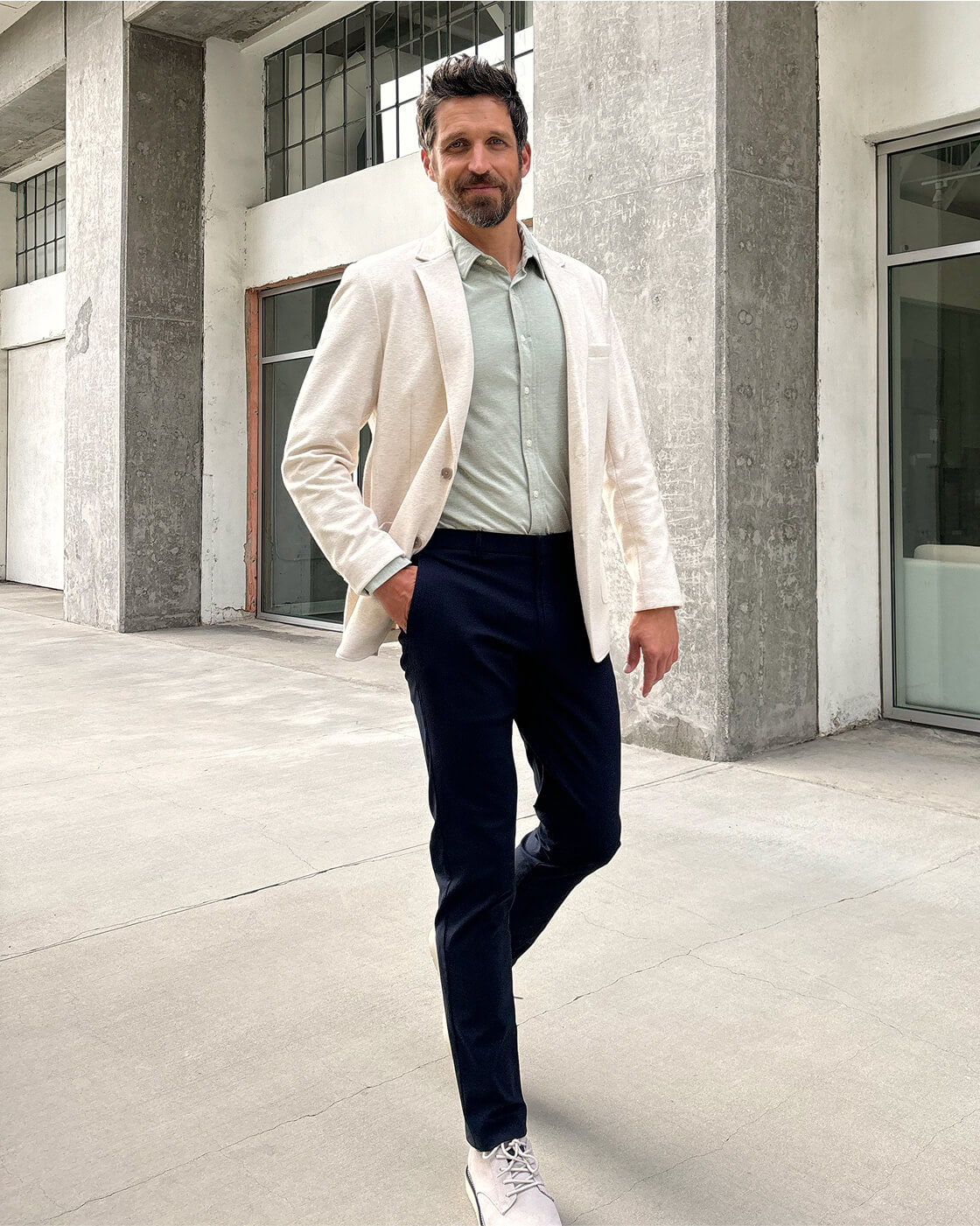
Choose a patterned shirt for personality. Pair with dark pants and smart shoes. Add a blazer if you want a sharper look.
If you’re unsure about the dress code, bring a sweater or blazer. You can always remove it if the event feels more relaxed.
Credit: www.dhgate.com
How To Upgrade Your Look
Small changes can make a big difference:
- Try a tailored fit instead of classic.
- Choose shirts with subtle patterns.
- Use accessories like a slim belt or watch.
- Layer with a vest or cardigan.
Many men overlook layering. A simple sweater over a shirt adds depth and style.
Another tip: Tuck in your shirt and wear a matching belt for a cleaner look. Choose shoes that match the occasion—leather loafers for formal, clean sneakers for casual.
Common Questions And Answers
Credit: www.stitchfix.com
Frequently Asked Questions
How Many Business Casual Shirts Should I Own?
A good number is 7–10 shirts. This gives you options for each day and season. Start with basics, then add more as needed.
If you travel often, add non-iron shirts to your collection.
Can I Wear A Business Casual Shirt Untucked?
Yes, if the shirt has a straight hem and fits well. Polos and some Oxford shirts work untucked. Dress shirts are usually tucked.
Check the length—if the shirt covers your pockets, it’s too long to untuck.
What’s The Best Fabric For Summer?
Linen and lightweight cotton are best for hot weather. They’re breathable and comfortable.
Also, look for shirts labeled “moisture-wicking” if you sweat easily.
Are Patterned Shirts Acceptable?
Yes, as long as patterns are subtle. Small checks, stripes, and microprints look professional. Avoid large, bold designs.
If your office is more creative, you can try bolder patterns. Always start with subtle prints.
How Do I Keep Shirts Wrinkle-free?
Use non-iron shirts or iron them regularly. Hang shirts on hangers and avoid folding. For travel, roll shirts instead of folding.
Another tip: Use a fabric spray to refresh shirts between wears.
Final Thoughts
Business casual shirts are more than just clothing. They shape how people see you at work and in social settings. By choosing the right type, fit, fabric, and color, you create a look that’s comfortable, smart, and confident. Pay attention to details, avoid common mistakes, and build a versatile wardrobe. Whether you’re new to business casual or looking to upgrade, these tips help you make better choices. If you want more guidance, check resources like Business Casual Style Guide for deeper advice. Remember, style is not just about rules—it’s about expressing yourself while staying professional.
