

Business Casual Outfits Men Work: Stylish Looks for Success
Business Casual Outfits Men Work
Choosing the right clothes for work can feel tricky. Many offices ask for business casual outfits. This dress code lets you look professional, but also feel comfortable. If you are a man wanting to dress well at work, understanding business casual is important. It is not as formal as a suit and tie, but it is more polished than jeans and a T-shirt.
This guide will help you discover what counts as business casual, how to build a wardrobe, and how to mix and match pieces. You will learn smart tips about colors, fit, shoes, and accessories. Plus, you will see real examples and compare popular choices.
Whether you are new to business casual or want fresh ideas, this article will make things clear and simple. Let’s get started so you can feel confident every day at the office.
What Does Business Casual Really Mean?
The term business casual is often confusing. Some people think it just means “no tie.” Others believe it means “no suit.” But the truth is, business casual is a mix of professional and relaxed. You need to look neat, but you don’t have to wear a full suit.
Business casual usually means:
- Collared shirts (like dress shirts, polo shirts)
- Dress pants or chinos
- Blazers or sweaters (optional)
- Dress shoes or loafers
- No jeans, shorts, sneakers, or graphic T-shirts
Every company has its own rules. Some allow more color, others prefer classic styles. If you are not sure, look at what your coworkers wear or ask your boss. It is always better to dress slightly more formal than too casual.
One thing beginners miss: business casual does not mean old or wrinkled clothes. Even if you are not wearing a suit, your outfit must be clean, pressed, and well-fitted.
Building A Business Casual Wardrobe
Building your wardrobe is the first step. You do not need many clothes. Start with basics, then add pieces that fit your style and job.
Essential Shirts
The shirt is the foundation. Choose shirts with a collar. Good options include:
- Dress shirts: Solid colors like white, light blue, pale pink, or light grey work well. Patterns (like stripes or checks) are fine if they are subtle.
- Polo shirts: These are more relaxed but still neat. Stick with solid colors or simple patterns.
Avoid shirts with bold prints or logos. Your shirt should not draw too much attention.
Pants And Trousers
Your pants matter as much as your shirt. Business casual pants include:
- Dress pants: Usually made from wool or cotton. Dark colors (navy, charcoal, black) are easiest to match.
- Chinos: A bit more relaxed. Khaki, navy, or olive are popular choices.
Do not wear jeans or shorts. The fit is important: pants should not be too tight or too baggy.
Blazers And Sweaters
A blazer is a great piece for business casual. You do not have to wear it every day, but it helps if you want to look extra sharp or have a meeting. Choose a single-breasted blazer in navy, grey, or brown.
Sweaters are also useful. V-neck or crew neck sweaters in solid colors add warmth and style. You can wear them over a shirt, with or without a blazer.
Shoes
Shoes finish your look. For business casual, choose:
- Leather dress shoes: Oxfords, derbies, or brogues
- Loafers
- Dress boots (in cooler months)
Avoid sneakers, sandals, or athletic shoes. Your shoes should be clean and polished.
Accessories
Accessories are small but important. A simple leather belt matches your shoes. A watch adds style, but avoid flashy or oversized watches. You can wear socks in solid colors or subtle patterns. Do not wear hats indoors.
Outerwear
If you need a coat, choose a classic style. A trench coat, wool overcoat, or pea coat is best. Avoid sports jackets or bright colors.
Choosing Colors And Patterns
Colors and patterns can make your outfit interesting without being too loud. For business casual, stick with classic shades:
- White, light blue, grey, navy, beige, brown, black
- Soft pastel colors (light pink, pale green)
Patterns like stripes, checks, or small dots are fine if they are subtle. Avoid bright colors or bold prints.
One insight: most men wear only dark colors, but lighter shades can look just as professional. For example, a pale blue shirt with navy pants is business casual and fresh.
The Importance Of Fit
Fit is more important than brand or price. Even cheap clothes can look expensive if they fit well. Your shirt should sit close to your body, without pulling or sagging. Sleeves should end at your wrist. Pants should sit at your waist and not bunch up at the ankles.
If you are not sure about fit, visit a tailor. Simple changes like shortening sleeves or hemming pants can make a big difference. Most beginners miss this step, but it is the easiest way to look polished.
Business Casual Outfit Examples
Seeing real examples makes things clearer. Here are five classic business casual outfits for men at work:
- Classic Office Look
- Light blue dress shirt
- Navy dress pants
- Brown leather belt and shoes
- Optional navy blazer
- Smart Casual Friday
- White polo shirt
- Grey chinos
- Black loafers
- Thin black belt
- Winter Business Casual
- White dress shirt
- Dark grey wool sweater
- Charcoal dress pants
- Black dress boots
- Meeting Ready
- Pale pink dress shirt
- Navy blazer
- Beige chinos
- Brown shoes
- Relaxed Office Day
- Light grey dress shirt
- Olive chinos
- Navy loafers
These combinations work in most offices. Change colors or swap pieces to fit your style.
Comparing Popular Business Casual Pieces
Sometimes you need to decide between two options. Here is a simple comparison of popular business casual items:
| Item | Best for | Comfort | Formal Level | Care Needed |
|---|---|---|---|---|
| Dress Shirt | Meetings, daily wear | Medium | Higher | Ironing needed |
| Polo Shirt | Casual Fridays | High | Lower | Easy wash |
| Chinos | Daily, travel | High | Medium | Easy wash |
| Dress Pants | Formal events | Medium | Higher | Dry clean |
| Blazer | Meetings, presentations | Medium | Higher | Dry clean |
This table helps you understand which items work best for different situations.
Seasonal Business Casual Guide
Business casual changes with the seasons. Your outfit should fit the weather so you stay comfortable and look professional.
Spring And Summer
Lighter fabrics are key. Choose:
- Cotton dress shirts
- Lightweight chinos
- Polo shirts
- Loafers
Colors like light blue, white, and beige feel fresh. Avoid thick sweaters or heavy blazers. If your office is air-conditioned, keep a light sweater handy.
Fall And Winter
You need warmth but still want to look sharp. Go for:
- Wool blend dress pants
- Sweaters (V-neck or crew neck)
- Layered shirts under blazers
- Dress boots
Dark colors like charcoal, navy, and brown fit winter style. Add a wool overcoat when you go outside.
Seasonal Comparison Table
Here is a quick look at how business casual outfits change by season:
| Season | Shirts | Pants | Outerwear | Shoes |
|---|---|---|---|---|
| Spring | Cotton dress shirts, polos | Chinos | Light sweater, blazer | Loafers |
| Summer | Polo shirts, short-sleeved dress shirts | Lightweight chinos | None or light blazer | Loafers, dress shoes |
| Fall | Long-sleeved dress shirts, sweaters | Dress pants, chinos | Blazer, light coat | Dress shoes, boots |
| Winter | Wool shirts, sweaters | Wool pants | Heavy coat, blazer | Dress boots |
This overview helps you plan your wardrobe for the whole year.
Business Casual Mistakes To Avoid
Even experienced men make mistakes with business casual. Here are some common errors and how to fix them:
- Wearing wrinkled clothes: Always iron your shirts and pants.
- Mixing casual items: Avoid jeans, sneakers, or T-shirts.
- Ignoring fit: Clothes should match your body, not hang loose.
- Over-accessorizing: Stick with one or two simple accessories.
- Choosing loud colors: Stay with classic shades and subtle patterns.
- Wearing athletic socks: Use dress socks in solid colors or small patterns.
- Not matching belt and shoes: These should be the same color.
- Skipping outerwear: A good coat keeps you looking sharp in winter.
Fixing these mistakes makes your business casual outfit look professional and stylish.
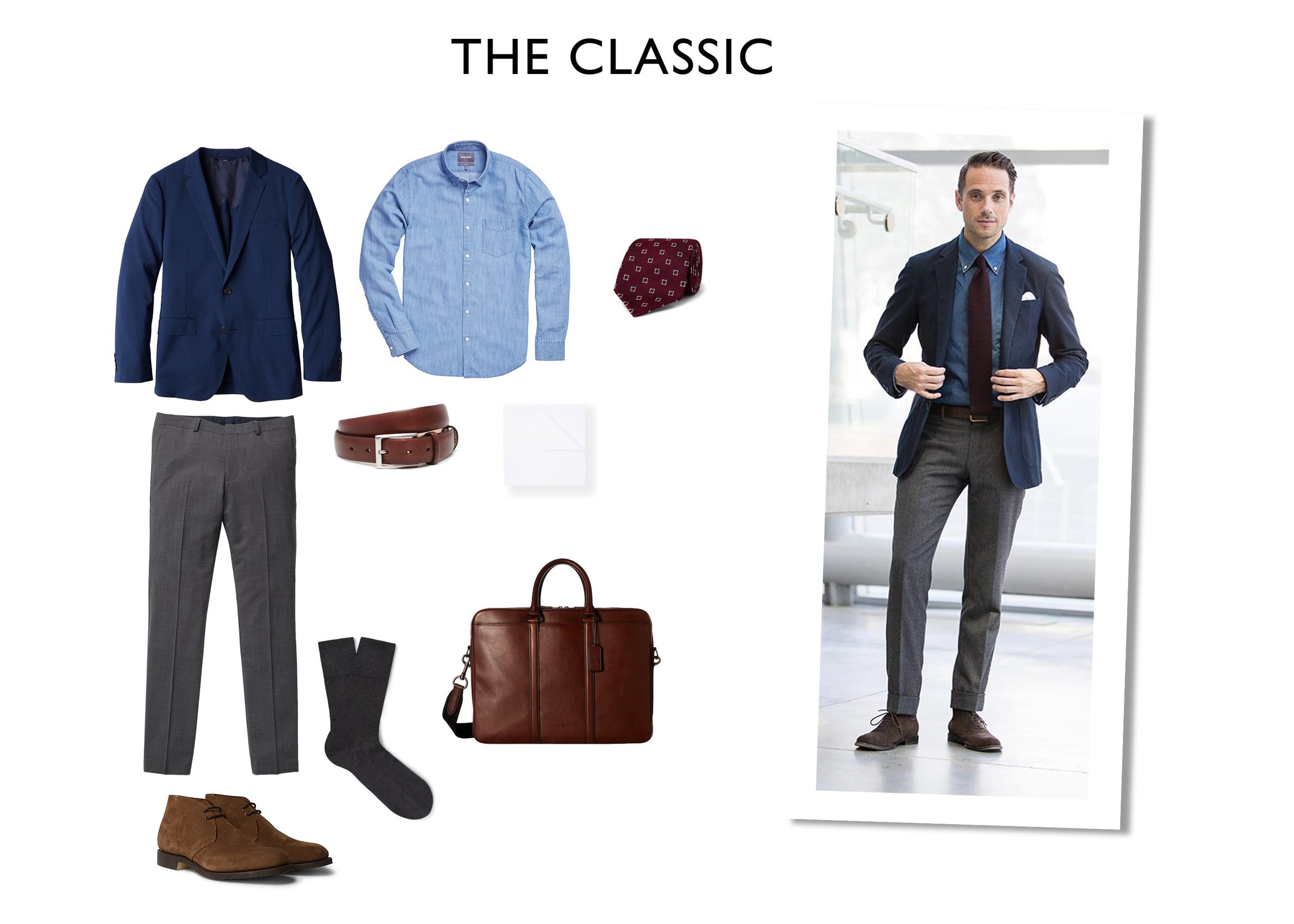
Credit: www.theessentialman.com
How To Mix And Match Outfits
Mixing and matching lets you use fewer clothes in more ways. This saves money and time. Here are simple tips:
- Pick shirts and pants in neutral colors. Navy, grey, beige, and white match easily.
- Add one or two colored shirts or pants for variety.
- Use a blazer or sweater to change your look.
- Switch shoes to move from formal to relaxed.
Example: A navy dress shirt can be worn with grey pants, beige chinos, or olive chinos. Add a brown belt and shoes, and you have three different looks.
One insight: Most men buy many clothes but only wear a few combinations. Planning ahead lets you create more outfits with fewer pieces.
Business Casual For Different Workplaces
Business casual is not the same everywhere. Your office style depends on the company culture.
Corporate Offices
Most corporate offices like classic business casual. Wear dress shirts, dress pants, and blazers. Stick with neutral colors. Shoes should be polished leather.
Creative Agencies
Creative jobs often allow more color and style. You can wear patterned shirts, bold socks, or unique blazers. Chinos are common. Shoes can be loafers or dress boots.
Tech Companies
Tech offices are usually more relaxed. Polo shirts, chinos, and simple sweaters are popular. Sneakers may be allowed, but check your company’s rules.
Small Businesses
Small businesses may not have strict dress codes. Ask your manager or look at what others wear. Start with classic business casual, then adjust as needed.
How To Shop For Business Casual Clothes
Shopping can be easy if you know what to look for. Here are smart tips:
- Quality over quantity: Buy fewer, better-made items.
- Check fit: Try clothes on or look for slim/regular fits.
- Look for easy-care fabrics: Cotton, wool blends, or wrinkle-free options.
- Shop sales: Good business casual pieces often go on sale.
- Choose trusted brands: Brands like Brooks Brothers, Banana Republic, and J.Crew offer classic styles.
If you buy online, check the return policy. Read reviews to see if clothes run large or small.
Caring For Your Business Casual Wardrobe
Taking care of your clothes keeps them looking sharp. Here’s how:
- Wash shirts and pants regularly. Follow care labels.
- Iron or steam shirts and pants to remove wrinkles.
- Polish shoes every week.
- Store blazers and coats on hangers to keep their shape.
- Fold sweaters so they do not stretch.
If you spill something, clean it quickly. Regular care saves money and keeps your wardrobe looking new.

Credit: www.youtube.com
Business Casual Outfit Data
Business casual is popular in many countries. Data from workplace studies shows:
- About 60% of US offices use business casual dress codes.
- Men spend an average of $500–$700 per year on work clothes.
- The most popular colors for business casual are navy, grey, and white.
A study found that men who dress well at work are 20% more likely to get promoted. This shows the power of a good outfit.
Business Casual Outfit Comparison: Budget Vs. Premium
Some men wonder if they should buy expensive clothes or stick to affordable brands. Here is a comparison:
| Feature | Budget Brands | Premium Brands |
|---|---|---|
| Price | $30–$60 per item | $100–$250 per item |
| Fabric Quality | Cotton, blends | Wool, high-quality cotton |
| Fit | Standard | Tailored/slim fit |
| Durability | 1–2 years | 3–5 years |
| Care Needed | Easy wash | Dry clean/iron |
Both options work. The key is fit and care. Even budget clothes can look good if you follow the tips in this guide.

Credit: nilds.gov.ng
Business Casual Accessories: Details Matter
Accessories add the finishing touch to your outfit. Here are popular choices:
- Belts: Match color with shoes. Leather is best.
- Watches: Choose a classic style. Metal or leather straps.
- Socks: Solid colors or small patterns. Avoid white athletic socks.
- Bags: A leather briefcase or simple messenger bag.
Avoid flashy jewelry or oversized accessories. Keep things simple and classic.
Practical Tips For Business Casual Success
Here are five practical tips to help you master business casual at work:
- Plan outfits ahead: Lay out clothes the night before.
- Rotate wardrobe: Wear all your clothes, not just favorites.
- Keep a spare shirt: Accidents happen. Store a clean shirt at work.
- Use color wisely: Add one colorful item per outfit, not more.
- Check company dress code: Rules change. Stay updated.
These tips save time and stress, and help you always look your best.
Frequently Asked Questions
What Is The Difference Between Business Casual And Smart Casual?
Business casual is more formal. It includes dress shirts, dress pants, and leather shoes. Smart casual can include jeans, stylish sneakers, and more relaxed shirts. Business casual is usually required for offices, while smart casual works for events or parties.
Can I Wear Jeans In Business Casual?
Most offices do not allow jeans for business casual. If your company says it is OK, choose dark, clean, and well-fitted jeans. Avoid ripped or faded styles. When in doubt, wear dress pants or chinos.
Do I Need To Wear A Tie With Business Casual?
You do not need a tie for business casual. Ties are only required for formal business dress. If you want to look extra sharp for a meeting, you can add a tie, but it is not required.
What Colors Are Best For Business Casual?
Classic colors work best: navy, grey, black, beige, white, and light blue. Small patterns or soft pastels are also good. Avoid bright or neon colors.
How Can I Make My Business Casual Outfit Look More Stylish?
Focus on fit, use accessories like a leather belt and watch, and mix classic with modern pieces (like a patterned shirt with solid pants). Layer with a blazer or sweater. Keep your clothes clean and pressed.
Business casual lets men look professional and comfortable at work. With the right pieces and smart choices, you can build a wardrobe that fits any office. Remember, the key is to dress neatly, choose classic colors, and pay attention to fit and details. When you follow these guidelines, you will feel confident and ready for anything your workday brings. For more ideas and official dress code standards, visit Business News Daily.
