

Business Casual Dress Code Men And Women: Ultimate Style Guide
Business Casual Dress Code Men And Women
Every workplace is different, but the phrase business casual dress code is everywhere. For many, it’s confusing. What should you wear? Is it too formal? Too relaxed? The truth is, business casual sits between professional suits and everyday clothes. It’s about looking polished but comfortable. This guide will help you understand what business casual really means for men and women, with practical examples and insights that go beyond basic tips.
What Is Business Casual?
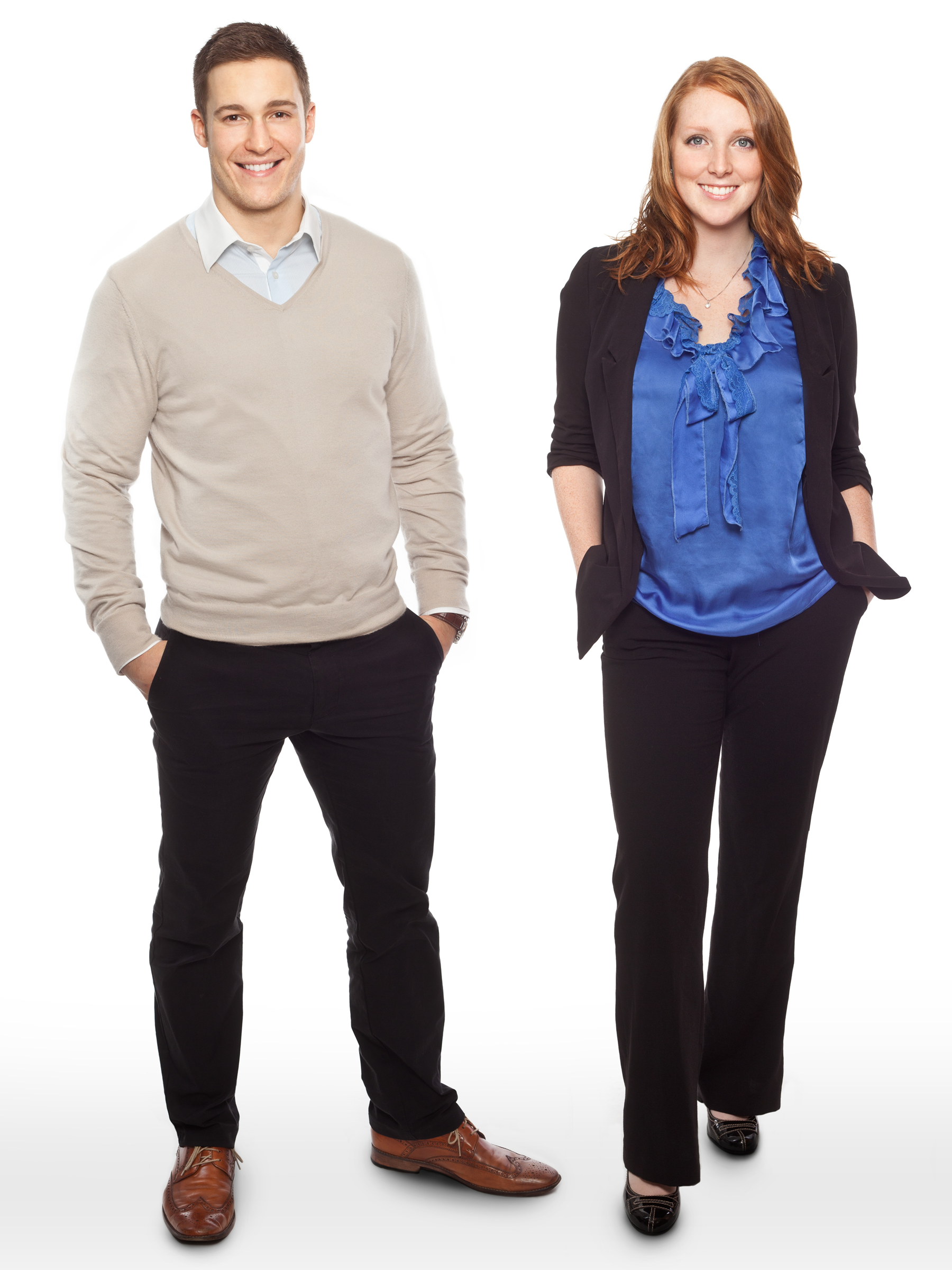
Business casual is a style for work that mixes professional and relaxed clothing. Unlike formal dress codes, you don’t need a suit or tie. But you can’t wear jeans and sneakers like you would on the weekend. The goal is to look neat, confident, and ready for work.
Business casual is popular in offices, tech companies, schools, and creative jobs. It helps workers feel comfortable but still look professional. However, what counts as business casual can change from one company to another. Always check your company policy, but use this article as a strong base.
Core Principles Of Business Casual
You can’t understand business casual just by looking at lists of clothes. There are some basic ideas behind it:
- Cleanliness: Clothes must be clean, ironed, and free of holes or stains.
- Fit: Clothes should fit well, not too tight or too loose. Poor fit looks unprofessional.
- Neutral Colors: Most business casual pieces use black, navy, gray, brown, or white. Bright colors are possible but should be used carefully.
- Subtle Patterns: Simple stripes or checks are fine. Loud prints are usually avoided.
- Comfort: You should feel comfortable moving and sitting. Business casual is not meant to be stiff.
Understanding these principles helps you make smart choices, even when rules aren’t clear.
Typical Business Casual Clothing For Men
Business casual for men has changed over time, but some items are always safe. Here’s what works in most offices:
Shirts
- Button-down shirts: Long or short sleeves, solid color or subtle pattern.
- Polo shirts: Good for warmer climates or casual offices.
- Sweaters: Worn over a shirt, especially in colder months. Avoid hoodies.
Pants
- Chinos: Always acceptable. Neutral colors work best.
- Dress slacks: Darker shades are more formal.
- Dark jeans: Sometimes allowed, but only if they look new and fit well. Never ripped or faded.
Jackets
- Blazers: Adds a professional touch without being too formal.
- Sport coats: A bit more relaxed than blazers. Works well in creative settings.
Shoes
- Loafers: Classic business casual shoe.
- Oxfords: Less formal versions are good.
- Derby shoes: Comfortable and stylish.
- Dress boots: Works in winter. Avoid hiking boots or sneakers.
Accessories
- Belts: Match belt color to shoes.
- Watch: Simple, classic style.
- Ties: Optional, usually not required.
Comparison: Men’s Business Casual Vs Formal
See how business casual differs from formal dress:
| Item | Business Casual | Formal |
|---|---|---|
| Shirt | Polo or button-down | Dress shirt |
| Pants | Chinos or slacks | Suit trousers |
| Jacket | Blazer (optional) | Matching suit jacket |
| Shoes | Loafers or Oxfords | Formal dress shoes |
| Tie | Optional | Required |
Typical Business Casual Clothing For Women
Women’s business casual is wider and changes more with trends. But some basics always fit:
Tops
- Blouses: Classic option, solid colors or gentle prints.
- Button-down shirts: Always safe.
- Sweaters: Worn alone or over a shirt.
- Cardigans: Adds warmth and style.
Bottoms
- Dress pants: Neutral colors, good fit.
- Chinos: A bit more relaxed but still professional.
- Knee-length skirts: Pencil, A-line, or pleated.
- Dark jeans: Sometimes allowed. Must be clean and fitted.
Dresses
- Sheath dresses: Simple, knee-length.
- Wrap dresses: Flattering, comfortable.
- Shift dresses: Not too tight, not too loose.
Jackets
- Blazers: Polished look.
- Cardigans: More relaxed, still neat.
Shoes
- Flats: Ballet flats or loafers.
- Heels: Low or mid height, closed toe.
- Ankle boots: Best in winter.
- Avoid: Flip-flops, platform shoes, athletic sneakers.
Accessories
- Simple jewelry: Stud earrings, small necklace.
- Bags: Structured handbags or totes.
- Scarves: Adds color, but keep it subtle.
Comparison: Women’s Business Casual Vs Formal
How Does Business Casual Compare To Formal For Women?
| Item | Business Casual | Formal |
|---|---|---|
| Top | Blouse or sweater | Dressy blouse or suit jacket |
| Bottom | Dress pants or skirt | Matching suit skirt or trousers |
| Dress | Knee-length, simple | Formal dress, usually longer |
| Shoes | Flats, low heels | Dress heels |
| Accessories | Minimal jewelry | Classic, understated |
What Should You Avoid In Business Casual?
Business casual is flexible, but some items are always risky:
- Shorts: Too casual, never allowed.
- T-shirts with graphics: Plain t-shirts sometimes work, but logos and graphics are not professional.
- Athletic wear: Sweatpants, leggings, sports shoes.
- Flip-flops: Not office-appropriate.
- Ripped or faded jeans: Jeans must be clean and dark.
- Tank tops or crop tops: Too revealing.
- Extreme accessories: Large jewelry, flashy belts, bright bags.
- Unkempt hair or poor hygiene: Always a bad idea.
Many beginners miss that accessories can break your look. For example, a flashy watch or big earrings can make you look less professional, even if your outfit is perfect.
Business Casual In Different Industries
Not all workplaces have the same business casual rules. Here’s how it changes:
Corporate Offices
- Usually more formal. Stick to button-down shirts, blazers, and dress pants.
- Women should avoid short skirts and bold prints.
Tech Companies
- More relaxed. Polo shirts, dark jeans, and sneakers are often fine.
- Creative expression is welcome, but keep it neat.
Creative Agencies
- Style and personality matter. Bold colors and unique accessories are allowed.
- Still avoid ripped jeans, shorts, or athletic wear.
Schools And Universities
- Comfort is key. Teachers and staff wear cardigans, chinos, and flats.
- Avoid anything that distracts students.
Healthcare And Service
- Often a mix. Clean, comfortable, and easy to move in.
- Closed-toe shoes are usually required.
Many people miss that industry culture matters more than the clothes themselves. What’s perfect in one office might be too formal or too casual in another.
Business Casual Dress Code For Different Climates
Weather changes your choices. Here’s how to adjust:
Warm Weather
- Short-sleeved shirts, light fabrics like cotton or linen.
- Women can wear knee-length skirts or dresses.
- Avoid shorts, tank tops, and sandals.
Cold Weather
- Sweaters, cardigans, blazers, dress boots.
- Men wear long-sleeve shirts and thicker pants.
- Women add tights or leggings under skirts.
- Layering is smart, but keep layers neat.
Rainy Or Humid Weather
- Carry a neutral umbrella.
- Choose water-resistant shoes.
- Avoid fabrics that wrinkle or stain easily.
A key insight: Always bring a backup item. For example, keep a blazer or sweater at your desk in case meetings pop up or the weather changes.
How To Build A Business Casual Wardrobe
You don’t need to spend a lot. Start with basics, then add more as you learn what works.
Essential Pieces For Men
- 3-5 button-down shirts
- 2-3 pairs of chinos
- 1-2 blazers
- 2 pairs of dress shoes
- 1 watch
- 1-2 sweaters
Essential Pieces For Women
- 3-5 blouses
- 2-3 pairs of dress pants
- 1-2 skirts
- 1-2 dresses
- 1-2 blazers
- 2 pairs of flats or low heels
- 1 structured bag
Shopping Tips
- Buy neutral colors first, then add one or two accent colors.
- Try everything on. Fit is more important than brand.
- Avoid items that need special cleaning. Look for easy-care fabrics.
- Invest in shoes. Cheap shoes look worn out quickly.
Typical Wardrobe Cost Comparison
Here’s a breakdown of average costs for basic business casual wardrobes:
| Item | Men (avg. price) | Women (avg. price) |
|---|---|---|
| Shirt/Blouse | $30-$50 | $35-$60 |
| Pants | $40-$70 | $45-$80 |
| Blazer | $90-$150 | $100-$180 |
| Shoes | $60-$120 | $60-$120 |
| Dress/Skirt | N/A | $60-$110 |
You don’t need everything at once. Build your collection slowly, based on your job’s needs.
Credit: servicecore.com
Common Mistakes In Business Casual
Even experienced workers make mistakes. Here are some to watch for:
- Misreading the office culture: Dressing too formally or too casually.
- Ignoring fit: Baggy or tight clothes look sloppy.
- Over-accessorizing: Too much jewelry or flashy items.
- Skipping grooming: Hair, nails, and shoes must be neat.
- Wearing wrinkled clothes: Iron or steam before work.
- Mixing weekend clothes: Save shorts, sandals, and graphic tees for home.
- Forgetting about shoes: Dirty or worn-out shoes can ruin your look.
A non-obvious insight: The biggest mistake is thinking business casual is “anything but a suit.” It’s actually a style that still needs planning.
How To Personalize Business Casual
Business casual allows you to show personality. Here’s how:
- Use accent colors: A blue shirt or patterned scarf.
- Add small jewelry: A watch, simple earrings.
- Choose unique shoes: Loafers in burgundy or navy.
- Layer clothes: Cardigans, vests, or blazers.
But always balance personality with professionalism. If you’re unsure, start simple and add one unique item.
Business Casual For Interviews
Job interviews are tricky. Even if the company is business casual, you should dress slightly more formal.
- Men: Button-down shirt, blazer, dress pants, clean shoes.
- Women: Blouse, blazer, dress pants or knee-length skirt, closed-toe shoes.
Don’t risk jeans or sneakers. It’s better to be a bit overdressed.
Business Casual For Remote Work
With more remote jobs, business casual is changing. Here are some tips:
- Wear a nice shirt for video calls, even if you’re in shorts.
- Keep a blazer nearby for meetings.
- Avoid messy hair or background distractions.
- Stand up sometimes to check your outfit from all angles.
A smart tip: Camera quality changes how your outfit looks. Patterns or bright colors can look strange on screen. Stick to solid colors for video calls.
Gender Neutral Business Casual
More workplaces are open to gender-neutral styles. If you prefer non-binary or androgynous looks:
- Choose button-down shirts, chinos, blazers, and flats.
- Avoid styles that are too tight or revealing.
- Use accessories like watches or bags to add personality.
Respect your identity but follow the same core principles of cleanliness and fit.
Business Casual Around The World
Business casual isn’t the same everywhere. Some countries are more formal, others more relaxed.
- North America: Neutral colors, comfortable fabrics.
- Europe: Often more polished, blazers are common.
- Asia: Conservative, avoid revealing clothes.
- Australia: Casual, but still neat.
If you travel or work with international teams, learn their preferences. For more global etiquette, see Wikipedia Dress Code.

Credit: www.dreamstime.com
Business Casual For Plus-size And Petite
Finding business casual clothes in all sizes can be hard. Here’s advice:
- Plus-size: Look for structured fabrics and vertical lines. Avoid too-tight or baggy styles.
- Petite: Choose fitted jackets and shorter skirts. Avoid clothes that swallow your frame.
Many brands now offer wider size ranges. Tailoring can help clothes fit perfectly.
Business Casual For Older And Younger Workers
Age can change your style, but business casual is flexible.
- Older workers: Stick to classic styles, simple patterns, and comfortable shoes.
- Younger workers: Add trendy pieces, but avoid extremes. Sneakers are fine if they’re clean and simple.
A key insight: Age isn’t about dressing older or younger. It’s about confidence. Choose what fits your personality and job.
How To Transition From Business Casual To Formal
Sometimes you need to move from business casual to formal for meetings or events. Here’s how:
- Add a tie or dress shoes for men.
- Swap a cardigan for a blazer.
- Use dress pants instead of chinos or jeans.
- Women can add heels or a structured bag.
Keep one or two formal pieces at work for quick changes.
Business Casual For Special Occasions
There are days when business casual needs a boost:
- Presentations: Dress more formally, use a blazer.
- Client meetings: Add a tie or heels.
- Company parties: Slightly more relaxed, but avoid anything too casual.
Always ask your manager if you’re not sure.
Sustainability And Business Casual
Many companies care about the environment. You can build a sustainable business casual wardrobe:
- Buy quality pieces that last longer.
- Choose brands using organic fabrics.
- Wash clothes less often to save water.
- Donate or recycle old items.
Sustainable choices show responsibility and can impress your employer.
Business Casual: Real-life Examples
Here are some practical examples for different situations:
Men
- Day at the office: Light blue button-down, khaki chinos, brown loafers, navy blazer.
- Friday casual: Polo shirt, dark jeans, dress boots.
- Meeting: White shirt, gray dress pants, black oxford shoes, blazer.
Women
- Typical day: White blouse, black dress pants, beige flats, gray cardigan.
- Creative setting: Patterned blouse, navy skirt, red scarf, loafers.
- Winter: Sweater dress, tights, ankle boots, structured bag.
Frequently Asked Questions
What Is Business Casual For Men?
Business casual for men means button-down shirts, chinos, blazers (optional), and dress shoes. Ties are not required, and jeans may be allowed if they are dark and neat.
What Is Business Casual For Women?
Women wear blouses, dress pants, skirts, and flats or low heels. Dresses must be simple and knee-length. Avoid revealing or flashy items.
Can You Wear Jeans In Business Casual?
Dark, clean jeans are sometimes allowed in business casual, but never ripped, faded, or too casual. Always check your company policy before wearing jeans.
Are Sneakers Allowed In Business Casual?
Usually not allowed unless your office is very relaxed or in the tech industry. Stick to loafers, oxfords, flats, or low heels.
How Do I Know If My Outfit Is Business Casual?
Ask yourself: Is it clean, well-fitted, comfortable, and professional? Avoid extremes. If unsure, add a blazer or remove casual items.
Closing Thoughts
Business casual is more than just a list of clothes. It’s a way to look professional, feel comfortable, and show respect for your workplace. Whether you’re new to the office or changing jobs, understanding the basics helps you fit in and stand out.
Build your wardrobe slowly, learn your company’s culture, and always keep your look neat. With these guidelines, you’ll master business casual and feel confident every day.

Credit: www.shutterstock.com
