

Business Casual Does That Mean Jeans? Decoding Dress Codes
Business Casual: Does That Mean Jeans?
The phrase business casual has become a staple in workplaces around the world. But ask ten people what it means, and you’ll likely get ten different answers. The most common question? Does business casual mean jeans are okay? The answer isn’t as simple as yes or no. It depends on your company, your industry, and even the day of the week. This guide will help you navigate the world of business casual, so you can feel confident in your wardrobe choices and avoid awkward mistakes.
Understanding Business Casual
The concept of business casual was born as a middle ground between traditional business attire and completely casual dress. It’s more relaxed than suits and ties, but still polished and professional. The goal is to look approachable yet competent.
Business casual is not a strict uniform. Instead, it’s a set of guidelines influenced by company culture, geography, and even the weather. For example, a tech startup in California may allow hoodies, while a law office in New York expects slacks and button-downs.
Key Elements Of Business Casual
While there’s no universal checklist, most business casual outfits include:
- Collared shirts (button-downs, polos, blouses)
- Slacks, chinos, or tailored trousers
- Knee-length or longer skirts/dresses
- Closed-toe shoes
- Sweaters or cardigans
Ties, jackets, and formal suits are usually optional. Bright colors and bold patterns may be acceptable, but most people stick to neutrals or muted tones.
Why Dress Codes Matter
How you dress affects how people see you at work. A study from the journal “Social Psychological and Personality Science” found that people dressed more formally are seen as more intelligent and capable. Dressing too casually can make you look less serious—even if you’re great at your job.
Many companies use dress codes to create a certain image. For example, financial firms often prefer a more traditional look, while creative agencies might encourage personal style. Understanding your company’s expectations is key.
The Jeans Question: Are They Business Casual?
So, can you wear jeans to the office and still look business casual? The answer depends on several factors.
Company Policy Comes First
Some companies clearly state if jeans are allowed. Others leave it open to interpretation. Always check your employee handbook or ask your manager if you’re unsure. In many places, jeans are allowed only on “casual Fridays” or for special events.
Industry Differences
What’s acceptable in one field may be a no-go in another. Here’s a quick comparison:
| Industry | Jeans as Business Casual? | Comments |
|---|---|---|
| Technology | Usually Yes | Often accepted, especially in startups |
| Finance | Rarely | Traditional dress codes |
| Creative/Marketing | Sometimes | Depends on client meetings |
| Legal | No | Formal expected |
| Education | Varies | Depends on institution |
The Right Kind Of Jeans
If jeans are permitted, not all styles are created equal. Business casual jeans should be:
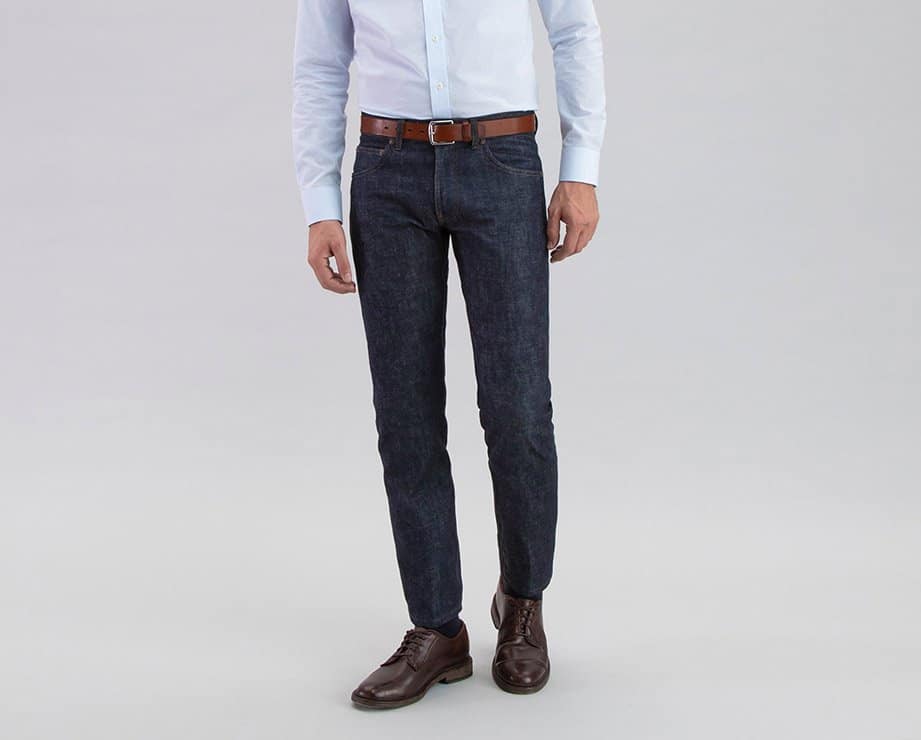
- Dark wash (deep blue or black)
- Free of holes, rips, or distressing
- No excessive fading or patterns
- Straight, slim, or bootcut—not skinny or baggy
- No embellishments or logos
Light-wash, ripped, or very tight jeans look too casual for most workplaces.
Pairing Jeans With Business Casual Pieces
To keep your look professional, balance jeans with smarter items. For example, a dark pair of jeans with a button-down shirt and blazer can look polished. Avoid t-shirts, sneakers, or overly casual accessories.
Credit: umfg.is
Common Business Casual Outfits: With And Without Jeans
Let’s break down what business casual looks like with and without jeans, for both men and women.
With Jeans
Men:
- Dark jeans, collared shirt, leather belt, loafers
- Dark jeans, sweater over a button-down, dress shoes
Women:
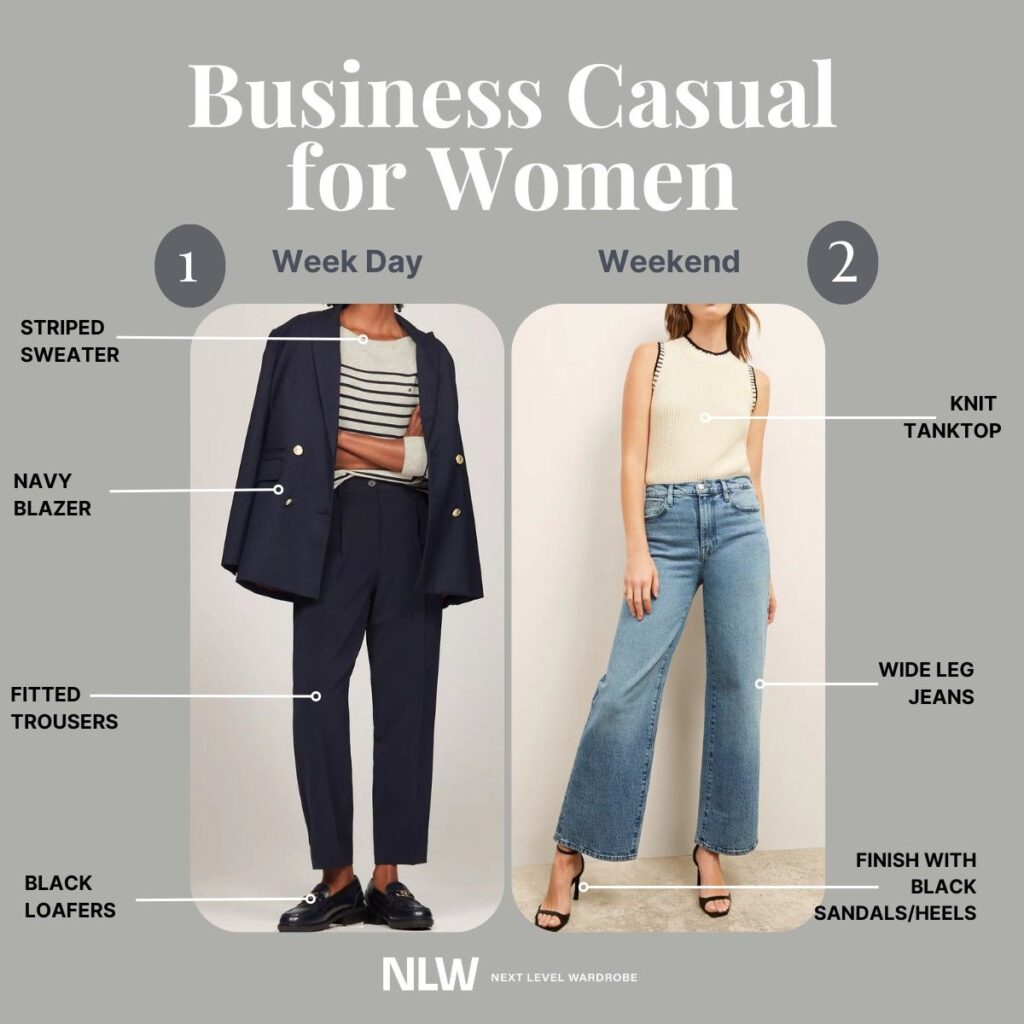
- Dark jeans, blouse, blazer, low heels or flats
- Dark jeans, knit top, cardigan, ankle boots
Without Jeans
Men:
- Chinos, button-down shirt, dress shoes
- Trousers, polo, sweater
Women:
- Dress pants, blouse, flats
- Skirt (knee-length or longer), sweater, low heels
The key is to keep the look balanced. If you’re wearing jeans, other items should be more formal.
When Jeans Are A Bad Idea
Even if your company is flexible, there are times when jeans are not appropriate:
- Client Meetings: Always dress to impress when meeting with clients or external partners. You don’t know their expectations.
- Interviews: Most interviewers expect a step above business casual. Choose slacks or a skirt instead.
- Presentations or Important Events: When you’re in the spotlight, err on the side of being more formal.
Wearing jeans in these situations can make you appear less serious or unprepared.
How Geography And Culture Affect Business Casual
Dress codes are not the same everywhere. What’s acceptable in one city or country may be too casual or too formal elsewhere.
Us Vs. Europe Vs. Asia
| Region | Business Casual Norms | Jeans Accepted? |
|---|---|---|
| United States (West Coast) | Relaxed, open to trends | Often |
| United States (East Coast) | More traditional | Sometimes |
| Europe (UK, Germany) | Smart, tailored | Rarely |
| Asia (Japan, Korea) | Very formal | No |
In international settings, it’s safer to avoid jeans until you know the culture.
Climate And Season
Hotter climates may allow lighter fabrics or short sleeves, but rarely shorts or sandals. In colder areas, sweaters and boots are common, but keep them neat.
How To Know If Jeans Are Okay
Not sure if jeans are allowed? Here are steps you can take:
- Check the official dress code: Employee handbooks usually have a section on dress.
- Look around: What do your managers and respected coworkers wear?
- Ask HR or your boss: A polite question shows you care about fitting in.
- Try on a Friday: Many companies have “casual Fridays” as a test run for jeans.
If you’re ever in doubt, go more formal. It’s easy to dress down later, but hard to recover if you look too casual.

Credit: nilds.gov.ng
The Impact Of Wearing Jeans On Your Image
Wearing jeans at work can send different messages depending on how you style them.
- Dark, well-fitted jeans: Suggest you are relaxed but professional.
- Ripped or faded jeans: Signal you don’t care about the rules.
- Jeans with a blazer: Show you understand style and balance.
- Jeans with a t-shirt: Too informal for most offices.
A study from the Harvard Business School showed that people who dress slightly differently—but still appropriately—are often seen as more confident and creative. But this only works if you understand the environment.
Alternatives To Jeans For Business Casual
If jeans aren’t allowed or you want more variety, try these options:
- Chinos: Soft, comfortable, and come in many colors.
- Dress pants: Classic and always appropriate.
- Khakis: Less formal than slacks, but more so than jeans.
- Corduroys: Good for fall and winter, add texture.
- Skirts and dresses: For women, these can be business casual if not too short or flashy.
Each has its own style. Try different types to see what feels best.
Business Casual Dos And Don’ts
Dos
- Keep clothes clean and wrinkle-free
- Choose neutral or muted colors
- Invest in good shoes
- Use accessories for personality, but keep them simple
Don’ts
- No athletic wear or gym shoes
- No graphic tees or slogans
- Avoid shorts, unless your company says otherwise
- No flip-flops or sandals (unless very dressy and permitted)
Real-world Examples And Case Studies
Example 1: Tech Startup In San Francisco
An employee at a small tech company notices most people wear jeans with hoodies. The CEO, however, pairs jeans with a blazer and dress shoes. The employee chooses dark jeans, a collared shirt, and clean sneakers, fitting in while looking sharp.
Example 2: Law Firm In Chicago
A new hire at a law firm considers jeans for “business casual,” but notices everyone else wears dress pants and skirts. She opts for tailored slacks and a blouse, matching the office standard and avoiding embarrassment.
Example 3: Marketing Agency In London
A graphic designer asks if jeans are allowed. HR says yes, but only dark and no rips. The designer chooses black jeans with a smart sweater, balancing comfort and professionalism.
What Beginners Often Miss
- Fit matters as much as formality. Even the best clothes look sloppy if they don’t fit you well.
- Shoes are noticed. Worn-out or athletic shoes can ruin a business casual look, even with nice jeans.
Credit: nextlevelwardrobe.com
Dressing For Specific Occasions
Even in a business casual office, some days need a different approach.
Casual Fridays
Many companies relax rules on Fridays. Jeans are often allowed, but still keep them dark and neat. Pair with a collared shirt or smart top.
After-work Events
If you’re going to a work dinner or happy hour, you can usually stay in business casual. Jeans are fine if they’re clean and styled with a nice top.
Video Meetings
Remote work has changed dress codes. On video calls, jeans are usually invisible, but dressing up a little can help you feel more professional and focused.
How To Upgrade Jeans For Business Casual
Want to make jeans look smarter? Try these tips:
- Tuck in your shirt: Looks neater and shows your belt.
- Add a blazer or cardigan: Instantly upgrades jeans.
- Wear polished shoes: Loafers or ankle boots work well.
- Use a leather belt: Adds a finished touch.
- Avoid flashy accessories: Keep it simple and classy.
Comparing Business Casual With Other Dress Codes
It helps to see where business casual fits compared to other common dress codes.
| Dress Code | Typical Items | Jeans Allowed? |
|---|---|---|
| Formal Business | Suits, ties, dress shoes | No |
| Business Casual | Slacks, button-downs, optional jeans | Sometimes |
| Smart Casual | Jeans, polos, blazers, casual dresses | Yes |
| Casual | T-shirts, shorts, sneakers | Yes |
Business casual is less strict than business formal, but more polished than smart casual or everyday casual.
How To Build A Business Casual Wardrobe
If you’re starting from scratch, focus on versatile basics.
For Men
- 2-3 pairs of dress pants or chinos
- 1-2 pairs of dark, neat jeans (if allowed)
- 4-5 collared shirts (mix patterns and solids)
- 2 sweaters or cardigans
- 1 blazer (optional)
- 2 pairs of dress shoes or loafers
For Women
- 2 pairs of dress pants or chinos
- 1-2 pairs of dark, tailored jeans (if allowed)
- 2-3 skirts (knee-length or longer)
- 4-5 blouses or smart tops
- 2 sweaters or cardigans
- 1 blazer (optional)
- 2 pairs of flats or low heels
Add pieces slowly, and focus on quality rather than quantity. Neutral colors mix easily for more outfit options.
How To Handle Dress Code Changes
Workplaces change. Some are getting more relaxed, while others tighten rules for special events. Watch for emails or meetings about dress code changes. When in doubt, ask or go a bit more formal.
If your company is becoming more casual, test the waters with neat jeans and smart shoes. If people start dressing up again, switch back to slacks or skirts.
Mistakes To Avoid When Wearing Jeans
- Ignoring fit: Baggy or skinny jeans look unprofessional.
- Wearing ripped or distressed styles: These are for weekends, not the office.
- Choosing light-wash jeans: Darker washes look more polished.
- Forgetting about shoes: Athletic shoes make the outfit casual.
- Skipping the iron: Wrinkled jeans still look messy.
A little effort goes a long way.
The Role Of Accessories
Accessories can make or break your business casual look. Belts, watches, and simple jewelry add polish. Avoid large, flashy items or anything with slogans.
For women, a structured bag or scarf can add interest. For men, a leather watch or neat belt works well.
How To Stay Comfortable And Professional
Many people worry that business casual means being uncomfortable all day. With the right choices, you can have both comfort and style.
- Choose stretch fabrics for pants and jeans.
- Look for breathable shirts in cotton or blends.
- Wear layers so you can adjust to the office temperature.
- Break in new shoes before wearing them all day.
Comfort helps you focus on work, not your clothes.
The Future Of Business Casual
Dress codes are always evolving. Remote work and flexible schedules are making business casual even more common. However, first impressions still matter. Looking professional—jeans or not—can affect how colleagues and clients see you.
Many companies are now focusing on results, not rules. But until you’re sure, play it safe with dark jeans and polished tops.
For more in-depth advice on workplace dress codes, check out the Society for Human Resource Management.
Frequently Asked Questions
Can I Wear Jeans Every Day In A Business Casual Office?
It depends on your company’s rules. Some offices allow jeans daily, while others only on Fridays. Always check with HR or observe what managers wear.
What Kind Of Jeans Are Best For Business Casual?
Choose dark-wash jeans with a straight or slim fit. Avoid rips, distressing, and flashy details. The simpler and neater, the better.
Are Black Jeans More Acceptable Than Blue Jeans?
In many offices, black jeans are seen as more formal and easier to dress up. They blend in better with business attire, especially when paired with a blazer or smart shoes.
Should I Avoid Jeans For Interviews, Even If The Company Is Casual?
Yes. It’s better to be slightly overdressed than underdressed for interviews. Choose slacks or a skirt to show you take the opportunity seriously.
What Should I Do If I’m Unsure About The Dress Code?
Ask HR or your manager directly. You can also observe what respected colleagues wear. When in doubt, dress a bit more formally until you’re sure.
No matter what your company allows, remember: business casual is about looking professional and feeling comfortable. With the right pair of jeans and smart styling, you can fit in and stand out for all the right reasons.
