

Boost Gym Clothes: Elevate Your Workout Style and Performance
Boost Gym Clothes: The Complete Guide to Maximizing Your Workout Wardrobe
Stepping into a gym with the right clothes can change everything. Gym clothes do more than just cover your body—they support your workout, boost your motivation, and keep you comfortable from warm-up to cool down. But not all gym clothes are made equal, and just buying expensive brands does not guarantee performance or confidence. If you want to boost gym clothes for your best results, you need to think beyond style and price. This guide will show you how to pick, wear, maintain, and even upgrade your gym wardrobe for maximum comfort, performance, and style.
Why Gym Clothes Matter More Than You Think
Many people underestimate the impact of gym clothes. The truth is, high-quality gym wear helps you move freely, stay cool, and avoid injuries. The right fabric can wick away sweat, reduce irritation, and even prevent skin infections. Good gym clothes are not just about looking good—they are about feeling good and performing better.
For example, studies have shown that compression clothing can increase blood flow and reduce muscle soreness. Moisture-wicking fabrics help control body temperature, which means you can train longer and with less discomfort. Even your confidence can get a boost when you wear gym clothes that fit and flatter your body.
Choosing The Right Materials
Not all fabrics are suitable for intense workouts. Here’s what you need to know about the most popular options:
Synthetic Fibers
Most gym clothes are made from polyester, nylon, or blends. These materials are durable, quick-drying, and stretch easily. They are perfect for high-intensity workouts because they keep sweat away from your skin.
Natural Fibers
Cotton is soft and breathable, but it holds on to sweat. This can make your clothes feel heavy during a workout. Bamboo is a newer option—it’s soft, eco-friendly, and has natural odor control.
Blends
Many brands use a mix of synthetic and natural fibers. This gives you the benefits of both: stretch and durability, plus comfort and breathability.
Insider Tip: Always check the label before you buy. Look for “moisture-wicking” and “quick dry.” Avoid 100% cotton for cardio or high-sweat sessions, but it can be fine for stretching or yoga.
Picking The Right Fit
Fit is just as important as fabric. Clothes that are too loose can get in the way, and clothes that are too tight can restrict your movement. Here’s how to get it right:
- Tops: Should sit close to your body but not squeeze. Sleeveless shirts or tank tops give more freedom for upper body movements.
- Bottoms: Leggings, shorts, or track pants should not slip down or bunch up. Compression leggings can help with blood flow and muscle support.
- Sports Bras: For women, a well-fitted sports bra is essential. It should support without digging into your skin.
- Shoes and Socks: While not clothes, socks and shoes are part of your gym gear. Look for breathable socks and shoes designed for your activity.
Non-obvious Insight: Try your gym clothes at home and do a few squats, lunges, or stretches. If they ride up, slip, or pinch, they won’t work during an actual workout.
Essential Items For A Complete Gym Wardrobe
Building a gym wardrobe does not mean you need everything at once. Start with the essentials and add on as you go.
- Moisture-wicking T-shirts or Tanks: At least 2-3 to rotate through the week.
- Compression Leggings or Shorts: 2-3 pairs for different workouts.
- Sports Bras (for women): 2-3 in different support levels.
- Breathable Socks: 4-5 pairs to keep feet dry and comfortable.
- Supportive Shoes: At least one pair, specific to your main activity.
- Hoodie or Lightweight Jacket: For warming up or outdoor workouts.
- Gym Shorts: For days when you want more airflow.
- Sweatbands or Headbands: To keep sweat out of your eyes.
- Gloves: If you lift weights, gloves can prevent calluses.
Practical Example: If you go to the gym three times a week, having three tops, three bottoms, and two sports bras allows you to always have a clean set ready.
The Power Of Layering
Layering is a simple way to adapt your gym outfit to changing temperatures. Start with a base layer that wicks away sweat, add a lightweight top, and finish with a hoodie or jacket if you need extra warmth. Remove layers as you heat up.
Key Insight: The first layer is the most important. If it holds sweat, you’ll feel cold and sticky as soon as you stop moving.
How To Boost Performance With The Right Gym Clothes
The right gym clothes can take your performance to the next level. Here’s how:
Compression Gear
Compression leggings, tops, and sleeves are not just for athletes. They increase blood flow, reduce muscle fatigue, and may help with recovery. Try wearing compression gear during intense cardio or heavy lifting sessions.
Breathable Footwear
Shoes with mesh panels or ventilation holes help keep your feet cool and dry. This reduces the risk of blisters and athlete’s foot.
Anti-chafe Shorts
If you do a lot of running or cycling, anti-chafe shorts can prevent irritation between your thighs.
Supportive Undergarments
Seamless underwear and sports bras prevent rubbing and distractions during movement.
Non-obvious Insight: Some people think more layers mean more sweat and more calories burned. In reality, this often leads to dehydration and overheating. Stick to light, breathable layers.
Matching Gym Clothes To Your Workout
Different workouts call for different gear. Here’s how to match your clothes to your activity:
- Cardio (Running, Spinning): Look for lightweight, moisture-wicking tops and shorts or leggings. Compression socks can help with blood flow.
- Strength Training: Fitted clothes let you see your form in the mirror. Gloves protect your hands during lifting.
- Yoga/Pilates: Stretchy, seamless leggings and soft tops prevent distractions during poses.
- HIIT or CrossFit: Durable, flexible clothes that won’t tear with jumping or squatting.
- Outdoor Training: Add layers and a weatherproof jacket. UV-protective clothing can also help if you train in the sun.
Practical Tip: If you switch workouts often, invest in versatile pieces that work for multiple activities.
Color And Style: More Than Just Looks
It’s easy to think that color and style don’t matter in the gym. But studies show that wearing clothes you like can boost your confidence and motivation.
- Bright Colors: Energizing and can make you feel more awake.
- Dark Colors: Slimming and good for hiding sweat.
- Patterns: Distract from problem areas and add fun to your outfit.
- Reflective Details: Important for early morning or late-night outdoor workouts.
Non-obvious Insight: Avoid all-black outfits in hot gyms or outdoors—they absorb heat and can make you feel hotter faster.

Credit: www.itsrawactive.com
How To Care For Gym Clothes
Proper care will keep your gym clothes working longer. Here’s how to keep them fresh and effective:
- Wash After Every Use: Sweat, bacteria, and skin cells can build up quickly.
- Cold Wash: Hot water can damage stretchy fibers.
- Air Dry: High heat from dryers can ruin elasticity.
- Avoid Fabric Softener: It leaves a coating that blocks moisture-wicking.
- Turn Clothes Inside Out: This helps preserve color and gets rid of odor better.
Practical Tip: Add a cup of white vinegar to your wash every few loads. It kills odor-causing bacteria and keeps clothes fresh.
When To Replace Your Gym Clothes
Even the best gym clothes wear out. Here’s when it’s time to say goodbye:
- Elasticity fades: Waistbands or sleeves feel loose.
- Odors stay: Clothes smell even after washing.
- Fabric thins: You can see through leggings or shirts.
- Stains set: Sweat stains don’t wash out.
Pro Insight: Set a reminder to check your gym wardrobe every few months. Replacing old clothes can boost your confidence and prevent wardrobe malfunctions.
How To Boost Gym Clothes Without Breaking The Bank
Upgrading your gym wardrobe does not have to be expensive. Here are smart ways to do it:
- Buy Off-Season: Gym clothes are cheaper when seasons change.
- Look for Multipacks: Socks, shirts, and basics are often cheaper in bulk.
- Check Outlets and Online Sales: Big brands often have clearance sections.
- Mix and Match: Choose neutral colors you can combine in different ways.
- DIY Upgrades: Add patches or reflective tape for style and safety.
Non-obvious Insight: Many people overlook smaller, local brands. These often offer high-quality gym clothes at lower prices and more unique designs.
Smart Accessories To Boost Your Gym Clothes
Accessories can make your gym experience better and your outfit more functional:
- Sweat-resistant Headphones: Stay in place and handle moisture.
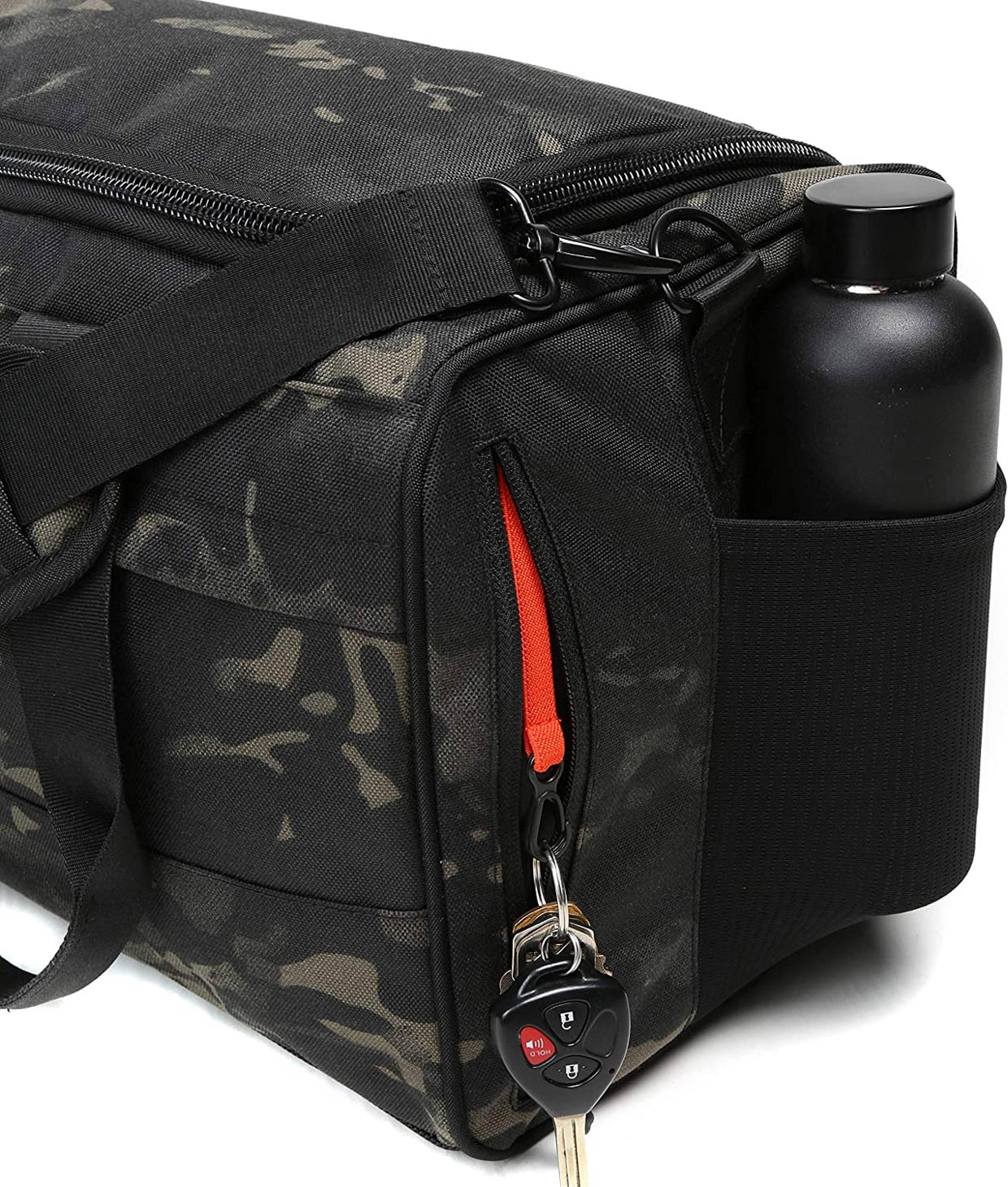
- Arm Bands or Waist Packs: Carry your phone or keys without pockets.
- Reusable Water Bottles: Stay hydrated and match your style.
- Smart Watches or Fitness Trackers: Monitor your progress.
- Towels: Microfiber towels dry quickly and fit in any bag.
Quick Tip: Choose accessories in bold colors to add personality to basic gym outfits.
Credit: www.weltransim.eu
Sustainable Choices For Eco-friendly Gym Clothes
Eco-friendly gym clothes are becoming more popular. Here’s what to look for:
- Recycled Materials: Many brands use recycled polyester or nylon.
- Organic Cotton: Produced without harmful chemicals.
- Ethical Manufacturing: Some brands share details about fair labor and eco-friendly factories.
Practical Example: Look for the “Oeko-Tex” or “GOTS” labels, which show the clothes are free from harmful chemicals.
Did You Know? Some companies offer recycling programs. You can send back old gym clothes, and they turn them into new items.
Comparing Gym Clothes: Performance, Price, And Durability
To help you decide, here’s a comparison of three common gym wear materials:
| Material | Performance | Price | Durability |
|---|---|---|---|
| Polyester | Excellent moisture control | Mid-range | Very durable |
| Cotton | Poor sweat-wicking | Low | Medium |
| Bamboo | Good odor control | High | Good |
Insider Tip: Polyester is best for most gym goers, but bamboo is great if you want comfort and eco-friendliness.

Credit: www.capecodtimes.com
How To Build A Stylish, Functional Gym Wardrobe: Sample Sets
Here are two examples of complete gym outfits for different budgets:
| Essential Item | Budget Option | Premium Option |
|---|---|---|
| Top | Polyester tee (off-brand) | Moisture-wick branded tank |
| Bottom | Basic leggings/shorts | Compression leggings |
| Sports Bra | Cotton blend | High-impact, molded cup |
| Socks | Multipack, synthetic | Performance, anti-blister |
| Shoes | Entry-level trainers | Specialty running/training |
Quick Tip: Mixing budget and premium items can give you the best value.
Common Mistakes When Choosing Gym Clothes
Avoid these errors to make the most of your gym wardrobe:
- Choosing Style Over Function: It’s tempting to pick the trendiest items, but comfort and performance come first.
- Ignoring Fit: Ill-fitting clothes can cause injuries and distractions.
- Wearing Old, Worn-Out Items: They lose support and performance.
- Skipping Accessories: The right accessories can solve small problems, like sweat or storage.
- Not Testing Clothes: Always move around in new clothes before wearing them to the gym.
Non-obvious Insight: Some beginners buy “slimming” clothes that are too tight, thinking they will look better. This can restrict movement and reduce performance.
Real Examples: How Better Gym Clothes Improved Performance
Consider these short stories:
- Maria’s Running Breakthrough: Maria switched from cotton T-shirts to moisture-wicking tops. She noticed fewer skin rashes and could run longer without feeling heavy and sweaty.
- James and Compression Gear: James started wearing compression leggings during leg days. His muscle soreness was less, and his recovery improved.
- Anita’s Motivation Boost: Anita invested in colorful, well-fitted gym outfits. She felt more confident, enjoyed her workouts, and stopped skipping gym days.
Key Takeaway: Small changes in your gym wardrobe can lead to big improvements in performance and consistency.
How To Store And Organize Gym Clothes
A tidy gym wardrobe saves time and stress. Here’s how:
- Separate Workout Clothes: Keep them in a dedicated drawer or basket.
- Fold or Roll: Rolling saves space and reduces wrinkles.
- Hang Damp Items: Don’t leave sweaty clothes in your bag—hang them to dry as soon as possible.
- Prepare Outfits: Lay out gym clothes the night before to speed up your morning routine.
Non-obvious Tip: Store socks, bras, and accessories in small mesh bags within your drawer. This makes them easy to find.
Upgrading Your Gym Wardrobe Over Time
You don’t need to buy everything at once. Upgrade your gym clothes step by step:
- Start with the basics—tops, bottoms, sports bras, and socks.
- Add specialty items, like compression gear or weatherproof jackets, as your workouts change.
- Replace worn-out items and try new styles or colors.
- Add accessories and sustainable options for extra comfort and motivation.
Pro Insight: Ask friends or trainers for recommendations. Sometimes, the best gym clothes are those you wouldn’t have found on your own.
How Social Media And Influencers Shape Gym Clothing Trends
Social media has made gym clothes a fashion statement. Influencers and fitness models often set trends, but their choices may not always be the best for you. Be careful with “must-have” lists—focus on comfort and fit for your body.
Practical Advice: If you want to try a trendy style, buy one item first. Test it during a workout before investing in a full set.
For more about how gym fashion has changed, see this Wikipedia article on sportswear.
Frequently Asked Questions
What Are The Best Fabrics For Gym Clothes?
The best fabrics are polyester, nylon, and blends that wick moisture away from your skin. Avoid 100% cotton for intense workouts because it holds sweat and can feel heavy.
How Often Should I Wash My Gym Clothes?
You should wash gym clothes after every use. Sweat and bacteria build up quickly, which can cause odor and skin issues.
When Is It Time To Replace My Gym Clothes?
Replace them when elasticity fades, fabric thins, or odors remain after washing. Regular checks help keep your wardrobe fresh and functional.
Do I Need Special Clothes For Different Workouts?
Yes. Cardio, strength training, yoga, and outdoor workouts each have special needs. Choose clothes that fit the activity for best comfort and safety.
Are Expensive Gym Clothes Really Worth It?
Not always. High price does not guarantee better performance. Focus on fit, material, and comfort. Sometimes, mid-range or local brands offer great value.
Choosing and boosting your gym clothes is about more than style or following trends. With the right approach, your workout wardrobe can improve performance, comfort, and motivation. Start with the basics, pay attention to fit and fabric, and upgrade smartly as your needs change.
Your next great workout might just start with what you wear.
