

Best Way to Wash Sweaty Gym Clothes: Expert Tips for Freshness
Washing gym clothes after a tough workout is not as simple as tossing them in the machine with your regular laundry. Sweaty gym clothes have special needs. They hold bacteria, body oils, and odor molecules that normal washing might not remove. If you’ve ever noticed your activewear smells bad even after cleaning, you’re not alone. Many people struggle to keep their workout gear truly fresh. But with the right steps, your gym clothes can stay clean, last longer, and always smell good.
If you’re tired of “clean” gym clothes that still stink or look worn out, this guide will help. You’ll learn what makes gym fabrics unique, the best washing techniques, mistakes to avoid, and some practical hacks to keep your workout wardrobe in top shape.
Why Gym Clothes Need Special Care
Gym clothes are different from your everyday outfits. Most are made from synthetic fibers like polyester, nylon, or spandex, designed to wick away sweat and stretch with your body. While these materials are great for workouts, they also hold on to sweat and bacteria.
Sweat itself is not smelly—it’s the bacteria that grow in damp, warm fabrics that cause odors. These bacteria can burrow into synthetic fibers, making smells hard to remove with regular washing. Also, gym clothes often have elastic bands, mesh, or reflective prints that can be damaged by high heat or harsh detergents.
If you treat gym clothes like normal laundry, you’ll likely see:
- Lingering bad smells
- Fabric losing stretch or shape
- Stains that won’t come out
- Shorter lifespan for your gear
Understanding these problems is the first step to solving them.
Preparing Gym Clothes For Washing
Before you start washing, a few smart steps can make a big difference.
Change Out Of Sweaty Clothes Quickly
After your workout, don’t let your gym clothes sit in your bag or a heap. Warm, wet fabric is the perfect place for bacteria to grow. The longer you wait, the worse the smell can get.
Air Out And Dry Clothes
If you can’t wash immediately, hang your clothes to dry. This stops bacteria from multiplying and keeps odors from getting worse. Never store sweaty clothes in a closed plastic bag for long.
Turn Clothes Inside Out
Most sweat, oil, and bacteria stay on the inside of your workout clothes. By turning them inside out, you let water and detergent reach the dirtiest areas, improving cleaning.
Pre-treat Problem Areas
If you see sweat stains or notice strong odors in armpits or waistbands, pre-treat these spots. You can use a small amount of sports detergent or make a paste with baking soda and water. Gently rub it in and let it sit for 15–30 minutes.
Check Care Labels
Activewear brands often give special washing instructions. Check labels for warnings about hot water, bleach, or fabric softeners. Following these can prevent damage and keep your clothes in good shape.
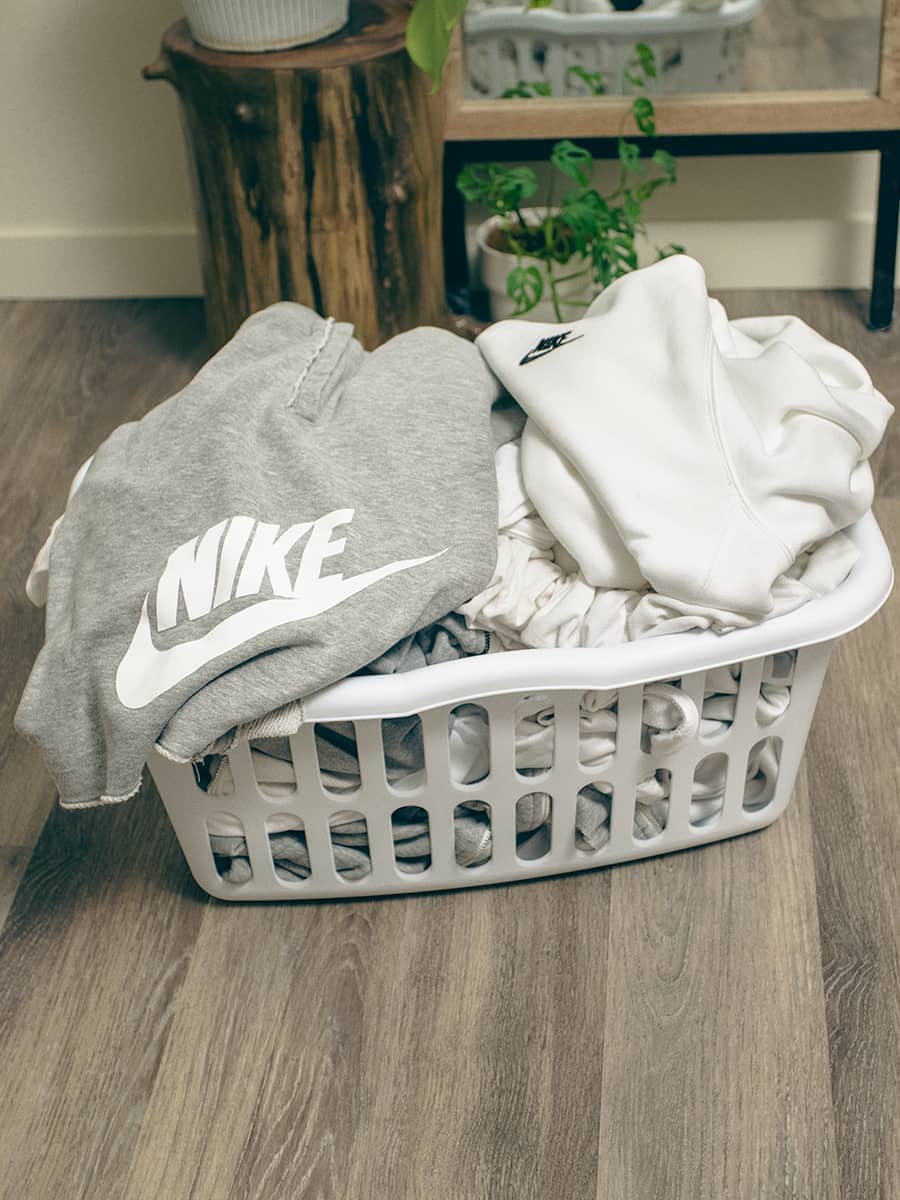
Credit: www.nike.com
Choosing The Right Detergent
Not all laundry detergents are the same. Regular detergents clean surface dirt but may not remove the oils and bacteria in gym clothes.
Sports Detergents Vs. Regular Detergents
Sports detergents are made for synthetic fabrics and can break down sweat, oil, and bacteria better. They are usually enzyme-based, which means they target the proteins and oils that cause odor.
Regular detergents might leave residues that trap smells or even make technical fabrics less effective at wicking sweat.
Fragrance Isn’t Enough
A strong fragrance may mask odors, but it doesn’t solve the problem. If you find your gym clothes “smell clean” right out of the machine but stink again after you start sweating, it means the detergent didn’t remove the source of the odor.
How Much Detergent To Use
Many people think more detergent means cleaner clothes. The truth: using too much detergent can leave residue, which traps odors and bacteria. Use the amount recommended for a medium load, or a bit less if you’re washing only a few pieces.
Additives: What Helps, What Hurts
You might see advice online about using vinegar, baking soda, or boosters. These can help but need to be used correctly:
- White vinegar in the rinse cycle can neutralize odors, but don’t mix with bleach.
- Baking soda can boost cleaning power when added to the wash.
- Avoid fabric softeners—they coat fibers, trapping odors and reducing breathability.
Washing Machine Settings For Gym Clothes
Choosing the right settings on your washing machine is just as important as detergent choice.
Cold Water Vs. Hot Water
Cold water is safest for synthetic fabrics. Hot water can damage elastic and shrink or warp technical fibers. Most odors and bacteria are removed in cold or warm water if you use a good detergent.
Gentle Cycle Is Best
A gentle or delicate cycle protects stretchy fabrics, mesh panels, and reflective prints from friction and damage. Regular or heavy-duty cycles can break down fibers over time.
Load Size
Don’t overload the machine. Gym clothes need room to move so water and detergent can reach all surfaces. Wash your activewear with other lightweight items, not heavy towels or jeans.
Double Rinse
A second rinse helps remove detergent residue, which can trap bacteria. This is especially important if you notice your gym clothes still smell after washing.
Hand Washing Gym Clothes
Sometimes, the washing machine isn’t the best choice. Hand washing is gentle and effective, especially for high-end or delicate activewear.
How To Hand Wash
- Fill a basin with cool water and add a small amount of sports detergent.
- Turn clothes inside out and soak for 20–30 minutes.
- Gently rub problem areas (armpits, waistband) between your fingers.
- Rinse thoroughly until no suds remain.
- Press out water gently—don’t twist or wring, as this can stretch the fabric.
When To Hand Wash
- For clothes with lots of mesh, zippers, or delicate details
- If you have only a few items to wash
- For sports bras or compression gear that loses shape easily
Hand washing can extend the life of your favorite gym clothes.
Drying: The Key To Fresh Gym Clothes
How you dry your gym clothes is just as important as how you wash them.
Avoid The Dryer When Possible
High heat is bad news for elastic, spandex, and technical fabrics. It can cause them to lose stretch, fade, or even melt. Air drying is best.
How To Air Dry
- Hang clothes on a drying rack or shower rod.
- Place clothes in a single layer for better airflow.
- Avoid direct sunlight, which can fade colors and weaken fibers.
Dryer Settings If You Must Use One
If you need to use a dryer, choose the lowest heat setting or “air dry” option. Remove clothes while they’re still slightly damp and let them finish air drying.
Don’t Overdry
Overdrying can make clothes stiff and damage elastic bands. Always check care labels first.
Preventing Odor Build-up
Even with perfect washing, gym clothes can develop stubborn odors over time. Here’s how to keep them truly fresh.
Wash Promptly
Don’t let sweaty clothes sit for days. If you can’t wash right away, hang them up to dry until laundry day. Bacteria grow quickly in damp, dirty laundry.
Use A Laundry Booster Periodically
Once every few washes, add a little baking soda or white vinegar. This can break up odor molecules and keep clothes fresh.
Avoid Fabric Softeners
Softeners coat fibers, trapping bacteria and making odors worse. They also reduce the sweat-wicking ability of technical fabrics.
Store Clothes Properly
Don’t keep damp clothes in closed hampers or bags. Let them dry before adding to your laundry bin. This stops the growth of mildew and bacteria.
Sunlight As A Natural Odor Buster
Sunlight can naturally kill some bacteria and remove odors. Hang clothes outside for a few hours, but don’t leave them for too long—UV rays can fade colors.
Common Mistakes To Avoid
Many people make simple mistakes that can ruin gym clothes or make odors worse.
- Using too much detergent: Leaves residue and traps smells.
- Mixing with heavy laundry: Towels or jeans can damage delicate fabrics.
- Skipping the rinse cycle: Detergent residue builds up over time.
- Drying on high heat: Destroys elastic, shrinks fabrics.
- Ignoring care labels: Misses important warnings about washing and drying.
Being aware of these mistakes can save you money and keep your clothes performing well.
Washing Accessories: Shoes, Hats, And Gear
Gym accessories like shoes, hats, and gloves need cleaning too. They can hold sweat and bacteria, causing odors.
Shoes
Remove insoles and laces before washing. Some athletic shoes can go in the machine on a gentle cycle, but air drying is a must. For hand washing, use a soft brush and mild soap. Let everything dry completely before wearing again.
Hats And Headbands
Sweatbands and hats should be washed regularly. Hand wash in cool water with mild detergent and air dry. Machine washing can warp the shape or damage logos.
Gloves And Wraps
Soak in cool water with a little sports detergent. Rinse well and air dry. Avoid the dryer, as high heat can break down padding or elastic.
Removing Stubborn Smells And Stains
Some gym clothes develop set-in odors or stains that don’t go away with regular washing. Here’s how to tackle them:
Soak In Vinegar Solution
Mix one part white vinegar with four parts cool water. Soak clothes for 30 minutes before washing. Vinegar breaks down bacteria and lifts stubborn smells.
Baking Soda Paste
For tough stains, make a paste with baking soda and water. Apply to stained areas, let sit for 15–30 minutes, then wash as usual.
Enzyme Cleaners
Special enzyme-based sprays can break down sweat and protein stains. Apply directly to trouble spots before washing.
Repeat Wash
Sometimes, you need to wash sweaty clothes twice. Use a small amount of detergent each time and rinse well.
Pro tip: Never use bleach on synthetic gym fabrics. It can weaken fibers and make smells worse.

Credit: laundrysauce.com
How Often Should You Wash Gym Clothes?
It’s best to wash gym clothes after every workout. If that’s not possible, at least air them out and wash as soon as you can. Re-wearing unwashed gym clothes increases the risk of skin irritation, breakouts, and strong odors.
Special items like sports bras, compression shorts, and socks should always be washed after one use. Jackets or outer layers can often go a few wears between washes if you let them air out.
Comparing Detergents For Gym Clothes
Here’s a quick comparison of detergent types for gym clothes:
| Detergent Type | Best For | Drawbacks |
|---|---|---|
| Sports Detergent | Odor removal, synthetic fabrics | More expensive, not always in stores |
| Regular Detergent | Everyday clothes, light sweat | May leave odors, less effective for gym wear |
| Natural/DIY | Eco-friendly, sensitive skin | May need boosters for tough odors |
Quick Reference: Washing Steps
To help you remember the best way to wash sweaty gym clothes, here’s a summary:
| Step | Action | Why It Matters |
|---|---|---|
| 1 | Change and air out | Prevents bacteria growth |
| 2 | Turn inside out | Targets odors and sweat |
| 3 | Pre-treat stains | Removes tough spots |
| 4 | Wash cold, gentle cycle | Protects fabric, fights odors |
| 5 | Double rinse | Removes detergent residue |
| 6 | Air dry | Prevents shrinking, keeps shape |
Non-obvious Tips For Gym Clothes Care
Beyond the basics, a few expert tricks can help you keep gym clothes in top condition:
- Use mesh laundry bags: Protects delicate fabrics from friction and stretching in the machine.
- Rotate your gear: Don’t wear the same items every workout. This gives fabric time to fully dry and recover shape.
- Don’t iron activewear: High heat from irons can melt synthetic fibers or damage prints.
- Check for invisible stains: Sweat stains aren’t always visible right away. Use a bright light to check, especially on light-colored clothes.
- Skip dry cleaning: Most gym clothes don’t need it, and the chemicals can damage elastic and technical fabric.
Sustainable Washing: Save Water And Energy
Caring for gym clothes can be eco-friendly, too. Here’s how:
- Wash only full loads to save water.
- Use cold water to save energy and protect clothes.
- Choose biodegradable detergents when possible.
- Line dry whenever you can.
These steps help both your clothes and the environment.
What To Do If Odors Won’t Go Away
Even with the best methods, some gym clothes develop permanent odors. This often happens with older items that have absorbed years of sweat and bacteria. If your clothes still smell after two or three washes, it might be time to replace them.
Investing in higher-quality activewear can help, as some brands use anti-microbial or odor-resistant technology. Just remember, even the best gear needs regular, proper cleaning.
For more scientific background on why sweat smells and how bacteria work, see this Wikipedia article on body odor.
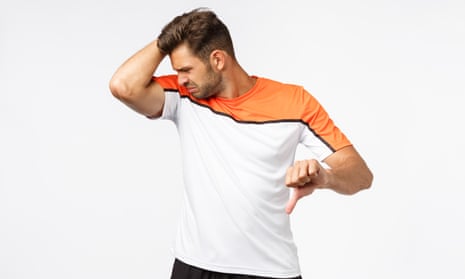
Credit: www.theguardian.com
Frequently Asked Questions
How Can I Make My Gym Clothes Smell Fresh Without Using Strong Chemicals?
Try using white vinegar in the rinse cycle or soaking clothes in a vinegar solution before washing. Baking soda can also help. Always let clothes dry completely between uses to stop odors from building up.
Is It Safe To Wash Gym Clothes With Towels Or Jeans?
It’s better to wash gym clothes with other lightweight items. Heavy fabrics like towels and jeans can damage delicate gym wear, stretch it out, or cause more friction and pilling.
Can I Use Bleach On My Sweaty Gym Clothes?
Bleach is not recommended for most gym clothes, especially those made with synthetic fibers. It can damage the fabric, cause yellowing, and make odors worse over time.
How Often Should I Wash My Sports Bras And Socks?
Wash sports bras and socks after every wear. These items collect the most sweat and bacteria and need regular cleaning to stay fresh and avoid skin irritation.
Why Do My Gym Clothes Still Smell After Washing?
If odors linger, it’s often due to detergent residue, trapped bacteria, or not washing soon enough after workouts. Try double rinsing, using a sports detergent, or soaking in vinegar before washing.
Keeping your gym clothes clean doesn’t have to be a struggle. With the right approach, you can make sure every workout starts fresh and every piece of gear lasts longer. Respect your workout wardrobe, and it will keep supporting your best performance.
