

Best Way to Store Activewear: Space-Saving Tips and Tricks
Storing activewear may sound simple, but if you’ve ever pulled out a wrinkled sports bra or couldn’t find your favorite leggings before a workout, you know organization matters. Activewear is often made with technical fabrics that need special care to stay fresh, stretchy, and long-lasting.
The way you store your gym clothes can make a big difference in how they look, feel, and perform. Many people overlook this, thinking activewear is just like regular clothing. But poor storage can lead to odors, lost elasticity, and even damage to the fabric.
This article breaks down the best ways to store activewear, whether you have a big closet or just a small drawer. We’ll cover key factors you need to think about, storage solutions for all spaces, how to protect technical fabrics, and tips for keeping everything easy to find.
If you want your activewear to last longer and always look and smell fresh, you’ll find every detail you need here.
Why Activewear Needs Special Storage
Activewear is not just regular clothing. Most pieces are made from synthetic fabrics like polyester, nylon, and spandex. These materials are chosen because they stretch, wick away sweat, and dry fast. However, they also have special needs:
- Trapped moisture: Even after washing, sweat can get trapped in the fibers, causing odors and bacteria growth.
- Delicate fibers: Stretchy fabrics can snag or lose shape if stored the wrong way.
- Shape retention: Items like sports bras and leggings need to keep their shape for the right support and fit.
- Color fading: Brightly colored activewear can fade if exposed to sunlight or stored with rough fabrics.
Ignoring these factors can lead to short-lived gym clothes, even if you spend a lot on quality brands.
Key Principles For Storing Activewear
Before looking at specific storage methods, it’s important to understand some core principles. These apply to everyone, whether you have a walk-in closet or a single drawer:
- Clean Before Storing: Always store activewear clean. Sweat and oils left on the fabric can cause odor and breakdown over time.
- Dry Completely: Never store damp clothes. Even slightly wet fabrics can grow mildew and bacteria.
- Avoid Overcrowding: Give your activewear space to breathe. Overcrowding traps moisture and wrinkles.
- Separate Activewear: Don’t mix activewear with regular clothes, towels, or rough fabrics. This prevents pilling and snags.
- Store Away from Heat and Sunlight: Direct sunlight and heat can damage elastic fibers and fade colors.
Many people skip these basics, leading to common problems like persistent smells or stretched-out waistbands.
Best Storage Solutions For Small Spaces
Not everyone has a big closet. If you live in an apartment, dorm, or just have limited space, you can still organize your activewear effectively. Here’s how:
Drawer Dividers
Drawer dividers are simple plastic or fabric organizers that split a drawer into sections. Use them to separate sports bras, leggings, tanks, and socks. This makes it easy to grab what you need without digging through a pile.
Vertical Folding
Folding activewear vertically, like the “file folding” method, saves space and keeps items visible. For example, roll your leggings and place them upright in a drawer. You’ll see every pair at a glance and avoid messing up the rest of the stack.
Hanging Organizers
If you have a closet rod but little shelf space, hanging organizers with pockets are useful. Put each item in a separate pocket—one for shorts, another for bras. These work especially well for lightweight items.
Over-the-door Hooks
Use the back of your door for extra storage. Hang hooks or a multi-pocket organizer for hats, jackets, or gym bags. This keeps essentials off the floor and easy to grab on your way out.
Under-bed Storage
Flat containers or fabric bins can slide under your bed. Store out-of-season activewear here to free up space for your current favorites.
Non-obvious tip: Avoid storing activewear in airtight containers if it’s not 100% dry. Trapped moisture can cause odor even in clean clothes.
Organizing Activewear In Large Closets
If you’re lucky enough to have a walk-in closet or a dedicated wardrobe, you have more options.
Open Shelving
Use open shelves to stack folded leggings, shorts, or tops. Keep stacks small—no more than 5–7 items—so you don’t crush the fabrics at the bottom.
Baskets And Bins
Label baskets for different types of activewear: one for yoga, one for running, one for winter gear. Choose bins with mesh sides for airflow.
Specialty Hangers
Some hangers are designed to hold multiple pairs of leggings or sports bras. Look for felt or velvet hangers that grip the fabric without causing snags.
Pull-out Drawers
Install shallow pull-out drawers for socks, headbands, and other small accessories. This keeps everything neat and stops small items from getting lost.
Dedicated Shoe Racks
If you have sports shoes, a dedicated shoe rack keeps them separate from clothing. This prevents dirt and odors from spreading.
Insider tip: Rotate your activewear. Place freshly washed items at the bottom or back of the stack so you wear everything evenly and nothing gets forgotten.
Protecting Technical Fabrics
Activewear fabrics like spandex, elastane, and technical polyesters need extra care.
Avoid Wire Hangers
Thin wire hangers can cause stretching or leave marks. Use rounded or padded hangers for jackets and tops that must be hung.
Keep Away From Velcro
Velcro snags technical fabrics easily. Store items with velcro (like gloves or adjustable straps) separately.
Gentle Folding
Do not fold along the same crease every time. Alternate folding directions to prevent permanent lines or weak spots.
Use Mesh Bags
If you store accessories like resistance bands or gloves, keep them in mesh bags inside your drawer or bin. This prevents tangling and allows airflow.
Advanced tip: If you have compression wear, store it flat and unfolded. Rolling or folding can permanently damage the compression zones.
How To Store Sweaty Or Damp Activewear
Sometimes you can’t wash your workout gear right away. Maybe you went to the gym at lunch or after work. Here’s how to handle sweaty or damp clothes:
- Air Out First: Hang damp activewear over a shower rod or drying rack as soon as possible.
- Never Store in Gym Bags: Leaving sweaty clothes in a closed bag creates the perfect environment for bacteria and odor.
- Use a Mesh Laundry Bag: Place worn items in a breathable bag until laundry day. Never use a plastic bag.
- Quick Rinse Option: If you can, quickly rinse sweat-soaked items in cold water and hang them to dry before washing properly later.
Surprising insight: Odor-causing bacteria can double every 20 minutes in damp, dark places. Even a few hours in a closed bag can cause smells that are hard to remove.
Best Practices For Folding And Hanging
Not all activewear should be folded. Some pieces do better hung up. Here’s how to decide:
When To Fold
- Leggings, shorts, and t-shirts: Fold these to prevent stretching.
- Compression wear: Store flat, as folding can damage the compression zones.
- Socks and undergarments: Fold or roll for space-saving.
When To Hang
- Jackets and zip-ups: Hanging preserves shape and prevents wrinkles.
- Loose tanks or mesh tops: Hang if the fabric is delicate and prone to creasing.
- Sports bras: If they have molded cups, hang to keep their shape.
Hanging Tips
- Use thick, rounded hangers for support.
- Avoid overcrowding so air can circulate.
- Do not hang heavy wet items; let them air dry first.
Storing Activewear By Activity
For people who do multiple sports or workouts, sorting by activity can save time.
Example System
- Yoga: Store leggings, tanks, and mats together.
- Running: Group shorts, reflective gear, and windbreakers.
- Swimming: Keep swimsuits, goggles, and swim caps in a waterproof bin.
This approach makes it easy to grab what you need and avoids mixing up specialized gear.
Travel And On-the-go Storage
Active people often need to bring workout gear to the office, gym, or when traveling.
Packing Cubes
Packing cubes are zippered fabric boxes that keep activewear neat in a suitcase or gym bag. Use one for clean clothes and another for dirty items.
Wet Bags
A wet bag is a waterproof pouch for storing sweaty or wet activewear until you can wash it. These prevent odors from spreading and protect other items in your bag.
Travel Tip
If you travel often, keep a “go bag” with essentials: leggings, sports bra, socks, and a small towel. Refill it as soon as you return home.
Little-known fact: Some technical fabrics can develop “set-in” odors if stored damp for even one day. Always air out or wash as soon as possible after traveling.
Storing Accessories And Small Items
Activewear isn’t just clothing. Accessories like headbands, gloves, socks, and tech (fitness trackers, heart rate monitors) need good storage too.
Accessory Trays
Small trays or divided boxes inside a drawer help keep accessories from getting lost.
Hanging Pockets
Install a hanging shoe organizer on your closet door. Use pockets for socks, sweatbands, and small bottles of detergent.
Magnetic Strips
Attach a magnetic strip to your closet wall for metal items like gym locker keys or clips.
Cord Management
For earphones or fitness tracker chargers, use small cord wraps or pouches to prevent tangling.
Pro tip: Store accessories close to your activewear, not mixed with regular clothes. This saves time and reduces the risk of losing small items.
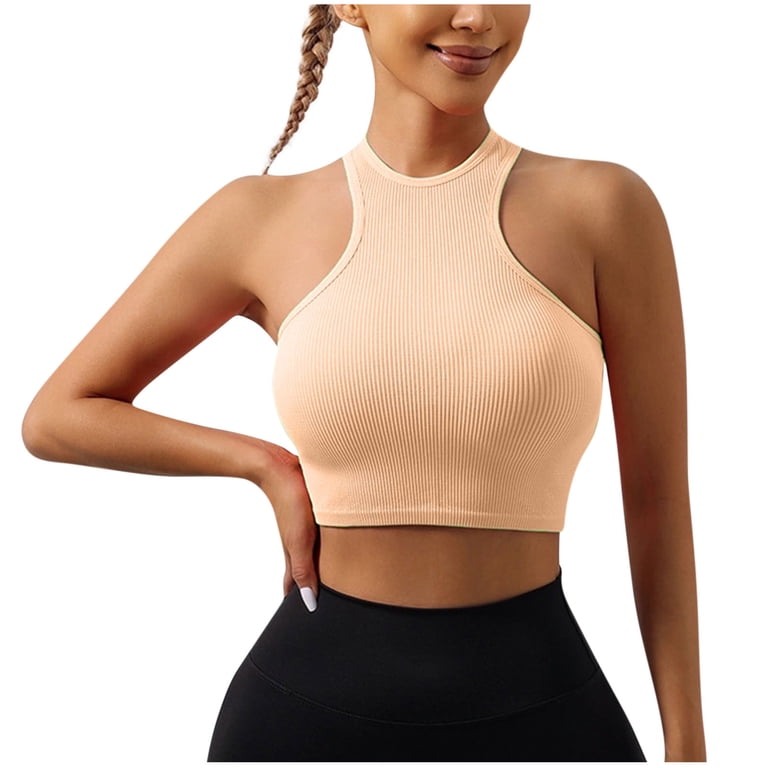
Credit: www.walmart.com
Odor Control And Freshness
Activewear can trap odors, even when clean. Here’s how to keep your storage area smelling fresh:
- Place dryer sheets or cedar blocks in drawers or bins.
- Use baking soda: An open box in your closet absorbs moisture and odor.
- Essential oils: Dab a few drops on a cotton ball and tuck it into corners.
- Open windows or use a fan: Fresh air helps prevent musty smells.
Advanced insight: Technical fabrics can “hold on” to body oils more than cotton. An occasional vinegar rinse during washing can help remove these residues before storage.
Seasonal And Long-term Storage
If you have off-season gear (like winter running tights or swimwear), store it away from your regular rotation.
Storage Steps
- Wash and dry completely.
- Fold gently—avoid sharp creases.
- Store in breathable fabric bags or mesh bins.
- Label clearly: So you can find what you need next season.
Avoid vacuum-sealing technical fabrics, as this can damage elasticity.
Comparison: Drawer Vs. Hanging Storage For Activewear
Here’s a side-by-side look at the pros and cons of storing activewear in drawers versus hanging in a closet:
| Storage Method | Pros | Cons |
|---|---|---|
| Drawers | - Space-saving - Easy access - Keeps items out of sight |
- Can cause wrinkles - Easy to overstuff - Less airflow |
| Hanging | - Preserves shape - Good airflow - Easy to see items |
- Takes more space - Not ideal for small items - Some fabrics may stretch |
How To Store Shoes, Bags, And Specialized Gear
Activewear often includes shoes, bags, and equipment like yoga mats or foam rollers.
Shoes
- Store in a rack or cubby.
- Let shoes dry completely before storing.
- Use sachet packs inside shoes to absorb moisture and odor.
Gym Bags
- Empty after each use.
- Wipe down the inside and let air dry.
- Store with zippers open to prevent mildew.
Yoga Mats And Rollers
- Store mats rolled, not folded, to avoid creases.
- Use a wall hook or dedicated bin for foam rollers.

Credit: www.ebay.com
Mistakes To Avoid When Storing Activewear
Many people make simple mistakes that shorten the life of their workout clothes.
- Storing dirty or damp clothes: Causes odor and bacteria growth.
- Overcrowding drawers or shelves: Causes wrinkles and can damage elastic fibers.
- Mixing with rough fabrics: Leads to pilling and snags.
- Ignoring accessories: Small items get lost easily if not organized.
- Using the wrong hangers: Thin or sharp hangers stretch and damage fabric.
Uncommon advice: Don’t use mothballs with activewear. The chemicals can react with synthetic fibers and leave a hard-to-remove smell.
Maintenance Tips For Long-lasting Activewear
Taking care of your activewear during storage can add months or years to its life.
- Rotate your stock: Don’t wear and wash the same items every time.
- Check for damage: Look for snags, stretched elastic, or loose seams.
- Wash properly: Use a gentle cycle and mild detergent.
- Never use fabric softener: It coats technical fibers and reduces performance.
- Repair quickly: Fix small holes or tears before they get worse.
Example: Weekly Activewear Storage Routine
Here’s a sample routine to keep your activewear organized and fresh:
- Sort and wash: At the end of the week, wash all worn items.
- Dry completely: Air dry or tumble dry on low heat.
- Fold and store: Use vertical folding for leggings, hang bras and jackets.
- Rotate items: Place newly washed clothes at the back of the drawer.
- Check accessories: Make sure socks, headbands, and gloves are together.
Quick tip: Set a reminder to air out your storage area every few weeks.
Data: Most Common Activewear Storage Problems
According to surveys by organizing experts, here are the most frequent issues people face:
| Problem | % of People Affected |
|---|---|
| Lost or mismatched items | 42% |
| Persistent odors | 38% |
| Wrinkles and creases | 30% |
| Damaged elastic | 21% |
| Pilling or snags | 18% |
Smart Storage Tools And Accessories
If you want to take your organization to the next level, consider these add-ons:
- Label makers: Make it easy to find bins and baskets.
- Scented sachets: Keep everything smelling fresh.
- Mesh bags: For laundry and storage of small items.
- Stackable bins: Maximize vertical space in small closets.
- Adjustable drawer dividers: Change the layout as your collection grows.
Sustainability And Storage
Organizing your activewear is also good for the environment. Well-stored clothes last longer, reducing waste and the need to buy new items. When you take care of your gear, you also save energy and resources used in producing new clothing.
If you’re interested in eco-friendly products, look for organizers made from recycled materials or natural fibers. For more on sustainable storage, check out the Wirecutter guide to closet organization.
When To Declutter Or Donate
Even with the best storage, activewear wears out. Here’s when to let go:
- Elastic is stretched out and doesn’t recover.
- Fabric has holes, snags, or permanent stains.
- Odors persist after washing.
- The fit no longer works for your body or activity.
Donate gently used items to local charities or textile recycling programs when possible.
Frequently Asked Questions
How Do I Keep My Activewear From Smelling Bad In Storage?
Always store activewear clean and dry. Use dryer sheets, cedar blocks, or baking soda in your drawers or bins to absorb odors. If smells persist, try washing with a small amount of vinegar to remove built-up oils.
Is It Better To Hang Or Fold Leggings And Sports Bras?
Fold leggings to prevent stretching. Hang sports bras with molded cups to keep their shape, but fold simple styles. Use thick, rounded hangers if hanging.
Can I Store Activewear In Plastic Bins?
You can, but make sure clothes are completely dry first. Use bins with ventilation or add a moisture absorber. Avoid plastic for long-term storage of technical fabrics.
How Do I Organize Small Accessories Like Socks And Headbands?
Use divided trays, small bins, or hanging pocket organizers. Keep accessories near your activewear for easy access.
What’s The Biggest Mistake People Make When Storing Activewear?
Storing damp or dirty clothes is the most common mistake. This causes odor, bacteria, and damage to technical fabrics. Always wash and dry activewear before putting it away.
Storing activewear the right way doesn’t just keep your closet tidy—it makes your workouts easier and helps your favorite pieces last longer. A little planning and care goes a long way toward keeping everything fresh, organized, and ready whenever you are.

Credit: www.walmart.com
