

Best Way to Shrink Joggers: Quick and Easy Methods
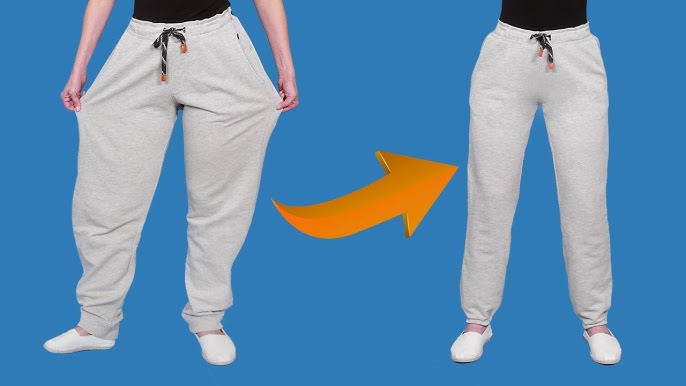
If your joggers have become too loose, you’re not alone. Many people love the comfort of joggers, but sometimes they stretch out after repeated wear or washing. A perfect fit makes joggers look stylish and feel cozy. But what can you do if your favorite pair starts to sag or feel baggy? This guide explains the best way to shrink joggers at home, using simple methods, smart tips, and proven techniques. Whether your joggers are cotton, polyester, or a blend, you’ll learn how to safely bring them back to size—without ruining the fabric or losing comfort.
Why Joggers Stretch Out
Joggers are designed for comfort. The fabrics—like cotton, polyester, fleece, or blends—are flexible and soft. But with time, heat, moisture, and movement can loosen the fibers. Here are a few common reasons joggers become too big:
- Frequent washing: Each wash cycle can slowly relax fibers, especially in natural materials.
- High heat drying: Excessive heat can stretch or shrink joggers, depending on the fabric.
- Wearing and movement: Joggers stretch as you walk, run, or lounge.
- Fabric quality: Lower-quality joggers may lose shape faster.
Understanding why your joggers stretch helps you prevent the issue in the future—and helps you choose the right method to shrink them.
Check The Fabric Before Shrinking
Not all joggers are the same. The fabric type decides which shrinking method is safe and effective. Always check the label inside your joggers. Here’s what to look for:
| Fabric Type | Shrinkage Level | Best Method |
|---|---|---|
| Cotton | High | Hot water wash & high heat dry |
| Polyester | Low to moderate | High heat dry, iron |
| Cotton-Poly Blend | Moderate | Hot water wash & medium heat dry |
| Fleece | Moderate | Hot water soak & air dry |
| Rayon, Spandex, Nylon | Low | Gentle methods only |
Natural fibers like cotton shrink more easily, while polyester and other synthetics need extra care. Blends fall somewhere in the middle. Never skip this step—shrinking polyester the wrong way can damage your joggers, while too much heat can ruin delicate fabrics.
The Most Effective Ways To Shrink Joggers
Different methods work for different fabrics. Here are the safest and most popular ways to shrink joggers at home:
1. Hot Water Wash
This classic method works well for cotton joggers and some blends.
- Turn your joggers inside out to protect the color and surface.
- Use the hottest water setting on your washing machine.
- Add a small amount of detergent.
- Wash alone or with similar items.
The hot water causes the fibers to contract, making the joggers smaller. For best results, follow with a high-heat dry. But be cautious: overdoing it can shrink them too much.
2. High Heat Dry
After washing, tumble-dry your joggers on the highest heat setting. This works for cotton and cotton-poly blends, but can melt or damage delicate synthetics.
- Place joggers in the dryer by themselves for even shrinking.
- Check every 10–15 minutes to avoid over-shrinking.
- Remove them when they reach the desired fit.
If your joggers are polyester, use medium heat and watch closely. Too much heat can cause permanent wrinkles or melting.
3. Boiling Water Soak
For maximum shrinkage, especially with 100% cotton joggers, try this method:
- Boil a large pot of water.
- Remove from heat and add your joggers.
- Let them soak for 10–20 minutes.
- Carefully remove with tongs and wring out excess water.
- Dry on high heat.
This technique gives more shrinkage than machine washing alone. However, it can fade colors or weaken fabric if done repeatedly.
4. Ironing With Steam
For joggers made of polyester or blends, direct heat is risky. Instead, use a steam iron:
- Set the iron to the highest safe setting for your fabric.
- Lay the joggers flat on an ironing board.
- Press with firm, slow motions, using lots of steam.
- Focus on loose areas, like knees or waistband.
This method lets you target specific areas without over-shrinking the whole garment.
5. Hot Air Hair Dryer
Need to shrink just one area? A hair dryer is perfect for small adjustments:
- Dampen the area you want to shrink (for example, knees or waistband).
- Set your hair dryer to high heat.
- Hold the dryer a few inches away and move it around for 5–10 minutes.
- Let the joggers cool before checking the fit.
This gives you more control, so you don’t accidentally shrink the entire jogger.
6. Hot Dryer With A Damp Towel
If your joggers are only a little too big, try this gentle trick:
- Place joggers and a damp (not dripping) towel in the dryer.
- Use high or medium heat, depending on the fabric.
- The steam from the towel helps shrink fibers evenly.
This method is less harsh than boiling or hot washing, so it works for blends and some synthetics.
7. Professional Tailoring
Sometimes home methods aren’t enough, especially for expensive or delicate joggers. A professional tailor can:
- Adjust the waistband or cuffs
- Take in the sides for a slimmer fit
- Shorten the legs
Tailoring costs more than DIY, but it’s the safest way to get a perfect fit—especially if you don’t want to risk damaging your joggers.
Step-by-step Guide: Shrinking Joggers Safely
Now that you know the options, let’s break down the process. Here’s how to shrink joggers at home, step by step:
Step 1: Read The Care Label
Before doing anything, check the care label inside your joggers. It tells you:
- Fabric content (cotton, polyester, etc.)
- Safe washing and drying temperatures
- Warnings (like “Do Not Tumble Dry”)
If you skip this, you risk damaging your joggers beyond repair.
Step 2: Decide How Much You Want To Shrink
Do you want a little change, or a dramatic size-down? For mild adjustments, use lower heat and shorter times. For more shrinkage, use hotter water and longer drying.
Tip: Joggers shrink most in the first attempt. After that, they resist further shrinking.
Step 3: Prepare The Joggers
- Turn inside out to protect the outer surface.
- Close any zippers or drawstrings.
- Remove any accessories.
Step 4: Choose The Right Shrinking Method
Pick the safest method for your fabric and desired result.
| Goal | Best Method | Fabric Suitability |
|---|---|---|
| Shrink whole jogger | Hot water wash & high heat dry | Cotton, blends |
| Shrink specific areas | Hair dryer, steam iron | All fabrics |
| Gentle overall shrink | Damp towel in dryer | Blends, synthetics |
| Maximum shrinkage | Boiling water soak | Cotton |
Step 5: Monitor Progress
Don’t leave your joggers unattended! Check frequently to avoid over-shrinking.
- If using a dryer, check every 10–15 minutes.
- For boiling, don’t soak longer than 20 minutes.
- For irons and hair dryers, test the fit after each pass.
Step 6: Air Dry Or Tumble Dry
After shrinking, you can air dry for less shrinkage or tumble dry for more. If you’re close to your ideal fit, let joggers air dry flat to avoid further shrinking.
Step 7: Try On And Repeat If Needed
Put on your joggers after drying. If they’re still too loose, repeat the process. Remember, each round of shrinking gives diminishing returns—most joggers won’t shrink much after the first attempt.

Credit: www.primotavolino.com
Special Tips For Different Jogger Fabrics
Each fabric type needs its own care. Here are some extra pointers for the most common jogger materials:
Cotton Joggers
- Cotton shrinks easily, so go slow and check often.
- Expect up to 5% shrinkage in length and width.
- Avoid over-drying, which can make fabric rough and less comfortable.
Polyester Joggers
- Polyester is heat-resistant but doesn’t shrink much.
- Use moderate heat and don’t overdo it, or you risk melting fibers.
- Steam ironing is safer than washing and drying.
Fleece Joggers
- Fleece can shrink unevenly.
- Use a gentle soak in hot (not boiling) water.
- Air dry flat to keep the shape.
Blends (cotton-poly, Etc.)
- These respond to heat, but less than pure cotton.
- Combine hot water wash with a medium dryer cycle.
- Always check the label for special care instructions.
Delicate Fabrics (rayon, Nylon, Spandex)
- Avoid high heat and boiling.
- Try gentle steam or hair dryer on low heat.
- Air dry only.
How To Shrink Joggers Without A Dryer
Not everyone has a dryer at home, or maybe you just want to avoid wear and tear. Here are some ways to shrink joggers using only heat and water:
- Use the boiling water soak method, then let joggers air dry in direct sunlight.
- Try a hot iron with steam—press slowly, allowing the heat to penetrate.
- Use a hot shower trick: Hang joggers in the bathroom while you take a very hot shower. The steam can relax fibers for slight shrinkage.
These methods work best for small adjustments, not dramatic changes.
How To Shrink Joggers In Specific Areas
Sometimes joggers fit well everywhere except the waistband, knees, or cuffs. Here’s how to target problem spots:
- Dampen only the area you want to shrink.
- Apply heat with a hair dryer or steam iron.
- Stretch and shape the joggers as they cool.
If you want to shrink the waistband, try soaking just the waistband in hot water, then drying on high heat. For cuffs or knees, focus your heat source on those spots.
Non-obvious insight: Shrinking only one area can sometimes cause puckering or uneven seams. Always check the fit and look before repeating.
Common Mistakes To Avoid
Shrinking joggers seems simple, but it’s easy to make mistakes that ruin your favorite pair. Here are mistakes beginners often make:
- Ignoring the care label: This can lead to melted, faded, or damaged joggers.
- Using too much heat: Over-shrinking makes joggers stiff, rough, and uncomfortable.
- Shrinking synthetic fabrics with high heat: This can melt or warp polyester, rayon, or spandex.
- Not checking progress: Joggers can shrink suddenly—always check during the process.
- Shrinking printed or decorated joggers: High heat can cause prints to crack or peel.
How To Maintain Joggers After Shrinking
Once you get the fit you want, it’s important to keep your joggers from stretching out again. Here’s how:
- Wash in cold water with mild detergent.
- Avoid high heat in the dryer—air dry when possible.
- Store folded, not hanging, to avoid stretching.
- Don’t overwear the same joggers every day—rotate with other pairs.
If you need to shrink them again later, use a gentler method to avoid damaging the fabric.
When Shrinking Doesn’t Work
Some joggers just won’t shrink enough, especially if they’re mostly synthetic. In these cases, consider:
- Adding a drawstring or elastic to the waistband.
- Wearing joggers over leggings or shorts for a tighter fit.
- Taking them to a tailor for professional adjustment.
If you bought the wrong size, exchanging for a smaller pair is often easier than repeated shrinking attempts.
How Much Will Joggers Shrink?
The exact amount depends on fabric, heat, and original size. Here’s a rough guide:
- 100% cotton: Up to 5–7% shrinkage in length and width
- Cotton-poly blends: 2–4% shrinkage
- Polyester: Less than 2% (if any)
- Fleece: 3–5%, but can become misshapen
Remember, joggers shrink most on the first try. Further shrinking is minor and can affect comfort.
Shrinking Joggers: Real-life Examples
People often share their shrinking results online. Here are a few examples:
- Anna shrank her cotton joggers: She used hot water washing and high heat drying. Her joggers became about 1.5 inches shorter, fitting better at the waist and cuffs.
- Mike tried shrinking polyester joggers: He used a steam iron, focusing on the waistband. The joggers shrank only a little, so he added a new drawstring to improve fit.
- Sara used the boiling method: Her 100% cotton joggers shrank too much after 20 minutes in boiling water. She recommends checking every 5 minutes if you want a perfect fit.
These stories show the importance of checking often and starting with the gentlest method.
Credit: www.youtube.com
How To Prevent Joggers From Stretching Again
After shrinking, you want your joggers to stay fitted. Here’s how to keep them from stretching:
- Wash joggers less often, and always in cold water.
- Skip the dryer when possible—air dry instead.
- Avoid sitting for long periods in the same joggers, which can stretch the seat and knees.
- Fold joggers neatly to help them keep their shape.
Pro tip: Adding a fabric softener when washing can help fibers recover and keep joggers soft and flexible.
Eco-friendly Ways To Shrink Joggers
If you want to shrink joggers without wasting energy or water, try these eco-friendly methods:
- Use a solar dryer: Let joggers dry in the sun after a warm wash.
- Try steam shrinking: Hang joggers in a steamy bathroom after a hot shower.
- Use a hand iron: Only heat the areas you need, saving electricity.
These methods take longer, but they’re gentler on your joggers and the environment.
Comparing Shrinking Methods
Here’s a side-by-side look at the most popular shrinking techniques:
| Method | Speed | Control | Risk | Best For |
|---|---|---|---|---|
| Hot water wash & dryer | Fast | Low | High (over-shrinking) | Cotton, blends |
| Boiling water soak | Medium | Medium | Medium (color fading) | 100% cotton |
| Steam ironing | Slow | High | Low | Polyester, blends |
| Hair dryer | Slow | High | Low | Specific areas |
| Damp towel in dryer | Medium | Medium | Low | Blends, synthetics |
This chart can help you choose the right method for your joggers and your needs.
How To Tell If Your Joggers Are Shrinking
Sometimes it’s hard to see if your joggers are actually smaller. Here’s how to check:
- Measure length from waistband to cuff before and after shrinking.
- Check the width at the hips, thighs, and cuffs.
- Try them on and move around—see if they feel snugger at the waist, thighs, and knees.
- Look for puckering or uneven seams, which means some areas shrank more than others.
A fabric tape measure gives the most accurate results.

Credit: www.wikihow.com
What If Joggers Shrink Too Much?
Accidents happen. If your joggers come out too tight or short, you might be able to stretch them back a little:
- Soak them in cold water with a small amount of hair conditioner.
- Gently stretch the joggers back to their original size while damp.
- Lay flat to dry, stretching as needed every hour.
This works best for cotton and blends. With polyester, stretching is limited.
Is Shrinking Joggers Safe For All Brands?
Most well-known brands use pre-shrunk fabrics. This means shrinking is limited after purchase. Cheap joggers may shrink more, especially if made with untreated cotton.
Always check the brand’s website for care instructions, or contact customer service if you’re unsure. For more on fabric care, you can visit Consumer Reports.
Practical Advice For Long-lasting Joggers
- Buy joggers that fit slightly snug when new. Most will stretch over time.
- Invest in quality brands with good reviews for fabric durability.
- Wash joggers inside out to protect color and surface.
- Air dry whenever possible to preserve elasticity.
Little-known fact: Some joggers have hidden elastic inside the waistband or cuffs. If your joggers have these, shrinking may have less effect on overall fit.
Frequently Asked Questions
How Many Sizes Can Joggers Shrink?
Most joggers can shrink about one size, especially if they’re 100% cotton. Synthetic fabrics shrink less—often less than half a size. It’s rare to shrink joggers by two sizes without damaging the fabric or comfort.
Can I Shrink Joggers With A Steamer?
Yes, a garment steamer can help shrink joggers, especially in specific areas. Hold the steamer close to the fabric and move slowly. This works best for polyester, blends, and lightly stretched areas.
Will Shrinking Affect Jogger Color Or Prints?
High heat and repeated washing can fade colors and damage prints or designs. To protect prints, use the gentlest shrinking method possible and avoid direct heat on printed areas.
How Do I Shrink Joggers With Elastic Waistbands?
Elastic waistbands shrink less than fabric. To tighten the waistband, try sewing in new elastic or adding a drawstring. Heat shrinking mostly affects the fabric, not the elastic part.
Are Joggers Supposed To Fit Tightly After Shrinking?
Joggers should feel comfortable, not too tight. They should not restrict movement or feel uncomfortable at the waist or thighs. If they’re too snug, you may need to gently stretch them back or try a different size next time.
Shrinking joggers at home is simple with the right method and a bit of care. Taking your time, checking the fabric, and monitoring progress will help you enjoy a perfect fit—making your favorite joggers look and feel like new again.
