

Best Way to Conceal Carry Business Casual: Expert Tips & Tricks
Best Way To Conceal Carry Business Casual
Concealed carry is more common than ever, but fitting a firearm into your business casual wardrobe can feel tricky. You want to stay safe, but you also need to look professional and avoid drawing attention. Many people worry about printing (showing the outline of your gun), comfort, and keeping everything discreet while working, meeting clients, or commuting. This guide breaks down the best ways to concealed carry in business casual settings. We’ll cover clothing choices, holster options, practical advice, and mistakes to avoid, so you can stay confident and prepared without sacrificing style or professionalism.
Why Concealed Carry Matters In Business Casual
Workplaces and business events often have unpredictable situations. You might travel to unfamiliar neighborhoods, work late, or handle sensitive tasks. Having a concealed firearm gives you peace of mind and security. But business casual clothing is less forgiving than tactical gear or casual wear. You need to balance accessibility and discretion. The wrong approach can lead to printing, discomfort, or even accidental exposure.
Non-obvious insight: Most people think only about their shirt and pants, but accessories like belts, shoes, and even watches can influence how well you conceal your firearm. Choosing the right supporting gear is just as important as picking the right holster.
Key Challenges Of Concealed Carry With Business Casual
Business casual means dress shirts, slacks, polos, sometimes blazers, and less layering. Here are the main difficulties:
- Limited layers: Fewer layers mean less coverage for your firearm.
- Slim fit clothing: Modern business casual often includes tighter fits that highlight any bulges.
- Movement: You sit, stand, walk, and sometimes bend throughout the day.
- Dress codes: Company policies may restrict certain accessories.
- Accessibility vs. concealment: You need quick access but must keep your firearm hidden.
Non-obvious insight: Even the color and pattern of your shirt can help hide printing. Darker colors and busy prints reduce visibility of the outline.
Credit: www.reddit.com
Choosing The Right Firearm For Business Casual Concealed Carry
Not all guns are ideal for concealed carry, especially in business casual. Here’s what matters:
Size And Weight
Compact or subcompact pistols are best. Full-size guns are hard to hide under thin shirts or fitted pants. Lightweight models improve comfort and reduce sagging.
| Type | Typical Length | Typical Weight | Concealment Ease |
|---|---|---|---|
| Subcompact | 5.5–6.5 in | ~16–20 oz | Excellent |
| Compact | 6.5–7.5 in | ~20–25 oz | Good |
| Full-Size | 7.5–8.5 in | ~25–35 oz | Poor |
Caliber Choice
Many prefer 9mm for balance between stopping power and recoil. However,. 380 ACP or. 38 Special are popular for smaller guns. Avoid sacrificing reliability for size.
Example Models
- Glock 43
- Sig Sauer P365
- Smith & Wesson M&P Shield
- Ruger LCP II
These guns are proven, reliable, and small enough for discreet carry.
Selecting The Best Holster For Business Casual
The holster is the heart of concealed carry. It affects comfort, safety, and concealment.
Inside-the-waistband (iwb) Holsters
IWB holsters tuck the gun inside your pants, behind your belt. They’re popular for business casual because they keep your firearm close to your body.
Advantages
- Excellent concealment
- Works with untucked shirts
- Adjustable for ride height and cant
Drawbacks
- Can be uncomfortable with tighter pants
- Harder to access with tucked shirts
Appendix Carry
Appendix carry is a form of IWB, placing the gun in front of your body. It allows fast access but can be less comfortable when sitting.
Non-obvious tip: Appendix holsters with claw attachments push the grip into your body, reducing printing even with slim-fit shirts.
Pocket Holsters
Best for small guns. They fit inside your trouser pocket. Works well with dress pants that have deep pockets.
Advantages
- No need for belt
- Keeps gun off the waistline
Drawbacks
- Limited to subcompact pistols
- Slower draw
Belly Bands
Soft elastic bands that wrap around your midsection. They allow flexible placement and hide well under shirts.
Advantages
- Works with tucked shirts
- Comfortable for all-day wear
Drawbacks
- Can get hot in summer
- May require frequent adjustment
Ankle Holsters
Useful for backup guns. Ankle holsters can be hidden by dress pants, but accessibility is limited.
Advantages
- Good concealment under wide-legged pants
- Option for backup carry
Drawbacks
- Slow access
- Can irritate skin
Holster Comparison
| Holster Type | Concealment | Comfort | Accessibility | Best For |
|---|---|---|---|---|
| IWB | Excellent | Good | Fast | Untucked shirts |
| Appendix IWB | Excellent | Fair | Very Fast | Fitted shirts |
| Good | Excellent | Slow | Small pistols | |
| Belly Band | Good | Good | Moderate | Tucked shirts |
| Ankle | Fair | Good | Slow | Backup guns |
Credit: www.reddit.com
How To Dress For Concealed Carry In Business Casual
Shirts
Choose untucked shirts when possible. Patterns and darker colors help hide printing. Button-down shirts offer more coverage than polos. If you must tuck your shirt, consider a belly band or holster with a tuckable clip.
Non-obvious tip: Wrinkle-resistant fabrics add structure, making it harder to see bulges.
Pants And Slacks
Look for pants with deep pockets and firm waistbands. Avoid skinny or slim-fit styles if possible. Slightly looser pants allow space for an IWB holster without discomfort.
Belts
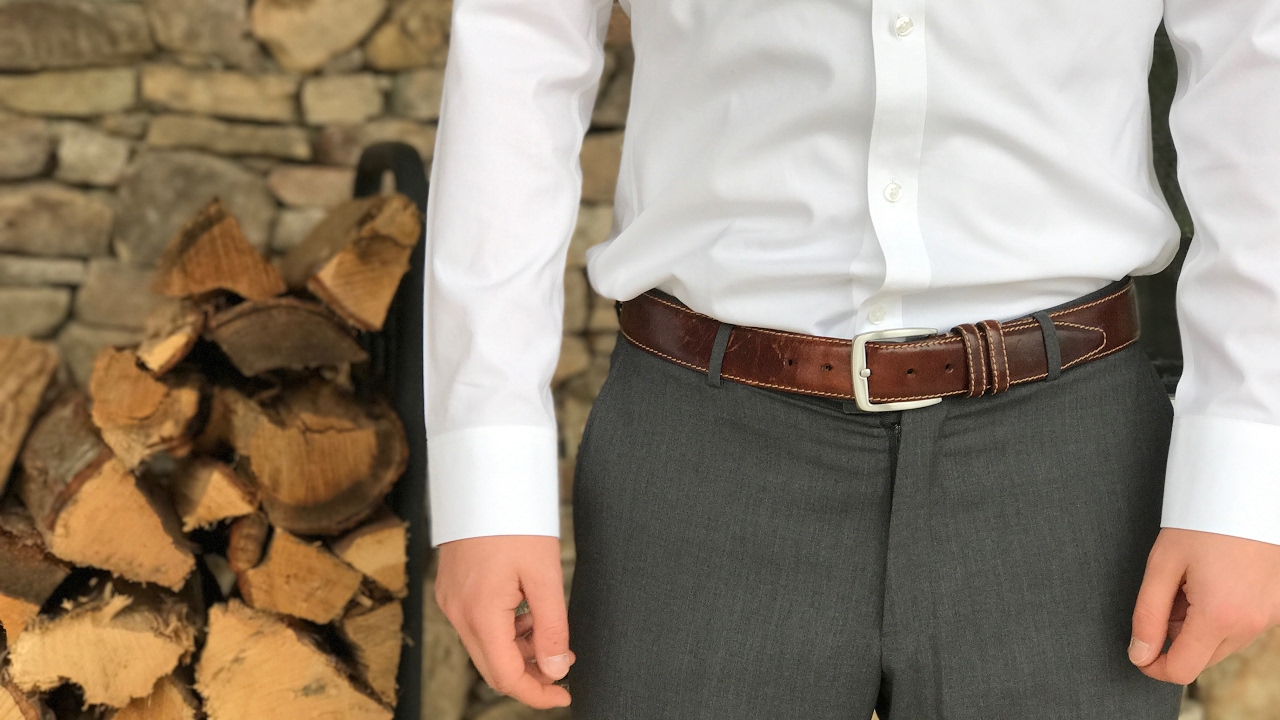
A strong gun belt is vital. Regular dress belts are often too thin and floppy. Gun belts look similar but offer extra stiffness to support the weight of your firearm.
Blazers And Jackets
If your office allows, a blazer is a powerful tool for concealment. It covers the waist and hip area, letting you carry larger guns or holsters.
Footwear
Ankle holsters work best with boots or high-top shoes. If you use a pocket holster, avoid pants with shallow pockets that cause the gun to tip or show.
Practical Concealed Carry Tips For The Workplace
- Practice Drawing: Test your draw from your holster while wearing your work clothes. Time yourself and check for snag points.
- Check Printing: Look in the mirror from different angles. Ask a trusted friend if your firearm is visible.
- Stay Consistent: Carry in the same position daily to build muscle memory.
- Mind Your Movements: Be aware when bending, reaching, or sitting. Adjust your holster or clothing as needed.
- Use Layers: If possible, add a vest or light jacket for extra coverage.
- Secure Storage: If your workplace bans firearms, use a secure lockbox in your vehicle or at home.
- Know Company Policy: Understand your employer’s stance on concealed carry to avoid legal issues.
Mistakes To Avoid When Concealed Carrying Business Casual
- Using weak belts: Leads to sagging, discomfort, and printing.
- Choosing oversized guns: Makes concealment nearly impossible.
- Ignoring holster retention: Loose holsters can cause accidental exposure.
- Neglecting practice: Unfamiliarity with your setup can be dangerous in emergencies.
- Wearing thin fabrics: Thin materials show outlines more easily.
- Not checking printing: Visual checks prevent accidental exposure.
- Skipping accessories: Quality belts and undershirts matter.
- Forgetting legal requirements: Always follow local laws and company policies.
Concealed Carry Accessories That Make A Difference
Gun Belts
Stiffer belts prevent sagging and support holsters. Some brands offer business casual styles with reinforced cores.
Undershirts
Compression undershirts smooth out bulges and add comfort. They also prevent skin irritation from holsters.
Magazine Carriers
Extra magazines can be carried in pocket carriers or slim pouches. Choose styles that blend with your outfit.
Holster Clips
Some holsters use low-profile clips that hide behind your belt, making them less noticeable.
Clothing Brands
Certain brands design business casual clothes for concealed carry. Look for reinforced waistbands and hidden pockets.
Women’s Guide To Concealed Carry In Business Casual
Women’s business casual styles add unique challenges: fitted blouses, skirts, and fewer layers.
Holster Options
- Belly bands work well with skirts and dresses.
- Appendix IWB is possible with high-waisted pants.
- Bra holsters: Hide small guns under fitted tops.
Skirts And Dresses
Look for skirts with elastic waistbands. Dresses with patterns and thicker fabrics help hide holsters.
Bags And Purses
A dedicated concealed carry purse offers security and quick access, but requires regular practice to draw safely.
Non-obvious tip: Some brands offer business casual blouses with built-in holster pockets.
Practical Tips
- Try different holster positions at home before wearing in public.
- Use layering to add coverage.
- Avoid carrying in purses you don’t control at all times.
Legal And Ethical Considerations For Concealed Carry At Work
Every state and company has its own rules about carrying firearms. Always check local laws and workplace policy.
General Guidelines
- Get proper permits and licenses.
- Inform your employer only if required.
- Never leave your firearm unattended.
- Respect coworkers’ comfort and privacy.
Data And Trends
According to the National Shooting Sports Foundation, over 18 million Americans hold concealed carry permits. The number of workplaces allowing concealed carry is increasing, but strict policies still exist in many companies. Always stay updated.
Real-life Examples And Case Studies
Example 1: Office Manager In A Tech Firm
John wanted to carry a compact pistol at work. He tried pocket carry, but his slim-fit trousers made the gun visible. Switching to an IWB holster with a patterned untucked shirt solved the printing problem. A reinforced belt helped support the holster and made the setup comfortable.
Example 2: Female Sales Executive
Lisa wore fitted blouses and skirts. She used a belly band holster, allowing her to carry a small pistol without showing any outline. Layering with a blazer helped further. She practiced drawing at home to ensure she could access her gun quickly.
Example 3: Traveling Consultant
Mike moved between offices and client sites. He used a tuckable IWB holster for days when a tucked shirt was required. On days with more casual dress, he switched to appendix carry. He kept a lockbox in his car for times when he entered restricted buildings.
Training And Practice For Effective Concealed Carry
Having a gun is only half the equation. You must train regularly.
Dry Fire Practice
Use unloaded guns to practice drawing from your holster. Wear your business casual outfit during practice.
Range Time
Visit the shooting range with your concealed carry setup. Practice shooting from different positions.
Situational Awareness
Be aware of your surroundings. Practice keeping your hand near your draw position without being obvious.
Advanced Classes
Consider professional concealed carry courses focused on workplace scenarios.
Credit: www.youtube.com
Comparing Business Casual Concealed Carry To Other Dress Codes
Carrying in business casual is more challenging than in casual or tactical clothing. Here’s how it compares:
| Dress Code | Concealment Difficulty | Comfort Level | Holster Options | Risk of Printing |
|---|---|---|---|---|
| Business Casual | High | Moderate | Limited | High |
| Casual | Low | High | Many | Low |
| Tactical | Very Low | Very High | Unlimited | Very Low |
| Formal | Very High | Low | Few | Very High |
How To Handle Concealed Carry In Meetings And Social Events
Business meetings, lunches, or after-work events can increase the risk of accidental exposure. Here’s how to stay discreet:
- Avoid adjusting your holster in public.
- Choose seating wisely: Sit with your concealed side against a wall.
- Skip hugs or close contact if possible, or use your non-carry side.
- Stay calm: Nervous fidgeting draws attention.
Maintaining Comfort Throughout The Day
Concealed carry doesn’t have to be uncomfortable. Here’s how to manage:
- Use holsters with soft backing to prevent irritation.
- Adjust holster position slightly during breaks.
- Wear moisture-wicking undershirts to reduce sweat.
- Avoid heavy guns that pull down your pants or belt.
Non-obvious tip: Periodically check your holster throughout the day. Small shifts can cause discomfort or exposure.
Upgrading Your Concealed Carry Setup
As you gain experience, upgrade your gear:
- Try new holster types to improve concealment.
- Invest in professional-grade gun belts.
- Switch to lighter, smaller pistols if needed.
- Add magazine carriers for extra ammo.
- Experiment with layering and accessories.
Resources For Concealed Carry Training And Gear
You can find quality concealed carry gear and training from industry leaders. For in-depth information, visit US Concealed Carry Association. They offer guides, courses, and legal resources to help you make informed decisions.
Frequently Asked Questions
What Is The Best Holster For Business Casual Concealed Carry?
The best holster depends on your body type and clothing. IWB holsters are common for untucked shirts, while belly bands work for tucked shirts and women’s outfits. Appendix carry is fast but may be less comfortable when sitting.
Can I Concealed Carry With A Tucked-in Shirt?
Yes, but you need a tuckable holster. These holsters have clips that let you tuck your shirt over the gun. Belly bands and ankle holsters are also options for tucked-in outfits.
How Do I Avoid Printing With Slim-fit Clothing?
Choose compact pistols, use holsters with claw attachments, and wear shirts with patterns or darker colors. A strong gun belt helps keep your gun tight against your body, reducing printing.
What Should Women Wear For Concealed Carry In Business Casual?
Women can use belly bands, bra holsters, or appendix IWB holsters. Choose skirts with elastic waistbands or dresses with patterns. Layering with blazers or cardigans adds coverage.
Is It Legal To Carry Concealed At Work?
It depends on your state and company policy. Always check local laws and workplace rules before carrying. Some companies have strict bans, while others allow it with permits.
Concealed carry in business casual is possible with the right gear, careful clothing choices, and regular practice. The key is balancing discretion, comfort, and accessibility. Start with compact firearms, quality holsters, and supportive accessories. Practice drawing, check for printing, and always respect legal and workplace policies. The more you refine your setup, the more confident and prepared you’ll feel at work. Remember, safety and professionalism can go hand-in-hand with smart concealed carry.
