

Best Sustainable Activewear Brands for Eco-Friendly Fitness
Best Sustainable Activewear Brands
Finding high-quality activewear that supports both your workout and the planet is easier than ever. As more people pay attention to how their clothes are made, brands are stepping up to offer activewear that’s both stylish and sustainable. From recycled materials to ethical manufacturing, these companies are changing the way we think about gym clothes.
But with so many options, how do you know which brands truly make a difference? It’s not just about using organic cotton or recycled polyester. True sustainability looks at every step: where materials come from, how workers are treated, what kind of dyes are used, and whether the brand is working to reduce waste. Some brands even help you recycle your old leggings or sports bras.
In this article, you’ll discover the top sustainable activewear brands, what makes each one unique, and how they’re making fitness fashion cleaner and greener. You’ll also learn what to look for when shopping sustainably, see useful comparison tables, and get honest answers to common questions.
This guide will help you choose activewear that fits your values as well as your body.
What Makes Activewear Sustainable?
Sustainable activewear is about more than just eco-friendly fabric. Here’s what you should look for:
- Materials: Recycled polyester, organic cotton, TENCEL™, and bamboo are popular sustainable options.
- Production: Factories should use less water, renewable energy, and safe chemicals.
- Labor: Ethical brands pay fair wages and keep workers safe.
- Packaging: Many use recycled or compostable materials.
- End-of-life: Some brands offer take-back programs or design clothes to be fully recyclable.
One insight many shoppers miss: not all “green” labels mean the same thing. Look for third-party certifications like GOTS (Global Organic Textile Standard), OEKO-TEX, or Fair Trade for more confidence.
Why Sustainable Activewear Matters
Every year, the fashion industry produces billions of new garments. Most activewear is made from synthetic fibers like polyester, which are derived from oil and don’t break down easily. When washed, these fabrics can release microplastics that end up in oceans.
On top of that, traditional dyeing and manufacturing can use a lot of water and energy.
Switching to sustainable activewear helps reduce:
- Waste: Less clothing ends up in landfills.
- Pollution: Fewer chemicals and microplastics enter the environment.
- Carbon footprint: Many brands use renewable energy and carbon offsets.
Choosing sustainable brands also supports companies that treat their workers fairly and invest in better solutions for the planet.

Credit: www.thegoodtrade.com
Top Sustainable Activewear Brands
Below, you’ll find the most trusted names in eco-friendly activewear, with details on their materials, values, and what sets them apart.
1. Girlfriend Collective
Girlfriend Collective has become a favorite for bold, inclusive, and sustainable designs. Their leggings, bras, and shorts are made from recycled plastic bottles (RPET). The brand is transparent about its supply chain and pays close attention to ethical labor.
Non-obvious insight: They use recycled fishing nets for some lines, which helps clean oceans. Their dyeing process uses less water and non-toxic dyes, and they have a take-back program for old pieces.
2. Patagonia
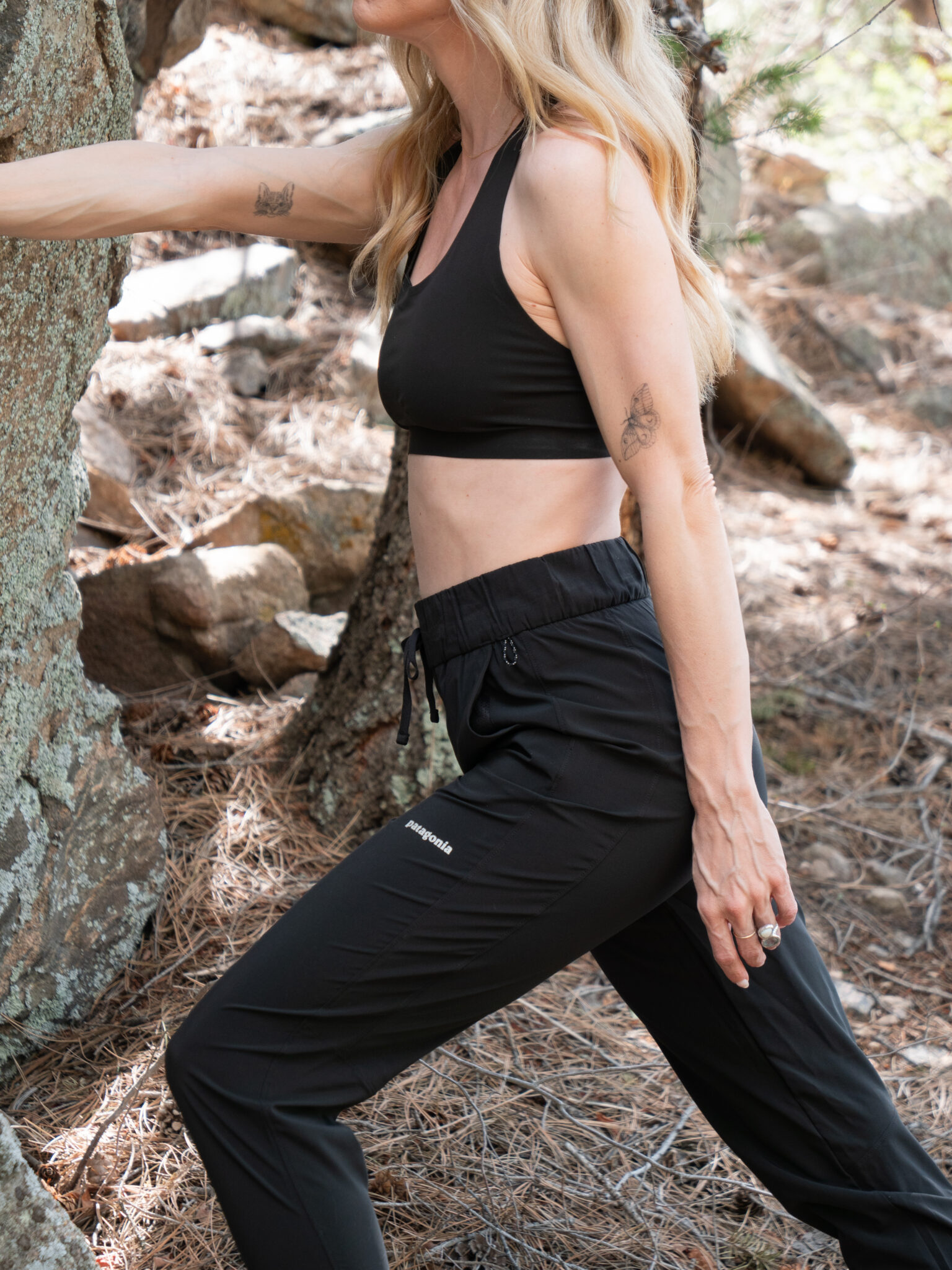
Patagonia’s commitment to the environment is legendary. Most of their activewear uses recycled polyester and organic cotton. They repair old gear, offer a buy-back program, and donate a portion of profits to environmental causes.
What many don’t realize: Patagonia’s “Worn Wear” program lets you buy used gear, reducing waste even more. Their supply chain is highly transparent, with many Fair Trade Certified factories.
3. Outdoor Voices
Outdoor Voices uses a blend of sustainable fabrics like recycled polyester, merino wool, and TENCEL™. Their signature color-block designs are easy to spot, and they focus on clothes for every body shape.
Extra tip: Their RecTrek collection is especially eco-friendly. Outdoor Voices also partners with programs to recycle old clothes and shoes.
4. Pact
Pact is known for using only organic cotton certified by GOTS. Their supply chain is Fair Trade Certified, ensuring safe conditions and fair pay for workers. Pact’s packaging is also compostable.
Beginners often miss that organic cotton uses much less water than conventional cotton. Pact’s basics—leggings, tees, and sports bras—are soft, durable, and perfect for sensitive skin.
5. Allbirds
Allbirds is famous for its eco-friendly sneakers, but their activewear line is just as green. Clothes are made from eucalyptus tree fiber (TENCEL™), merino wool, and recycled materials. The company is a leader in carbon-neutral production.
Unique detail: Allbirds prints the carbon footprint of each product right on the label, so you know the impact of your purchase.
6. Prana
PrAna makes yoga pants, tops, and outerwear from recycled polyester, hemp, and organic cotton. The brand is a pioneer in using Fair Trade Certified factories and focuses on durable, timeless styles.
Lesser-known fact: prAna’s “Responsible Packaging Movement” encourages suppliers to reduce single-use plastics.
7. Wolven
Wolven stands out for its bold, artistic prints and sustainable approach. Their activewear uses recycled plastic bottles and is OEKO-TEX certified (meaning it’s free from harmful chemicals).
One thing people miss: Wolven’s packaging is made from recycled materials, and they offset emissions for every shipment.
8. Boody
Boody makes active basics from organic bamboo viscose, which is highly renewable and soft. Their products are certified by ECOCERT and OEKO-TEX, ensuring both environmental and chemical safety.
Not obvious: Bamboo grows quickly with little water and no pesticides, making it one of the most eco-friendly fibers.
9. Tala
TALA creates affordable, stylish pieces from recycled materials like plastic bottles and factory offcuts. Their supply chain is transparent, and sizing is inclusive.
What sets TALA apart: They produce in small batches to reduce waste and share details about each factory on their website.
10. Tentree
Tentree plants ten trees for every item sold. Their activewear uses organic cotton, recycled polyester, and TENCEL™. The company focuses on full supply chain transparency.
Extra insight: tentree’s “Circularity” program helps you return old items for recycling or resale.
11. Iron Roots
Iron Roots avoids synthetics completely. Their activewear is made from hemp, TENCEL™, and organic cotton, all of which are biodegradable. Their factories are GOTS certified.
Beginners often overlook: Natural fibers help reduce microplastic pollution from laundry.
12. People Tree
People Tree is a pioneer in Fair Trade fashion. Their activewear uses organic cotton and is dyed with low-impact, safe dyes. The brand supports artisans and women’s cooperatives.
Unique feature: People Tree was one of the first to earn the World Fair Trade Organization label.
13. Adidas By Stella Mccartney
This premium line combines Adidas’ innovation with Stella McCartney’s eco-focus. Many pieces use recycled ocean plastic through a partnership with Parley for the Oceans.
Key insight: They use advanced manufacturing to reduce waste and emissions, especially in footwear.
14. Nimble
Nimble’s activewear is made from recycled PET bottles. They use non-toxic dyes and solar power in production. The brand is based in Australia but ships globally.
What’s special: Nimble’s “Move For Good” program donates part of sales to women’s health and education projects.
15. Manduka
Manduka is loved by yogis for their ultra-durable mats and apparel. Clothing uses organic cotton and recycled polyester. Their packaging is minimal and recycled.
Often missed: Manduka mats are designed to last a lifetime, cutting down on waste compared to cheaper mats.
Comparison: Materials And Certifications
Choosing the right activewear is easier when you know which materials and certifications matter. Here’s a quick look at how top brands compare.
| Brand | Main Materials | Key Certifications |
|---|---|---|
| Girlfriend Collective | Recycled polyester, nylon | OEKO-TEX, GRS |
| Patagonia | Recycled polyester, organic cotton | Fair Trade, bluesign® |
| Pact | Organic cotton | GOTS, Fair Trade |
| Boody | Bamboo viscose | OEKO-TEX, ECOCERT |
| Iron Roots | Hemp, TENCEL™, organic cotton | GOTS |
How To Choose Sustainable Activewear
With so many brands, finding the right activewear can feel overwhelming. Here’s what to focus on:
- Material: Look for recycled or natural fibers. Avoid virgin polyester and nylon.
- Certifications: Trust third-party labels for real sustainability, not just marketing.
- Fit and Durability: Well-made clothes last longer, reducing waste.
- Production Transparency: Brands should share details about their factories and workers.
- End-of-Life Options: Some companies will recycle your old gear—look for take-back or resale programs.
A common mistake: Many people buy “sustainable” clothes but replace them quickly due to poor fit or quality. Always check reviews and sizing guides.
Real-world Impact: Numbers That Matter
Sustainability can feel abstract, but the numbers are powerful:
- One pair of recycled polyester leggings can save around 25 plastic bottles from landfills.
- Organic cotton uses about 91% less water than regular cotton, according to the Textile Exchange.
- Bamboo viscose requires no pesticides and grows up to 3 feet per day, making it a fast-renewing resource.
- Patagonia’s Worn Wear program has kept over 100,000 pieces of clothing in use, reducing waste.
Here’s a side-by-side look at the water and energy impact of different materials.
| Material | Water Use (L/kg) | Energy Use (MJ/kg) | Biodegradable? |
|---|---|---|---|
| Organic Cotton | 6,000 | 25 | Yes |
| Bamboo Viscose | 2,500 | 35 | Yes |
| Recycled Polyester | 25 | 50 | No |
| Virgin Polyester | 60 | 90 | No |
Style, Performance, And Sustainability
Eco-friendly doesn’t mean boring. Sustainable activewear now comes in a wide range of colors, prints, and fits. Brands like Wolven and Outdoor Voices are known for bold designs, while Pact and Boody focus on soft, classic basics.
Performance matters, too. Recycled polyester wicks sweat and stretches like regular polyester. TENCEL™ and bamboo are breathable and soft, ideal for yoga or low-impact workouts. For high-intensity training, look for reinforced seams and four-way stretch.
Insider tip: Try mixing and matching different brands—you don’t need your entire outfit to be from one place.
Cost Vs. Value
Sustainable activewear is often more expensive up front. But consider the true cost:
- Durability: Eco-friendly fabrics often last longer.
- Health: Non-toxic dyes and natural fibers are better for skin.
- Ethics: Fair wages and safe working conditions.
- Planet: Lower water, energy, and chemical use.
Some brands (like TALA and Pact) offer affordable basics, while others (Adidas by Stella McCartney, Patagonia) are higher-end. Many brands also offer sales or discounts for first-time buyers.
Here’s a quick price comparison for popular items:
| Brand | Leggings | Sports Bra | T-Shirt |
|---|---|---|---|
| Girlfriend Collective | $68 | $38 | $32 |
| Pact | $45 | $28 | $20 |
| Wolven | $88 | $58 | $44 |
| Boody | $54 | $32 | $25 |
| TALA | $65 | $35 | $30 |
If you’re on a budget, look for brands that offer bundles or use resale/secondhand programs.
Credit: chichateashop.com
Red Flags: What To Avoid
Not all brands are as green as they claim. Watch out for:
- Greenwashing: Vague words like “eco-friendly” without details or proof.
- No transparency: Brands that don’t share info about materials, factories, or certifications.
- Cheap, poor-quality items: Low prices often mean shortcuts in ethics and quality.
- Single-use packaging: Even sustainable clothes should come in recycled or compostable packaging.
If a company can’t answer questions about how their activewear is made, it’s a sign to shop elsewhere.
How To Care For Sustainable Activewear
To make your eco-friendly gear last, follow these tips:
- Wash cold: Hot water can break down fibers faster.
- Skip the dryer: Air-dry to save energy and reduce shrinking.
- Use gentle detergent: Avoid harsh chemicals that damage fabric.
- Wash less often: Many activewear pieces are odor-resistant and don’t need washing after every wear.
Special tip: Use a microfiber filter bag (like a Guppyfriend) when washing synthetics to catch microplastics.

Credit: www.cosmopolitan.com
Recycling And End-of-life Programs
Many brands now help you recycle or donate old activewear:
- Girlfriend Collective: ReGirlfriend program accepts old items for recycling.
- Patagonia: Worn Wear lets you trade in or buy used gear.
- Tentree: Offers a take-back and resale program.
- PrAna: Partners with the Renewal Workshop to repair or upcycle old clothes.
If your brand doesn’t offer a program, look for local textile recycling or donate gently used items.
Sustainable Activewear For All Bodies
Inclusivity is a key part of true sustainability. Brands like Girlfriend Collective and TALA offer extended sizing, so more people can find clothes that fit. Outdoor Voices and Pact are also known for their wide range of sizes.
It’s important that everyone, no matter their body type, can access eco-friendly options. Many brands feature real customers as models, not just professionals, to show how clothes fit different shapes.
The Role Of Innovation
Technology is changing the world of sustainable activewear. Here are a few exciting developments:
- Bio-based materials: Some brands are experimenting with algae-based foam or plant-based nylon.
- Closed-loop recycling: Old clothes are turned into new yarn for fresh products.
- Waterless dyeing: Uses air or special technology to add color with less water and chemicals.
- 3D knitting: Reduces waste by knitting clothes to shape, not cutting from large fabric rolls.
One company using advanced materials is Adidas by Stella McCartney, which has tested biodegradable shoes and recyclable running gear. This kind of innovation is key to the future of sustainable fitness fashion.
Supporting Sustainable Brands Beyond Shopping
Wearing eco-friendly activewear is just one part of the bigger picture. You can support sustainability by:
- Spreading the word: Tell friends and family about good brands.
- Recycling properly: Don’t throw old gear in the trash.
- Volunteering: Help with local clean-ups or environmental groups.
- Sharing feedback: Let brands know what you value and where they can improve.
Every choice makes a difference, especially when more people join the movement.
Where To Buy Sustainable Activewear
You can shop direct from brand websites, which often have the best size and color selection. Some larger sustainable brands are also available through online retailers like REI, Nordstrom, and Backcountry. For secondhand or discounted gear, check out resale platforms like Poshmark or ThredUp.
For a deeper dive into eco-certifications and materials, visit the Textile Exchange.
Frequently Asked Questions
What Is The Most Eco-friendly Fabric For Activewear?
The best options are recycled polyester (from plastic bottles or fishing nets), organic cotton, TENCEL™, and bamboo viscose. These use less water, energy, and chemicals compared to standard polyester or nylon. Each has different performance qualities, so choose based on your activity.
Do Sustainable Activewear Brands Offer Plus Sizes?
Yes. Many brands like Girlfriend Collective, TALA, and Outdoor Voices have inclusive sizing. Always check the size chart on the brand’s website to find your best fit.
How Do I Know If A Brand Is Really Sustainable?
Look for third-party certifications like GOTS, OEKO-TEX, Fair Trade, or bluesign®. Read about the brand’s materials, factory conditions, and recycling programs. If details are missing, the brand may be greenwashing.
Is Recycled Polyester Safe To Wear And Wash?
Recycled polyester is safe to wear. However, washing any synthetic fabric can release microplastics. Use a microfiber filter bag in your wash to reduce this, and choose natural fibers when possible.
How Do I Care For Sustainable Activewear To Make It Last?
Wash clothes in cold water, use gentle detergent, skip the dryer, and avoid fabric softeners. Air-drying and washing less often will keep your activewear looking new and save energy.
Final Thoughts
Choosing sustainable activewear is a smart way to take care of your health and the planet. With more brands offering eco-friendly, ethical options, it’s easier than ever to find pieces that look good, feel good, and do good. Remember to shop thoughtfully, check materials and certifications, and care for your clothes to make them last.
Every purchase is a vote for a cleaner, fairer world—one workout at a time.
