

Best Rash Guard for Scuba Diving: Ultimate Comfort & Protection Guide
When you dive beneath the waves, your gear becomes your lifeline. Choosing the best rash guard for scuba diving isn’t just about comfort—it’s about protection, warmth, and enhancing your underwater experience.
You want a rash guard that fits perfectly, feels great on your skin, and stands up to the challenges of the ocean. You’ll discover exactly what to look for and which options deliver the best performance. Ready to find the rash guard that will make every dive better?
Let’s dive in.
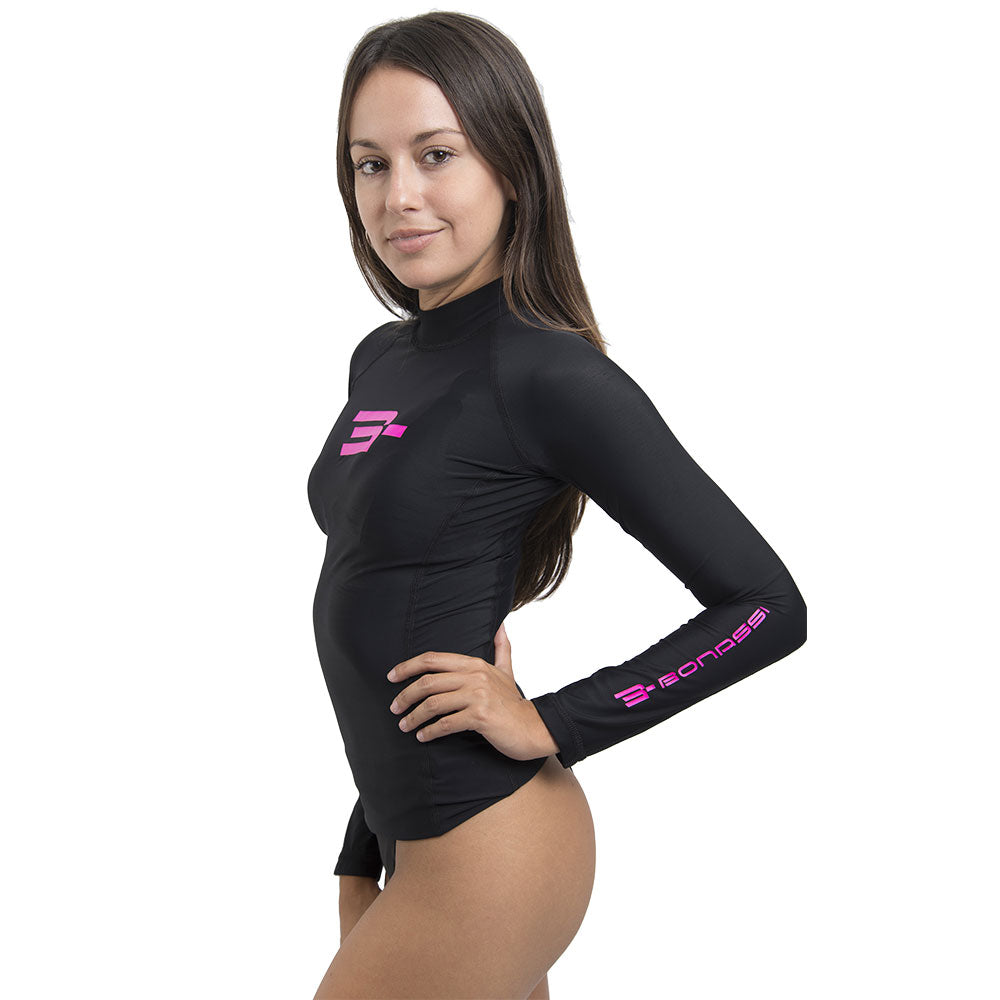
Credit: www.northmiamidivers.com
Benefits Of Rash Guards For Scuba Diving
Rash guards offer many benefits for scuba divers. They provide comfort and safety underwater. Wearing a rash guard helps protect the skin from various hazards. These garments are made of stretchy, quick-drying fabric that fits snugly. This makes moving underwater easier and prevents chafing. Many divers choose rash guards for their practical advantages.
Below are some key benefits of using rash guards while scuba diving.
Protection From Marine Life
Rash guards shield the skin from jellyfish stings and coral scrapes. They create a barrier against sharp shells and small creatures. This protection lowers the risk of cuts and infections. Many marine animals have stingers or rough surfaces. A rash guard keeps these dangers away from your skin.
Uv Protection
Sun exposure can harm the skin during surface swims. Rash guards provide strong protection from UV rays. Wearing one reduces sunburn and long-term skin damage. The fabric blocks harmful rays even in shallow water. This is important for divers who spend time on boats or shore.
Thermal Insulation
Rash guards help keep the body warm in cooler water. The fabric traps a thin layer of water close to the skin. This layer warms up and acts like insulation. While not as warm as wetsuits, rash guards add an extra thermal layer. This helps prevent chills during long dives or in cold seas.
Prevention Of Skin Irritation
Saltwater and gear can irritate the skin during dives. Rash guards protect against rubbing from scuba equipment. The smooth fabric reduces friction and stops rashes from forming. This makes dives more comfortable and enjoyable. Wearing a rash guard helps maintain healthy skin.
Key Features To Look For
Choosing the best rash guard for scuba diving means focusing on key features. These features ensure comfort, protection, and long-lasting use under water. Knowing what to check helps you pick the right gear for your diving needs.
Material And Fabric
The material should be lightweight and stretchy. Look for fabrics like nylon or polyester blended with spandex. These dry quickly and allow easy movement. Fabric that blocks UV rays adds extra protection from the sun.
Fit And Comfort
A rash guard must fit snugly but not tight. It should feel like a second skin. Comfort is important to avoid chafing during long dives. Check sleeves and collar for smooth edges that won’t irritate your skin.
Durability And Stitching
Strong stitching keeps the rash guard durable. Flatlock seams reduce rubbing and skin damage. Reinforced stitching in stress areas prevents tears. Durable gear lasts through many dives and washes.
Quick-dry Technology
Quick-dry fabric helps you stay comfortable after dives. It reduces the chance of cold chills. Rash guards with this feature dry fast on boats or shore. This saves time and keeps you ready for the next dive.
Seam Placement
Seam placement affects comfort underwater. Seams should avoid high-friction zones like underarms. Proper placement reduces skin irritation. Look for rash guards designed with minimal and smooth seams.
Top Rash Guards For Scuba Diving
Choosing the right rash guard for scuba diving can improve your underwater experience. It protects your skin from sunburn, jellyfish stings, and abrasions. Rash guards also help maintain your body temperature in different water conditions.
Here are some of the best rash guards designed for scuba diving. Each option suits different needs and budgets.
Best Overall Rash Guard
This rash guard offers excellent comfort and durability. It fits well and dries quickly after dives. The material is soft but strong enough to protect against stings and scrapes. Its UV protection rating is high, making it suitable for long dives.
Best Budget Option
This rash guard provides good protection at a low price. It uses lightweight fabric that feels cool in warm water. The stitching is sturdy, ensuring it lasts through many dives. A great choice for beginners or casual divers.
Best For Warm Waters
This rash guard is thin and breathable, perfect for hot climates. It keeps you cool while protecting against sunburn. The fabric dries fast, reducing the chance of chafing. Ideal for tropical and summer diving trips.
Best For Cold Waters
This rash guard offers extra insulation to keep you warm. Its thicker fabric traps heat close to your skin. The fit is snug but flexible, allowing easy movement underwater. Suitable for diving in chilly seas or during cooler seasons.
Best Uv Protection
This rash guard has the highest UV protection rating available. It blocks most harmful rays to prevent skin damage. The fabric is lightweight and comfortable for long dives. Great for divers spending many hours in the sun.
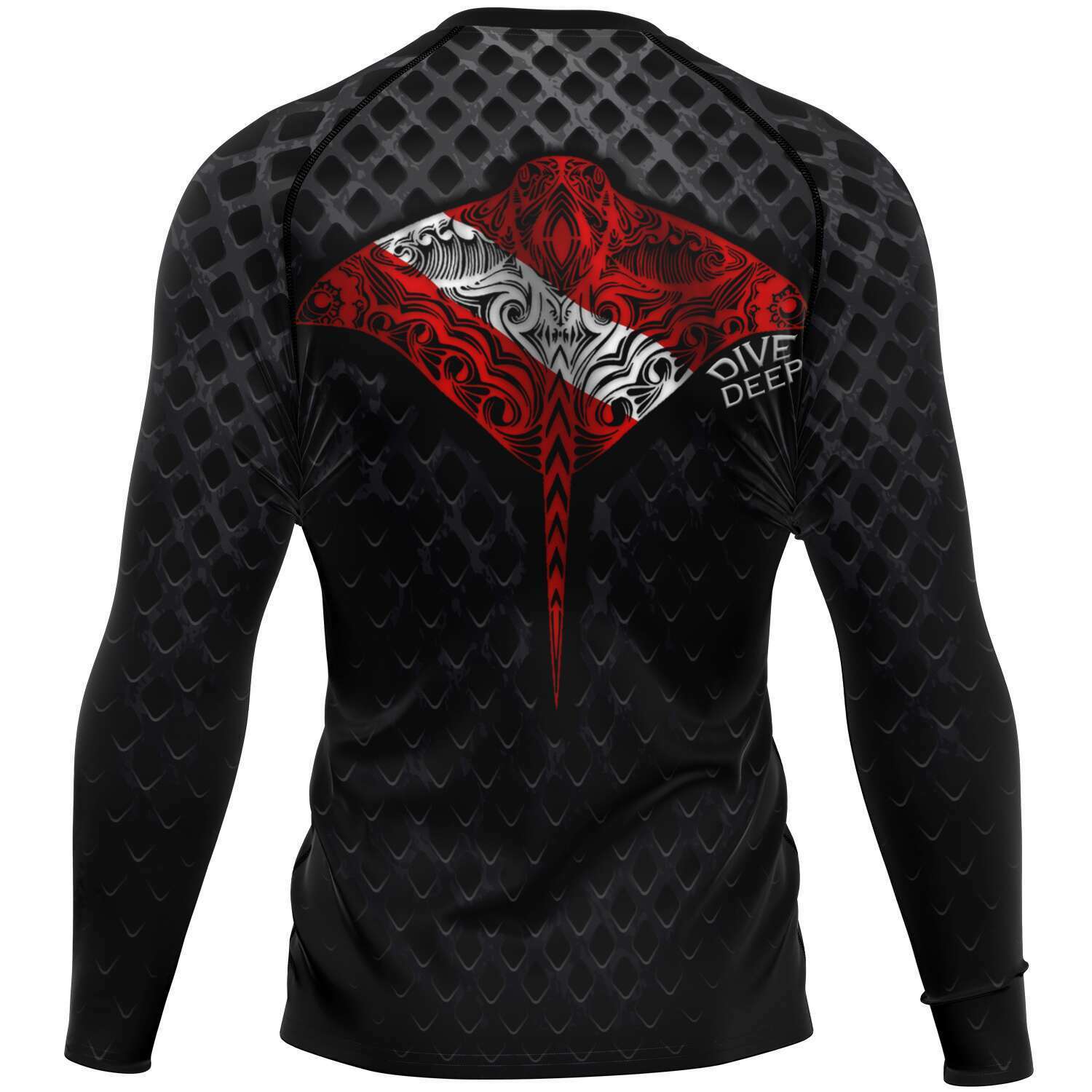
Credit: diverbubbles.com
Tips For Choosing The Right Rash Guard
Choosing the right rash guard for scuba diving is important for comfort and safety. A good rash guard protects your skin from sun, jellyfish stings, and abrasions. It also keeps you warm in cooler water. Selecting the best one needs some thought about different factors. These tips will help you pick the rash guard that fits your needs.
Assessing Water Conditions
Think about the water temperature where you dive. Warm water needs lighter, breathable material. Cold water requires thicker, insulating fabric. Check if the water has strong sun exposure. A rash guard with high UV protection helps prevent sunburn. Also, consider if you will dive in areas with jellyfish or rough coral. Durable and snug rash guards offer better protection in such places.
Matching With Other Gear
Choose a rash guard that fits well with your wetsuit or drysuit. It should slide easily under your suit without bunching. Pick colors that do not fade or clash with your gear. Some rash guards have flat seams to reduce chafing under heavy equipment. Ensure the fabric dries quickly to avoid discomfort during gear changes.
Sizing And Mobility
Select a rash guard that fits close but allows free movement. Tight rash guards might restrict your swimming strokes. Loose ones can cause drag and discomfort. Check the sleeve length; longer sleeves offer more protection but may limit motion. Stretchy materials like spandex provide good flexibility. Always try on different sizes before buying.
Care And Maintenance
Look for rash guards that are easy to clean and quick to dry. Rinse your gear with fresh water after each dive. Avoid harsh detergents that damage the fabric. Hand wash with mild soap to keep the material soft and strong. Store your rash guard in a cool, dry place away from direct sun. Proper care extends the life of your rash guard.
Additional Gear For Enhanced Protection
Scuba diving exposes your body to cold water, sharp objects, and marine life. A rash guard offers some protection, but extra gear can keep you safer and warmer. Using the right additional gear helps reduce injuries and improve comfort underwater. Here are key items to consider for enhanced protection during your dives.
Wetsuits And Drysuits
Wetsuits trap a thin layer of water between your skin and the suit. Your body warms this water, keeping you warm. They come in different thicknesses for various water temperatures. Drysuits keep you completely dry by sealing water out. They are best for very cold dives. Both suits protect your skin from cuts, stings, and sunburn.
Dive Gloves And Boots
Gloves protect your hands from cold and sharp objects. They also improve your grip on slippery surfaces. Boots shield your feet from rocks, coral, and cold water. Choose boots that fit well and have thick soles. Wearing gloves and boots helps prevent injuries and keeps your hands and feet warm.
Hoods And Headgear
Hoods cover your head and neck, areas that lose heat quickly. They are usually made of neoprene and match your wetsuit or drysuit. Some divers use additional headgear like caps or helmets for extra protection. Wearing hoods reduces heat loss and protects your head from scrapes and stings.

Credit: downtoscuba.com
Frequently Asked Questions
What Makes A Rash Guard Ideal For Scuba Diving?
A good scuba diving rash guard offers UV protection, quick-drying fabric, and durability. It provides comfort, flexibility, and shields against jellyfish stings and abrasions underwater.
How Do Rash Guards Protect Against Underwater Hazards?
Rash guards create a barrier against jellyfish stings, sharp coral, and rough surfaces. This reduces skin irritation and prevents minor injuries during dives.
Can Rash Guards Be Worn Under Wetsuits For Scuba?
Yes, rash guards are perfect under wetsuits. They add warmth, prevent chafing, and wick moisture, enhancing overall diving comfort and protection.
Which Materials Are Best For Scuba Diving Rash Guards?
Look for rash guards made of polyester, nylon, or spandex blends. These materials offer stretch, durability, and UV resistance, ideal for underwater conditions.
Conclusion
Choosing the best rash guard makes scuba diving safer and more comfortable. It protects your skin from sun, jellyfish, and rough coral. A good rash guard fits well and dries quickly. It also keeps you warm in cooler water. Always pick one with strong fabric and good stitching.
This helps it last longer on your dives. Remember, your gear matters as much as your skills. Dive smart, stay protected, and enjoy the underwater world fully.
